Suspensory Ligament Is a Term Used for Several Body Structures

You may have heard the term “suspensory ligament” from a doctor and left the appointment still wondering which part of your body it referred to. That confusion is normal. The name is used for support structures in several different parts of the body, all doing a similar job: holding organs or tissues in position and helping them work the way they should.
When something goes wrong with a suspensory ligament, you might feel pain, a sense of instability, or notice that something simply isn’t working as it used to. What happens next depends on which ligament is involved and how severe the problem is.
Overview: What the Suspensory Ligament Means
The suspensory ligament is a general anatomical term for a structure that supports and anchors a body part. Rather than referring to only one ligament, it can describe supportive tissue in several regions of the body. In everyday clinical use, the term may come up in relation to musculoskeletal support, pelvic anatomy, the eye, or other organ systems, depending on context.
Ligaments are bands of strong connective tissue. Their job is to stabilize structures, guide movement, and help maintain normal alignment. When a suspensory ligament is strained, inflamed, stretched, or torn, the body part it supports may become painful or function less effectively.
Since the term covers more than one place in the body, symptoms and treatment differ from patient to patient. For some people it’s a sports problem that affects movement. For others, it turns up while a doctor is looking into pelvic symptoms, an injury, or another condition. That’s why getting a clear diagnosis matters far more than the name itself.
Where Suspensory Ligaments Are Found in the Body
Suspensory ligaments are present in different locations and each has a specific role. In broad terms, they help suspend, secure, or support an organ, tissue, or anatomical structure. For example, some suspensory ligaments help maintain organ position, while others contribute to stability around a moving body part.
In musculoskeletal medicine, symptoms are often discussed in terms of ligament injury or overuse. In other areas of medicine, a suspensory ligament may be relevant because it supports normal anatomy rather than because it moves with exercise. So the same term can mean quite different things depending on which specialist you’re speaking to.
Examples of where the term may be used include:
- Support structures associated with joints or soft tissues
- Pelvic supporting tissues
- Eye anatomy, where suspensory fibers help support the lens
- Abdominal or reproductive anatomy, where ligaments help hold organs in place
For patients, the most helpful question is usually not just “What is the suspensory ligament?” but “Which suspensory ligament is involved, and what is it supposed to do?” That answer shapes the rest of the evaluation and treatment plan.
Symptoms and How Problems May Present

Symptoms of a suspensory ligament problem vary depending on the ligament involved. If the issue affects a structure related to movement, symptoms may include localized pain, tenderness, swelling, reduced range of motion, or a feeling of instability. Pain may begin suddenly after trauma or develop gradually with repetitive strain.
Some people notice discomfort only during activity, while others have symptoms at rest. A ligament that no longer provides normal support can make surrounding muscles work harder, which may lead to stiffness, compensation, or altered posture and movement. In these situations, related muscle or tendon pain can occur alongside the ligament problem.
When a suspensory ligament supports an organ or internal structure, the symptoms may look different. They may include pressure, a pulling sensation, positional discomfort, visual changes, or altered function in the affected area. The pattern depends entirely on anatomy and cause.
Get checked out if symptoms stick around, get worse, or came on after an injury. Pain with significant swelling, deformity, sudden loss of function, or inability to bear weight may suggest a more substantial injury, such as a severe sprain or associated tissue damage. In some cases, a clinician may also assess for nearby joint, tendon, or ligament injuries to understand the full extent of the problem.
Causes and Risk Factors
Suspensory ligament problems can arise from acute injury, repetitive stress, age-related tissue change, or conditions that weaken connective tissue. A sudden twist, fall, impact, or forceful overstretching movement can damage ligament fibers. Repeated loading over time may also lead to micro-injury and chronic irritation.
Risk factors depend on location but often include poor biomechanics, inadequate warm-up, muscle weakness, overtraining, previous injury, and returning to activity too soon after a strain. In non-sports settings, pregnancy, surgery, degenerative change, or structural differences may influence how well a supportive ligament functions.
Inflammation around a ligament can also occur because of nearby joint or soft-tissue disorders. Less commonly, systemic illnesses that affect collagen or connective tissue may contribute to increased laxity or poorer healing. This is one reason doctors may ask about other symptoms, previous injuries, family history, and general health rather than focusing only on the painful area.
Pain near a ligament doesn’t always come from the ligament. Tendons, bursae, joints, nerves, and muscles can all cause similar symptoms. A careful examination helps sort out whether the suspensory ligament is the main problem or just one part of a bigger picture.
How Doctors Diagnose a Suspensory Ligament Problem
Diagnosis begins with a detailed medical history and physical examination. A doctor will usually ask when the symptoms started, whether there was an injury, what movements make symptoms worse, and whether there is instability, weakness, swelling, or functional limitation. This history often provides important clues about whether the problem is acute, chronic, inflammatory, or related to overuse.
The physical examination may include inspection, palpation, movement testing, and assessment of nearby structures. In a musculoskeletal setting, the clinician may compare both sides of the body, assess joint stability, and look for signs that other tissues are also involved. In other specialties, the exam will focus on the organ system relevant to that suspensory ligament.
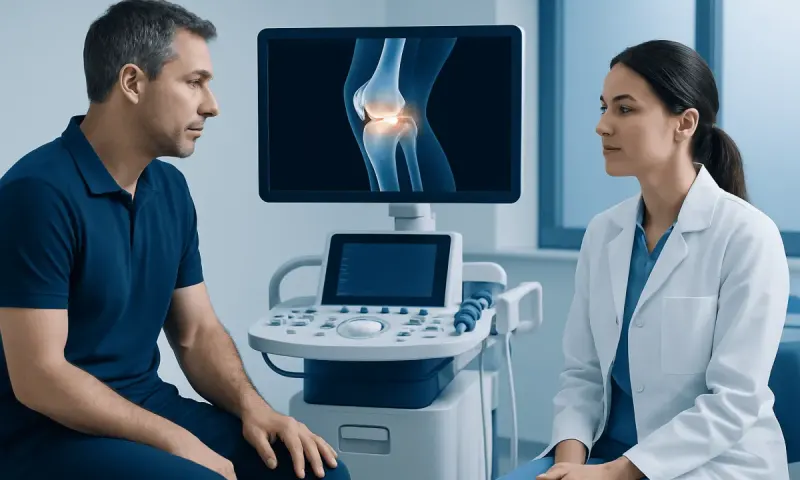
Imaging is not needed in every case, but it can be helpful when the diagnosis is uncertain or symptoms are significant. Depending on the body region, doctors may use ultrasound, X-ray, magnetic resonance imaging, or other tests to evaluate the ligament and surrounding tissues. If pain is persistent or the injury is complex, advanced imaging may help guide next steps, including whether a patient might benefit from MRI scanning or referral to a specialist.
Because symptoms can overlap with other conditions, clinicians may also evaluate for related soft-tissue disorders, joint problems, or structural abnormalities. In selected situations, assessment by specialists in orthopedics, rehabilitation, gynecology, ophthalmology, or another field may be appropriate depending on the location of the suspensory ligament involved.
Treatment Options and Recovery
Treatment for a suspensory ligament condition depends on the ligament involved, the severity of symptoms, and whether the problem is due to injury, strain, degeneration, or another medical issue. Mild cases often improve with activity modification, relative rest, ice in the early phase after injury, and a gradual return to normal use. Over-the-counter Knee Pain Relief: Causes and Treatment" class="ahp-ilk">pain relief may be recommended by a clinician when appropriate.
Rehabilitation is often central to recovery, especially when the ligament problem affects movement. A tailored program may focus on restoring flexibility, improving strength in surrounding muscles, correcting mechanics, and reducing the risk of repeat injury. Many patients benefit from supervised physical therapy and rehabilitation to support safe recovery.
Supportive devices may sometimes be used temporarily. These can include taping, bracing, orthotics, or other measures to reduce strain while healing occurs. If another condition is contributing to symptoms, treatment also needs to address that underlying issue rather than the ligament alone.
Surgery is usually reserved for selected cases, such as major tears, persistent instability, structural disruption, or failure of conservative treatment. Surgical planning depends on anatomy and the goals of care. In musculoskeletal cases, specialist assessment by orthopedics may be considered when symptoms limit daily function or healing is not progressing as expected. Recovery time varies a lot from person to person, so follow the advice you’ve been given rather than measuring yourself against someone else’s timeline.
Self-care, Prevention, and Long-Term Support
Not every suspensory ligament problem can be prevented, but healthy movement habits can reduce the risk of strain and re-injury. Gradual training progression, good footwear when relevant, adequate warm-up, and attention to strength and flexibility all help support ligaments and the muscles around them. Avoiding sudden increases in activity is especially important after a period of rest.
Body mechanics also matter. Repetitive movements, poor posture, muscle imbalance, and compensating for older injuries can place excess stress on supportive tissues. A rehabilitation professional can identify these patterns and suggest practical strategies for daily life, work, and exercise.
At home, patients are usually advised to pace activities, avoid movements that sharply worsen pain, and follow the recovery plan given by their clinician. Returning to intense activity too early may prolong symptoms or increase the chance of another injury. If a doctor recommends exercises, consistency is often more helpful than doing too much too soon.
If your symptoms keep coming back or the diagnosis is complicated, having several specialists involved can help. Some international patients come to Acıbadem Health Point for this, where teams across specialties and JCI-accredited hospitals assess and treat ligament and support-structure problems according to the body system involved.
When to Seek Medical Care
Medical care is appropriate if pain is severe, swelling is significant, symptoms follow trauma, or normal function is reduced. A person should also seek assessment if symptoms persist despite rest, keep returning, or interfere with walking, exercise, work, vision, or other daily activities depending on the ligament involved.
Urgent evaluation is important when there is sudden deformity, inability to bear weight, marked instability, numbness, weakness, fever, or rapidly worsening symptoms. These features can suggest a more serious injury or another condition that needs prompt treatment.
Even mild symptoms are worth a professional opinion if nobody has been able to tell you what’s going on. Early evaluation may reduce time to recovery and can help identify whether the issue is a ligament strain, a neighboring tendon problem, joint injury, or another cause. In some cases, patients may also be guided toward related care such as sports medicine when the symptoms are activity-related.
Frequently asked questions
01What is a suspensory ligament?
A suspensory ligament is a support structure that helps hold a body part in place. The term does not refer to only one ligament, so its meaning depends on the anatomical area being discussed.
02Can a suspensory ligament heal on its own?
Mild strains may improve with rest, activity modification, and time. However, persistent pain, instability, or loss of function should be assessed by a doctor because some injuries need imaging, rehabilitation, or more specific treatment.
03What are common symptoms of a suspensory ligament problem?
Common symptoms can include pain, tenderness, swelling, stiffness, or a sense that the supported area is less stable. In some anatomical locations, symptoms may involve pressure, pulling, or functional changes rather than movement-related pain.
04How is a suspensory ligament injury diagnosed?
Doctors usually diagnose it through a medical history and physical examination first. If needed, imaging such as ultrasound or MRI may be used to confirm the diagnosis and check for associated injuries.
05Does every suspensory ligament problem need surgery?
No, many cases improve without surgery. Conservative treatment such as rest, rehabilitation, symptom control, and supportive measures is often tried first unless there is a major tear, instability, or another clear reason for surgery.
06When should someone worry about suspensory ligament symptoms?
A person should seek medical care if symptoms are severe, do not improve, or follow a significant injury. Sudden loss of function, major swelling, deformity, numbness, or inability to bear weight deserves prompt assessment.
This article is for general information only and is not a substitute for professional medical advice. Please consult a qualified doctor about your individual situation.
Joint and spine care in Turkey — expert assessment & treatment
JCI-accredited · board-certified surgeons · reply within 24h
Add us as a Preferred Source to see more of our trusted health content across Google Search, AI Overviews and Discover.