Surgery Shoes: How Long to Wear One After Foot Surgery
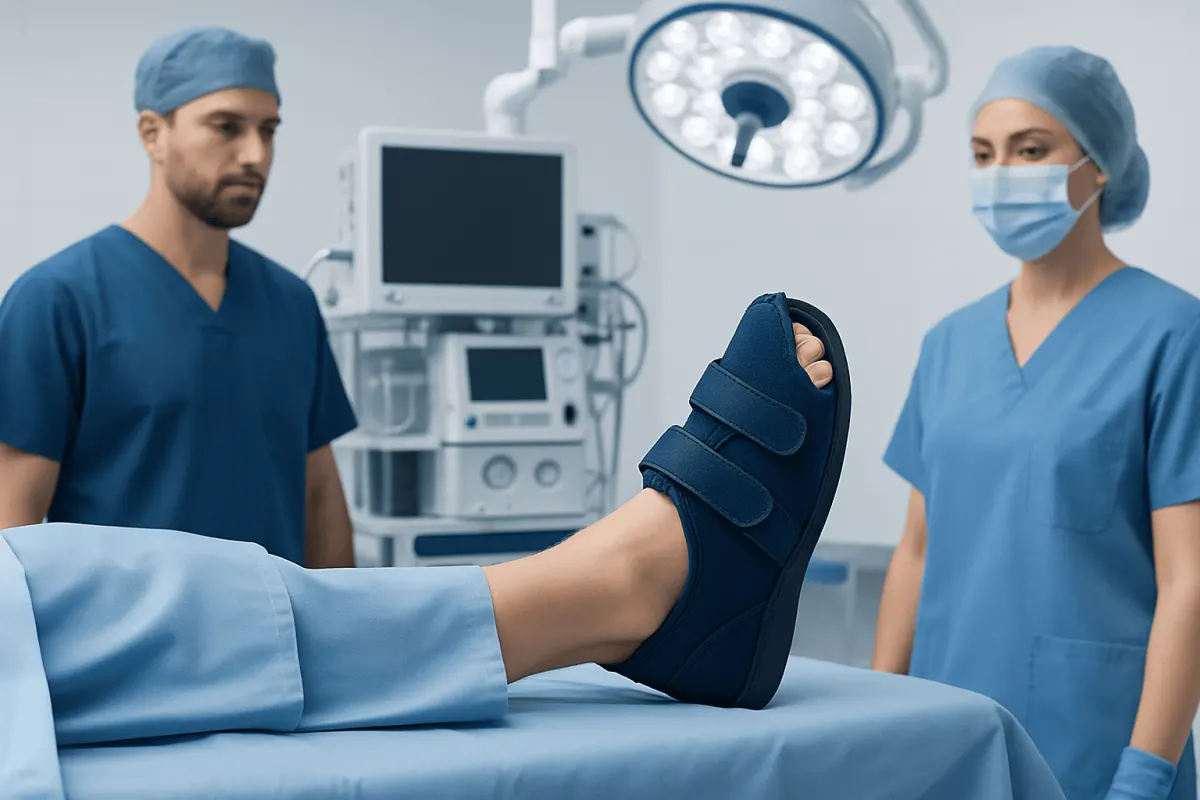
Surgery shoes, also called postoperative or surgical recovery shoes, are protective footwear used after certain foot and ankle procedures. They help reduce pressure on healing tissues, accommodate dressings and support safe mobility while a surgeon guides the recovery plan.
Overview: What Are Surgery Shoes?
Surgery shoes are medical shoes worn after foot or toe surgery to protect the operated area during healing. They usually have a stiff or rigid sole, adjustable straps and extra room for swelling and dressings. Depending on the design, the sole may shift pressure away from the front of the foot, heel or another sensitive area.
The shoe is not a treatment on its own. It is one part of a postoperative plan that may also include pain management, elevation, wound care, exercises, assistive devices and scheduled reviews. The correct type of shoe and the amount of walking allowed depend on the procedure, such as bunion correction, toe surgery, fracture repair, tendon surgery or treatment for a wound.
For many patients, surgery recovery shoes make necessary movement more comfortable and help protect surgical repairs from unintended stress. However, they do not make all activity safe. Following the surgeon’s instructions about weight-bearing remains essential, even when the foot feels better.
How a Surgical Shoe Works and Who May Need One
A surgical shoe works by providing a stable base and reducing bending through areas that may be painful or healing. A flat, rigid sole can limit motion at the toes and forefoot. A wedge-shaped design may transfer load toward the heel or away from the heel, depending on its purpose. Adjustable closures help the shoe fit over postoperative bandages without squeezing the foot.
People may be candidates for a surgical shoe after procedures involving the toes, forefoot or soft tissues of the foot. It may also be used after treatment of selected fractures or after minor procedures when an ordinary shoe would rub against an incision. In other situations, a removable walking boot, cast, splint or strict non-weight-bearing plan provides more appropriate protection.
Suitability also depends on balance, strength, home environment and the condition of the other leg. A shoe with an uneven sole can affect gait and may increase fall risk for some people. The care team may recommend a crutch, cane, walker, physical therapy guidance or a shoe lift for the opposite side when appropriate.
The Foot Surgery Pathway: Before, During and After the Procedure

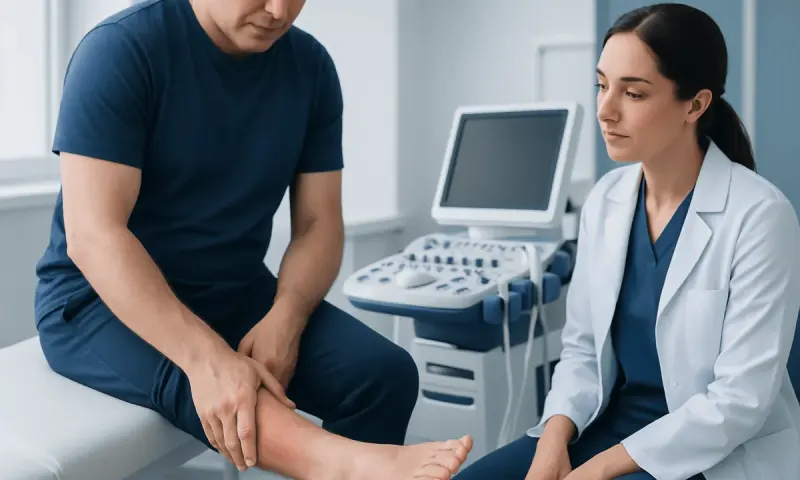
Foot surgery begins with an assessment of symptoms, physical examination and, when needed, imaging such as X-rays. The surgeon discusses the diagnosis, expected benefits, alternatives and possible risks. Before surgery, patients may be asked to arrange help at home, prepare a safe path for walking, stop or adjust certain medicines only under medical guidance, and plan transportation because driving is usually restricted initially.
During the operation, the exact steps depend on the condition being treated. A procedure may involve correcting bone alignment, repairing or releasing soft tissue, removing damaged tissue, stabilizing a fracture or addressing a joint problem. Anesthesia may be local, regional or general, based on the procedure and individual health needs.
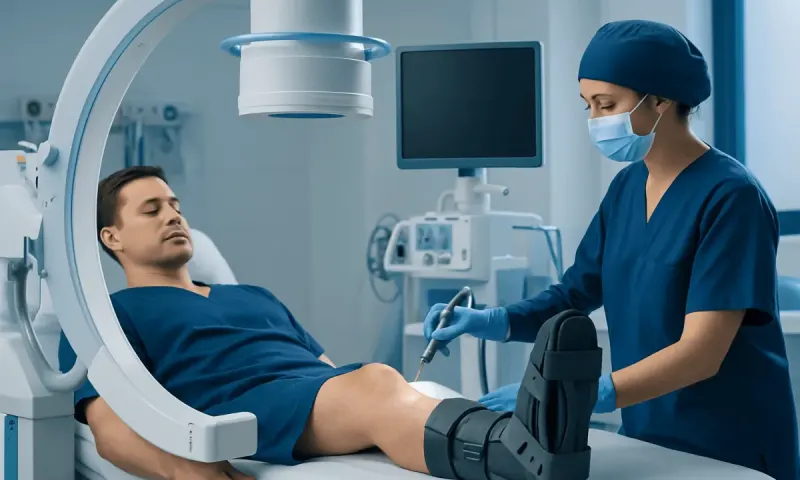
Afterward, the foot is covered with a dressing and may be placed in a splint, boot or surgical shoe. The surgeon will give individualized instructions on whether the patient may put weight through the foot. At follow-up visits, the team checks wound healing, swelling, alignment and function, and adjusts protection or rehabilitation as recovery progresses.
Orthopedic specialists can help determine whether conservative care or surgery is appropriate for a foot concern through orthopedic evaluation and treatment.
Benefits, Limitations and Possible Risks
The main benefit of a surgical shoe is protection during a vulnerable stage of recovery. It can reduce direct pressure from regular footwear, provide room for swelling and dressings, and offer a more stable walking surface than a soft slipper or loose sandal. This can support independence while the person follows prescribed activity limits.
Its limitations are equally important. A surgical shoe does not prevent swelling, infection, blood clots or complications from doing too much too soon. It may feel awkward, and its altered sole can change posture and balance. Patients should not modify the shoe, remove it for unsupervised walking or replace it with ordinary shoes until cleared by their clinician.
Possible problems include skin rubbing, pressure points, blisters, discomfort in the knee, hip or back, and a higher risk of tripping. Contact the surgical team if the shoe is too tight or loose, if dressings become wet or displaced, or if it causes new pain. The team can check fit and recommend a safer alternative when needed.
Recovery Timeline and Everyday Care
Recovery after foot surgery varies widely. The first several days often focus on rest, elevation, protecting the dressing and taking prescribed or recommended pain relief as directed. Swelling is common and can continue for weeks or months, particularly after procedures involving bones and joints. Keeping the foot elevated when advised and avoiding prolonged standing can help manage swelling.
Over the next few weeks, follow-up appointments guide changes in wound care, weight-bearing and footwear. Some patients transition from a surgical shoe to a supportive, wide regular shoe after the incision has healed and the surgeon is satisfied with progress. Bone healing and return to higher-impact exercise generally take longer than skin healing, so feeling less pain does not necessarily mean full healing has occurred.
At home, patients should keep walkways clear, use prescribed mobility aids, avoid driving until medically cleared, and protect the foot from getting wet if instructed. Smoking or nicotine use can impair wound and bone healing, so discussing cessation support before surgery is valuable. A balanced diet with adequate protein and regular hydration can also support overall recovery.
Acıbadem Health Point’s multidisciplinary specialists and JCI-accredited hospitals diagnose and treat orthopedic conditions for international patients, with postoperative plans tailored to the procedure and individual recovery needs.
How Long Should You Wear a Surgical Shoe?
How long a person should wear a surgical shoe depends on the surgery, the location of the incision, the stability of any repair and the surgeon’s weight-bearing instructions. For some minor toe or forefoot procedures, it may be needed for several weeks. More complex bone, tendon or fracture procedures may require longer protection or a different device, such as a boot or cast.
The safest answer is to wear the shoe exactly as prescribed until the operating clinician says it is safe to transition. A change is usually based on wound healing, swelling, pain, X-rays when needed, walking ability and the type of footwear planned next. Stopping early can place excess stress on healing tissues or alter surgical alignment.
Patients should ask at each follow-up visit whether they may sleep without the shoe, remove it for bathing, begin driving, return to work or wear a regular trainer. These milestones differ substantially between procedures and should not be based on another person’s recovery experience.
What's the Worst Day After Foot Surgery?
There is no single worst day after foot surgery for everyone. Many people find that discomfort and swelling become more noticeable during the first two to three days, particularly as anesthesia or a nerve block wears off. Others experience their most difficult period after doing more activity than the foot can tolerate.
Taking pain medicines only as directed, elevating the foot, protecting the dressing and planning rest can make this early period more manageable. It is helpful to arrange meals, essential items and a place to rest within easy reach before the procedure, because unnecessary trips around the home can worsen pain and swelling.
Severe or rapidly worsening pain that is not controlled by the agreed plan should be reported to the care team. Pain accompanied by numbness, a cold or pale foot, tightness from a dressing, fever, increasing redness or foul-smelling drainage needs prompt assessment.
What Are the Top 5 Hardest Surgeries to Recover From?
There is no medically definitive ranking of the five hardest surgeries to recover from. Recovery difficulty is personal and depends on the extent of surgery, complications, age, underlying health conditions, emotional support, pain control and rehabilitation needs. Comparing procedures can create unrealistic expectations for an individual patient.
Operations often described as demanding include major joint replacement, spinal fusion, open-heart surgery, major abdominal surgery and complex trauma or reconstructive surgery. These procedures can involve substantial pain, reduced mobility, extended rehabilitation or temporary changes in independence. Yet many people recover well with appropriate surgical care, rehabilitation and support.
Foot surgery can also be challenging because even small changes in walking can affect daily life, and swelling may last longer than expected. The most useful question is not how a procedure ranks, but what restrictions, support and timeline are likely for the specific operation being considered.
What Do I Wish I Knew Before Foot Surgery?
People often wish they had planned more carefully for the practical side of recovery. Foot surgery may temporarily affect showering, stairs, work, sleep, driving and the ability to carry items while using crutches or a walker. Preparing the home, arranging help and discussing work or travel plans in advance can reduce stress after surgery.
It is also important to know that swelling can persist after the incision appears healed, and final results may take time. Shoes that fit before surgery may not fit comfortably during the early recovery period. Patients benefit from asking which type of surgical recovery shoe they will need, whether they can bear weight, what symptoms are expected and how to contact the team outside routine hours.
Before consenting, patients should understand the expected benefit, nonsurgical alternatives, possible complications and rehabilitation plan. Bringing written questions to the preoperative appointment and asking a trusted person to help remember instructions can be useful.
When to Seek Medical Care
Patients should contact their surgical team promptly for increasing redness, warmth, swelling or pain around the incision; drainage that is new, cloudy or foul-smelling; fever; a dressing that is wet, tight or slipping; or a wound that opens. They should also report new calf pain or swelling, sudden shortness of breath, chest pain, fainting, or other urgent symptoms immediately through local emergency services.
New numbness, tingling, blue or pale toes, a cold foot, or inability to move the toes may signal pressure or circulation concerns and should not wait for a routine appointment. A surgical shoe should feel secure but should not create severe pressure, rubbing or circulation changes.
For nonurgent questions about swelling, returning to work, changing footwear or activity progression, the follow-up appointment is the best setting for individualized guidance. Early communication can help the team address problems before they interfere with recovery.
Frequently asked questions
01What is a surgery shoe used for?
A surgery shoe protects the foot after certain operations by providing a stable sole and space for dressings and swelling. It may reduce pressure on the operated area while allowing only the level of walking approved by the surgeon. It should be used as part of an individualized postoperative plan.
02Can a person walk in a surgical shoe?
Some people may walk in a surgical shoe soon after surgery, but others must avoid putting weight on the foot or use crutches, a walker or a wheelchair. Permission to walk depends on the procedure and the stability of the repair. The operating clinician's instructions should always take priority.
03Can a surgical shoe be worn on either foot?
Many postoperative shoes are designed to fit either foot, but this depends on the specific product and its pressure-relieving shape. A clinician should ensure that the shoe is correctly fitted and used on the intended side. A poorly fitted shoe can cause rubbing, imbalance or reduced protection.
04Should a surgical shoe be worn while sleeping?
Whether to wear the shoe at night depends on the operation and the surgeon's instructions. Some people may remove it for sleep, while others may need ongoing protection because of a dressing, repair or risk of accidental weight-bearing. Patients should ask before changing the routine.
05When can regular shoes be worn after foot surgery?
Regular shoes can be worn only when the surgeon confirms that healing, swelling and weight-bearing ability make the transition appropriate. A wide, supportive shoe is often recommended initially, but the right choice depends on the procedure. Returning too early to tight or unsupportive footwear can irritate the healing area.
06How can swelling be reduced after foot surgery?
Elevation, rest and following the recommended limits on walking can help reduce postoperative swelling. Ice may be appropriate in some situations, but it should be used only as instructed and should not wet the dressing or expose numb skin to injury. Persistent or worsening swelling should be discussed with the surgical team.
This article is for general information only and is not a substitute for professional medical advice. Please consult a qualified doctor about your individual situation.
Joint and spine care in Turkey — expert assessment & treatment
JCI-accredited · board-certified surgeons · reply within 24h
Add us as a Preferred Source to see more of our trusted health content across Google Search, AI Overviews and Discover.