

Sunburn Relief: Treatments and Prevention
- 9 min read
- Published November 28, 2026
Key Takeaways
- Sunburn relief starts with cooling the skin, rehydrating, and avoiding further sun exposure.
- Pain, redness, warmth, and tenderness are common, while blistering suggests a more significant injury.
- Moisturizers, aloe-based products, and gentle pain relievers may help when used appropriately.
- Popping blisters, using harsh products, or exposing the skin to more sun can slow recovery.
- Seek medical advice if sunburn covers a large area, causes fever, confusion, or signs of infection.
Sunburn is an inflammatory skin reaction after too much ultraviolet exposure, and the right relief measures can ease pain while the skin heals. Most cases improve with simple care, but severe blistering, dehydration, or widespread symptoms need medical attention.
Overview
Sunburn is the skin’s visible response to ultraviolet (UV) injury. What looks like “just redness” is actually an inflammatory reaction, and the body may continue to feel the effects for days as it repairs the damaged skin.
For many people, sunburn relief means getting out of the sun, cooling the skin, and preventing the injury from becoming worse. The aim is not to “erase” the burn immediately, but to support the skin while it heals comfortably and safely.
Travel can complicate recovery. Someone who develops sunburn while on holiday, on a business trip, or after arriving in a warmer climate may not have their usual creams, medications, or follow-up care nearby. A practical plan helps: protect the skin early, know when symptoms are mild, and recognize when professional assessment is the wiser choice.
Symptoms
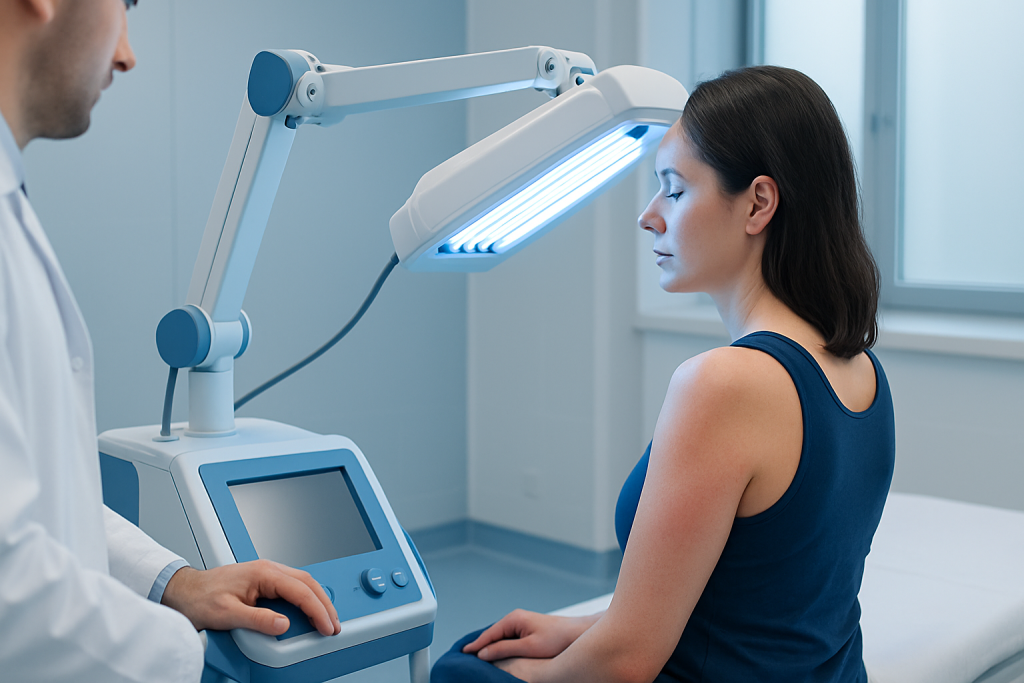
Sunburn usually appears several hours after exposure rather than immediately, which can make the amount of UV damage easy to underestimate. The skin commonly becomes red, warm, tender, and painful to touch. In lighter burns, the discomfort may be similar to a strong rash or heat irritation.
More intense sunburn can cause swelling, tightness, blistering, headache, fatigue, and sensitivity when clothing rubs against the skin. The face, shoulders, back, chest, and tops of the feet are frequently affected because these areas are often exposed without enough protection.
Some people also notice general symptoms such as thirst or feeling unwell, especially after spending many hours in hot weather. These signs matter because sunburn can coincide with dehydration or heat-related illness, which deserves prompt attention.
Causes & Risk Factors

Sunburn happens when UV radiation damages skin cells faster than the body can repair them. The most common triggers are direct sunlight, but tanning beds and strong reflected light from water, sand, snow, or concrete can also contribute.
Risk is higher when the UV index is strong, when exposure lasts longer than intended, or when sunscreen is not applied properly. People with fair skin may burn more easily, but sunburn can affect any skin tone if exposure is intense enough.
Several factors can make a burn more likely or more severe:
- Long periods outdoors without shade or protective clothing
- Missed sunscreen reapplication, especially after swimming or sweating
- Medicines or skin products that increase light sensitivity
- Higher altitude, where UV exposure may be stronger
- Young children and older adults, who may be more vulnerable to heat and dehydration
For international travelers, destination matters. Beach vacations, ski trips, desert climates, and high-altitude cities can create sun exposure patterns that are very different from home, so routine protection may need to be adjusted.
Diagnosis
Sunburn is usually diagnosed by examining the skin and asking about recent sun exposure, symptoms, and any products or medications being used. In most cases, no specialized test is needed.
A clinician will want to know whether the skin is blistered, how much of the body is affected, and whether there are accompanying symptoms such as fever, dizziness, vomiting, or confusion. These details help distinguish a simple sunburn from a more serious heat-related illness or a skin condition that needs different treatment.
When someone is far from home, a clear description of the timeline is useful: when the exposure happened, how quickly the redness appeared, whether the skin is worsening, and whether any self-care has already been tried. That information helps a doctor recommend the safest next step, even if the person is seeking care while traveling.
Treatment Options
Most sunburn relief focuses on cooling, hydration, and protection while the skin heals. A cool bath, cool compresses, or a brief shower can reduce heat and discomfort. The skin should be patted dry gently rather than rubbed.
After cooling, a fragrance-free moisturizer or aloe-based gel may help ease dryness and tightness. If pain is bothersome, over-the-counter pain relievers may be considered according to package directions and individual health needs. Drinking fluids is also important, especially if the person has been sweating or feels thirsty.
It is best to avoid products that can irritate already inflamed skin, such as harsh scrubs, alcohol-heavy lotions, or perfumed creams. Blisters should not be popped, because intact skin offers some protection against infection. If blisters are large, widespread, or very painful, medical evaluation is sensible.
In more severe cases, a doctor may assess for dehydration, infection, or deeper skin injury and may recommend additional wound care. When sunburn is happening during travel, a local medical review can be helpful if the pain is limiting sleep, movement, or the ability to continue the trip safely.
Prevention & Self-care
Prevention is the most effective form of sunburn relief, because it avoids the inflammation altogether. Broad-spectrum sunscreen, protective clothing, a hat, and shade are the core measures, especially during peak daylight hours.
Self-care after a burn should focus on calm, low-irritation support. Loose clothing can reduce friction, a cool environment can lessen heat, and extra fluids can help if the skin injury is accompanied by dehydration. It is also wise to pause activities that keep the area exposed to more sun.
A few practical habits can make a difference:
- Apply sunscreen before going outside and reapply as directed on the label
- Use clothing with coverage rather than relying on sunscreen alone
- Seek shade during stronger sun hours when possible
- Be extra careful near water, snow, sand, or reflective surfaces
- Check medications for possible sun sensitivity when a pharmacist or doctor advises it
For international patients, prevention is often part of the travel plan. Packing sunscreen, a light long-sleeved layer, and knowing where to find local medical help can make a warmer climate much easier to manage.
When to See a Doctor
Medical advice is appropriate when sunburn is severe, covers a large area, or affects sensitive sites such as the face, eyes, or genitals. Blistering over a broad area is a sign that the skin has been injured more deeply and should be assessed if there is concern.
Prompt evaluation is also important if the person has fever, chills, dizziness, fainting, confusion, severe headache, persistent vomiting, or trouble keeping fluids down. These symptoms can indicate dehydration or heat illness, which should not be managed as simple sunburn alone.
Signs of infection, such as increasing redness, pus, worsening swelling, or pain that is getting worse rather than better, should not be ignored. If someone is unsure whether the skin change is a sunburn, a rash, or something else, a qualified doctor can help sort that out without delay.
Acibadem Health Point’s multidisciplinary specialists and JCI-accredited hospitals diagnose and treat sunburn-related skin injuries and associated complications for international patients when in-person care is needed.
Recovery and Practical Questions for Travelers
Healing usually moves at the pace of the skin itself, so patience matters. Mild sunburn often settles over several days, while peeling can appear later as the damaged outer layer sheds and fresh skin emerges. During this period, the goal is steady comfort rather than aggressive treatment.
Travelers should think about recovery logistics as well as symptoms. Sunburned skin may be more comfortable with loose clothing, limited walking in direct sun, and access to clean water, cool indoor space, and simple over-the-counter products if available locally. If the trip includes flights or long transfers, hydration and avoiding additional sun exposure during layovers can help reduce discomfort.
When follow-up is needed abroad, bringing a brief record of what happened can save time: date of exposure, symptoms, any blistering, products used, and any medicines taken. That context helps clinicians provide focused advice and avoid unnecessary treatment.
Complications
Most sunburns heal without lasting problems, but more significant burns can lead to infection, dehydration, heat exhaustion, or prolonged skin sensitivity. Repeated burns over time also add to cumulative skin damage, which is why prevention is important even after the current episode improves.
People who develop widespread blistering or systemic symptoms may need closer follow-up. Rarely, a severe burn can make it difficult to sleep, eat, drink, or move comfortably, especially if it involves large body areas.
Anyone whose symptoms are not improving, or whose skin is worsening after initial home care, should have a medical review. A careful assessment can confirm whether the issue is uncomplicated sunburn or a condition that needs targeted treatment.
Frequently asked questions
01What is the fastest way to relieve sunburn pain?
Cooling the skin is usually the first helpful step, such as with a cool shower, bath, or compress. After that, a fragrance-free moisturizer or aloe-based gel may ease dryness, and staying well hydrated can support recovery. If pain is significant, an over-the-counter pain reliever may help when used according to the label and personal medical advice.
02Should blisters from sunburn be popped?
No, blisters should generally be left intact. The skin over the blister helps protect the area from infection while it heals. If blisters are large, very painful, or widespread, a doctor should assess them.
03How long does sunburn usually last?
Mild sunburn often improves over several days, though peeling may occur later. More severe burns can take longer to settle and may need medical review if symptoms are intense or not improving. The exact timeline depends on how much skin was affected and how deeply it was injured.
04Can a sunburn cause fever or chills?
Yes, more severe sunburn can be associated with fever, chills, headache, or feeling generally unwell. These symptoms may also overlap with dehydration or heat illness, so they should be taken seriously. If they are significant or persistent, medical advice is recommended.
05Is sunscreen still useful after a sunburn starts?
Yes, sunscreen remains important when the skin will be exposed again, but it should be used gently and not on very irritated or broken skin without guidance. More importantly, the affected area should be kept out of the sun while it heals. Clothing and shade are often easier to tolerate during the recovery phase.
06When should someone seek medical help for sunburn?
Medical help is advisable if the burn is extensive, blistering is severe, or symptoms include confusion, vomiting, fainting, fever, or difficulty drinking fluids. A doctor should also see any burn that looks infected or keeps getting worse. If there is uncertainty about what the skin reaction is, an evaluation can provide clarity and safer care.
This article is for general information only and is not a substitute for professional medical advice. Please consult a qualified doctor about your individual situation.
Joint and spine care in Turkey — expert assessment & treatment
JCI-accredited · board-certified surgeons · reply within 24h
Add us as a Preferred Source to see more of our trusted health content across Google Search, AI Overviews and Discover.


How can we help you today?
Meet an Acibadem specialist by secure video, before you travel.
Book a video visit