Sudden Sharp Pain in Head That Goes Away Quickly: Causes, Relief and When to Worry

Key Takeaways
- A brief, stabbing head pain that fades quickly is often harmless, but it should not be ignored if it is new, frequent, or different from usual.
- Common causes include primary stabbing headache, migraine, tension-type headache, nerve irritation, sinus problems, or exertion-related triggers.
- Immediate medical attention is important if the pain is the worst headache of life, follows head injury, comes with weakness, vision changes, fever, or confusion.
- Keeping a headache diary can help identify patterns such as sleep loss, dehydration, stress, or neck strain.
- Treatment depends on the cause and may include reassurance, trigger management, or further testing when the story is not typical.
A sudden sharp pain in the head that goes away quickly is often linked to a benign primary headache pattern, but it can also appear with other conditions. Knowing the common triggers, warning signs, and next steps can help a person decide when simple self-care is enough and when medical evaluation is wise.
Overview
A sudden sharp pain in the head that goes away quickly is often described as a stabbing, jabbing, or electric-like sensation. In many people, it lasts only seconds and then disappears completely, which can make it feel mysterious or hard to explain to a doctor.
In some cases, the cause is a primary headache disorder, meaning the pain itself is the condition and not a sign of another disease. In other cases, the brief pain is related to a trigger such as muscle tension, dehydration, sinus pressure, a nerve issue, or a migraine pattern that has not fully declared itself yet.
The key question is not only how sharp the pain feels, but also what else is happening around it. A new pattern, repeated episodes, or any symptom such as weakness, fever, vision change, or confusion deserves medical review rather than guesswork.
Symptoms and common patterns
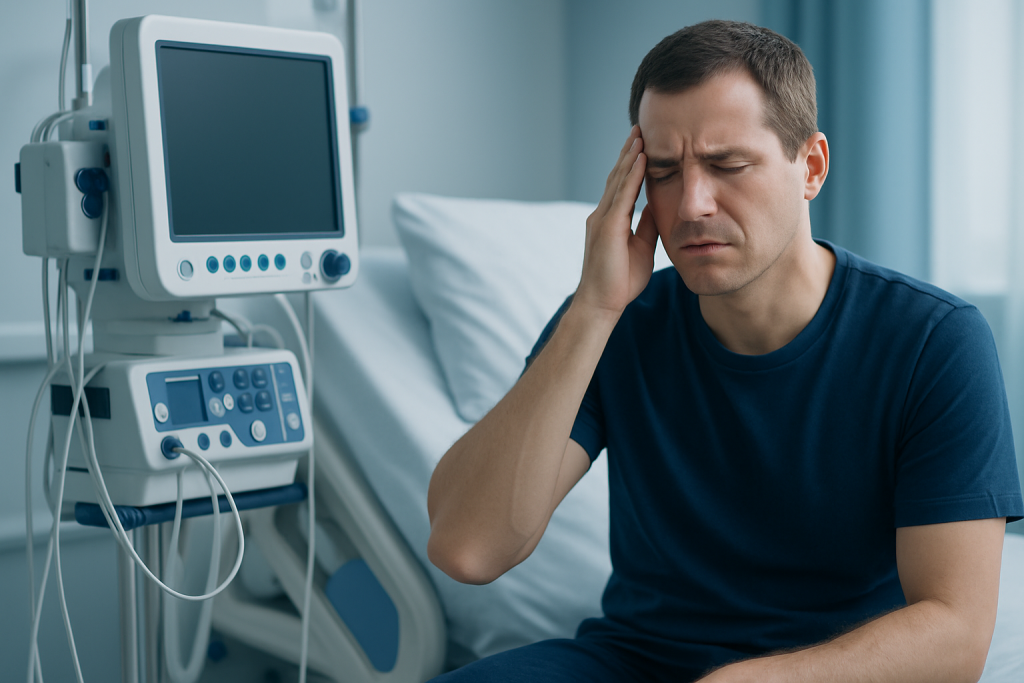
People often describe this type of head pain as a sudden stab behind one eye, a quick ice-pick sensation at the top of the head, or a fleeting bolt on one side of the scalp. It may happen once in a while or recur several times a day. Some people notice no warning at all, while others recognize a pattern such as stress, poor sleep, bright light, coughing, bending, or physical exertion.
When the pain is part of a primary stabbing headache, it usually lasts only a few seconds and then fully settles. Migraine can also begin with sharp or one-sided pain, although migraine more often lasts longer and may include nausea, light sensitivity, or sound sensitivity.
Additional symptoms help narrow the cause. For example:
- Pain with a blocked nose or facial pressure may point toward sinus-related discomfort.
- Scalp tenderness or pain from touching the head may suggest muscle or nerve involvement.
- Pain triggered by neck movement may come from the neck rather than the brain itself.
- Pain after exercise, coughing, or straining needs careful attention, especially if it is new.
Causes and risk factors

Several different conditions can lead to brief sharp head pain. One of the most common benign explanations is primary stabbing headache, sometimes called an ice-pick headache. This is a short, sudden pain that is usually not linked to another illness, although a clinician may still check for other causes if the pattern is new.
Migraine is another frequent possibility. Even when migraine is known for throbbing pain, some people experience sudden jabs or stabs at the beginning of an attack. Tension in the scalp, jaw, or neck muscles can also create brief pain that feels sharp, especially after long hours at a computer or during periods of stress.
Other possible causes include nerve irritation, sinus inflammation, eye strain, dehydration, changes in caffeine intake, sleep disruption, and headaches triggered by coughing, sneezing, or exercise. Less commonly, sudden sharp head pain can be related to more serious conditions, which is why context and associated symptoms matter so much.
Diagnosis
Diagnosis starts with a careful conversation about the pain itself: where it is felt, how long it lasts, how often it happens, and whether it comes with other symptoms. A clinician may also ask about recent illness, injuries, medication use, stress, sleep, hydration, and family history of headaches.
For many people, a clear pattern and a normal neurological examination are enough to suggest a benign headache type. If the headache is unusual, persistent, changing, or accompanied by warning signs, the doctor may recommend tests such as blood work or brain imaging to look for other causes.
Keeping a brief headache diary can make the visit more useful. Notes about time of day, location of pain, activity before onset, and any associated symptoms can help distinguish between migraine, muscle-related pain, nerve irritation, and other causes. This is especially helpful for international patients who may be seeking care away from home and need a concise record to share across appointments.
Treatment options
Treatment depends on the underlying cause. When the pain is a benign primary stabbing headache and there are no warning signs, a doctor may recommend reassurance, observation, and trigger management rather than medication. If migraine or tension-type headache is suspected, treatment may focus on the broader headache pattern instead of the brief stab itself.
General management can include simple measures such as rest, drinking water, reducing screen strain, improving sleep regularity, and easing neck tension with gentle movement. Some people benefit from treating the condition that is driving the pain, such as sinus inflammation, jaw clenching, or a migraine pattern. Medication choices should always be guided by a doctor, especially when headaches are new, frequent, or occur with other health conditions.
If the pain is caused by a different medical problem, the treatment plan may be more specific. In those cases, evaluation matters more than self-treatment, because the goal is to address the cause rather than only the symptom. A doctor may also advise follow-up if the episodes become more frequent or change in character.
Prevention and self-care
Not every brief head pain can be prevented, but many people notice fewer episodes when they keep a steady routine. Regular sleep, adequate hydration, balanced meals, and limiting sudden changes in caffeine intake can all reduce headache vulnerability.
Stress management is also useful because muscle tension and migraine are often affected by emotional strain. Gentle stretching, regular breaks from screens, posture awareness, and relaxing the jaw and shoulders may help, particularly for people who work long hours sitting down or traveling frequently.
A few practical habits can support prevention:
- Track possible triggers in a simple notebook or phone app.
- Do not skip meals for long stretches.
- Protect against eye strain with breaks and proper lighting.
- Seek care for chronic sinus, dental, or neck problems that may contribute to head pain.
When to see a doctor
Medical review is important when a sharp head pain is new, keeps returning, or feels different from prior headaches. It is also wise to speak with a doctor if the pain is happening more often, if it is only on one side and becoming more intense, or if over-the-counter measures are not helping as expected.
Emergency care is recommended if the headache appears suddenly and severely, especially if it is the worst headache the person has ever had. Other urgent warning signs include weakness, numbness, trouble speaking, fainting, seizure, fever with stiff neck, confusion, vision loss, or headache after a head injury.
People traveling for care or coordinating treatment from another country should seek a prompt local evaluation if any warning sign appears instead of waiting for a planned appointment. For patients who need specialist review, multidisciplinary teams and JCI-accredited hospitals such as Acibadem Health Point can help diagnose and treat headache-related conditions for international patients in a coordinated way.
Frequently asked questions
01Is a sudden sharp pain in the head that goes away quickly always serious?
No. A brief stabbing headache is often benign, especially if it happens rarely and there are no other symptoms. Still, a new pattern or any warning sign should be checked by a doctor.
02What is an ice-pick headache?
An ice-pick headache is a very short, sharp stab of pain that may feel like a needle or ice pick in the head. It usually lasts only a few seconds and may occur without other symptoms.
03Can stress cause sharp pains in the head?
Yes, stress can contribute indirectly by increasing muscle tension, disturbing sleep, and making migraine more likely. Stress alone is not always the full explanation, so repeated episodes should be reviewed if they continue.
04When should someone go to the emergency room for head pain?
Emergency care is important if the headache is sudden and severe, follows an injury, or comes with weakness, confusion, seizure, fever, stiff neck, or vision changes. These symptoms need prompt assessment.
05Will a scan always be needed?
Not always. Doctors often rely on the history and physical examination first, and they order imaging when the headache pattern is unusual or there are warning signs. The decision depends on the clinical picture.
06What can help in the moment if the pain passes quickly?
If there are no warning signs, resting, hydrating, and noting the trigger may be enough. If the episodes repeat, a headache diary can help a clinician identify the cause.
This article is for general information only and is not a substitute for professional medical advice. Please consult a qualified doctor about your individual situation.
Hair transplant in Turkey — costs, graft counts & a free assessment
JCI-accredited · board-certified surgeons · reply within 24h
Add us as a Preferred Source to see more of our trusted health content across Google Search, AI Overviews and Discover.