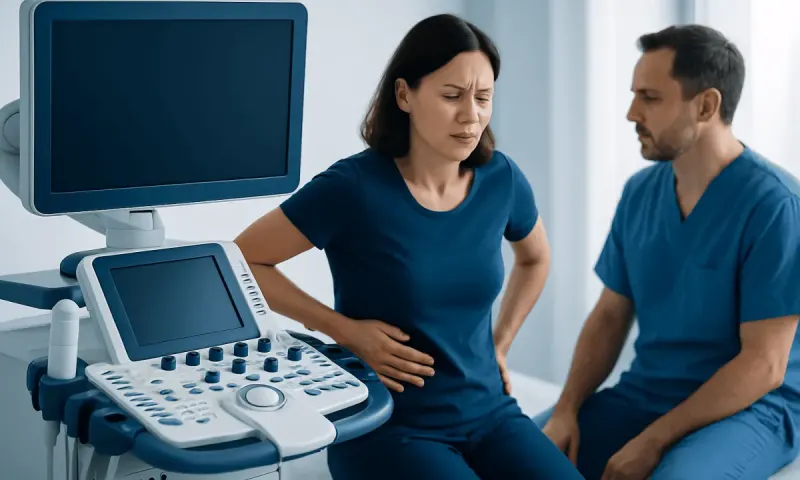
Stomach Pain on Navel Explained: Common Triggers and Red Flags
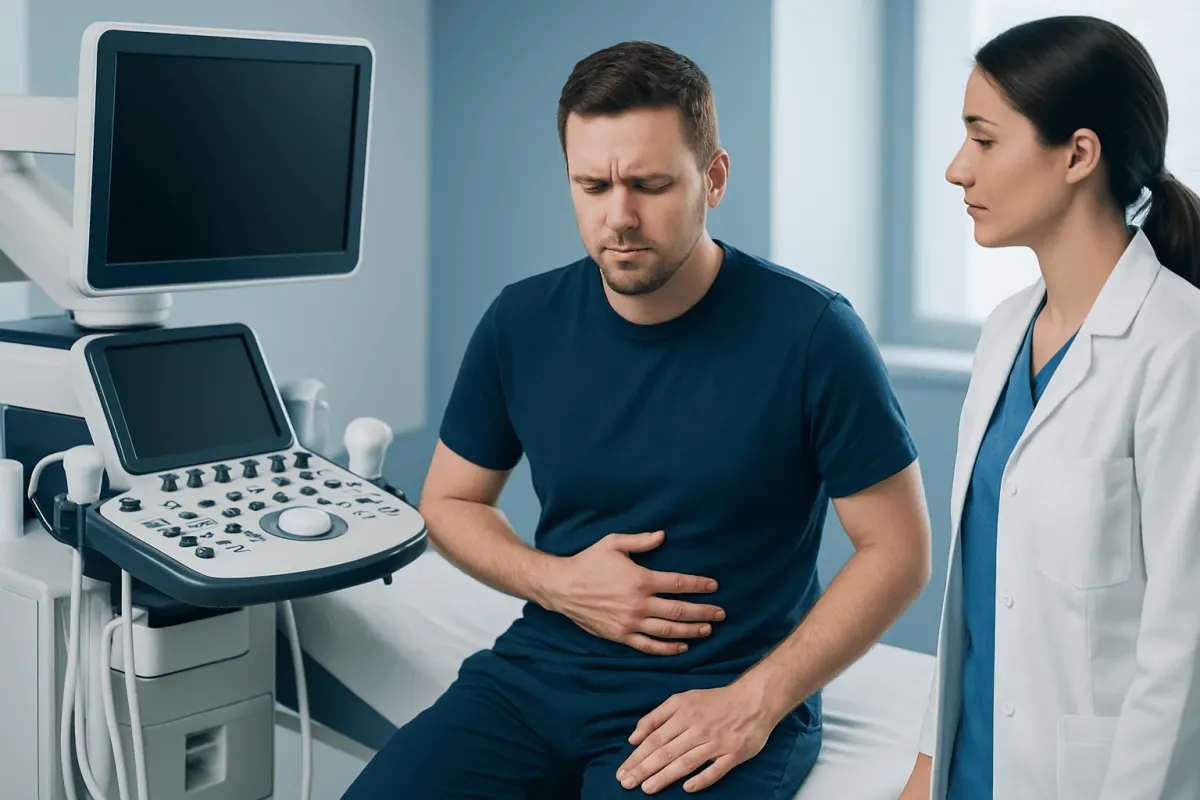
Stomach pain on navel is commonly linked to gas, indigestion, constipation, or a mild stomach infection, but the exact cause depends on where the pain started, how long it lasts, and what other symptoms appear. Pain around the belly button that is severe, persistent, or accompanied by fever, vomiting, swelling, or blood in stool needs medical assessment.
Overview: What stomach pain on navel usually means
Stomach pain on navel usually refers to pain felt in the center of the abdomen, around or just behind the belly button. In many people, this discomfort is related to the digestive tract and happens with common, non-serious problems such as trapped gas, constipation, indigestion, or a brief stomach infection. Because several organs can refer pain to this area, the meaning of the symptom depends on the full pattern, not just the location alone.
Doctors often look at the timing, intensity, and movement of the pain. For example, crampy pain that comes and goes may suggest bowel spasm or gas, while pain that steadily worsens can raise concern for inflammation or blockage. Some conditions begin as pain around the navel and later shift to another area of the abdomen.
The belly button region is a useful clue, but it is not enough for diagnosis by itself. Symptoms such as fever, nausea, diarrhea, bloating, loss of appetite, a visible lump, or pain that worsens with movement help narrow the cause. This is why medical assessment becomes important when stomach pain on navel is strong, persistent, or paired with other warning signs.
Common symptoms that may happen with pain around the belly button
Pain near the navel can feel different from one person to another. Some describe it as cramping, pressure, aching, burning, or sharp discomfort. The pain may be mild and short-lived, or it may come in waves and interfere with walking, eating, or sleeping.
Digestive symptoms often occur at the same time. These can include bloating, excessive gas, nausea, diarrhea, constipation, belching, loss of appetite, or a sense of fullness after small meals. If the stomach and intestines are irritated, the area may also feel tender when pressed.
Other accompanying symptoms can point to a more urgent problem. Important red flags include fever, repeated vomiting, inability to pass gas or stool, blood in vomit or stool, a hard or swollen abdomen, dehydration, or pain that becomes more localized over time. A bulge at or near the belly button may suggest a hernia.
- Cramping or wave-like pain may occur with gas, constipation, or viral infection.
- Burning or upper abdominal discomfort may overlap with indigestion.
- Tenderness and worsening pain may suggest inflammation.
- A visible lump near the navel may indicate an umbilical hernia.
Common causes and possible risk factors

The most frequent causes of stomach pain on navel are digestive. Gas can stretch parts of the intestine and create brief, moving discomfort. Constipation may cause central abdominal pressure, bloating, and cramping. Viral gastroenteritis can trigger pain with nausea or diarrhea, while indigestion may create discomfort that seems centered around the upper-middle abdomen and navel area.
Inflammatory conditions can also start with pain near the belly button. Early appendicitis classically begins around the navel before shifting to the lower right side, although this pattern is not the same in everyone. Inflammation of the intestines, food intolerance, or flare-ups of bowel disorders such as Crohn’s disease may also produce pain in the central abdomen, especially when there is diarrhea, weight loss, or ongoing symptoms.
A structural cause is another possibility. An umbilical hernia happens when tissue pushes through a weak area near the belly button and may cause aching, pressure, or a noticeable bulge. Rarely, small bowel obstruction can begin with crampy central pain, abdominal swelling, and vomiting. People with prior abdominal surgery, chronic constipation, heavy lifting, pregnancy, or obesity may have a higher risk of hernia or blockage-related problems.
Less commonly, pain felt around the navel may be referred from nearby organs. Problems involving the pancreas, gallbladder, or urinary tract can sometimes be felt in the middle abdomen. Because there is overlap among many causes, the overall symptom picture matters more than one sign alone.
How doctors evaluate stomach pain on navel
Evaluation starts with a medical history and physical examination. A doctor will usually ask when the pain began, whether it came on suddenly or gradually, whether it moves, what makes it better or worse, and whether there are symptoms such as fever, vomiting, bowel changes, or urinary complaints. They may also ask about medications, past surgery, recent travel, diet, pregnancy possibility, and family history of digestive disease.
During the physical exam, the abdomen is checked for tenderness, swelling, bowel sounds, guarding, and any bulge near the belly button. The location of tenderness helps guide next steps. If there is concern for dehydration, infection, appendicitis, a hernia, or bowel obstruction, more urgent testing may be needed.
Tests depend on the suspected cause. They may include blood tests, urine tests, stool tests, ultrasound, or CT imaging. In selected cases, endoscopic evaluation may help if symptoms suggest inflammation, ulcers, or persistent bowel disease. Imaging can be particularly helpful when doctors need to look for appendicitis, a hernia, or a blocked intestine, and advanced imaging may be part of the workup in some situations.
Treatment options depend on the cause
Treatment for stomach pain on navel is based on the underlying problem rather than the symptom alone. Mild pain from gas, simple indigestion, or temporary constipation may improve with hydration, dietary adjustments, rest, and time. A doctor may recommend symptom-relieving medicines when appropriate, but persistent or repeated symptoms should be reviewed before self-treating frequently.
If infection is the cause, care usually focuses on fluids, rest, and preventing dehydration. Inflammatory bowel conditions may need specialist assessment and a longer-term management plan. When symptoms suggest a chronic digestive condition, referral for gastroenterology evaluation can help clarify the diagnosis and guide treatment safely.
Some causes need urgent treatment. Appendicitis may require surgery, and a painful or trapped hernia can also become a surgical emergency. If a hernia is confirmed and causing symptoms, doctors may discuss hernia surgery to repair the weak area and reduce the risk of complications. Bowel obstruction, severe infection, or dehydration may require hospital care.
For patients who need broader assessment, a multidisciplinary approach can be useful, especially when symptoms are not straightforward. Near the end of the care pathway, some international patients choose centers such as Acıbadem Health Point, where multidisciplinary specialists in JCI-accredited hospitals evaluate abdominal pain and related digestive conditions.
Self-care and prevention for mild, short-term pain
When pain is mild and there are no warning signs, simple measures may help. Drinking enough fluids, eating light meals, and avoiding large, greasy, or highly spicy foods can reduce digestive strain. Gentle movement may help relieve gas, while regular meals and fiber intake may support bowel regularity for some people.
Good hygiene and food safety can lower the chance of stomach infections. Washing hands, storing food safely, and being cautious with high-risk foods are practical steps. If constipation is a repeated issue, daily habits such as staying active, drinking fluids, and discussing bowel-friendly nutrition with a clinician can be useful.
Prevention also includes noticing patterns. Keeping track of pain episodes, foods eaten, bowel changes, menstrual timing, and stress can help identify triggers. Frequent or recurring stomach pain on navel is not something to ignore, even if it improves between episodes, because repeated symptoms may point to an ongoing digestive condition that deserves medical review.
When to seek medical care
Medical care is appropriate if stomach pain on navel lasts more than a day or two, returns often, or interferes with eating, drinking, sleep, or normal activities. A doctor should also assess pain that is steadily getting worse, becomes very tender, or shifts to a specific part of the abdomen. Ongoing bowel changes, unexplained weight loss, or repeated nausea are also reasons to arrange an appointment.
Urgent or emergency care is needed if the pain is severe or sudden, or if it comes with fever, repeated vomiting, fainting, a swollen or hard abdomen, blood in stool or vomit, or inability to pass gas or stool. A tender bulge at the belly button, especially if it cannot be gently pushed back or becomes discolored, may suggest a trapped hernia and should be treated promptly. Pain that starts around the navel and then moves to the right lower abdomen can be a warning sign of appendicitis.
Children, older adults, pregnant people, and those with chronic illnesses may need earlier assessment because symptoms can be less typical or complications can develop more quickly. When in doubt, it is safest to seek professional medical advice rather than waiting for severe symptoms to appear.
Frequently asked questions
01Is stomach pain on navel usually serious?
Not usually. Many cases are caused by gas, constipation, indigestion, or a short-lived stomach infection. It becomes more concerning if the pain is severe, lasts, worsens, or comes with symptoms such as fever, vomiting, swelling, or blood in the stool.
02Can appendicitis start as pain around the belly button?
Yes. Early appendicitis often starts as vague pain around the navel before moving toward the lower right side of the abdomen. This pattern is a helpful clue, but not everyone has the same sequence, so medical assessment is important if the pain is getting worse.
03What does a hernia near the belly button feel like?
An umbilical hernia may feel like pressure, aching, or discomfort near the navel, often with a soft bulge that becomes more noticeable when coughing or straining. If the bulge becomes painful, firm, discolored, or cannot be pushed back, urgent care is needed.
04When should someone go to the emergency room for pain around the navel?
Emergency care is important for sudden severe pain, repeated vomiting, fainting, a hard or swollen abdomen, blood in stool or vomit, or inability to pass stool or gas. These signs can suggest a blockage, severe infection, appendicitis, or another urgent abdominal problem.
05Can gas cause stomach pain on navel?
Yes. Trapped gas commonly causes cramping or pressure in the middle of the abdomen and may come and go. Gas-related pain often improves after passing gas, moving around, or having a bowel movement, but ongoing pain should still be checked if it is unusual or persistent.
06How is the cause of stomach pain on navel diagnosed?
Doctors diagnose it by combining a symptom history, physical exam, and tests when needed. Depending on the situation, these may include blood work, urine or stool tests, ultrasound, or CT imaging to look for inflammation, infection, hernia, or obstruction.
This article is for general information only and is not a substitute for professional medical advice. Please consult a qualified doctor about your individual situation.
Persistent digestive symptoms? Get evaluated in Turkey
JCI-accredited · board-certified surgeons · reply within 24h
Add us as a Preferred Source to see more of our trusted health content across Google Search, AI Overviews and Discover.