Stiff Person Syndrome: Diagnosis, Outlook, and Modern Treatment Approaches
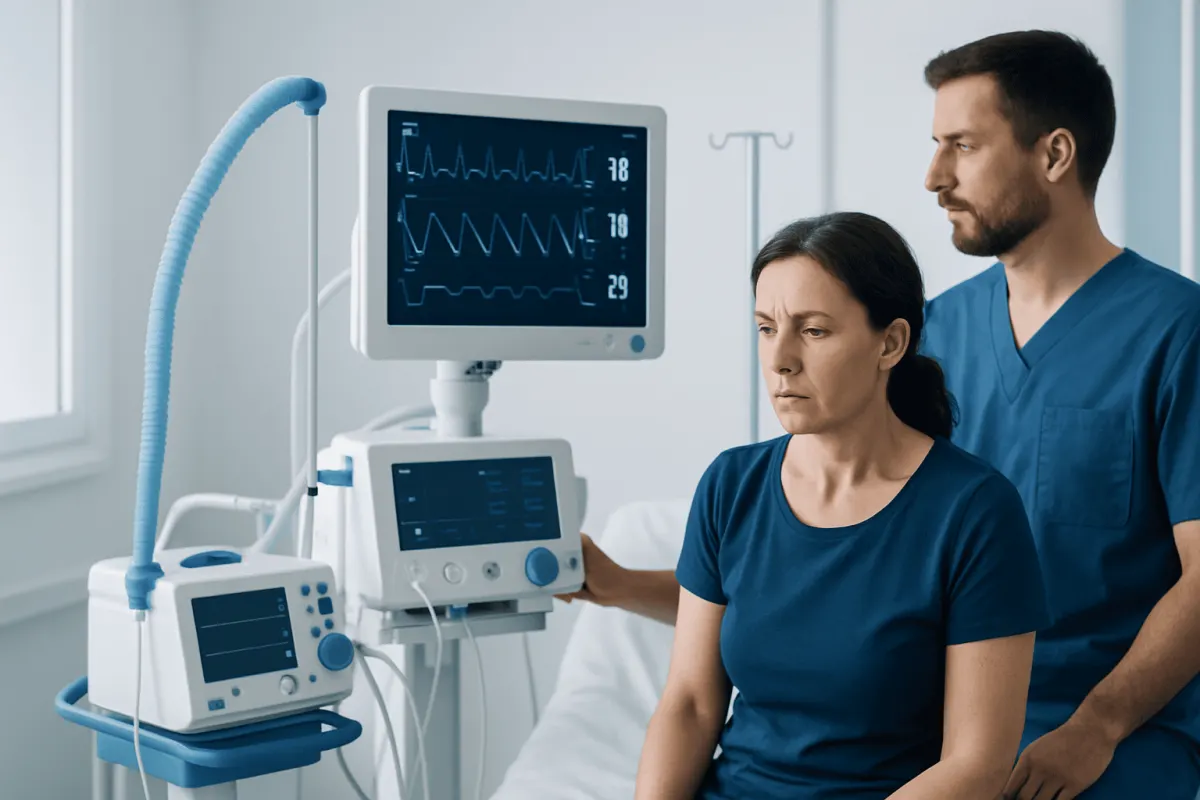
A loud door slam, and your whole back locks up. For some people, that isn’t nerves — it’s a sign of something rarer.
Stiff person syndrome is a rare autoimmune neurological disorder that causes progressive muscle stiffness and painful spasms, most often affecting the trunk and legs. There is no single cure. But finding it earlier, and treating it with the approaches available today, can ease symptoms, help you move better, and protect your quality of life.
What Is Stiff Person Syndrome?
Stiff person syndrome is a rare neurological condition in which the body’s muscles become abnormally rigid and prone to sudden, painful spasms. It is usually linked to an autoimmune process, meaning the immune system mistakenly targets parts of the nervous system involved in controlling muscle tone and movement. The condition most often affects the muscles of the trunk, lower back, and legs, but symptoms can spread to other areas over time.
The disorder can develop gradually, and early signs are sometimes mistaken for anxiety, orthopedic problems, or more common movement conditions. A person may first notice increasing stiffness, trouble walking, or spasms triggered by noise, touch, stress, or unexpected movement. Symptoms come and go, so unless a neurology team spots the pattern, the diagnosis can take a long time to arrive.
Stiff person syndrome is now understood as part of a broader spectrum. Some people have a classic form affecting the trunk and legs, while others have focal or variant forms involving a more limited region. In some patients, it may occur alongside other autoimmune diseases, and in others it can be associated with an underlying cancer, which is called a paraneoplastic form.
How It Affects the Body and Daily Life
In stiff person syndrome, the normal balance between signals that tighten muscles and signals that relax them becomes disrupted. This can lead to continuous muscle activity, even when a person is trying to rest. Over time, persistent stiffness may change posture, reduce flexibility, and make everyday movements more difficult.
Walking may become slow, cautious, and effortful. Some people develop a widened stance, reduced arm swing, or a tendency to freeze because they fear a sudden spasm or fall. The back may arch due to tight trunk muscles, and repeated muscle contractions can cause marked discomfort and fatigue.
The impact is not only physical. People may avoid crowded or noisy places if spasms are easily triggered. Concerns about mobility, independence, and unpredictability can also affect emotional well-being. Knowing what you are dealing with, and having a plan for it, takes away a lot of that uncertainty and helps you feel steadier again.
Symptoms and Common Triggers

The hallmark symptoms are muscle stiffness and painful spasms. Stiffness often begins in the lower back or abdomen and later involves the legs. In some cases, the neck, arms, or facial muscles can also be affected. Symptoms may come and go at first, but many people notice that rigidity gradually becomes more persistent.
Spasms can be brief or prolonged and may be intense enough to interfere with standing, walking, or breathing comfortably. They are commonly triggered by sudden sound, emotional stress, touch, cold, or unexpected movement. Some people also have an exaggerated startle response, which means routine stimuli can provoke severe muscle tightening.
Possible features include:
- Progressive stiffness in the trunk, back, or legs
- Painful muscle spasms
- Difficulty walking or maintaining balance
- Frequent falls or fear of falling
- Arching of the back due to rigid muscles
- Increased sensitivity to noise, touch, or stress
- Fatigue related to constant muscle activity
Because symptoms may resemble other conditions such as dystonia, spasticity, anxiety-related movement responses, or Parkinson's disease, specialist assessment is important. The pattern of trigger-sensitive spasms with axial rigidity can help distinguish stiff person syndrome from other neurological disorders.
Causes, Risk Factors, and Related Conditions
Most cases of stiff person syndrome are thought to be autoimmune. In many patients, blood tests show antibodies associated with the condition, especially antibodies against glutamic acid decarboxylase, often called GAD antibodies. These antibodies are not the only factor involved, but they can support the diagnosis when interpreted together with symptoms and examination findings.
Not everyone with the disorder has the same antibody profile. Some patients have other antibodies linked to inhibitory signaling in the nervous system, and a smaller group may have no detectable antibodies despite having a typical clinical picture. A specialist may therefore diagnose the condition based on the overall pattern rather than a single laboratory result.
Stiff person syndrome can occur together with other autoimmune diseases, such as type 1 diabetes, thyroid disease, pernicious anemia, or vitiligo. In some situations, especially when symptoms begin atypically or progress quickly, doctors may investigate for an underlying tumor because a paraneoplastic form is possible. Looking at the wider picture this way shapes both your treatment and your follow-up over the years.
How Stiff Person Syndrome Is Diagnosed
Diagnosis usually begins with a detailed medical history and neurological examination. A doctor looks for a characteristic combination of muscle rigidity, trigger-sensitive spasms, abnormal posture, and walking difficulty. Because the disease is rare, people are often referred to a neurologist with experience in movement disorders, neuroimmunology, or neuromuscular conditions.
Testing is used to support the diagnosis and rule out other causes. Blood tests may check for GAD and other relevant antibodies. Electromyography, or EMG, can show continuous involuntary muscle activity, which is a helpful clue. Brain or spine imaging may also be ordered to exclude structural causes of stiffness or spasticity, and some patients may need broader screening depending on age, symptoms, and suspected risk factors.
A diagnosis is often based on several pieces of evidence rather than one test alone. These may include:
- Typical symptoms and triggers
- Findings on neurological examination
- Positive autoimmune antibody tests
- EMG evidence of ongoing muscle activity
- Exclusion of other neurological or orthopedic disorders
Since several specialists are usually involved, it helps to have your neurological assessment, neurological rehabilitation, and follow-up planned together rather than piecemeal. In complex cases, doctors may also consider overlap with other autoimmune or movement conditions before confirming the diagnosis.
Modern Treatment Approaches and Long-Term Outlook
Treatment aims to reduce stiffness and spasms, improve mobility, and address the underlying immune process where possible. Most care plans combine symptom-relieving medicines with immunotherapy and rehabilitation. The exact approach depends on symptom severity, how quickly the condition is progressing, and whether there are associated autoimmune or paraneoplastic features.
Medicines that calm overactive muscle activity are often used to reduce rigidity and painful spasms. Immunomodulating treatments may also be considered in appropriate patients to help control the autoimmune component. These can include therapies given by infusion or other specialist-directed options, sometimes alongside physical therapy and rehabilitation to improve gait, flexibility, and confidence with movement.
Supportive care is not an afterthought. Stretching programs, fall-prevention strategies, pain management, and psychological support all matter when symptoms are taking over your daily life. If doctors suspect an associated tumor or another neurological problem, further targeted treatment may be needed, including evaluation through services such as neurology or, in selected cases, MRI imaging.
The outlook varies from person to person. Some individuals respond well and remain active with long-term management, while others have more persistent disability. Earlier recognition usually helps because treatment can begin before stiffness, falls, and postural changes become more advanced. Although stiff person syndrome is typically chronic, many people can achieve meaningful symptom control and better function with regular follow-up.
Self-Care, Safety, and Living With the Condition
Daily routines can make a practical difference for someone living with stiff person syndrome. Many people benefit from pacing activities, allowing extra time for movement, and avoiding known triggers when possible. Warmth, gentle stretching, and a calm environment may help reduce muscle tension, though these measures do not replace medical treatment.
Home safety is especially important if balance is affected. Removing tripping hazards, using supportive footwear, adding handrails, and considering mobility aids can help reduce the risk of falls. It may also be useful to plan travel and public outings carefully if sudden noise or crowding tends to trigger spasms.
Ongoing rehabilitation can support strength, posture, and flexibility while teaching safe movement strategies. Emotional support matters as well, since chronic symptoms can be isolating. When you and your family understand the condition, it makes more sense why symptoms rise and fall, and why so many different specialists stay involved.
Coordinated specialist care makes a real difference with a condition like this. At Acıbadem Health Point, multidisciplinary specialists and JCI-accredited hospitals diagnose and treat complex neurological conditions for international patients, with a care plan built around you.
When to Seek Medical Care
Medical evaluation is important if a person develops unexplained muscle stiffness, repeated painful spasms, difficulty walking, or falls without a clear cause. Symptoms that are triggered by sudden sound, touch, or emotional stress can also be an important clue and should be discussed with a doctor, especially if they are worsening over time.
Urgent medical attention is needed if spasms interfere with breathing, cause significant injury, or lead to sudden loss of mobility. A prompt review is also advisable when symptoms appear together with rapid weight loss, severe new pain, or other signs that could suggest a broader underlying illness.
Because stiff person syndrome is uncommon and can resemble other disorders, specialist neurological assessment can be helpful even when symptoms seem mild at first. Getting checked early can shorten the road to a diagnosis and let treatment start before your mobility and independence take a bigger hit.
Frequently asked questions
01Is stiff person syndrome curable?
There is currently no single cure for stiff person syndrome. However, many people improve with a combination of symptom-relieving medicines, immunotherapy, rehabilitation, and regular specialist follow-up.
02What are the first signs of stiff person syndrome?
Early signs often include stiffness in the lower back, abdomen, or legs, along with muscle tightness that gradually becomes more noticeable. Some people also develop painful spasms, unsteady walking, or sensitivity to sudden noise, touch, or stress.
03Is stiff person syndrome an autoimmune disease?
In most cases, yes. It is commonly linked to an autoimmune process in which the immune system affects pathways that normally help muscles relax, and many patients have detectable antibodies such as GAD antibodies.
04How do doctors confirm stiff person syndrome?
Doctors usually combine a neurological examination with blood tests, electromyography, and sometimes imaging or other studies to rule out similar conditions. The diagnosis is based on the overall clinical picture rather than one test alone.
05Can stiff person syndrome be mistaken for anxiety or another movement disorder?
Yes, especially in the early stages. Because spasms may be triggered by stress and the condition is rare, it can be confused with anxiety-related symptoms, orthopedic problems, or neurological disorders such as dystonia or Parkinsonian syndromes.
06What treatments are used for stiff person syndrome?
Treatment may include medicines that reduce muscle rigidity and spasms, along with therapies that target the immune system in selected patients. Rehabilitation, fall prevention, stretching, and supportive care are also important parts of long-term management.
This article is for general information only and is not a substitute for professional medical advice. Please consult a qualified doctor about your individual situation.
Joint and spine care in Turkey — expert assessment & treatment
JCI-accredited · board-certified surgeons · reply within 24h
Add us as a Preferred Source to see more of our trusted health content across Google Search, AI Overviews and Discover.