Stiff Neck and Sore Throat: Causes and Warning Signs
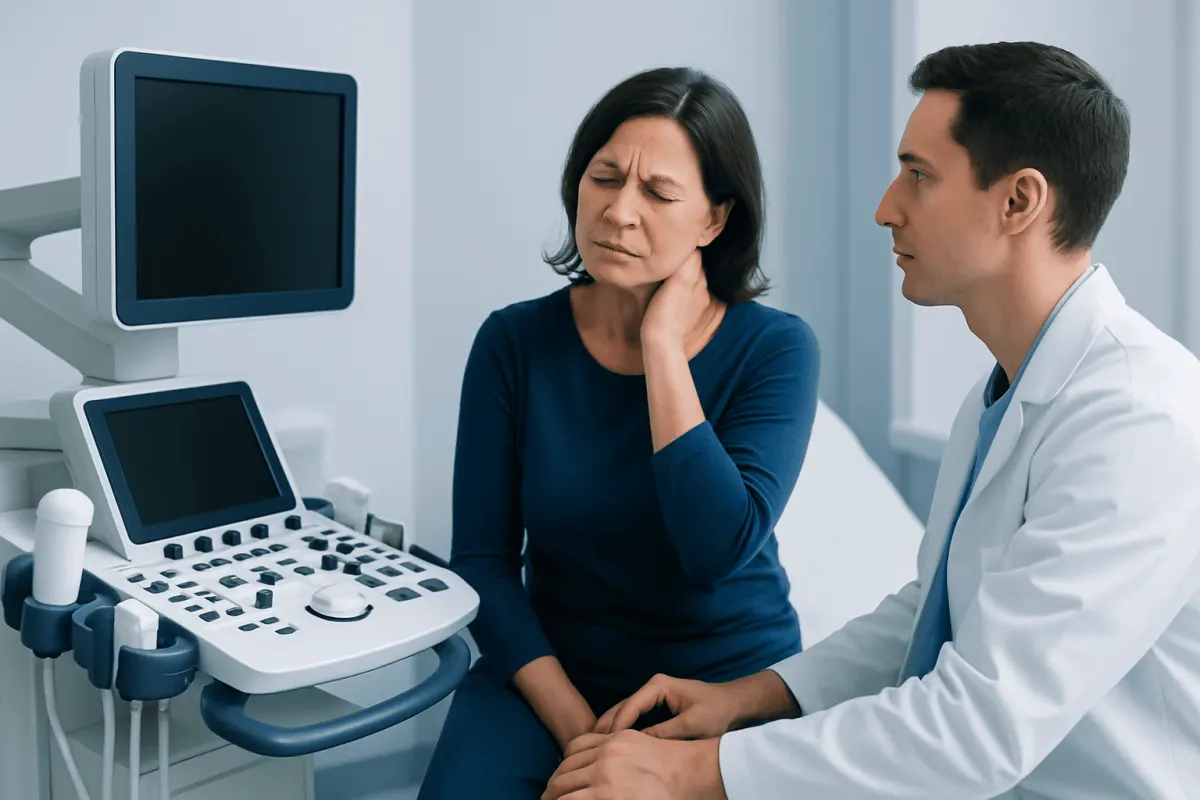
A stiff sore neck and sore throat commonly occur together during a cold, flu-like illness, throat infection, or after muscle tension and poor sleeping posture. Most cases improve with rest and supportive care, but certain symptoms can signal a condition that needs urgent medical assessment.
Overview: Why a Sore Throat and Stiff Neck Can Occur Together
A stiff sore neck sore throat combination is most often related to a common viral infection, such as a cold or influenza-like illness, together with tender lymph nodes or tight neck muscles. The throat may feel scratchy, dry, or painful when swallowing, while the neck can feel sore when turning the head or looking down. These symptoms often settle over several days with rest, fluids, and simple comfort measures.
The neck contains muscles, lymph nodes, nerves, and structures that help support swallowing and breathing. When the throat becomes inflamed, nearby lymph nodes may enlarge as part of the immune response. This can create tenderness beneath the jaw or along the sides of the neck. Coughing, reduced sleep, dehydration, and holding the head in a guarded position because swallowing hurts can also make neck muscles feel tight.
Less commonly, a sore throat and marked neck stiffness can be associated with a more serious infection. The key is not to assume that every stiff neck is dangerous, but to recognize warning signs such as high fever, a severe or unusual headache, confusion, sensitivity to light, a rash, breathing problems, drooling, or inability to swallow. These symptoms should be assessed urgently.
How the Symptoms May Feel
The pattern of symptoms can provide useful clues, although it cannot confirm a diagnosis without a clinical assessment. With a viral illness, people may also have a runny or blocked nose, cough, hoarse voice, tiredness, body aches, or low-grade fever. Neck discomfort is usually muscular or related to tender lymph nodes and tends to be worse with movement or pressure on the affected area.
Throat symptoms may include pain when swallowing, redness, a sensation of swelling, swollen tonsils, or white patches on the tonsils. White patches can occur with several conditions and do not by themselves prove a bacterial infection. A clinician considers the full picture, including age, duration of symptoms, examination findings, and test results when deciding whether treatment is needed.
Neck stiffness can range from mild tightness to difficulty turning the head. Mild stiffness that improves with warmth and gentle movement is commonly muscular. In contrast, a neck that is very difficult to bend forward, especially when accompanied by fever and severe headache, needs urgent medical evaluation. Children may show symptoms differently, including unusual sleepiness, irritability, poor feeding, or refusing to move the neck.
- Common accompanying symptoms: cough, nasal congestion, fatigue, tender neck glands, and mild fever.
- Symptoms that merit timely review: persistent fever, worsening one-sided throat pain, swollen neck, or symptoms lasting longer than expected.
- Emergency warning signs: trouble breathing, inability to swallow saliva, confusion, fainting, seizure, severe headache, rash with fever, or rapidly worsening symptoms.
Common Causes and Important Possibilities

Viral upper respiratory infections are the leading cause of sore throat symptoms. Viruses can inflame the lining of the throat and activate nearby lymph nodes, producing neck tenderness. Influenza, COVID-19, and other respiratory viruses can also cause muscle aches, including aches in the neck and shoulders. Testing may be appropriate depending on local guidance, individual risk factors, and symptoms.
Bacterial throat infections, including streptococcal pharyngitis, are another possibility. They may cause sudden throat pain, fever, tender glands in the front of the neck, and swollen tonsils. Cough and nasal symptoms are often less prominent with strep throat, but symptoms overlap considerably. A rapid test or throat culture may be used to clarify whether antibiotics are likely to help.
Other causes include tonsillitis, postnasal drip from allergies or sinus irritation, acid reflux, dehydration, and voice strain. Sleeping in an awkward position, prolonged desk work, stress-related muscle tension, or an exercise-related strain may contribute to a stiff neck independently of the sore throat. In these cases, the two symptoms may occur at the same time without sharing one single cause.
Rarely, deeper infections around the tonsils or behind the throat can produce severe pain, neck swelling, muffled speech, difficulty opening the mouth, drooling, or difficulty breathing. Meningitis is another uncommon but important cause of fever, headache, and significant neck stiffness. These conditions require urgent assessment rather than home treatment.
Who May Be More Likely to Develop These Symptoms
Exposure to respiratory viruses is more likely in crowded indoor settings, schools, workplaces, and households where someone is unwell. Poor sleep, high stress, smoking or exposure to smoke, and dry air can irritate the throat or affect the body’s ability to recover comfortably. Frequent voice use may also worsen throat irritation.
Children and adolescents may be more likely to have certain throat infections, including strep throat, while young children may have difficulty describing the exact location or severity of pain. Older adults and people with weakened immune systems may not always develop typical symptoms, so a lower threshold for medical advice can be appropriate if they feel significantly unwell.
People with recurrent tonsil infections, chronic sinus problems, untreated reflux, allergies, or ongoing neck pain may experience repeat episodes. A healthcare professional can help distinguish whether repeated symptoms are due to infections, environmental triggers, muscle and posture factors, or another underlying issue.
How Doctors Assess a Stiff Neck and Sore Throat
A clinician will usually ask when the symptoms began, whether they are improving or worsening, and whether there has been fever, cough, headache, rash, nausea, breathing difficulty, exposure to illness, or recent travel. They may also ask about medical conditions, medications, immune status, and whether the person has had similar episodes before.
The examination often includes looking at the throat, tonsils, ears, nose, and mouth, feeling for swollen lymph nodes, checking the range of neck movement, and measuring vital signs. The clinician will look carefully for signs of dehydration, airway swelling, a deep neck infection, or neurological symptoms that could require urgent investigation.
A throat swab for strep testing may be recommended when bacterial infection is suspected. Depending on the situation, tests for respiratory viruses, blood tests, or imaging of the neck may be considered. Imaging is generally reserved for concerning symptoms such as a visible neck swelling, severe one-sided pain, limited mouth opening, concern about an abscess, injury, or symptoms that do not fit a straightforward viral illness.
Treatment and Supportive Care
Treatment depends on the cause. Viral infections usually do not need antibiotics and improve with supportive measures. Rest, regular fluids, warm drinks, soups, throat lozenges for those old enough to use them safely, and a humidified environment may ease discomfort. Gargling with warm salt water may be soothing for adults and older children who can gargle safely without swallowing the solution.
For muscular neck soreness, gentle movement is generally better than keeping the neck completely still. A warm compress or shower may help relax tight muscles. Attention to posture, a supportive sleeping position, and breaks from screens or desk work can reduce strain. Pain-relieving medicines may be suitable for some people, but they should be used according to the product label and with advice from a pharmacist or doctor when there are medical conditions, pregnancy, or medication interactions.
If testing confirms or strongly suggests a bacterial infection for which antibiotics are appropriate, a clinician may prescribe them. Antibiotics should not be started without medical advice, and any prescribed course should be taken exactly as directed. They do not treat viral infections and can cause side effects when used unnecessarily.
It is sensible to avoid smoking, vaping, and alcohol while the throat is irritated. Maintaining hydration is especially important when swallowing is painful; small, frequent sips can be easier than large drinks. If symptoms are not improving, are repeatedly returning, or are interfering with eating, drinking, or normal activities, medical review is advisable.
When to Seek Medical Care
Same-day medical advice is appropriate for a sore throat with persistent or high fever, worsening neck pain or swelling, severe pain on one side of the throat, pus on the tonsils, ear pain, symptoms lasting more than about a week without improvement, or recurrent episodes. Assessment is also important for people who are immunocompromised, pregnant, or managing significant chronic health conditions.
Emergency care is needed if there is difficulty breathing, noisy breathing, inability to swallow liquids or saliva, drooling, a muffled or altered voice, marked difficulty opening the mouth, rapidly increasing neck swelling, severe weakness, or signs of dehydration such as very little urine. These may indicate significant throat or airway swelling or a deeper infection.
Urgent assessment is also needed for neck stiffness together with fever, a severe headache, sensitivity to light, confusion, fainting, seizures, a new rash, or extreme drowsiness. These symptoms can occur in serious infections affecting the tissues around the brain and spinal cord and should not be managed at home. Acıbadem Health Point’s multidisciplinary specialists and JCI-accredited hospitals can assess throat, neck, and infectious symptoms for international patients when specialist care is needed.
Frequently asked questions
01Can a sore throat cause a stiff neck?
Yes. Inflammation in the throat can make nearby lymph nodes tender, and pain when swallowing may lead a person to tense their neck muscles. Viral infections can also cause general muscle aches. However, severe stiffness with fever, severe headache, rash, or confusion needs urgent medical assessment.
02Is a stiff neck and sore throat always a sign of meningitis?
No. Most people with these symptoms have a common viral illness, throat infection, or neck muscle strain rather than meningitis. Meningitis is uncommon but serious, and it may cause marked neck stiffness along with fever, severe headache, light sensitivity, vomiting, rash, confusion, or unusual drowsiness. Emergency care is important if these warning signs occur.
03Should antibiotics be used for a sore throat and neck pain?
Antibiotics are only useful for certain bacterial infections, such as confirmed or strongly suspected strep throat. Many sore throats are caused by viruses, which do not improve with antibiotics. A clinician may recommend a throat swab or rapid test before deciding on treatment.
04How long should a stiff sore neck and sore throat last?
A mild viral sore throat often begins improving within several days, although fatigue or congestion can last longer. Muscle-related neck tightness may also ease over a few days with rest, gentle movement, and posture changes. Medical advice is recommended if symptoms worsen, remain significant after about a week, or repeatedly return.
05What can help a sore throat with neck stiffness at home?
Drinking fluids, resting, using warm drinks or soothing lozenges, and avoiding smoke can help throat discomfort. A warm compress and gentle neck movement may help muscle tightness. People should check with a healthcare professional or pharmacist before using pain medicines if they have relevant medical conditions, take regular medicines, or are pregnant.
06Can swollen lymph nodes cause neck pain with a sore throat?
Yes. Lymph nodes in the neck can become swollen and tender while the immune system responds to an infection in the throat, nose, ears, or upper airways. They usually reduce in size as the infection improves. A node that is rapidly enlarging, very painful, hard, fixed in place, or persists after recovery should be assessed by a clinician.
This article is for general information only and is not a substitute for professional medical advice. Please consult a qualified doctor about your individual situation.
Joint and spine care in Turkey — expert assessment & treatment
JCI-accredited · board-certified surgeons · reply within 24h
Add us as a Preferred Source to see more of our trusted health content across Google Search, AI Overviews and Discover.