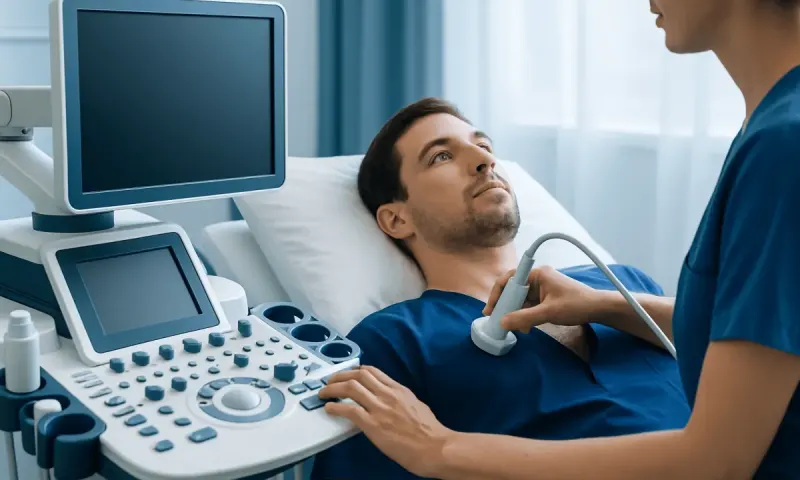
The Sternum Protects the Chest and Can Be a Source of Pain

Pain right in the middle of your chest can be frightening. Is it your heart? A pulled muscle? Something else? Often, the answer involves the sternum — the flat bone at the center of your chest that most people call the breastbone. It protects vital organs and supports the rib cage.
If you’re reading about the sternum, chances are you’re dealing with pain, tenderness, or an injury there. The causes range widely, from a simple muscle strain to conditions that need prompt medical attention.
Overview: what the sternum is and why it matters
The sternum is the flat bone in the middle of the chest, commonly called the breastbone. It sits at the front of the rib cage and connects with the collarbones and several ribs through cartilage. Its main job is structural and protective: it helps form the front wall of the chest and shields important organs, especially the heart and lungs.
Many people look up the sternum because they feel pain, pressure, clicking, or tenderness in the center of the chest. In many cases, the cause is related to the chest wall itself, such as muscle strain, inflammation, or minor injury. But not all chest pain comes from the sternum. Look at the bigger picture, especially if your symptoms are severe, sudden, or come with breathing difficulty.
The sternum is also important in medicine because it can be affected by trauma, overuse, arthritis, infection, and, more rarely, tumors. It is also the bone divided during some types of heart surgery and then carefully repaired. Knowing what this bone normally does can help you make sense of your symptoms — and know when to get checked.
Sternum anatomy and function
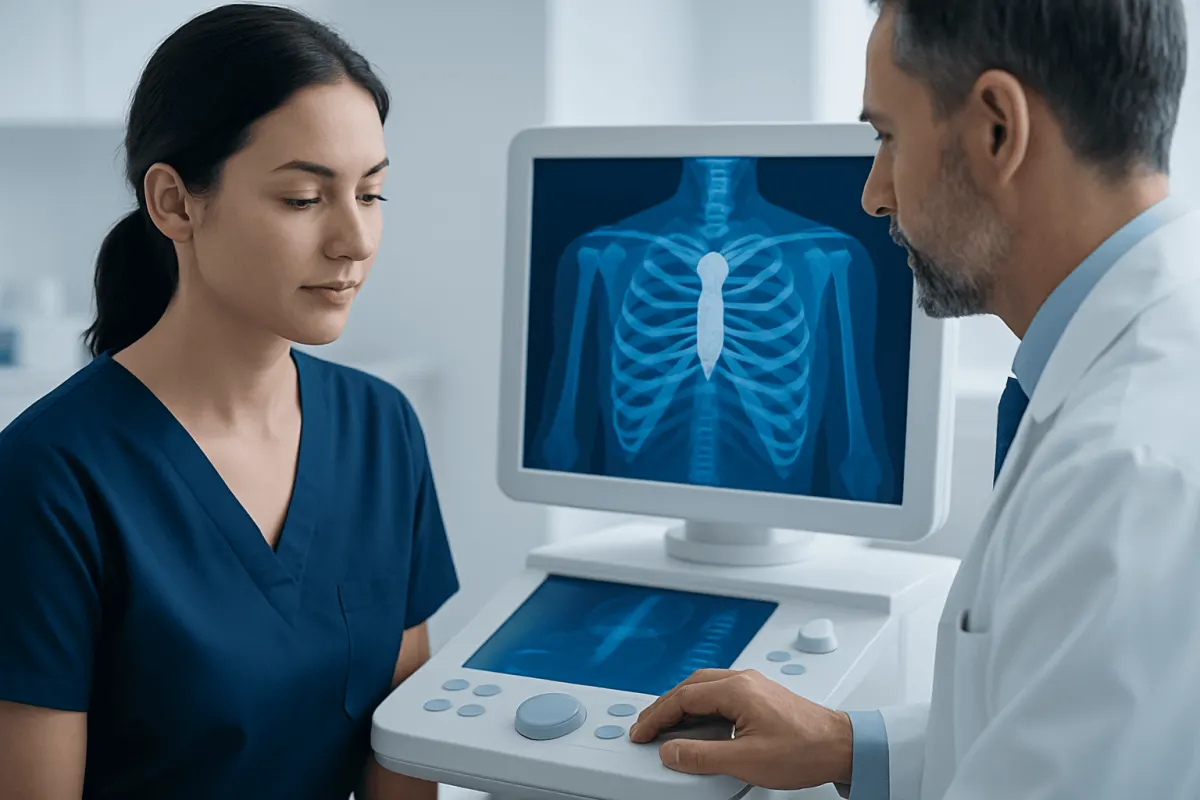
The sternum has three main parts: the manubrium at the top, the body in the middle, and the xiphoid process at the bottom. The manubrium joins the clavicles at the sternoclavicular joints and connects to the first ribs. The body is the longest section and attaches to most of the costal cartilages of the upper ribs. The xiphoid process is the smallest lower tip and can vary in shape from person to person.
Rather than moving freely like an arm or leg bone, the sternum works as part of a stable but flexible framework. Through its connections to rib cartilage, it helps the chest expand and contract during breathing. Muscles of the chest, neck, and upper abdomen also attach in this region, which helps explain why overuse, coughing, lifting, and twisting can trigger pain near the breastbone.
Because the sternum lies close to the heart, lungs, esophagus, and major blood vessels, symptoms felt in this area do not always come from the bone itself. Conditions involving the chest wall can overlap with problems such as reflux, lung irritation, or cardiovascular disease. That’s one reason a doctor should look at chest symptoms in context, rather than assuming it’s simple bone pain.
Common symptoms linked to the sternum
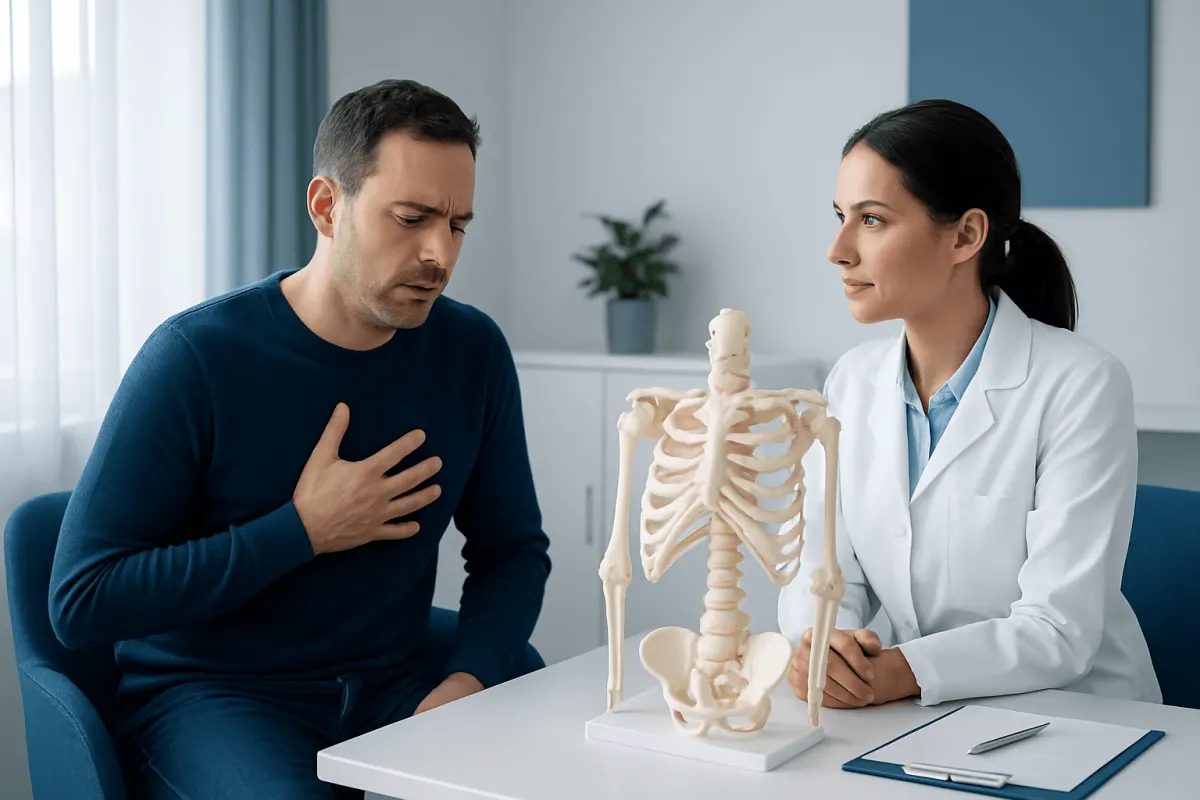
Sternum-related symptoms can feel different depending on the cause. Some people notice a sharp pain when taking a deep breath, coughing, stretching, or pressing on the chest. Others describe an aching, burning, bruised, or tight sensation in the center of the chest. There may also be swelling, tenderness, or a feeling of popping or clicking with movement.
Symptoms may begin suddenly after an accident, fall, sports impact, intense exercise, or repetitive lifting. In other situations, they develop gradually, especially after frequent coughing, poor posture, or strain in the chest and shoulder muscles. Pain from inflammation where the ribs meet the breastbone can be very localized and may worsen with touching the area.
Some symptoms suggest that the source may not be the sternum alone. Warning features include chest pressure, pain spreading to the arm, jaw, back, or shoulder, marked shortness of breath, dizziness, fever, or symptoms that begin with exertion. If you notice any of these, doctors will want to check your heart, lungs, digestive system, or blood vessels — not just assume it’s a muscle or bone problem.
Causes of sternum pain and injury
One of the most common reasons for sternum pain is chest wall inflammation, often called costochondritis when it affects the cartilage connecting the ribs to the breastbone. This can happen after repeated coughing, upper body strain, or sometimes without a clear trigger. Muscle strain in the pectoral muscles or nearby soft tissues can cause similar discomfort, especially after weight training, lifting, or sudden twisting movements.
Direct trauma is another important cause. A seatbelt injury, sports collision, fall, or blow to the chest can bruise or fracture the sternum. A fracture may cause significant tenderness, pain with breathing, and swelling. Sometimes sternum pain is part of a broader chest injury involving the ribs or nearby joints, such as the sternoclavicular joint.
Less common causes include arthritis, joint irritation, infection, and inflammatory conditions. In some people, acid reflux or esophageal spasm may create pain behind the breastbone rather than within it. Heart and lung problems can also produce central chest pain, so doctors may need to rule out conditions such as heart disease or lung conditions when symptoms are unclear or concerning.
After surgery involving the breastbone, pain may come from the healing process itself or, less commonly, from delayed healing or infection. Persistent pain, redness, drainage, or fever after chest surgery should be assessed promptly. In selected patients with structural injury or complications, specialized cardiovascular surgery or chest wall care may be part of treatment planning.
How doctors diagnose sternum problems
Diagnosis starts with a careful history and physical examination. A doctor will ask when the pain began, what makes it better or worse, whether there was an injury, and whether symptoms are linked to breathing, movement, meals, or exercise. They may gently press along the sternum and ribs, assess the shoulders and spine, and listen to the heart and lungs.
If the findings suggest a chest wall cause and symptoms are mild, extensive testing may not be needed right away. However, imaging is often useful after trauma or when pain is persistent. X-rays can sometimes detect fractures, while computed tomography may provide a more detailed view of the sternum and surrounding chest structures. In certain cases, doctors may also request MRI to evaluate soft tissues, inflammation, or less obvious injury.
When there is concern about non-musculoskeletal causes, testing may be broader. An electrocardiogram, blood tests, or chest imaging may be used to assess the heart, lungs, or other organs. If symptoms suggest upper digestive involvement, a doctor may also consider gastroenterology evaluation. The point isn’t just to find a sternum problem — it’s to safely rule out anything more serious.
Treatment options and recovery
Treatment depends on the underlying cause. For uncomplicated muscle strain or inflammation, doctors often recommend rest from aggravating activities, posture correction, and short-term measures to reduce discomfort, such as cold or heat depending on the situation. Gentle return to movement is usually encouraged once symptoms begin to settle, because prolonged guarding can make chest wall stiffness worse.
If pain is related to costochondral irritation or soft tissue strain, recovery may take days to weeks. A clinician may suggest physical therapy when symptoms are recurrent, movement-related, or linked to posture, shoulder mechanics, or overuse. In some cases, physical therapy and rehabilitation can help improve chest mobility, breathing mechanics, and muscle balance.
Sternal fractures are treated according to severity. Many stable fractures heal with conservative care and close follow-up, while more complex injuries may require hospital observation, especially if there are concerns about associated heart or lung injury. Severe trauma can require advanced imaging, monitoring, and occasionally surgical repair.
Treatment is different when pain comes from another source, such as reflux, infection, inflammatory disease, or a heart problem. For example, chest pain related to coronary artery disease is managed very differently from a chest wall strain and may involve cardiology care. If your symptoms keep coming back or nobody can explain them, seeing a specialist is the safest way to find the right plan.
Self-care, prevention, and daily habits
Many sternum-related symptoms can be reduced by protecting the chest wall from overuse and repetitive strain. Good lifting technique, gradual progression in exercise, and attention to posture may help reduce stress across the front of the chest. Taking breaks from repetitive pushing, pulling, or upper-body training can also be helpful, especially after a flare of pain.
For people with pain triggered by coughing, treating the underlying cough and supporting the chest when coughing may reduce irritation. If symptoms seem to worsen after meals or when lying down, it may be useful to discuss reflux with a doctor, since discomfort behind the breastbone can sometimes be digestive rather than musculoskeletal.
Self-care should be cautious and practical. It is generally wise to avoid returning too quickly to intense chest workouts, contact sports, or heavy lifting while the area is still painful. And if you have ongoing swelling, a visible deformity, or pain that wakes you at night, stop self-treating and see a doctor.
At the end of recovery, many people benefit from strengthening the upper back, shoulder, and core muscles to improve chest mechanics. This can reduce the chance of recurring strain in the front of the chest. A clinician or therapist can help tailor a safe progression based on the cause of symptoms and the person’s activity level.
When to seek medical care
Medical care is important whenever chest pain is severe, new, unexplained, or associated with shortness of breath, fainting, sweating, nausea, or pain spreading to the arm, jaw, back, or shoulder. These can be signs of an urgent heart or lung problem — don’t assume they’re coming from the breastbone. Immediate evaluation is also appropriate after major trauma, such as a car accident, strong blow to the chest, or a fall from height.
Patients should also contact a doctor if sternum pain lasts more than a few days without improving, keeps returning, or makes normal breathing and movement difficult. Fever, redness, warmth, drainage, or marked swelling may suggest infection or another inflammatory process. A popping sensation after surgery or injury should also be assessed.
For international patients who need coordinated assessment, Acıbadem Health Point’s multidisciplinary specialists and JCI-accredited hospitals evaluate chest pain, trauma, musculoskeletal disorders, and related cardiac or respiratory conditions. Care is based on the likely cause and may involve imaging, rehabilitation, or specialist consultation.
Frequently asked questions
01What is the sternum?
The sternum is the breastbone in the center of the chest. It connects with the collarbones and several ribs through cartilage and helps protect the heart and lungs.
02Is sternum pain always serious?
No. Sternum pain is often caused by muscle strain, inflammation, coughing, or a minor injury to the chest wall. However, chest pain can sometimes come from the heart, lungs, or digestive system, so new, severe, or unexplained pain should be assessed by a doctor.
03Can the sternum be fractured?
Yes. The sternum can fracture after direct trauma, such as a car accident, sports injury, or fall. A fracture may cause significant tenderness, swelling, and pain with breathing or movement, and it should be medically evaluated.
04How do doctors tell whether pain is from the sternum or the heart?
Doctors look at the pattern of symptoms, examine the chest, and consider factors such as injury, tenderness, exertion, and breathing. If there is any concern about a heart problem, they may use tests such as an electrocardiogram, blood tests, or imaging.
05What does costochondritis have to do with the sternum?
Costochondritis is inflammation of the cartilage where the ribs join the breastbone. It often causes sharp or aching pain near the sternum that may worsen with pressure, deep breathing, or certain movements.
06How long does sternum pain usually last?
Recovery depends on the cause. Mild strain or inflammation may improve over days to weeks, while fractures or post-surgical pain can take longer and may need follow-up care. Persistent or worsening symptoms should be reviewed by a clinician.
This article is for general information only and is not a substitute for professional medical advice. Please consult a qualified doctor about your individual situation.
Joint and spine care in Turkey — expert assessment & treatment
JCI-accredited · board-certified surgeons · reply within 24h
Add us as a Preferred Source to see more of our trusted health content across Google Search, AI Overviews and Discover.