Stem Cell Patches: Are the Best Claims Supported?
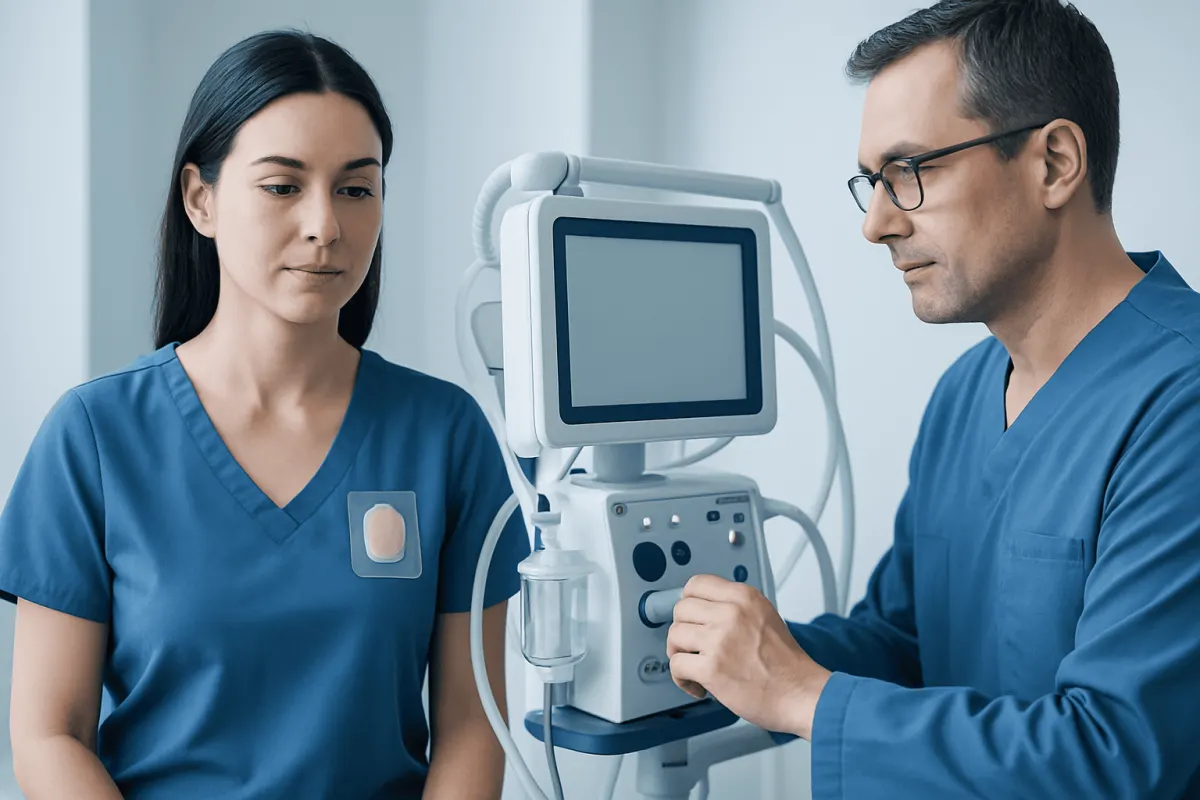
There are no stem cell patches that have been shown to deliver living stem cells through the skin or to reliably treat medical conditions. The safest choice is to avoid products making broad regenerative claims and discuss evidence-based treatment options with a qualified clinician.
Overview: choosing the best stem cell patches safely
The best stem cell patches are not a particular brand or product: no skin patch has been proven to deliver living stem cells through intact skin or to treat disease through “stem cell activation.” Products sold online may use terms such as regenerative, cellular renewal, peptide, light therapy or stem-cell-supporting, but these descriptions do not establish that a product is a medically validated stem cell treatment.
Skin patches can deliver some small medicines through the skin when they are specifically formulated and clinically tested for that purpose. Stem cells, however, are living cells and are much larger and more complex than the substances used in conventional transdermal patches. Claims that a patch can reliably stimulate the body to produce stem cells, repair organs or reverse chronic illness should be approached cautiously.
For a person considering regenerative medicine, the most useful first step is to identify the medical concern being addressed and obtain an assessment from an appropriately qualified doctor. Evidence-based care may include rehabilitation, medicines, surgery or, in selected circumstances, a regulated cell-based treatment or clinical trial.
How stem cell patches are claimed to work
Companies may describe stem cell patches in different ways. Some say that materials in the patch reflect or alter light at the skin, influence signalling pathways, support circulation, release plant-derived substances, or trigger the body’s own repair processes. These explanations are not the same as demonstrating a meaningful clinical benefit in well-designed studies involving people.
A true transdermal treatment must show that its active substance crosses the skin at a predictable dose, reaches an appropriate target in the body and improves a relevant health outcome safely. For stem cells, this would also require evidence that viable cells survive storage and application, cross the skin barrier, reach the intended tissue and function as intended. Such evidence is not available for consumer stem cell patches.
It is important to distinguish patches from medically supervised cell therapies. In established settings, cell-based treatments are processed, selected and administered for a specific indication under strict protocols. They are not interchangeable with wellness products marketed for general regeneration.
What are the best stem cell patches?

There is no evidence-based ranking of the best stem cell patches because no consumer patch has been established as an effective stem cell therapy. A product should not be considered a proven treatment simply because it uses scientific-sounding language, has positive online reviews or is promoted by an athlete, influencer or public figure.
People evaluating a patch can look for transparent, verifiable information: the exact ingredients, intended use, known side effects, manufacturer details and the type of regulatory authorization applicable in their country. Claims should be supported by independent, peer-reviewed human studies that evaluate the specific product and the specific outcome claimed—not laboratory findings, animal studies or research on unrelated treatments.
Broad promises deserve particular caution. Claims to treat pain, diabetes, neurological illness, ageing, immune conditions, cancer or multiple unrelated problems with one patch are not consistent with how evidence-based treatments are normally evaluated. A clinician or pharmacist can help review whether a product’s ingredients may cause skin reactions or interact with existing care.
Are stem cell patches legitimate?
Some products sold as stem cell patches may be legitimate consumer products in the sense that they are physical patches containing listed materials. However, that does not mean their stem-cell-related health claims are clinically proven, authorized by a health regulator, or appropriate for a particular condition.
At present, there is no reliable evidence that a self-applied patch can deliver stem cells into the body or provide the wide-ranging regenerative benefits often advertised. A patch may still cause practical harm if it leads someone to delay diagnosis, stop prescribed treatment, spend money on unsupported claims, or develop an allergic or irritant skin reaction.
Consumers should be especially wary of statements that a product is “FDA registered,” “clinically tested,” “patented” or “doctor recommended” when these phrases are presented as proof of effectiveness. Registration, patents and small or uncontrolled studies do not necessarily show that a product is safe and effective for treating a disease. It is reasonable to ask for the full study, the relevant regulatory status and the condition for which the product is actually authorized.
Candidacy and the step-by-step process for real stem cell therapy
Whether cell-based therapy may be appropriate depends entirely on the diagnosis, severity, previous treatments and available evidence. Hematopoietic stem cell transplantation, for example, is an established treatment for selected blood cancers and serious blood or immune disorders. Other uses of cell therapies remain limited, investigational or suitable only within properly governed clinical research.
The process begins with a specialist assessment. The care team reviews symptoms, medical history, examination findings, imaging or laboratory results, current medicines and treatment goals. They should explain the strength of evidence, alternatives, likely burdens, uncertainties and possible complications before a person decides whether to proceed.
When an appropriate medically supervised cell procedure is planned, the steps may include collecting cells from the patient or a donor, laboratory processing, preparation treatments where needed, administration by the appropriate route and structured follow-up. The exact pathway varies substantially by condition. It should not be confused with applying a patch at home.
Acıbadem Health Point’s multidisciplinary specialists and JCI-accredited hospitals evaluate and treat eligible international patients using condition-specific, medically supervised care. A consultation can help clarify whether a recognized treatment pathway, another specialist treatment or a clinical trial is appropriate.
Benefits, recovery timeline and risks
The possible benefit of a proven stem cell procedure is tied to its specific indication. For example, established transplantation may restore blood-forming cells after intensive treatment in carefully selected patients. It is not a universal anti-ageing or pain-relief approach, and a potential benefit in one condition cannot be assumed for another.
Recovery after a genuine cell-based procedure ranges from little or no downtime for an outpatient assessment to weeks or months of monitoring after transplantation. The timeline depends on the cells used, route of administration, underlying illness, preparatory treatment and a person’s overall health. A reputable care team provides a personalized recovery plan, follow-up schedule and contact details for urgent concerns.
Risks also vary. They may include infection, bleeding, immune reactions, treatment-related toxicity, failure to achieve the intended effect or complications from procedures used alongside cell therapy. Unregulated injections and unproven cell products can carry additional risks, including contamination, inflammation and inappropriate tissue effects. By comparison, patch products may cause redness, itching, rash or contact allergy, while their claimed systemic benefits remain unproven.
- Ask what diagnosis is being treated and whether the treatment is approved or part of a formally reviewed clinical trial.
- Ask who provides the treatment, how cells or materials are sourced and tested, and how adverse effects are monitored.
- Do not stop prescribed medicines or postpone recommended medical evaluation in favor of a patch.
Which stem cell company is best?
There is no single “best” stem cell company for every health problem. A trustworthy option is determined by the condition, the specific therapy, applicable national regulation, the qualifications of the clinical team and the quality of evidence—not by advertising reach, celebrity endorsements or promises of broad regeneration.
For an established therapy, patients should seek referral to an accredited hospital or specialist center with experience in that condition. The center should provide a clear diagnosis, explain the source and purpose of the cells, discuss alternatives, obtain informed consent and offer planned follow-up. It should also be open about whether the treatment is standard care, experimental or available only through a clinical trial.
Warning signs include guarantees of improvement, pressure to pay quickly, vague descriptions of the cell product, treatment of many unrelated diseases with the same protocol, and reluctance to share risks or evidence. A second opinion from an independent specialist can be particularly helpful before any invasive or costly treatment.
Who does Joe Rogan recommend for stem cell therapy?
Public figures may discuss personal experiences with health treatments, but their comments are not a reliable basis for choosing stem cell therapy. Recommendations attributed to Joe Rogan or any other media personality may not apply to another person’s diagnosis, health history, country, or treatment needs, and they do not replace medical evidence or regulatory review.
Rather than selecting a provider based on a podcast, interview or social-media post, patients should start with a qualified physician who can confirm the diagnosis and explain standard treatment options. If stem cell therapy is mentioned, the discussion should focus on the exact condition, the evidence supporting that use, potential risks, the provider’s credentials and the oversight of the treatment.
Personal testimonials can be sincere, but they cannot show whether a change was caused by the treatment, natural recovery, rehabilitation, another therapy or expectation effects. Decisions about medical care are safest when based on individualized clinical assessment and reliable research.
When to seek medical care
Medical assessment is important for persistent or worsening pain, unexplained weakness, numbness, fever, weight loss, significant fatigue, a new lump, reduced mobility or symptoms that interfere with daily life. Urgent care is needed for chest pain, sudden weakness on one side of the body, sudden trouble speaking, severe breathing difficulty, loss of consciousness or other rapidly developing severe symptoms.
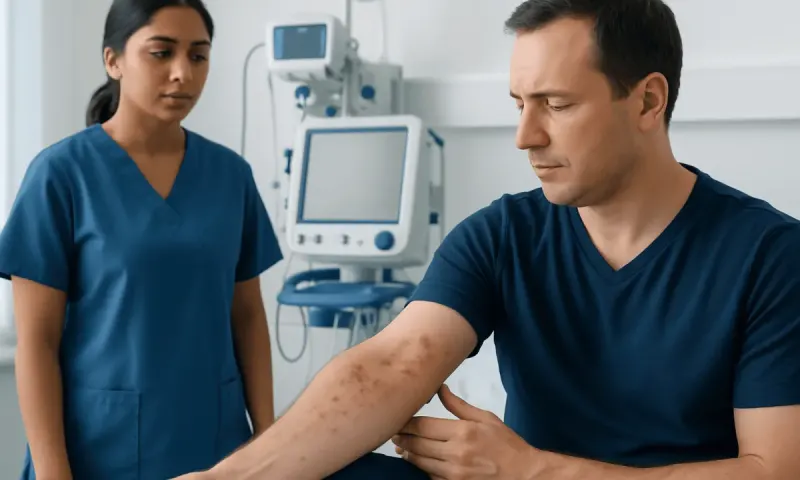
Anyone who develops swelling, widespread rash, blistering, trouble breathing or facial swelling after using a patch should stop using it and seek prompt medical advice. Severe allergic symptoms require emergency care. People with cancer, immune suppression, pregnancy, serious chronic illness or plans for surgery should discuss supplements, patches and regenerative-treatment claims with their care team before use.
A doctor can help identify the cause of symptoms and recommend appropriate treatment. This approach protects patients from missed diagnoses and supports choices that are both safe and suited to their individual needs.
Frequently asked questions
01Do stem cell patches contain real stem cells?
Consumer products described as stem cell patches are generally not established methods for delivering living therapeutic stem cells through the skin. Labels and marketing may refer to ingredients, light-reflecting materials or claims about supporting the body’s processes. These claims should not be interpreted as proof that the patch provides clinically effective stem cell therapy.
02Can a patch stimulate the body to make more stem cells?
There is no convincing clinical evidence that a consumer patch can safely and reliably increase stem cell production in a way that treats disease or repairs damaged tissue. The body’s repair processes are complex and depend on the type of tissue, injury and overall health. A broad “stem cell activation” claim needs strong human research to be considered medically meaningful.
03Are stem cell patches safe to use?
A patch may cause local problems such as itching, redness, irritation or allergic contact dermatitis, particularly in people with sensitive skin or allergies. More importantly, relying on an unproven patch may delay effective evaluation and treatment for a medical condition. A pharmacist or doctor can help assess a product’s ingredients and whether it is appropriate to use.
04How can someone check a stem cell therapy provider?
Patients should ask whether the therapy is approved for their exact condition or provided within a properly overseen clinical trial. They should receive clear information about the clinician’s qualifications, cell source, procedure, alternatives, risks, follow-up and total care plan. Independent medical advice is valuable if the provider makes broad promises or discourages questions.
05Is stem cell therapy approved for arthritis or chronic pain?
Stem cell therapy is not a standard, universally approved treatment for arthritis or chronic pain, and the evidence differs among conditions and products. Some approaches are being researched, but patients should be cautious about claims of guaranteed cartilage regrowth or permanent pain relief. A musculoskeletal specialist can discuss established options and whether research participation may be suitable.
06Can stem cell patches replace medication or rehabilitation?
No. People should not replace prescribed medicine, physiotherapy, rehabilitation or recommended follow-up with a patch marketed for stem cell support. Changes to a treatment plan should be made with the clinician managing the condition, especially for chronic illnesses or after surgery.
This article is for general information only and is not a substitute for professional medical advice. Please consult a qualified doctor about your individual situation.
Explore treatments in Turkey — costs, top hospitals & a free quote
JCI-accredited · board-certified surgeons · reply within 24h
Add us as a Preferred Source to see more of our trusted health content across Google Search, AI Overviews and Discover.