STD on the Penile Tip: Symptoms and Testing
An STD on penile tip can cause symptoms such as burning with urination, discharge, sores, blisters, itching, or changes in the skin. However, non-STI conditions, including irritation and skin inflammation, can look similar, so timely medical assessment and appropriate testing are important.
Overview: What Does an STD on the Penile Tip Mean?
An STD on penile tip describes symptoms or visible changes affecting the glans (head of the penis) or the urethral opening that may be related to a sexually transmitted infection (STI). Possible signs include discharge, discomfort during urination, a sore, blisters, itching, redness, or small growths. These symptoms deserve medical attention, but they do not automatically mean a person has an STI.
Several common non-sexually transmitted conditions can affect this area as well. Friction, reactions to soaps or lubricants, fungal infections, inflammation of the glans (balanitis), urinary infections, and chronic skin conditions may cause similar symptoms. A clinician can consider the person’s symptoms, sexual history, examination findings, and laboratory tests to identify the cause.
It is also important to know that some STIs have no symptoms. Testing can therefore be useful after a possible exposure, even when the penile tip looks and feels normal. Early assessment supports appropriate treatment and helps reduce the chance of passing an infection to partners.
Symptoms That May Affect the Penile Tip
Symptoms vary depending on the underlying cause. Urethritis, or inflammation of the urethra, may lead to burning or stinging during urination, an urge to urinate more often, or fluid coming from the urethral opening. The discharge may be clear, white, yellow, or greenish, although its appearance alone cannot identify a specific infection.
Skin-related symptoms can include redness, tenderness, itching, cracks, ulcers, blisters, or painless or painful sores. Genital herpes can cause clusters of painful blisters or ulcers, while syphilis may begin with a firm, usually painless sore. Genital warts related to certain types of human papillomavirus (HPV) may appear as small raised or cauliflower-like growths.
Other symptoms that can occur alongside penile changes include swollen lymph nodes in the groin, pelvic discomfort, testicular pain or swelling, fever, rash elsewhere on the body, or pain during ejaculation. These symptoms are not always present. New symptoms should be evaluated rather than self-diagnosed from appearance alone.
- Burning, pain, or irritation at the urethral opening
- New discharge from the penis
- Blisters, ulcers, scabs, or a persistent sore
- Itching, redness, scaling, or swelling of the glans
- New bumps or wart-like growths
Possible Causes: STIs and Other Conditions
Chlamydia and gonorrhea are bacterial infections that can infect the urethra and commonly cause discharge or painful urination, though some people have no symptoms. These infections can affect the throat or rectum as well, depending on sexual contact. Testing should be guided by the types of exposure a person has had, not only by genital symptoms.
Herpes simplex virus may cause recurrent blisters or sores, while syphilis can cause an initial ulcer that may heal without treatment even though the infection remains present. HPV can cause genital warts, although many HPV infections do not produce visible changes. Other infections, including trichomoniasis, may also contribute to urethral irritation in some people.
Not every penile-tip symptom is sexually acquired. Balanitis may develop because of moisture, poor fit of the foreskin, fungal overgrowth, diabetes, skin irritation, or inflammatory skin conditions. Friction after sexual activity or masturbation, scented hygiene products, latex sensitivity, and certain lubricants can also irritate sensitive genital skin. A careful diagnosis avoids unnecessary treatment and makes sure a potentially important STI is not missed.
For broader information about infections that can be spread through sexual contact, patients may find sexually transmitted diseases resources helpful.
How Clinicians Diagnose the Cause
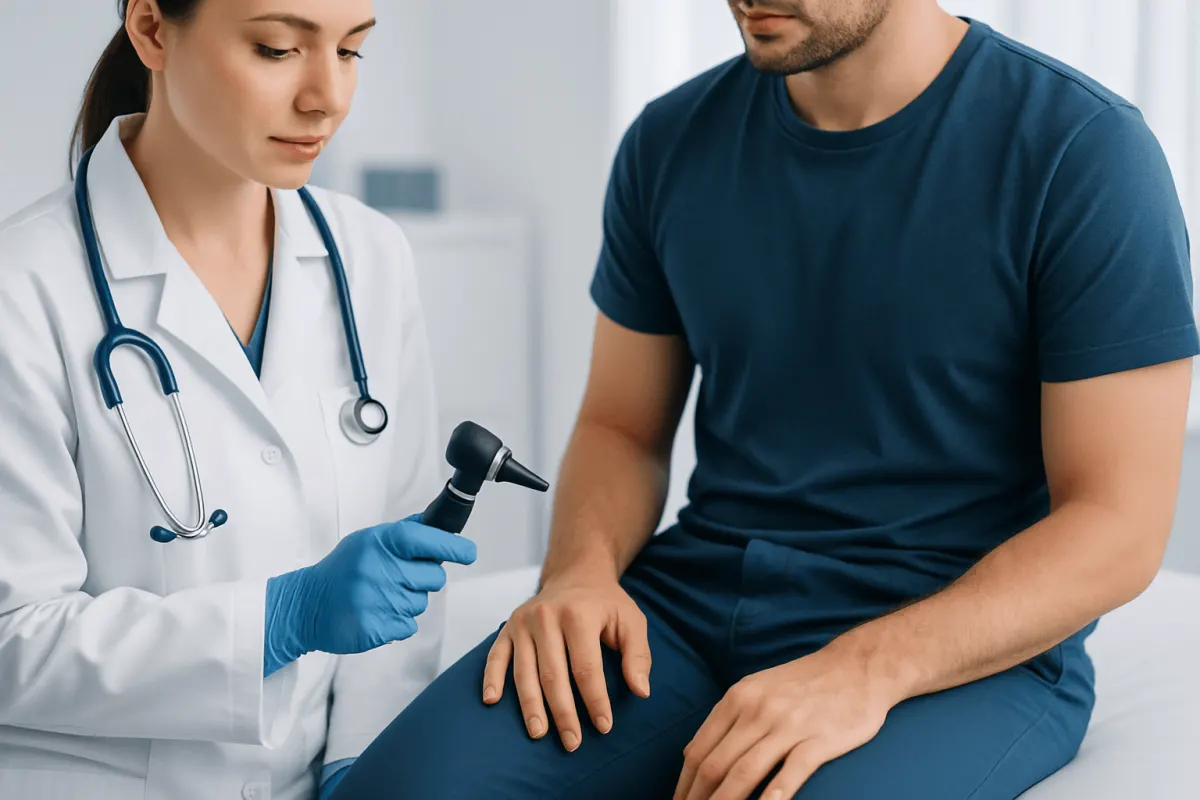
Diagnosis usually begins with a confidential discussion about the symptoms, when they began, recent sexual contact, barrier use, past STIs, medications, and possible irritants. Healthcare professionals ask these questions to select appropriate tests, not to judge a person. A physical examination may include the penis, scrotum, groin, skin, and other relevant areas.
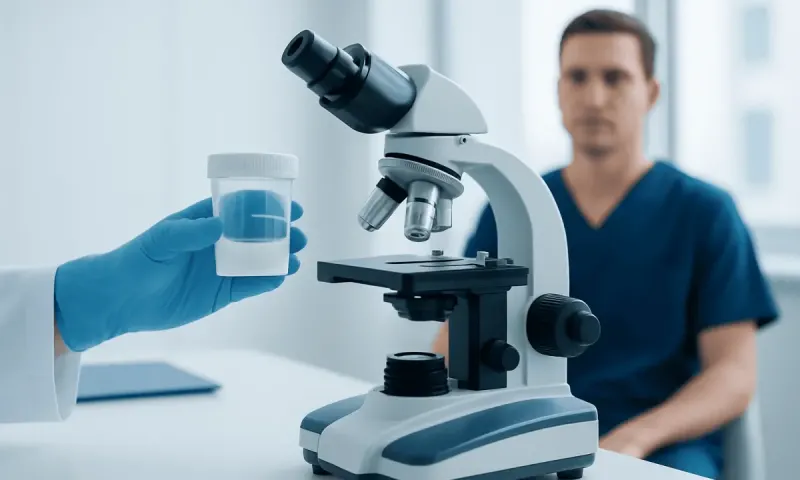
Urine tests or swabs can check for chlamydia and gonorrhea. A swab from a sore can help diagnose herpes, particularly when it is taken soon after the lesion appears. Blood tests may be used for syphilis and, when appropriate, HIV and other infections. Throat or rectal swabs may be advised after oral or anal contact because infections in these areas may not be found on a urine test.
Testing windows differ among infections, so a clinician may advise testing now and repeating a test later if exposure was very recent. People should avoid applying creams directly to unexplained ulcers or blisters before assessment when possible, as this can alter the appearance of the skin. They should also avoid taking leftover antibiotics, since the wrong medicine can delay accurate diagnosis and contribute to antibiotic resistance.
Treatment Options and Partner Care
Treatment depends entirely on the diagnosis. Bacterial STIs such as chlamydia, gonorrhea, and syphilis are treated with clinician-prescribed antibiotics. The medicine, method, and follow-up plan vary by infection and local guidance. Completing the prescribed course and attending recommended follow-up are important, even if symptoms improve quickly.
Viral infections are managed differently. Antiviral medicines can shorten or help prevent herpes outbreaks, but they do not remove the virus from the body. There is no treatment that clears HPV itself; visible warts can be treated with medicines or procedures when needed, while many HPV infections resolve naturally. Treatment for balanitis or dermatitis may include avoiding triggers and using targeted medication after a clinician identifies the cause.
Partners may need testing, evaluation, or treatment depending on the infection and the timing of contact. A clinician can explain who should be informed and when sexual activity can safely resume. In general, it is wise to avoid oral, vaginal, and anal sex until evaluation is complete and both the individual and any partner have followed treatment advice.
Care may involve sexual health clinicians, urologists, dermatologists, and infectious disease specialists. Acıbadem Health Point’s multidisciplinary specialists and JCI-accredited hospitals diagnose and treat sexually transmitted infections and related genital concerns for international patients.
Reducing Risk and Caring for Symptoms Safely
Consistent use of external or internal condoms and dental dams reduces the risk of many STIs, although they do not fully prevent infections spread by skin-to-skin contact, such as herpes or HPV. Discussing testing, sexual health history, and protection with partners can support shared decision-making. Routine screening is particularly important for people with new or multiple partners, or when recommended based on individual risk.
Vaccination can prevent infection from certain HPV types and hepatitis B. Eligibility varies by age, health history, and national recommendations, so a clinician can advise whether vaccination is appropriate. HIV prevention options, including pre-exposure prophylaxis (PrEP), may also be suitable for some individuals at increased risk.
Until the cause of symptoms is known, gentle care is best. Washing with lukewarm water, keeping the area dry, wearing loose breathable underwear, and avoiding fragranced soaps, deodorants, or harsh antiseptics may reduce irritation. Scratching, squeezing bumps, or picking at sores can worsen inflammation and may spread infection to nearby skin.
Symptoms should not be managed with over-the-counter antifungal, steroid, or antibiotic products unless a qualified clinician recommends them. These products may be useful for some conditions but can mask signs of another problem or irritate genital skin further.
When to Seek Medical Care
Medical assessment is recommended for any new penile discharge, burning during urination, ulcer, blister, unexplained lump, rash, or wart-like growth. A person should also arrange testing after sexual contact with a partner known or suspected to have an STI, even if they feel well. Most causes can be assessed in a routine sexual health, primary care, dermatology, or urology appointment.
Urgent medical care is appropriate for severe pain, rapidly increasing swelling or redness, inability to urinate, fever with genital symptoms, significant testicular pain or swelling, or a painful erection lasting more than four hours. These symptoms can have causes other than an STI and need prompt evaluation.
Seeking care early is a practical step, not a cause for embarrassment. Many genital symptoms are treatable, and healthcare teams provide confidential, respectful care. Testing offers clarity and allows treatment and prevention advice to be tailored to the individual.
Frequently asked questions
01Can an STD cause a sore on the penile tip?
Yes. Herpes and syphilis are among the STIs that can cause sores on or near the penile tip, but the sores often look and feel different. Irritation, trauma, inflammatory skin conditions, and non-STI infections can also cause sores, so an examination and testing are needed for a reliable diagnosis.
02Does burning at the tip of the penis always mean an STI?
No. Burning can occur with STIs such as chlamydia or gonorrhea, but it can also result from urinary tract irritation, soaps, friction, dehydration, balanitis, or other conditions. A urine test and, when indicated, STI testing can help identify the cause.
03How soon after sex can an STI cause symptoms on the penis?
The timing depends on the infection. Some symptoms may develop within days, while others can take weeks or longer, and many infections cause no noticeable symptoms at all. A clinician can advise on the most suitable testing time after a specific exposure.
04Should a person have sex if there is discharge or a sore on the penile tip?
It is best to avoid oral, vaginal, and anal sex until a healthcare professional has assessed the symptoms. This reduces the possibility of transmitting an infection and avoids irritating the affected area. A clinician can advise when sexual activity can resume after testing or treatment.
05Can a urine test detect every STI?
No. Urine tests are useful for certain infections, including chlamydia and gonorrhea affecting the urethra. Other infections may require blood tests, a swab from a sore, or throat and rectal swabs based on the types of sexual contact.
06Can penile-tip symptoms go away without treatment?
Some irritation or minor skin inflammation may improve once a trigger is removed, and some STI symptoms can fade even when infection remains. For example, a syphilis sore may heal without curing the infection. Persistent, recurrent, or unexplained symptoms should therefore be assessed by a clinician.
This article is for general information only and is not a substitute for professional medical advice. Please consult a qualified doctor about your individual situation.
Persistent digestive symptoms? Get evaluated in Turkey
JCI-accredited · board-certified surgeons · reply within 24h
Add us as a Preferred Source to see more of our trusted health content across Google Search, AI Overviews and Discover.