Stage 3B Lung Cancer: Treatment and Care Options
Stage 3b lung cancer is a locally advanced form of lung cancer that has spread to certain lymph nodes or nearby structures in the chest but not to distant organs. It is usually treated with a carefully planned combination of chemotherapy and radiation, often followed by immunotherapy when appropriate.
Overview: What Does Stage 3b Lung Cancer Mean?
Stage 3b lung cancer is a form of locally advanced lung cancer. In this stage, the cancer has spread beyond the original lung tumor to particular lymph nodes or nearby areas within the chest, but there is no evidence that it has spread to distant organs such as the liver, bones, brain, or adrenal glands. It is a serious diagnosis, but treatment options are available and are planned individually.
The term stage 3b is used most commonly for non-small cell lung cancer (NSCLC), which includes adenocarcinoma, squamous cell carcinoma, and large cell carcinoma. The exact stage is based on the TNM system: tumor size and local extent (T), lymph node involvement (N), and distant spread (M). Staging definitions can be complex, and doctors may also describe the cancer as “unresectable stage III” when surgery is not considered a safe or effective first treatment.
Stage 3b does not mean that every person has the same pattern of disease or requires the same care. The location of the tumor, the lymph nodes involved, lung function, overall health, tumor biology, and a person’s preferences all help guide the treatment plan. A detailed discussion with a thoracic oncology team can clarify what the stage means in an individual situation.
Early Signs and Symptoms
Lung cancer can cause no symptoms in its earlier phases. When symptoms occur, they may be mild at first and can resemble common respiratory conditions. A cough that does not improve or that changes from a person’s usual cough is one of the more common reasons people seek assessment.
Possible symptoms of stage 3b lung cancer include ongoing cough, coughing up blood or blood-streaked mucus, shortness of breath, wheezing, chest discomfort, hoarseness, repeated chest infections, unexplained tiredness, reduced appetite, or unintentional weight loss. Some people notice shoulder, back, or chest pain, particularly when a tumor affects nearby tissues. Swelling of the face, neck, or arms can occasionally occur when enlarged lymph nodes or a tumor affects a major vein in the chest.
These symptoms do not automatically mean cancer. Infections, chronic obstructive pulmonary disease, asthma, reflux, and many other conditions may produce similar symptoms. However, a new, persistent, or worsening respiratory symptom deserves timely medical review, especially in people who smoke or have smoked in the past.
How Stage 3b Lung Cancer Develops and Who Is at Risk
Lung cancer develops when cells in the lung acquire genetic changes that allow them to grow and spread abnormally. Tobacco smoking is the leading avoidable cause of lung cancer. Risk rises with the amount and duration of smoking, but lung cancer can also occur in people who have never smoked. Stopping smoking is beneficial at any age and after any duration of smoking.
Other risk factors include exposure to secondhand smoke, radon gas in homes or workplaces, asbestos, silica, diesel exhaust, air pollution, and certain workplace chemicals. A previous history of chest radiation, chronic lung diseases such as chronic obstructive pulmonary disease, and a family history of lung cancer may also be relevant. These factors affect risk but cannot predict with certainty who will develop lung cancer.
Stage 3b does not result from one specific lifestyle choice or symptom being overlooked. It reflects the extent of cancer found at diagnosis. Lung cancers can spread through nearby tissue and the lymphatic system without causing clear warning signs, which is why screening and prompt assessment of persistent symptoms are important.
For people at high risk, low-dose CT screening may help detect lung cancer earlier. Eligibility varies by country and is commonly based on age and smoking history. A doctor can advise whether screening is appropriate and where it is available.
Diagnosis and Staging Tests
Diagnosis begins with a medical history, examination, and imaging. A chest X-ray may identify an abnormality, but a CT scan of the chest and upper abdomen provides more detailed information about the tumor and lymph nodes. PET-CT imaging is often used to look for active cancer in lymph nodes and elsewhere in the body. Brain imaging, usually MRI, may also be recommended to check for spread that may not cause symptoms.
A biopsy is needed to confirm the diagnosis and identify the type of lung cancer. Tissue may be obtained with bronchoscopy, a needle biopsy guided by CT or ultrasound, or a procedure that samples lymph nodes in the center of the chest, such as endobronchial ultrasound. The pathology report helps distinguish NSCLC from small cell lung cancer and identifies the specific subtype.
For NSCLC, the tumor should usually undergo biomarker testing when enough tissue is available. This may include testing for gene changes and proteins that can influence treatment decisions, such as EGFR, ALK, ROS1, BRAF, KRAS, MET, RET, NTRK, HER2, and PD-L1. Results may affect whether immunotherapy, targeted therapy, or other treatment approaches are suitable.
Doctors also assess lung capacity, heart health, daily functioning, weight, and other medical conditions. These assessments help ensure that treatment is safe and help the team tailor supportive care from the beginning.
Treatment Options and Treatment Planning
Stage 3b lung cancer is best managed by a multidisciplinary team, often including medical oncologists, radiation oncologists, thoracic surgeons, pulmonologists, radiologists, pathologists, specialist nurses, and supportive care professionals. The team reviews the scans, biopsy, lymph node pattern, and test results together. This approach helps determine whether the cancer is potentially removable with surgery or whether non-surgical treatment is the preferred strategy.
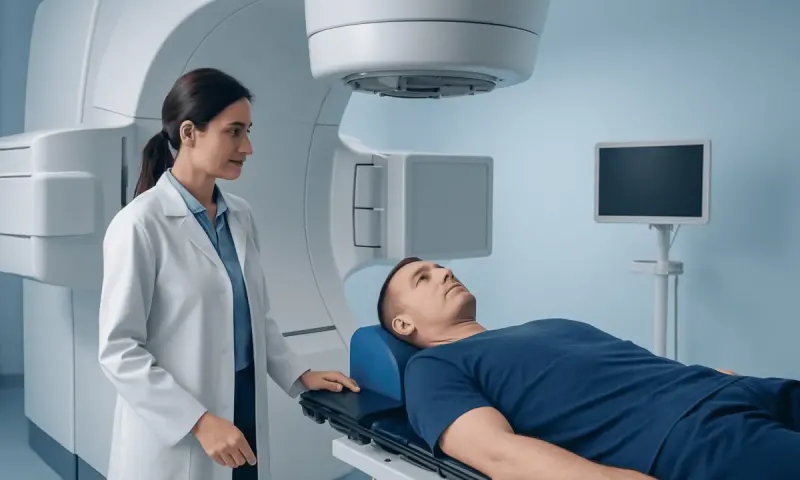
For many people with unresectable stage III NSCLC, treatment commonly begins with chemotherapy given during radiation therapy. This is called concurrent chemoradiation. Chemotherapy can make cancer cells more sensitive to radiation, while radiation targets the tumor and involved lymph nodes in the chest. When a person is not well enough for concurrent treatment, chemotherapy and radiation may be given sequentially or modified to improve safety.
If there is no progression after chemoradiation, consolidation immunotherapy may be recommended for eligible patients. Immunotherapy helps the immune system recognize and attack cancer cells. Its suitability depends on the cancer type, previous treatment, biomarker findings, medical history, and the risk of immune-related side effects. Targeted treatments may be relevant in selected circumstances when a tumor has an actionable genetic alteration, although the best sequence depends on current clinical evidence and individual factors.
Surgery has a limited role in many stage 3b cases because of the location or extent of lymph node involvement. However, selected patients may be assessed by an experienced thoracic surgeon, sometimes after initial treatment. Treatment can also include symptom-focused measures, such as medication for cough or pain, nutritional advice, pulmonary rehabilitation, and help with smoking cessation. At Acıbadem Health Point, multidisciplinary specialists at JCI-accredited hospitals assess and treat lung cancer for international patients using individualized care plans.
Living With Treatment: Monitoring, Self-Care and Support
Combined treatment can be demanding, but the care team monitors people closely throughout therapy. Common effects may include tiredness, reduced appetite, nausea, changes in blood counts, skin irritation in the radiation area, cough, and soreness when swallowing. Not everyone develops the same effects, and many can be eased with early reporting, supportive medicines, dietary adjustments, and treatment planning changes when needed.
Good communication is an important part of care. Patients should tell their team about new or worsening breathlessness, fever, persistent vomiting, dehydration, pain, difficulty swallowing, or significant changes in energy or mood. Keeping a symptom record can help identify patterns and make appointments more productive.
Supportive self-care includes avoiding smoking and secondhand smoke, eating regular nourishing meals where possible, staying hydrated, and doing gentle activity as advised. Family members, friends, cancer support groups, counselors, social workers, and palliative care specialists can provide practical and emotional support. Palliative care can be introduced at any stage alongside cancer treatment; it focuses on comfort, symptom control, and quality of life.
After active treatment, follow-up appointments and scans are used to check the response and identify possible recurrence or treatment effects. The schedule varies, so people should follow the plan provided by their oncology team and ask which symptoms should prompt earlier contact.
When to Seek Medical Care
A person should arrange a medical appointment for a cough lasting more than a few weeks, a change in a long-standing cough, unexplained shortness of breath, recurring chest infections, persistent hoarseness, unexplained weight loss, or chest discomfort that does not settle. These symptoms are often caused by conditions other than cancer, but assessment is the safest way to find the cause.
Urgent medical care is needed for coughing up more than a small amount of blood, severe or rapidly worsening breathlessness, chest pain, new confusion, fainting, or swelling of the face and neck. These symptoms can have several causes and need prompt evaluation.
People who have been diagnosed with stage 3b lung cancer should contact their cancer team promptly if treatment side effects feel difficult to manage or if they develop fever, new breathing problems, severe diarrhea, an extensive rash, or sudden weakness. Early support can prevent complications and may help treatment continue more comfortably.
Frequently asked questions
01Is stage 3b lung cancer the same as stage 4 lung cancer?
No. Stage 3b lung cancer is locally advanced, meaning it has spread within the chest to certain lymph nodes or nearby structures but not to distant organs. Stage 4 lung cancer has spread to distant parts of the body or to the opposite lung or fluid around the lungs or heart in specific circumstances.
02Can stage 3b lung cancer be cured?
Some people with stage III non-small cell lung cancer can achieve long-term control after intensive treatment, and treatment may be given with curative intent. Outcomes vary considerably depending on the tumor, lymph nodes, treatment response, overall health, and tumor biomarkers. The oncology team can discuss realistic goals based on the individual's results.
03Is surgery possible for stage 3b lung cancer?
Surgery is not appropriate for many stage 3b cancers because the disease may involve lymph nodes or structures that make complete removal unlikely or unsafe. In selected cases, a thoracic surgeon may consider surgery as part of a combined treatment plan. A multidisciplinary review is important before deciding.
04What is the usual first treatment for stage 3b non-small cell lung cancer?
For many people whose cancer cannot be removed surgically, chemotherapy and radiation given together are commonly used first. If the cancer has not progressed afterward, immunotherapy may be considered for eligible patients. The plan can change based on health status, tumor testing, and treatment tolerance.
05Does everyone with stage 3b lung cancer need immunotherapy?
No. Immunotherapy is not suitable for every person. Doctors consider the cancer type, treatment response, autoimmune conditions, organ function, prior therapies, biomarker results, and possible side effects before recommending it.
06What questions should a person ask their cancer team?
Helpful questions include asking about the exact cancer type and stage, whether surgery is an option, the purpose of each treatment, expected side effects, and how treatment response will be monitored. It is also reasonable to ask whether biomarker testing has been completed and what supportive services are available.
This article is for general information only and is not a substitute for professional medical advice. Please consult a qualified doctor about your individual situation.
Oncology care in Turkey — second opinion and treatment plan
JCI-accredited · board-certified surgeons · reply within 24h
Add us as a Preferred Source to see more of our trusted health content across Google Search, AI Overviews and Discover.