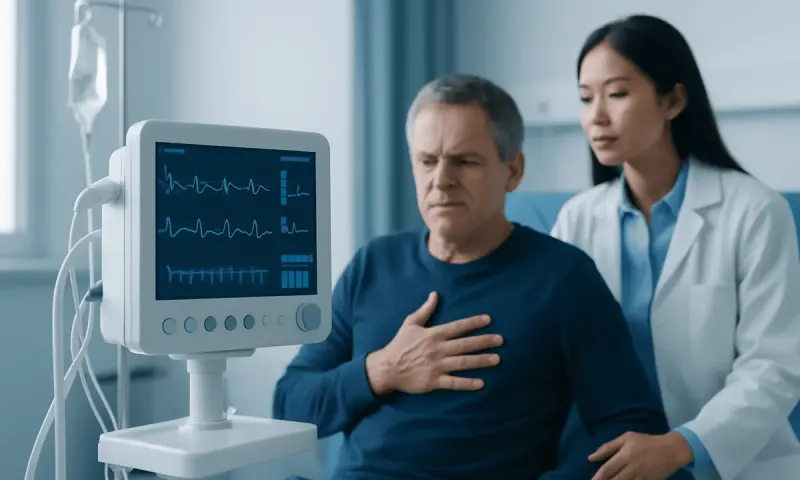
Stable Angina Follows a Predictable Pattern of Chest Discomfort

You notice it every time you climb the same flight of stairs: a heavy, squeezing feeling in the chest that fades once you stop and catch your breath. That predictable pattern has a name — stable angina.
It happens when the heart muscle is not getting enough oxygen-rich blood during exertion or stress. It usually follows a predictable pattern and improves with rest or prescribed medicine. Even so, it deserves a proper assessment, because it often reflects underlying coronary artery disease.
Overview: What Stable Angina Means
Stable angina is a common form of chest discomfort that happens when the heart muscle temporarily does not receive enough oxygen-rich blood. This usually occurs because the coronary arteries have become narrowed, most often by a build-up of fatty deposits known as plaque. The symptom pattern is typically predictable: it appears with activity or stress and eases with rest or prescribed medication.
People often describe stable angina as pressure, tightness, heaviness, squeezing, or burning in the chest rather than a sharp pain. Some feel it in the center of the chest, while others notice discomfort spreading to the arm, shoulder, back, neck, or jaw. These sensations overlap with plenty of other conditions, so let a doctor sort it out rather than guessing.
Stable angina is not a heart attack, but please do not brush it off. It can be a sign of coronary artery disease, which raises the risk of more serious heart problems over time. Early diagnosis helps guide treatment, improve daily functioning, and lower the chance of complications.
How Symptoms Usually Feel
The hallmark of stable angina is a repeated, recognizable pattern. Symptoms tend to come on when the heart is working harder, such as during walking uphill, climbing stairs, carrying groceries, exercising, or emotional upset. The discomfort usually lasts a few minutes and settles after stopping the activity or using medicine recommended by a doctor.
Not everyone experiences stable angina in the same way. Some people feel clear chest pressure, while others notice shortness of breath, unusual fatigue, nausea, or discomfort in the upper body without strong chest pain. Older adults, women, and people with diabetes may have less typical symptoms, which can make the condition harder to recognize.
Common symptoms can include:
- Pressure, tightness, squeezing, or heaviness in the chest
- Pain or discomfort spreading to the arm, shoulder, neck, jaw, or back
- Shortness of breath with exertion
- Fatigue during activity
- Symptoms triggered by cold weather, stress, or a heavy meal
- Relief within minutes of rest or prescribed angina medication
Keep a simple note of your episodes — it helps more than you might think. Noting the trigger, duration, intensity, and what relieves the discomfort can help a clinician decide whether the pattern is consistent with stable angina or whether a more urgent condition needs to be ruled out.
Why Stable Angina Happens

The most common cause of stable angina is atherosclerosis, a process in which plaque builds up inside the coronary arteries. These arteries supply blood to the heart muscle. When they narrow, blood flow may still be enough at rest but become insufficient during exercise or stress, when the heart needs more oxygen.
Stable angina can also be influenced by factors that make the heart work harder or reduce oxygen delivery. For example, high blood pressure increases the heart’s workload, while anemia can limit oxygen transport in the blood. In some people, spasms of the coronary arteries or problems affecting the small blood vessels of the heart may contribute to angina-like symptoms.
Several risk factors increase the likelihood of developing stable angina and underlying heart disease:
- Smoking or tobacco exposure
- High blood pressure
- High cholesterol
- Diabetes
- Overweight and obesity
- Physical inactivity
- Older age
- Family history of early heart disease
- Chronic stress
- Unhealthy diet
Stable angina comes down to a mismatch between what the heart demands and what the arteries can deliver, so treatment tackles both the symptoms and the causes. Controlling your risk factors matters just as much as easing an episode.
How Doctors Diagnose Stable Angina
Diagnosis starts with a careful discussion of symptoms. A clinician will ask what the discomfort feels like, when it occurs, how long it lasts, whether it radiates, and what makes it better or worse. Medical history, family history, smoking status, blood pressure, cholesterol, and diabetes are also important clues.
A physical examination and an electrocardiogram may be the first tests, but these can be normal between angina episodes. Doctors may also order blood tests to look for related health issues and to help exclude a heart attack when symptoms are recent or concerning. Depending on the situation, further evaluation may be needed to understand blood flow to the heart.
Common tests used to assess stable angina include:
- Electrocardiogram (ECG)
- Exercise stress test or stress imaging
- Echocardiogram to assess heart structure and function
- Coronary Angiography: What It Shows and How to Prepare" class="ahp-ilk">CT coronary angiography in selected cases
- Conventional coronary angiography when more detailed artery assessment is needed
Doctors also try to distinguish stable angina from conditions such as indigestion, muscle strain, anxiety-related chest symptoms, or more serious emergencies. This distinction matters because a change in the usual pattern may suggest unstable angina or a heart attack, which requires immediate care rather than routine follow-up.
Treatment Goals and Options
Treatment for stable angina has several goals: relieve symptoms, improve exercise tolerance, reduce the chance of future heart events, and manage the disease causing the symptoms. The treatment plan depends on how often symptoms occur, the degree of artery narrowing, the person’s overall heart risk, and the presence of other conditions such as diabetes or high blood pressure.
Medicines often play a central role. A doctor may prescribe drugs to ease chest discomfort, slow the heart, lower blood pressure, reduce clotting risk, or improve cholesterol levels. Medications should be taken exactly as directed, and any side effects or changes in symptoms should be discussed with a healthcare professional rather than managed independently.
If symptoms continue despite medication, or if tests show important blockages, a procedure may be recommended to restore blood flow. Depending on the anatomy of the coronary arteries, this may involve coronary angiography to define the narrowing, followed by angioplasty and stent treatment or, in more complex disease, coronary artery bypass surgery. The best choice is individualized after a full cardiac evaluation.
Long-term care is just as important as immediate symptom relief. Follow-up visits help monitor blood pressure, cholesterol, blood sugar, exercise capacity, medication tolerance, and any change in the angina pattern. For many people, combining medication, lifestyle changes, and risk factor management leads to better control and a safer outlook.
Daily Habits That Support Heart Health
Self-care measures cannot replace medical treatment, but they are an essential part of managing stable angina. Small, consistent changes can lower the heart’s workload, improve artery health, and reduce triggers. A clinician can help set realistic targets that match age, current fitness, and other medical conditions.
Helpful lifestyle measures often include stopping smoking, following a heart-healthy eating pattern, staying physically active within medically advised limits, managing stress, and maintaining a healthy weight. People with diabetes, high blood pressure, or high cholesterol benefit from keeping these conditions well controlled, since each can worsen coronary artery disease over time.
Practical steps may include:
- Taking prescribed medicines regularly
- Warming up before exercise and avoiding sudden intense exertion
- Recognizing personal triggers such as cold air or heavy meals
- Keeping follow-up appointments and recommended testing
- Seeking support for smoking cessation and diet changes
- Asking a doctor which level of physical activity is safe
Everyone with angina should leave the clinic with a clear plan for what to do when symptoms hit. Patients should know when to stop activity, when to use prescribed medicine, and when to seek urgent care. Some people also choose to be evaluated at centers such as Acıbadem Health Point, where multidisciplinary specialists in JCI-accredited hospitals diagnose and treat heart conditions for international patients.
When to Seek Medical Care
Stable angina should be assessed by a doctor even when symptoms are mild or predictable, because it may be the first sign of significant heart disease. Medical attention is especially important if chest discomfort is affecting daily activities, becoming more frequent, or requiring more medication than before to improve.
Urgent medical care is needed if chest pain is new, unusually strong, lasts longer than expected, happens at rest, or does not improve with rest or prescribed medication. Emergency evaluation is also important if the discomfort is accompanied by fainting, severe shortness of breath, sweating, nausea, confusion, or pain spreading to the jaw or arm.
A changing pattern can suggest a more dangerous condition than stable angina. For example, symptoms that occur with less activity than usual or wake a person from sleep may indicate an unstable process and should not be managed at home. If you are unsure, get checked straight away — that is always the safer call.
Frequently asked questions
01What is the difference between stable angina and a heart attack?
Stable angina is a predictable pattern of chest discomfort that usually happens with exertion or stress and improves with rest or prescribed medicine. A heart attack usually involves prolonged or worsening symptoms caused by a sudden blockage of blood flow, and it needs emergency treatment right away.
02Can stable angina go away on its own?
An individual episode of stable angina often settles within minutes after rest or appropriate medication. However, the underlying cause, usually coronary artery disease, does not usually disappear on its own and should be medically evaluated and treated.
03Is stable angina dangerous?
Stable angina is often manageable, but it is still a sign that the heart may not be getting enough blood during increased demand. It matters because it can indicate underlying heart disease and may increase the risk of future complications if left untreated.
04What triggers stable angina most often?
Common triggers include physical exertion, emotional stress, cold weather, heavy meals, and anything else that makes the heart work harder. Triggers vary from person to person, which is why noting the pattern can be helpful during medical evaluation.
05Can someone exercise if they have stable angina?
Many people with stable angina can stay active, but the safest level of exercise should be guided by a doctor. A supervised or gradual plan is often recommended, especially after diagnosis or when symptoms are changing.
06How is stable angina usually treated?
Treatment often combines lifestyle changes, medicines to control symptoms and reduce cardiovascular risk, and regular follow-up. If symptoms persist or artery narrowing is significant, procedures to improve blood flow may also be considered.
This article is for general information only and is not a substitute for professional medical advice. Please consult a qualified doctor about your individual situation.
Persistent digestive symptoms? Get evaluated in Turkey
JCI-accredited · board-certified surgeons · reply within 24h
Add us as a Preferred Source to see more of our trusted health content across Google Search, AI Overviews and Discover.