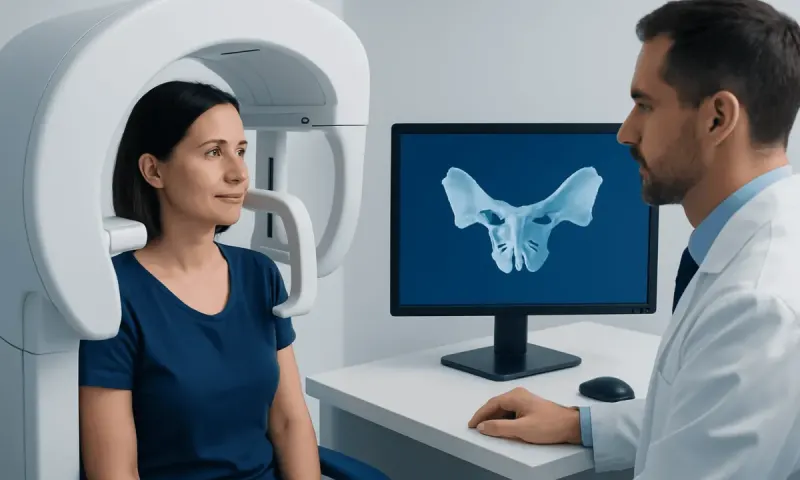
Spine Surgery: Neurosurgeon or Orthopedic Surgeon?
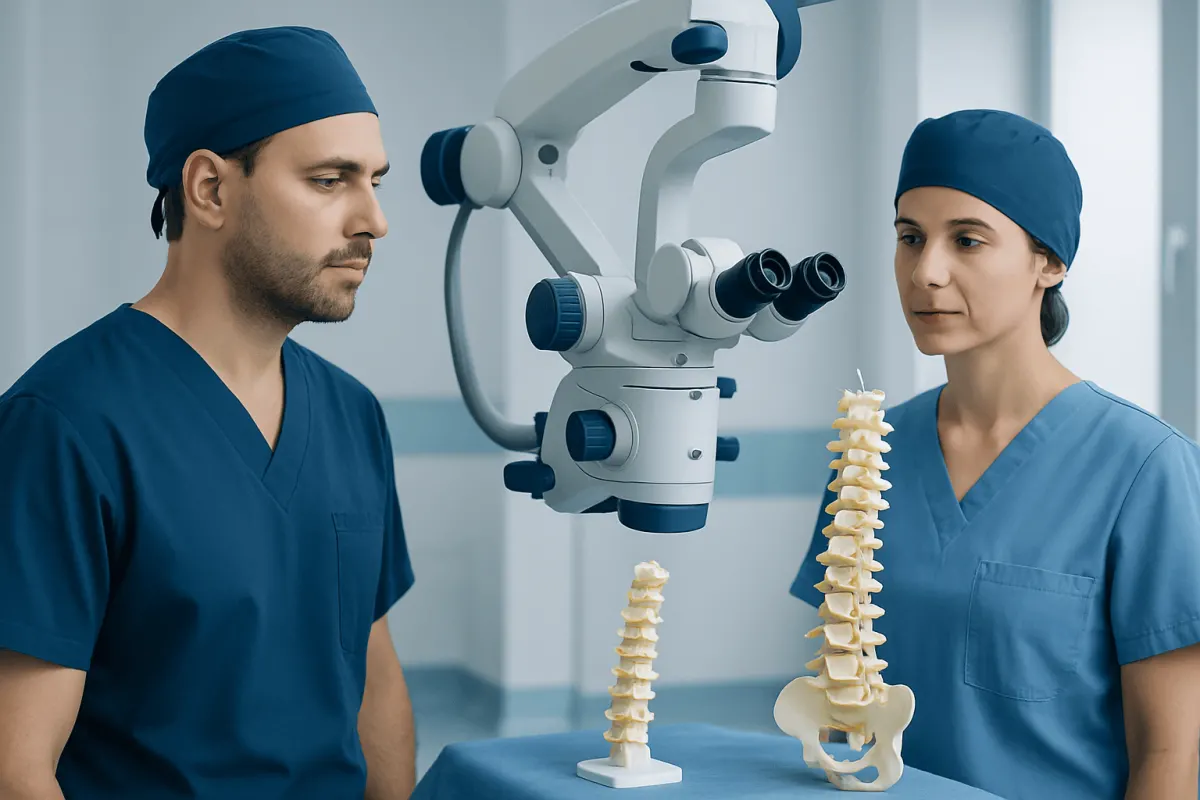
For patients asking who is best for spine surgery, neurosurgeon or orthopedic surgeon, the answer is that either may be an excellent choice when they have specialized spine training and experience with the person’s specific condition. The most important factors are accurate diagnosis, appropriate surgical expertise, clear communication and coordinated rehabilitation—not the specialist’s original specialty alone.
Overview: Choosing a Spine Surgeon
When considering who is best for spine surgery, neurosurgeon or orthopedic surgeon, patients should know that both types of specialists may be highly qualified to operate on the spine. Neurosurgeons and orthopedic surgeons can undertake additional fellowship training focused on spine surgery, and both may perform procedures ranging from lumbar decompression to spinal fusion and complex deformity correction.
The best doctor for spine surgery is usually the surgeon whose expertise closely matches the diagnosis and recommended operation. Important considerations include fellowship training, experience with the relevant spinal region and procedure, complication-prevention practices, access to a multidisciplinary team and willingness to explain alternatives. A second opinion can be helpful when surgery is complex, symptoms are not clear, or more than one treatment approach is reasonable.
Spine surgery is generally considered when a structural problem is causing persistent pain, reduced function, nerve compression, spinal instability or progressive neurological changes and when appropriate nonsurgical care has not provided enough relief. The purpose may be to relieve pressure on nerves, stabilize a painful segment, correct alignment or treat injury, infection or tumor-related changes.
What Type of Doctor Is Best for Spine Surgery?
The best type of doctor for spine surgery is a surgeon with dedicated spine expertise relevant to the individual’s needs. A neurosurgeon is trained in conditions affecting the brain, spinal cord and nerves. An orthopedic surgeon is trained in conditions affecting bones, joints, muscles and alignment. Both can become spine specialists through focused training and extensive clinical practice.
For conditions dominated by nerve or spinal cord compression—such as cervical myelopathy, some spinal tumors or complex nerve-related symptoms—a neurosurgeon may be a particularly familiar choice. For significant spinal deformity, bone reconstruction, alignment problems or conditions involving the musculoskeletal system, an orthopedic spine surgeon may be especially well suited. However, these are broad tendencies rather than fixed rules; many surgeons in both specialties routinely treat the same disorders.
Patients can ask whether the surgeon is fellowship-trained in spine surgery, how often they perform the proposed operation, what alternatives exist and what recovery is expected. It is also reasonable to ask how the surgeon works with neurologists, pain specialists, physiotherapists, anesthesiologists and rehabilitation professionals.
Which Is Better for Back Surgery, a Neurosurgeon or an Orthopedic Surgeon?
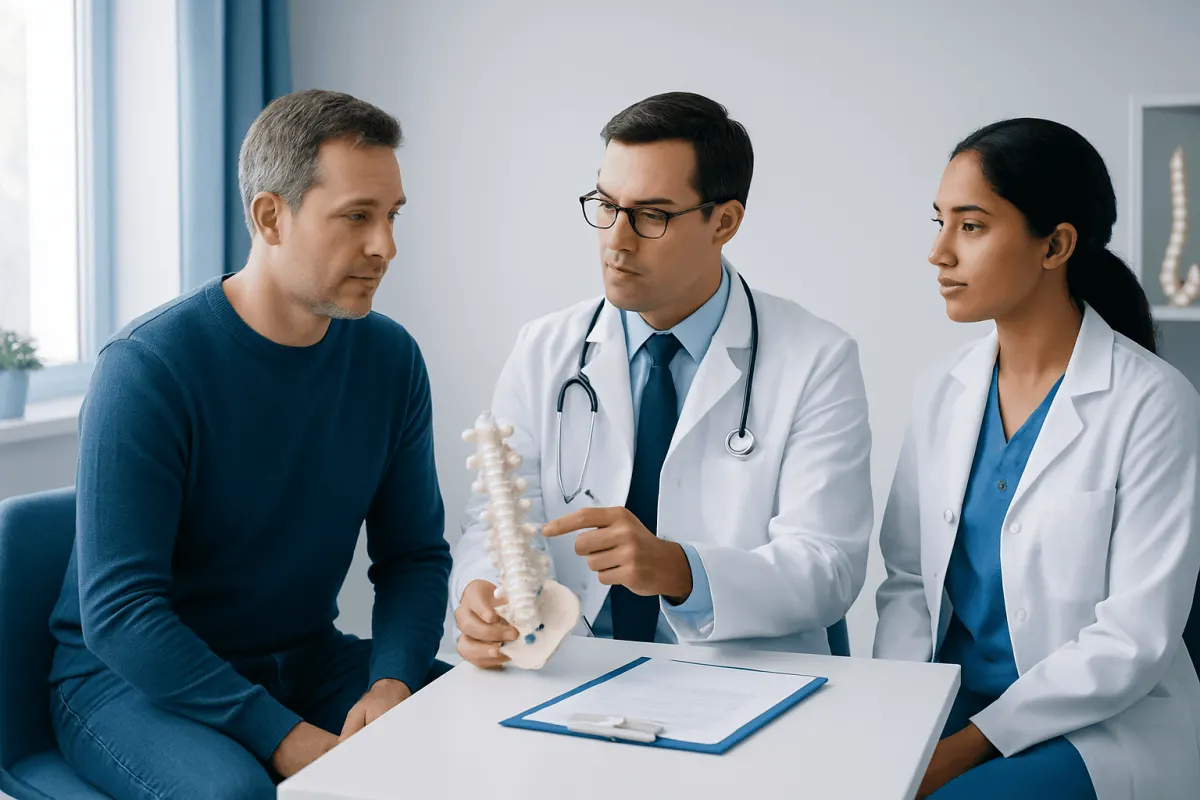
There is no universal answer to which is better for back surgery, a neurosurgeon or an orthopedic surgeon. For common procedures such as surgery for a herniated disc, lumbar spinal stenosis or selected fusion operations, either specialty may provide appropriate care when the surgeon has focused training and current experience in that procedure.
A neurosurgeon may bring particular expertise when symptoms suggest significant involvement of the spinal cord or nerve roots, such as weakness, impaired coordination or complex neurologic findings. An orthopedic spine surgeon may bring particular expertise in bone mechanics, posture, instability and reconstruction. Yet a surgeon’s individual practice, fellowship background and surgical volume for the planned procedure are more informative than the label alone.
Rather than asking only whether a neurosurgeon is better than an orthopedic surgeon, patients may benefit from asking: Does this surgeon treat my diagnosis regularly? Is surgery truly needed now? What are the expected benefits and limits? What complications are most relevant to me? A thoughtful surgeon should support shared decision-making and explain why a particular technique is recommended.
How Spine Surgery Works and Who May Be a Candidate
Spine operations are designed to address a specific anatomical cause of symptoms. Decompression procedures create more room for compressed nerves or the spinal cord by removing or reshaping tissue such as a disc fragment, bone spur or thickened ligament. Fusion procedures stabilize one or more spinal segments by joining bones with graft material and, when needed, implants such as screws and rods. Other procedures may correct curvature, repair fractures or remove tumors.
Potential candidates usually have symptoms that correlate with physical examination findings and imaging such as MRI, CT or X-ray. Examples include leg pain caused by a disc herniation, walking limitation from spinal stenosis, progressive weakness, instability after injury or severe deformity. Imaging findings alone do not necessarily mean surgery is needed, because many spinal changes can be present without causing symptoms.
Before recommending surgery, the care team considers symptom severity, neurological status, daily function, overall health, smoking status, bone health, medicines and prior treatments. Physical therapy, activity modification, pain management and targeted injections may be appropriate options for many people. Conditions such as a herniated disc or spinal stenosis are assessed individually, as the timing and value of surgery can differ considerably from person to person.
Spine Surgery Step by Step
The process begins with a detailed consultation. The surgeon reviews symptoms, medical history, examination findings and imaging, then confirms whether the proposed procedure addresses the likely source of symptoms. Patients should receive information about expected benefits, limitations, alternatives, possible complications and the anticipated recovery plan.
Before surgery, patients may undergo blood tests, heart or anesthesia assessment and medication review. The operation is performed under anesthesia in an operating room. Depending on the procedure, the surgeon may use a traditional open incision, a smaller minimally invasive approach or image-guided techniques. During decompression, pressure is relieved from affected neural structures. During fusion, the surgeon prepares the bone surfaces, places graft material and may use implants to improve stability.
Afterward, patients recover under observation while pain control, movement, wound care and nerve function are monitored. Some procedures allow discharge the same day or after a short stay, while larger reconstructions can require more inpatient care. Spine surgery plans should be individualized, including the approach, aftercare and rehabilitation needs.
Benefits, Risks and Recovery Timeline
The possible benefits of surgery depend on the diagnosis. When a nerve is clearly compressed, decompression may reduce radiating arm or leg pain, improve walking tolerance or help protect nerve function. Stabilization or correction surgery may reduce pain related to instability and improve spinal alignment. Surgery cannot always eliminate all back or neck pain, especially when pain has several contributing causes.
All surgery carries risks. These may include bleeding, infection, blood clots, anesthesia-related problems, wound healing concerns, persistent symptoms, nerve injury, leakage of spinal fluid, implant problems or the need for further treatment. Fusion can also place added stress on nearby spinal levels over time. The likelihood of particular risks varies with the operation, location in the spine, health conditions and whether prior surgery has been performed.
Recovery timelines vary widely. After a limited decompression, many people begin walking soon after surgery and gradually resume light activities over several weeks. Recovery after a fusion commonly takes months because bone healing is gradual, while recovery after extensive deformity correction can take longer and require structured rehabilitation. Following lifting, movement, wound-care and physiotherapy guidance is important for safe recovery.
What Is the Hardest Back Surgery to Recover From?
There is no single operation that is always the hardest back surgery to recover from. In general, larger procedures involving several spinal levels, major deformity correction, revision surgery after previous operations, or surgery that combines decompression and multilevel fusion often require a longer and more demanding recovery than a limited single-level procedure.
Recovery can be more challenging when an operation involves substantial correction of scoliosis or kyphosis, a long fusion, significant blood loss risk, poor bone quality or other health concerns. Individual factors also matter greatly, including age, physical conditioning, nutrition, smoking, diabetes, emotional well-being, family support and access to rehabilitation.
A surgeon should explain the likely recovery in practical terms: expected hospital stay, mobility goals, pain-management strategy, need for braces or assistive devices, work restrictions and when physiotherapy may begin. Preparing the home environment and arranging support before a larger operation can make recovery more manageable.
When to Seek Medical Care
People should arrange medical assessment for back or neck pain that persists, limits daily activities, travels into an arm or leg, or is accompanied by numbness, tingling or weakness. Evaluation is especially important when symptoms are worsening, balance is affected, or pain does not improve with appropriate conservative care.
Urgent medical assessment is needed for new loss of bladder or bowel control, numbness around the genitals or inner thighs, rapidly worsening weakness, severe pain after substantial trauma, or back pain accompanied by fever or unexplained illness. These symptoms can have several causes, but prompt assessment helps clinicians identify conditions requiring timely treatment.
Acıbadem Health Point’s multidisciplinary specialists and JCI-accredited hospitals evaluate and treat spine conditions for international patients. A qualified spine surgeon can help patients understand whether nonsurgical care, monitoring or an operation is the most appropriate next step.
Frequently asked questions
01Who is the best spine surgeon in St. Louis, Missouri?
There is no single surgeon who is objectively best for every person or spinal condition in St. Louis or any other city. A suitable choice is a board-certified, fellowship-trained spine specialist with experience in the specific diagnosis and procedure being considered. Patients can compare credentials, seek referrals, review communication style and consider a second opinion before deciding.
02Who is the best spine surgeon in the US?
No individual can be named the best spine surgeon in the US for all patients. Spine conditions and operations vary greatly, and the right surgeon is one with relevant expertise, a careful diagnostic approach and a treatment plan suited to the patient’s goals and health. Recommendations from a primary care clinician, specialist referrals and independent <a href="https://www.acibademhealthpoint.com/blog/neurology-second-opinions-which-cases-benefit-most-before-you-commit/" title="Neurology Second Opinions: Which Cases Benefit Most Before You Commit" class="ahp-ilk">second opinions can help guide the search.
03Who is the best spine neurosurgeon in the world?
There is no reliable universal ranking that identifies one best spine neurosurgeon in the world. The most appropriate surgeon depends on the condition, such as nerve compression, spinal cord disease, deformity, trauma or a need for revision surgery. Patients should focus on specialty training, experience with the needed procedure, transparent discussion of risks and access to comprehensive aftercare.
04Is a neurosurgeon better than an orthopedic surgeon for spine surgery?
A neurosurgeon is not automatically better than an orthopedic surgeon for spine surgery, and the reverse is also true. Both can receive advanced spine fellowship training and perform many of the same procedures. The key issue is whether the individual surgeon has the right expertise for the condition and operation.
05Do all back problems require surgery?
No. Many back and neck conditions improve with nonsurgical treatment, including guided exercise, physiotherapy, activity modification and appropriate pain management. Surgery is generally considered when symptoms remain disabling, a nerve or spinal cord is significantly affected, spinal stability is compromised or another specific surgical problem is present.
06Should a patient get a second opinion before spine surgery?
A second opinion can be valuable, particularly before fusion, multilevel surgery, deformity correction or revision surgery. It can confirm the diagnosis, clarify whether surgery is needed and compare reasonable approaches. Seeking another professional opinion is a common part of informed decision-making and does not mean the first recommendation is incorrect.
This article is for general information only and is not a substitute for professional medical advice. Please consult a qualified doctor about your individual situation.
Joint and spine care in Turkey — expert assessment & treatment
JCI-accredited · board-certified surgeons · reply within 24h
Add us as a Preferred Source to see more of our trusted health content across Google Search, AI Overviews and Discover.