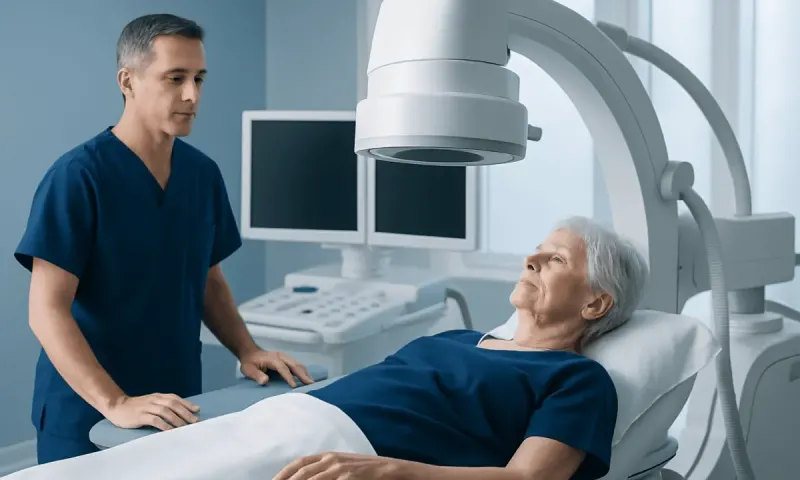
Spine Surgery Centers in Turkey: Care and Recovery
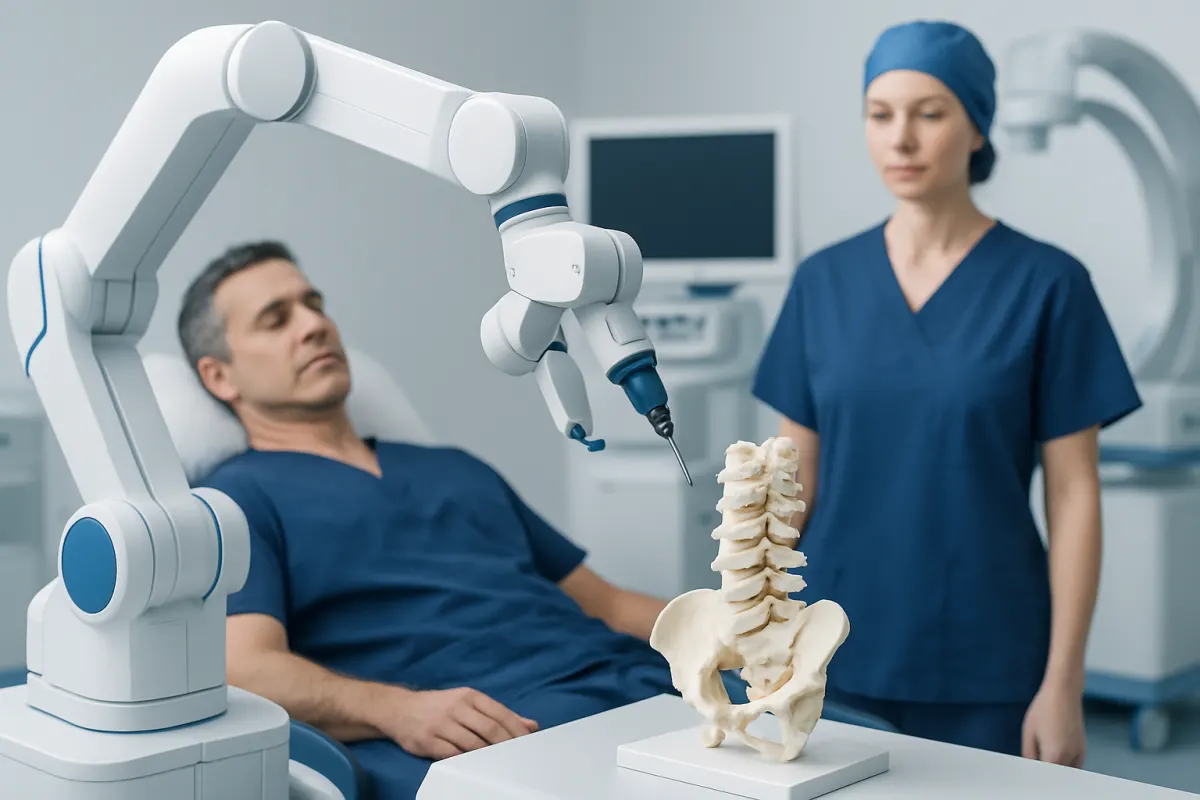
Spine surgery centers in Turkey can provide coordinated evaluation, surgical care and rehabilitation for people whose spinal symptoms have not improved with appropriate non-surgical treatment. The right option depends less on location alone and more on a clear diagnosis, appropriate surgical indication, qualified teams, hospital standards and a realistic plan for recovery and follow-up.
Overview: What spine surgery centers in Turkey offer
Spine surgery centers in Turkey assess and treat conditions affecting the bones, discs, joints, nerves and supporting tissues of the spine. Care may include consultations, imaging review, non-surgical treatment planning, surgery when it is medically appropriate, anesthesia, inpatient nursing and rehabilitation. A responsible spine program begins by confirming whether surgery is likely to address the person’s specific source of symptoms.
Spinal surgery is not automatically the best answer for back or neck pain. Many symptoms improve with time, guided exercise, physical therapy, medication or image-guided injections. Surgery is generally considered when there is a structural problem that matches the symptoms and examination findings, when conservative treatment has not provided acceptable relief, or when nerve function is threatened.
Common procedures include decompression surgery, such as discectomy or laminectomy, which creates more space for compressed nerves; spinal fusion, which stabilizes selected spinal segments; and surgery for fractures, deformity or tumors. A detailed spine surgery evaluation helps determine whether an operation is appropriate and which technique may offer the best balance of benefit and risk.
How spine surgery works and who may be a candidate
The goal of spinal surgery depends on the condition. Decompression procedures remove or reshape tissue that is pressing on a nerve, such as part of a herniated disc, thickened ligament or bone. Stabilization procedures may use implants and, in some cases, bone graft material to support a segment of the spine while fusion develops over time.
Potential candidates may have persistent leg or arm pain caused by nerve compression, progressive weakness, reduced walking tolerance from spinal stenosis, spinal instability, selected fractures, deformity, infection or tumors. Some people with a herniated disc may benefit from surgery when leg pain, weakness or impaired function remains significant despite appropriate non-surgical treatment.
Suitability is individualized. The clinician considers symptoms, neurological examination, imaging findings, general health, bone quality, smoking status, previous surgery, medication use and personal goals. Imaging changes alone do not necessarily require surgery; the findings should correspond to the person’s symptoms and physical examination.
- Urgent assessment may be needed for rapidly worsening weakness or symptoms of cauda equina syndrome.
- People should discuss expected benefits, alternatives and limitations, including whether surgery is intended mainly to relieve leg or arm symptoms rather than all back or neck pain.
- A second opinion can be helpful when the diagnosis, recommended procedure or expected outcome is unclear.
Step by step: what happens before, during and after surgery

Before surgery, the team reviews imaging, medical history, medicines and anesthesia risks. Blood tests or other assessments may be needed, depending on the procedure and the person’s health. Patients receive instructions about eating and drinking before anesthesia, medications that may need adjustment and practical preparation for discharge and rehabilitation.
On the day of surgery, the anesthesiology team provides anesthesia and monitors breathing, circulation and comfort throughout the procedure. The surgeon uses an approach suited to the spinal level and diagnosis. Some operations can be performed through smaller incisions with specialized instruments, while others require a more open approach for safe correction, decompression or stabilization.
After surgery, patients recover in a monitored area before transfer to a ward or, for larger operations, a higher-acuity setting. The team checks pain control, wound status, movement and nerve function. Early, supported walking is often encouraged when appropriate, because it can help circulation, breathing and confidence with movement.
Before discharge, patients should understand their medication plan, wound-care instructions, movement restrictions if any, warning signs and follow-up schedule. For people traveling internationally, discharge planning should also address safe travel timing, medical records, access to local follow-up and communication with the home healthcare team.
Benefits, limitations and possible risks
When the diagnosis and operation are well matched, surgery can relieve pressure on nerves, improve walking or limb function, stabilize an unstable spinal segment and improve quality of life. For example, decompression for nerve compression may be especially effective for radiating leg or arm pain. The expected improvement is different for each procedure and individual.
It is important to have realistic expectations. Surgery may not remove every symptom, especially long-standing numbness, chronic pain with several contributing causes, or pain that is not clearly linked to the spinal finding. Nerves can recover slowly, and rehabilitation may be needed to restore strength, mobility and confidence.
All operations have risks. These can include bleeding, infection, blood clots, anesthesia-related complications, spinal fluid leak, nerve injury, persistent or recurrent symptoms, wound problems and the need for another procedure. Fusion surgery also carries risks such as failure of the bone to fuse fully, implant-related problems or stress on nearby spinal levels over time.
Risk is influenced by the type and extent of surgery as well as general health factors such as diabetes, smoking, obesity, poor nutrition and osteoporosis. A surgical team should explain the risks most relevant to the planned operation, along with the alternatives to surgery and the steps used to reduce complications.
Recovery timeline and rehabilitation
Recovery is not the same for every spine operation. After a straightforward decompression or discectomy, some people begin walking on the day of surgery or the next day and may return to light daily activities within weeks. Recovery after fusion, multilevel surgery or deformity correction is usually longer because the body needs time to heal and, where applicable, for fusion to develop.
During the first days, the focus is safe movement, pain control, eating and drinking, bowel care, wound monitoring and learning how to get in and out of bed safely. Short, frequent walks are commonly used to build activity gradually. Heavy lifting, twisting and strenuous activity may be restricted for a period determined by the surgeon and procedure.
Rehabilitation can include guided walking, posture and movement education, flexibility work and progressive strengthening. The timing and content of physical therapy should be individualized; doing too much too soon may aggravate symptoms, while avoiding movement for too long can delay conditioning. People should follow their surgeon’s instructions rather than comparing their recovery with someone else’s.
Improvement in nerve-related pain may occur quickly after decompression, but numbness and weakness can take weeks or months to improve. Follow-up appointments allow the team to assess healing, review activity progression and address questions about work, travel and exercise.
What are the worst days after back surgery?
For many people, the first few days after back surgery are the most physically demanding. Incision discomfort, muscle soreness, fatigue, disrupted sleep and temporary limits on movement are common as anesthesia effects fade and the body begins healing. Constipation, nausea or reduced appetite can also occur, particularly while taking some pain medicines.
The exact timing differs by operation. Some patients find the first 48 to 72 hours hardest, while others experience a temporary increase in stiffness or fatigue when they become more active during the first one to two weeks. Pain should be managed using the plan provided by the care team, which may include prescribed medicines and non-drug measures such as position changes, short walks and cold therapy when advised.
Severe or rapidly worsening pain, fever, drainage from the wound, new weakness, new loss of sensation, calf swelling, chest pain or shortness of breath should be assessed promptly. A planned recovery should show gradual overall progress, even though day-to-day symptoms can fluctuate.
How painful is spine surgery recovery?
Spine surgery recovery can be uncomfortable, but pain is expected to be actively assessed and treated. The amount of pain depends on the operation, the number of spinal levels involved, the incision approach, pre-existing pain, general health and individual pain sensitivity. Muscle soreness around the surgical area is common, while nerve pain may improve gradually after pressure has been relieved.
A multimodal pain plan may combine different approaches to reduce reliance on any single medicine. Depending on clinical needs, this can include prescribed analgesics, local anesthesia techniques, gentle activity, careful positioning, sleep support and, later, rehabilitation. Patients should use medicines only as directed and tell their team if pain is uncontrolled or side effects are troublesome.
It is useful to distinguish expected postoperative soreness from warning signs. Pain that is suddenly escalating, is accompanied by fever or wound changes, or occurs with new neurological symptoms should not be managed alone at home. Early contact with the surgical team can help determine whether urgent assessment is needed.
Which country is best for spinal surgery, and is it safe to get surgery done in Turkey?
No single country is objectively best for spinal surgery for every person. Safe, effective care depends on the individual surgeon and multidisciplinary team, the hospital’s standards, the accuracy of diagnosis, access to appropriate imaging and intensive care if needed, infection prevention, rehabilitation and reliable follow-up. Patients should evaluate these factors rather than relying on destination-based claims.
It can be safe to have surgery in Turkey when treatment is provided by appropriately qualified professionals in a properly regulated hospital and the procedure is medically indicated. Before traveling, patients should verify the clinician’s training and experience with the planned procedure, understand the hospital’s accreditation and safety processes, request a clear treatment plan and ask how complications and follow-up will be managed after returning home.
International patients should allow enough time before flying, as travel too soon after surgery may increase discomfort and can raise concerns such as blood-clot risk. The treating surgeon should give individualized advice about travel readiness, mobility, compression measures when appropriate and urgent symptoms. Acıbadem Health Point’s multidisciplinary specialists and JCI-accredited hospitals diagnose and treat spinal conditions for international patients, with care planning that can include recovery and follow-up considerations.
When to seek medical care
Back or neck symptoms should be assessed by a qualified clinician when pain is persistent, severe, interferes with sleep or daily activities, or is accompanied by radiating pain, numbness, tingling or weakness in an arm or leg. A medical review is also appropriate after significant trauma, with unexplained weight loss, fever, a history of cancer or an increased risk of infection.
Urgent medical assessment is needed for new problems controlling the bladder or bowel, numbness in the groin or saddle area, rapidly progressing leg weakness, severe pain after trauma, or symptoms suggesting a serious infection. These symptoms are uncommon but can indicate conditions where timely treatment matters.
After spinal surgery, patients should contact their surgical team promptly for worsening weakness or numbness, wound redness that spreads, drainage, fever, uncontrolled pain, calf pain or swelling, chest pain or shortness of breath. Clear communication with the care team supports safer recovery and helps patients know when symptoms require in-person assessment.
Frequently asked questions
01How long do patients stay in hospital after spine surgery?
The length of stay depends on the procedure, overall health and early recovery. Some less extensive procedures may be done as day surgery or involve a short stay, while fusion, deformity correction or complex surgery may require several days or longer. The team decides discharge readiness based on safe movement, pain control, wound status and the availability of support at home or accommodation.
02Can spine surgery be avoided?
In many cases, yes. Guided exercise, physical therapy, activity modification, medication and selected injections can help manage spinal symptoms without surgery. However, surgery may be recommended when there is progressive neurological loss, severe nerve compression, instability or disabling symptoms that have not improved with suitable conservative care.
03When can a patient fly after spine surgery?
The safe timing for flying varies according to the operation, recovery progress, length of flight and individual clot-risk factors. A surgeon should provide personalized clearance before travel, particularly after fusion or major surgery. Patients should also ask about mobility during travel, hydration and warning symptoms that need urgent care.
04Will surgery cure all back pain?
Not necessarily. Surgery is most likely to help when symptoms are clearly caused by a correctable structural problem, such as a nerve being compressed by a disc herniation or spinal stenosis. Back pain can have multiple causes, so the surgeon should explain which symptoms are expected to improve and which may persist.
05What should patients ask a spine surgery center before traveling?
Patients can ask who will perform the operation, why the procedure is recommended, what alternatives are available and what recovery is expected. They should also ask about hospital accreditation, anesthesia and intensive-care resources, infection prevention, total care coordination, discharge arrangements and how follow-up or complications will be handled after returning home.
06What are signs of a complication after back surgery?
Possible warning signs include fever, increasing redness or drainage from the incision, sudden worsening pain, new weakness or numbness, loss of bladder or bowel control, calf swelling, chest pain and shortness of breath. These symptoms do not always mean a serious complication, but they require prompt medical advice. Emergency services should be used for severe symptoms such as chest pain, breathing difficulty or sudden neurological changes.
This article is for general information only and is not a substitute for professional medical advice. Please consult a qualified doctor about your individual situation.
Joint and spine care in Turkey — expert assessment & treatment
JCI-accredited · board-certified surgeons · reply within 24h
Add us as a Preferred Source to see more of our trusted health content across Google Search, AI Overviews and Discover.