Spinal Cancer Diagnosis, Prognosis, and Treatment
Spinal cancer describes cancer affecting the spinal column, spinal cord, or nearby tissues. Its outlook varies widely, but early assessment is important because tumors can affect spinal stability and nerve function.
Spinal cancer: an overview
Spinal cancer is cancer that develops in or around the spine, including the vertebrae (spinal bones), spinal cord, nerves, or the tissues surrounding them. It is uncommon for cancer to start in the spine. More often, a spinal tumor is metastatic, meaning cancer that began in another part of the body, such as the breast, lung, prostate, kidney, or thyroid, has spread to the spine.
The term “spinal cancer” covers several different conditions. Some tumors affect the spinal bones and may weaken them; others arise inside or near the spinal canal and can press on the spinal cord or nerve roots. This pressure can cause pain, altered sensation, weakness, or difficulty walking. The diagnosis, likely course, and treatment choices depend on the precise tumor type and its location.
Not every spinal tumor is cancerous. Benign tumors can also cause important symptoms when they compress nerves or make the spine unstable. A specialist team uses imaging and, when appropriate, tissue testing to distinguish these conditions and plan care safely.
Symptoms and when to seek medical care
Back or neck pain is common and usually has causes other than cancer. However, pain from a spinal tumor may be persistent, progressively worsening, present at night, or not clearly related to activity or an injury. It can occur in the neck, middle back, or lower back and may spread into an arm, chest, buttock, or leg.
Other possible symptoms arise when a tumor affects the spinal cord or nerves. These include numbness, tingling, weakness, reduced coordination, walking difficulty, and changes in reflexes. A tumor involving the vertebrae may also lead to spinal instability or, occasionally, a fracture after minimal force.
When to seek medical care: A person should arrange a prompt medical review for new, unexplained, persistent, or worsening spinal pain, particularly if there is a history of cancer. Emergency care is needed for new weakness, trouble walking, numbness around the groin or buttocks, or loss of bladder or bowel control. These symptoms can indicate spinal cord or nerve compression and require urgent evaluation.
Causes, types, and risk factors

Primary spinal cancers begin in the tissues of the spine. They include rare bone and soft-tissue cancers such as chordoma, chondrosarcoma, osteosarcoma, Ewing sarcoma, and certain sarcomas. Tumors may also arise from the spinal cord, nerve coverings, or nearby tissues; not all of these are malignant.
Metastatic spinal tumors are more common than primary spinal cancers. They develop when cancer cells travel from a cancer elsewhere in the body to the bones of the spine or, less commonly, to structures in or around the spinal canal. For many people, a known history of cancer helps guide testing, although a spinal lesion may occasionally be the first sign that a cancer is present.
Most spinal cancers do not have a single identifiable cause. Some primary bone tumors are linked with rare inherited cancer predisposition syndromes, previous radiation exposure, or certain bone disorders, but these factors account for only a minority of cases. Having back pain alone does not mean a person has spinal cancer.
How spinal cancer is diagnosed
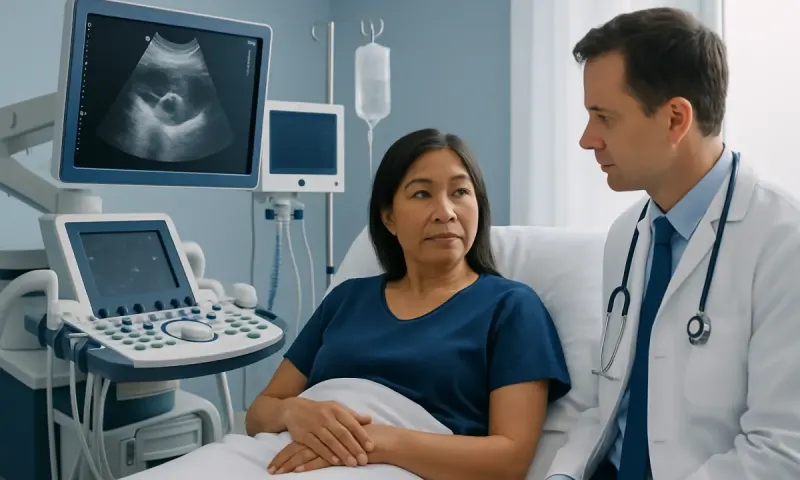
Diagnosis begins with a detailed history and neurological examination. The clinician asks about pain, changes in strength or sensation, balance, bladder or bowel function, prior cancer, and general symptoms such as unexplained weight loss or fatigue. The examination evaluates movement, reflexes, sensation, and signs of spinal instability.
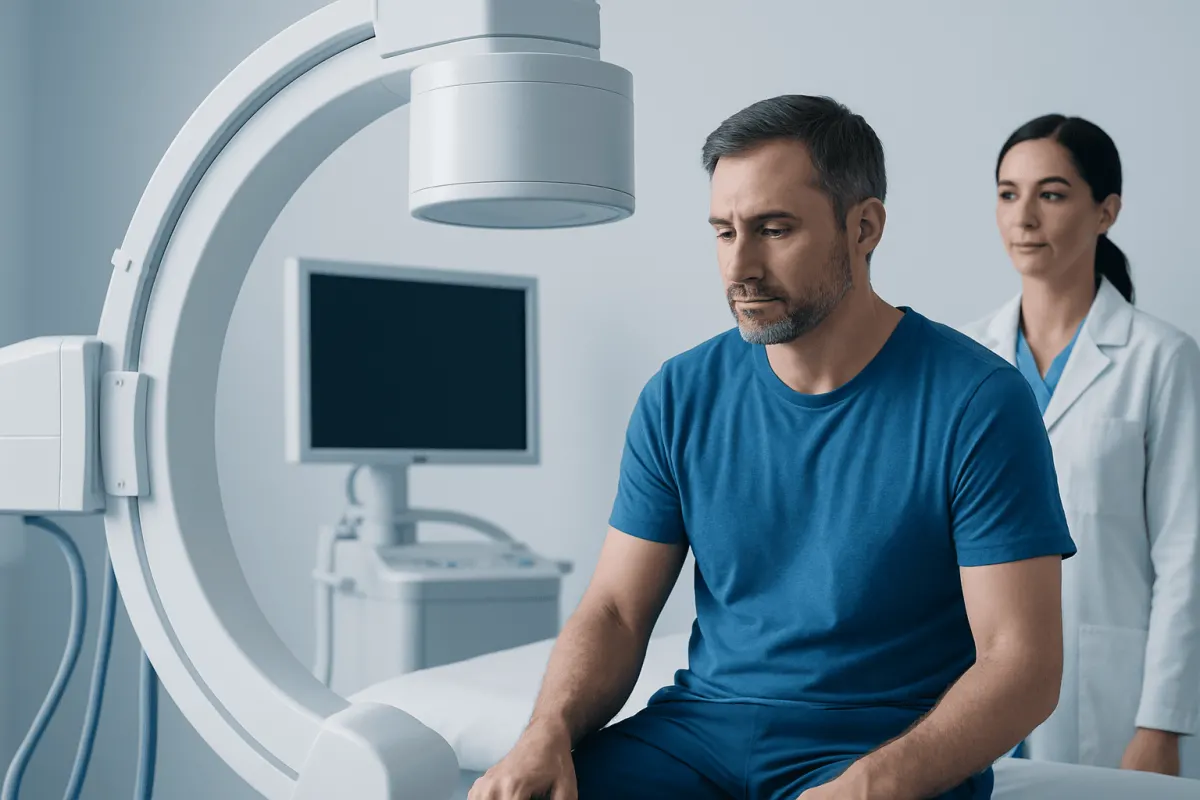
MRI is often the most useful scan for assessing a suspected spinal tumor because it shows the spinal cord, nerves, soft tissues, and bone marrow in detail. CT can better define bony destruction or help with surgical planning. Depending on the situation, doctors may also use X-rays, PET-CT, bone scans, or CT scans of the chest, abdomen, and pelvis to look for cancer elsewhere and determine whether disease has spread.
A biopsy may be needed to confirm the diagnosis and identify the tumor’s cell type and molecular features. Whenever possible, the biopsy should be planned by the team that may perform surgery, as the route used to obtain tissue can matter for later treatment. Blood tests can support the overall evaluation but cannot diagnose spinal cancer on their own.
Modern treatment approaches for spinal cancer
Treatment is individualized through a multidisciplinary discussion involving specialists such as spinal surgeons, neurosurgeons, orthopedic oncologists, medical oncologists, radiation oncologists, radiologists, pathologists, pain specialists, and rehabilitation professionals. The goals may include controlling the cancer, protecting nerve function, relieving pain, restoring spinal stability, and maintaining independence and quality of life.
Surgery may be recommended to relieve pressure on the spinal cord or nerves, stabilize weakened vertebrae, obtain tissue, or remove a localized tumor when this can be done safely. The operation can range from decompression and stabilization to more extensive tumor removal. Surgical planning considers tumor anatomy, blood supply, spinal stability, neurological function, and the person’s general health.
Radiotherapy is commonly used for metastatic disease, after surgery, or when surgery is not suitable. Modern image-guided techniques and stereotactic body radiotherapy can deliver focused treatment in selected cases while aiming to protect nearby structures. Systemic treatment may include chemotherapy, hormone therapy, targeted therapy, immunotherapy, or bone-strengthening medicines, depending on the original cancer and tumor biology.
Supportive care is an important part of treatment at every stage. This can include pain control, physical and occupational therapy, mobility support, nutritional care, and emotional support. Acıbadem Health Point’s multidisciplinary specialists at JCI-accredited hospitals evaluate and treat spinal tumors for international patients, with care plans tailored to the diagnosis and clinical needs.
Can spinal cancer go into remission?
Yes, some spinal cancers can go into remission, particularly when a primary tumor is localized and responds fully to surgery, radiotherapy, systemic treatment, or a combination of these approaches. Remission means there is no evidence of active cancer on examination, scans, and other follow-up tests. It does not always mean that cancer can never return, so continued monitoring is important.
For metastatic spinal cancer, treatment may sometimes achieve a prolonged period of disease control or remission, but the outlook is tied closely to the original cancer and how it responds to therapy. In other cases, treatment focuses on controlling growth, preventing neurological complications, and managing symptoms for as long as possible.
Follow-up schedules vary according to the tumor type and treatment received. They may include clinical reviews, neurological checks, and repeat imaging. A person’s oncology team can explain what remission means in their specific situation and what monitoring is appropriate.
What is the life expectancy for someone with stage 2 spinal cancer?
There is no single life-expectancy figure for “stage 2 spinal cancer.” Primary spinal tumors are rare and are not all staged in the same way; some use bone sarcoma staging systems, while others are described by grade, size, local extent, and whether they have spread. Metastatic spinal tumors are generally staged according to the original cancer rather than the spinal lesion itself.
For a localized primary tumor described as stage 2, outlook can differ substantially according to the exact diagnosis, grade, location, whether complete surgical removal is possible, and response to radiotherapy or drug treatment. Some people can be treated with curative intent, while others need longer-term disease control. Stage alone cannot predict an individual outcome.
The most useful prognosis comes from the treating specialist after pathology and imaging results are available. They can discuss realistic treatment goals, the role of surgery and other therapies, and the factors that are most relevant to that person’s condition.
What is the average survival rate for spinal tumor surgery?
There is no meaningful single average survival rate for spinal tumor surgery. Surgery is performed for many different tumors, including benign tumors, localized primary cancers, and metastatic cancers, and the reason for surgery may be tumor removal, spinal stabilization, pain relief, or relief of spinal cord compression. Survival is therefore influenced much more by the underlying tumor and extent of disease than by the operation alone.
For some localized primary spinal tumors, complete removal with appropriately planned additional treatment can offer the best chance of long-term control. For metastatic tumors, surgery may preserve or improve neurological function, stabilize the spine, and reduce pain; it is often combined with radiotherapy and systemic cancer treatment.
Doctors also assess surgical risk individually. Important considerations include the tumor’s relationship to the spinal cord and major blood vessels, overall fitness for surgery, the need for reconstruction, and expected benefits for function and comfort. Asking about the goals of surgery is often more informative than comparing broad survival statistics.
What is the prognosis for bone cancer in the spine?
The prognosis for bone cancer in the spine depends on whether the cancer began in the spinal bone or spread there from another organ. Primary bone cancers of the spine can be difficult to treat because they are close to the spinal cord, nerves, and major blood vessels. Prognosis is affected by tumor type and grade, local extent, ability to remove the tumor fully, and whether cancer has spread.
When bone cancer has spread to the spine, prognosis depends chiefly on the original cancer, the number and location of metastases, response to systemic therapy, general health, and neurological status. Even when metastatic cancer is not curable, treatment can often help manage pain, reduce the risk of fracture or compression, and support mobility and day-to-day function.
Early assessment of new neurological symptoms is especially important because timely treatment of spinal cord compression can help protect function. People should discuss their individual outlook with their oncology and spine team, who can interpret imaging, pathology, and treatment response in context.
Frequently asked questions
01Is spinal cancer always metastatic?
No. Cancer can begin in the bones, tissues, nerves, or structures around the spine, although primary spinal cancers are rare. Metastatic cancer spreading to the spine from another part of the body is more common.
02Can an MRI diagnose spinal cancer?
MRI can show a spinal mass, spinal cord compression, and changes in bone and soft tissue that raise concern for a tumor. However, a biopsy is often needed to confirm the tumor type and guide treatment, especially when cancer is suspected.
03Is back pain the first sign of spinal cancer?
Persistent or progressive back pain can be a symptom, but back pain is very common and usually is not caused by cancer. Pain that is severe, worsening, occurs at night, or is accompanied by weakness, numbness, or other neurological changes should be assessed promptly.
04Can spinal cancer cause paralysis?
A tumor can press on the spinal cord or nerves and may cause weakness, difficulty walking, or paralysis if compression is severe or untreated. New neurological symptoms require urgent medical evaluation because early treatment may help protect nerve function.
05Is spinal tumor surgery always necessary?
No. The need for surgery depends on the tumor type, location, spinal stability, symptoms, and treatment goals. Some tumors are treated primarily with radiotherapy, systemic medicines, or monitoring, while surgery may be important for compression, instability, diagnosis, or removal of selected tumors.
06What specialists treat spinal cancer?
Care commonly involves a multidisciplinary team, including oncology, radiation oncology, spinal surgery or neurosurgery, radiology, pathology, pain management, and rehabilitation. This approach helps ensure that cancer control, neurological safety, spinal stability, and quality of life are considered together.
This article is for general information only and is not a substitute for professional medical advice. Please consult a qualified doctor about your individual situation.
Joint and spine care in Turkey — expert assessment & treatment
JCI-accredited · board-certified surgeons · reply within 24h
Add us as a Preferred Source to see more of our trusted health content across Google Search, AI Overviews and Discover.