Why the Lower Eyelid Twitches and When to Get It Checked

You’re reading, or driving, or halfway through a meeting, and the skin just under your eye starts to flutter. It feels loud to you. Nobody else notices.
That little flicker is usually myokymia, a small, temporary twitch of the eyelid muscle, and it normally settles on its own. But when the spasms keep coming back, stick around, or begin spreading, they can point to eye irritation, a side effect of medication, or a neurologic condition that deserves a proper look.
Overview: what a spasm below eye usually means
What most people mean by a spasm below the eye is a small, repetitive twitch in the lower eyelid or the muscles around it. In many people, this is eyelid myokymia — a harmless, short-lived muscle contraction. Annoying and distracting, yes. A sign of serious disease, usually not.
The twitch may come and go over minutes, hours, or a few days. Some people notice it more when they are tired, stressed, spending long periods on screens, or drinking more caffeine than usual. The movement is often subtle and may even be more noticeable to the person feeling it than to others watching.
Not every spasm below eye is the same. A mild lower-lid flutter differs from forceful blinking, involuntary closure of the eyelids, or twitching that spreads across one side of the face. Those patterns can suggest other causes and may need a more detailed eye or neurologic assessment.
Common symptoms and how they can feel
People describe a spasm below eye in different ways: fluttering, pulsing, jumping, quivering, or a light tapping sensation under the lower lid. The twitch is usually painless, but it can be irritating, especially when it keeps returning during work, reading, or driving.
In simple eyelid myokymia, the movement usually affects one eye at a time and stays limited to the eyelid. It does not usually change vision, cause marked redness, or produce major swelling. Episodes may last a few seconds at a time and recur throughout the day.
Some associated symptoms can help point to an underlying trigger. Dryness, burning, grittiness, tearing, or light sensitivity may suggest eye surface irritation. Crusting along the eyelid margin can occur with blepharitis. If the eye squeezes shut, if there is frequent blinking, or if the cheek or mouth also starts twitching, the pattern is different and should be assessed.
- Mild fluttering of the lower eyelid
- Intermittent twitching that worsens with fatigue or stress
- A sensation of tightness around the eye
- Occasional dryness or irritation if eye strain is present
Causes and risk factors

The most common cause of a spasm below eye is benign eyelid myokymia. This often develops when the small muscles of the eyelid become overactive for a short time. Usual triggers include stress, lack of sleep, anxiety, excess caffeine, nicotine, alcohol, prolonged screen use, and eye strain from reading or visual tasks.
Eye-related problems can also contribute. Dry eye, allergies, eyelid inflammation, corneal irritation, or a foreign body on the eye surface may make twitching more likely. In some cases, contact lens irritation or not wearing the correct glasses prescription can play a role. Conditions that affect the eyelid edges, such as blepharitis, may increase local irritation and trigger repeated twitching.
Less commonly, a spasm below eye is part of a movement disorder. blepharospasm causes involuntary blinking or squeezing of both eyelids, while hemifacial spasm usually affects one side of the face and can involve the eyelid, cheek, and mouth. Certain medicines, including some stimulants or drugs that affect the nervous system, can also contribute to twitching in some people.
Rarely, mineral imbalance, systemic illness, or neurologic disease may be considered, especially if symptoms are persistent, progressive, or paired with other neurologic signs. For most people, though, a brief eyelid twitch traces back to everyday triggers, not a serious medical problem.
How doctors diagnose the cause
Diagnosis starts with a careful history. A doctor will usually ask when the spasm began, how often it happens, whether it is in one eye or both, and whether it stays in the eyelid or spreads to other parts of the face. Questions about sleep, stress, caffeine use, screen time, new medications, contact lenses, and eye symptoms such as redness or dryness can be very helpful.
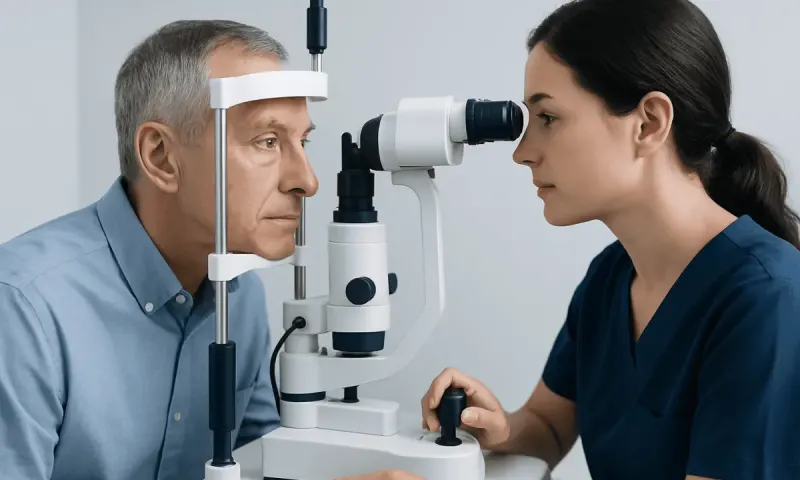
An eye examination often looks for signs of dry eye, inflammation, infection, allergy, eyelid abnormalities, or irritation on the surface of the eye. The clinician may observe the twitch pattern directly if it is happening during the visit. If the spasms are stronger, involve both eyelids, or extend into the face, the assessment may also include a neurologic examination.
Most people do not need extensive testing for a simple, short-term spasm below eye. However, further evaluation may be considered when the twitch lasts for several weeks, becomes more severe, causes the eyelid to close, affects daily function, or comes with facial weakness, numbness, vision changes, or headache. Depending on the findings, referral to ophthalmology or neurology may be advised.
Treatment options and symptom relief
Treatment depends on the cause. For a typical spasm below eye caused by fatigue, stress, or stimulants, the main approach is to reduce triggers and give the eyelid time to settle. Many cases improve without prescription treatment once sleep, stress management, and visual habits are addressed.
If dryness or irritation is contributing, doctors may recommend lubricating eye drops, treatment for allergies, or care for eyelid inflammation. When eye strain is a factor, updating a glasses prescription, adjusting screen settings, and taking regular visual breaks may help. It is generally best to avoid rubbing the eye, which can worsen irritation and make twitching more noticeable.
When the twitching is part of a diagnosed movement disorder such as blepharospasm or hemifacial spasm, treatment may be more targeted. In selected cases, specialists may discuss botulinum toxin injections to relax overactive muscles. If a structural cause is suspected, doctors may use detailed MRI scanning as part of evaluation. Rarely, persistent cases with a nerve-related cause may lead to discussion of specialized options such as neurosurgical treatment, depending on the diagnosis and the patient’s overall health.
When symptoms drag on or the picture is complicated, it helps to have more than one specialist looking at it. At Acıbadem Health Point’s JCI-accredited hospitals, international patients with eye and neurologic symptoms are assessed jointly by ophthalmology, neurology, and related specialists.
Prevention and self-care strategies
Because a spasm below eye is often linked to daily habits, prevention usually focuses on reducing common triggers. Regular sleep, balanced caffeine intake, good hydration, and time away from screens can make a meaningful difference. Many patients find that the twitch becomes less frequent once these changes are consistent.
Gentle eye care may also help. Using artificial tears if recommended, managing allergies, and taking breaks during long periods of reading or computer work can reduce irritation. One easy habit: every 20 minutes, stop and look into the distance for a short while. It relaxes the focusing muscles and gets you blinking again.
Stress does not cause every eyelid twitch, but it is a common aggravating factor. Relaxation strategies such as walking, stretching, mindfulness, and improving sleep routines may be helpful. If a medication seems to be linked to the twitch, patients should not stop it on their own but should ask their prescribing doctor whether an adjustment is appropriate.
- Prioritize consistent sleep
- Limit excess caffeine, nicotine, and alcohol
- Take regular screen and reading breaks
- Address dry eye, allergies, or eyelid irritation
- Seek medical advice before changing prescribed medicines
When to seek medical care
Most cases of spasm below eye are not urgent, but medical review is sensible when the twitch does not settle. A person should consider seeing a doctor if the spasm continues for several weeks, becomes more frequent, or starts interfering with work, reading, or driving.
Prompt assessment is especially important if the eyelid closes forcefully, if both eyes are affected, or if twitching spreads to the cheek, mouth, or other facial muscles. Other reasons to seek care include double vision, new drooping of the face, persistent eye redness, discharge, significant pain, or changes in vision.
Emergency care may be needed if eyelid twitching occurs together with sudden weakness, trouble speaking, severe headache, or other acute neurologic symptoms. These combinations are uncommon, but don’t wait them out. A qualified clinician can determine whether the spasm is a simple eyelid twitch or part of a condition that needs treatment.
Frequently asked questions
01Is a spasm below eye usually serious?
Most of the time, no. A spasm below eye is commonly a harmless eyelid twitch related to stress, tiredness, caffeine, or eye strain. It becomes more important to evaluate if it lasts for weeks, spreads, or affects vision or facial movement.
02How long can an eyelid twitch last?
A mild eyelid twitch may last a few seconds at a time and recur over several hours or days. In some people, it comes and goes for longer, especially if triggers such as poor sleep or heavy screen use continue. If it persists for several weeks, a medical check is reasonable.
03Can stress cause a spasm below eye?
Yes, stress is one of the most common triggers. It may act together with fatigue, caffeine, and screen exposure to make the eyelid muscles more likely to twitch. Stress reduction alone will not help every case, but it often improves benign twitching.
04What is the difference between myokymia and blepharospasm?
Myokymia is the usual small, fine twitch of the eyelid and is generally benign. Blepharospasm is a different condition that causes stronger, repetitive blinking or squeezing of the eyelids, often involving both eyes. Because treatment and evaluation differ, a doctor should assess persistent or forceful symptoms.
05Should a person stop caffeine if they have an eye twitch?
It may help to reduce caffeine for a period, especially if intake has recently increased. Not everyone needs to avoid it completely, but limiting excess coffee, energy drinks, or other stimulants can reduce twitching in some people. Sleep and screen habits are also important.
06Can dry eye cause twitching below the eye?
Yes. Dryness and irritation on the eye surface can make the eyelid more reactive and can contribute to twitching. Treating the dryness or the cause of irritation often helps the spasm improve.
This article is for general information only and is not a substitute for professional medical advice. Please consult a qualified doctor about your individual situation.
Explore treatments in Turkey — costs, top hospitals & a free quote
JCI-accredited · board-certified surgeons · reply within 24h
Add us as a Preferred Source to see more of our trusted health content across Google Search, AI Overviews and Discover.