Sore Foot Arches: Causes and Treatment

Key Takeaways
- Arch pain can come from overuse, footwear, foot structure, or irritation in the tissues that support the foot.
- Symptoms may include aching, tightness, tenderness, swelling, or pain that is worse with first steps or long periods on the feet.
- A doctor may recommend an exam, gait assessment, imaging, or other tests if the pain is persistent or severe.
- Treatment often includes rest, supportive shoes, stretching, activity changes, and sometimes orthotics or physical therapy.
- Seeing a doctor early is helpful if pain follows an injury, limits walking, or is accompanied by numbness, redness, or swelling.
Sore feet arches can make standing, walking, and everyday movement feel harder than usual. The discomfort often improves with simple measures, but persistent pain deserves a closer look to find the underlying cause.
Overview
The arches of the feet are designed to absorb shock and help the body move efficiently. When these structures become irritated, strained, or unsupported, even routine tasks such as grocery shopping, long work shifts, or airport walking can feel unexpectedly uncomfortable.
Sore feet arches are a symptom rather than a diagnosis. The pain may be linked to the plantar fascia, muscles, tendons, ligaments, or bones that help maintain the arch, and the pattern of discomfort often gives clues about the cause.
For many people, arch pain develops gradually after a change in activity, footwear, or surface type. For others, it appears after a twist, a long day on hard floors, or a new exercise routine. Understanding what triggered the pain is often the first step toward steady relief.
Symptoms

Arch pain can feel different from one person to another. Some describe a dull ache in the middle of the foot, while others notice a sharp pull during the first few steps in the morning or after sitting for a while.
Common signs may include tenderness along the arch, a feeling of tightness in the sole, swelling, or discomfort that worsens when standing or walking for long periods. The pain may be present in one foot or both, depending on the cause.
In some cases, arch pain is accompanied by related symptoms elsewhere in the foot or leg. A person may notice heel pain, pain along the inside of the ankle, cramping, or a sense that the foot is tiring more quickly than usual.
- Pain when taking the first steps after rest
- Aching that increases with long periods of standing
- Tenderness when pressing on the arch
- Stiffness in the sole or heel
- Changes in walking because of discomfort
Causes & Risk Factors

Several issues can contribute to sore feet arches. Overuse is one of the most common reasons, especially when activity rises quickly or when a person spends many hours on hard surfaces. Running, jumping, hiking, and prolonged standing can all place repeated stress on the arch.
Foot structure also matters. Flat feet, high arches, tight calf muscles, and limited ankle mobility can change how weight is distributed through the foot. When the arch is not supported evenly, the surrounding tissues may work harder and become painful over time.
Footwear is another important factor. Shoes with poor arch support, worn-out soles, or very thin cushioning may allow too much strain to reach the arch. Body weight, aging, connective tissue conditions, diabetes-related nerve issues, and previous foot injuries can also increase the likelihood of ongoing discomfort.
Some possible contributors include:
- Plantar fasciitis or strain of the plantar fascia
- Posterior tibial tendon problems
- Flat feet or overpronation
- High arches with poor shock absorption
- Stress injury or inflammation in the foot
Diagnosis
Diagnosis usually begins with a detailed history and a physical examination. A clinician may ask when the pain started, what activities make it worse, what kind of shoes are worn, and whether the discomfort is linked to a recent increase in walking, sports, or travel.
During the exam, the doctor may gently press on the foot, check range of motion, observe posture and gait, and look for areas of swelling or tenderness. This helps distinguish simple muscle or fascia strain from problems involving tendons, joints, or bones.
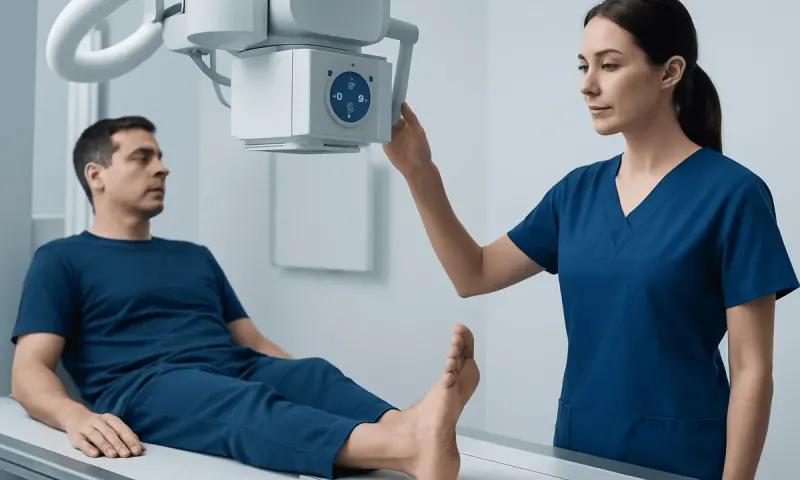
If the pain is persistent, severe, or not improving as expected, imaging or additional tests may be considered. X-rays can help rule out fractures or structural concerns, while ultrasound or MRI may be useful when soft tissue injury is suspected. The goal is not just to confirm pain in the arch, but to identify the most appropriate path to recovery.
Treatment Options
Treatment depends on the cause, but many cases improve with conservative care. Reducing the activity that triggers pain, switching to more supportive shoes, and avoiding prolonged time on hard surfaces can give irritated tissues a chance to calm down.
Stretching and strengthening exercises are often part of care, especially when tight calf muscles or foot mechanics are contributing to the problem. A physical therapist may teach exercises that support the arch, improve flexibility, and restore more efficient movement.
Orthotic inserts, taping, or other supportive devices may help redistribute pressure across the foot. In some situations, a doctor may recommend anti-inflammatory measures or other treatments based on the specific diagnosis. When arch pain is related to a tendon injury, stress fracture, or another structural condition, care may need to be more targeted and supervised.
Typical treatment approaches may include:
- Temporary rest or activity modification
- Supportive footwear and cushioned insoles
- Stretching of the calves, Achilles tendon, and plantar fascia
- Physical therapy and gait correction
- Custom orthotics or taping in selected cases
Prevention & Self-care
Prevention focuses on reducing repetitive strain and keeping the foot well supported. Shoes should match the activity and provide enough structure for the arch; worn-out footwear is a common reason symptoms linger or return.
Gradual changes matter. Increasing walking distance, training intensity, or time spent on one’s feet in small steps gives the feet time to adapt. For people who travel often, this can mean alternating long walking days with more restful intervals and choosing footwear that can handle airport terminals, city streets, and uneven surfaces.
Simple self-care can also help. Gentle calf stretching, rolling the foot on a firm ball if it feels soothing, and icing after a busy day may reduce discomfort. Maintaining a healthy body weight and addressing tightness in the lower legs can further lessen stress on the arch.
Helpful habits include:
- Replacing shoes before support and cushioning wear out
- Using arch-supportive footwear instead of very flat sandals or thin-soled shoes
- Warming up before exercise
- Spacing out high-impact activity when possible
- Stopping an activity if pain becomes sharp or changes walking mechanics
When to See a Doctor
Medical evaluation is a good idea when arch pain lasts more than a short period, keeps returning, or begins to interfere with walking, work, or sleep. Pain that does not improve with basic self-care may signal a condition that benefits from a more specific plan.
Prompt assessment is especially important if the pain follows an injury, if the foot becomes swollen or red, if there is numbness or weakness, or if the person cannot bear weight comfortably. These findings may point to a fracture, nerve involvement, tendon injury, or another issue that should not be managed only at home.
For international patients who are considering care away from home, it can be helpful to seek a center that can coordinate diagnosis, treatment, rehabilitation, and follow-up in one place. Acibadem Health Point’s multidisciplinary specialists and JCI-accredited hospitals diagnose and treat foot and arch problems for international patients with coordinated care planning.
Living With Recurring Arch Pain
When arch pain keeps coming back, the goal is to look beyond the symptom and understand the movement pattern behind it. Some people need better shoe support, while others need rehabilitation for a tendon or a more careful return to exercise.
Keeping a simple record of when the pain appears can be useful. Noting the shoes worn, the amount of walking done, the surface type, and whether the pain is worse in the morning or after activity can help a clinician identify the most likely cause.
With the right combination of support, pacing, and targeted care, many people are able to return to comfortable daily movement. The key is to treat recurring arch pain as a signal to adjust mechanics early, rather than waiting until the discomfort becomes harder to settle.
Frequently asked questions
01What does it usually mean when the arch of the foot hurts?
Arch pain often means the tissues that support the foot are under strain. Common causes include overuse, poor footwear, flat feet, plantar fasciitis, or tendon irritation. A proper exam helps identify which structure is involved.
02Is arch pain the same as plantar fasciitis?
Not always. Plantar fasciitis is one possible cause of arch or heel pain, but other problems such as tendon strain, flat feet, or stress injury can feel similar. A clinician may look at the pain pattern to distinguish them.
03Can shoes really cause sore feet arches?
Yes. Shoes with little support, worn-out cushioning, or a poor fit can increase stress on the arch and make symptoms worse. Supportive footwear is often one of the simplest and most helpful changes.
04What helps arch pain at home?
Resting the foot, wearing supportive shoes, and doing gentle stretching are common first steps. Icing after activity may also ease soreness. If pain is sharp, worsening, or persistent, medical advice is recommended.
05When should arch pain be checked by a doctor?
A doctor should be seen if the pain lasts more than a short time, keeps returning, or makes it hard to walk normally. Evaluation is also important after injury or if there is swelling, numbness, redness, or weakness.
06Can arch pain go away on its own?
Mild arch pain sometimes improves with rest and better support. However, if the underlying cause remains, symptoms can come back. Early attention often shortens recovery and helps prevent ongoing strain.
This article is for general information only and is not a substitute for professional medical advice. Please consult a qualified doctor about your individual situation.
Joint and spine care in Turkey — expert assessment & treatment
JCI-accredited · board-certified surgeons · reply within 24h
Add us as a Preferred Source to see more of our trusted health content across Google Search, AI Overviews and Discover.