Smile makeover Recovery: Week-by-Week Timeline
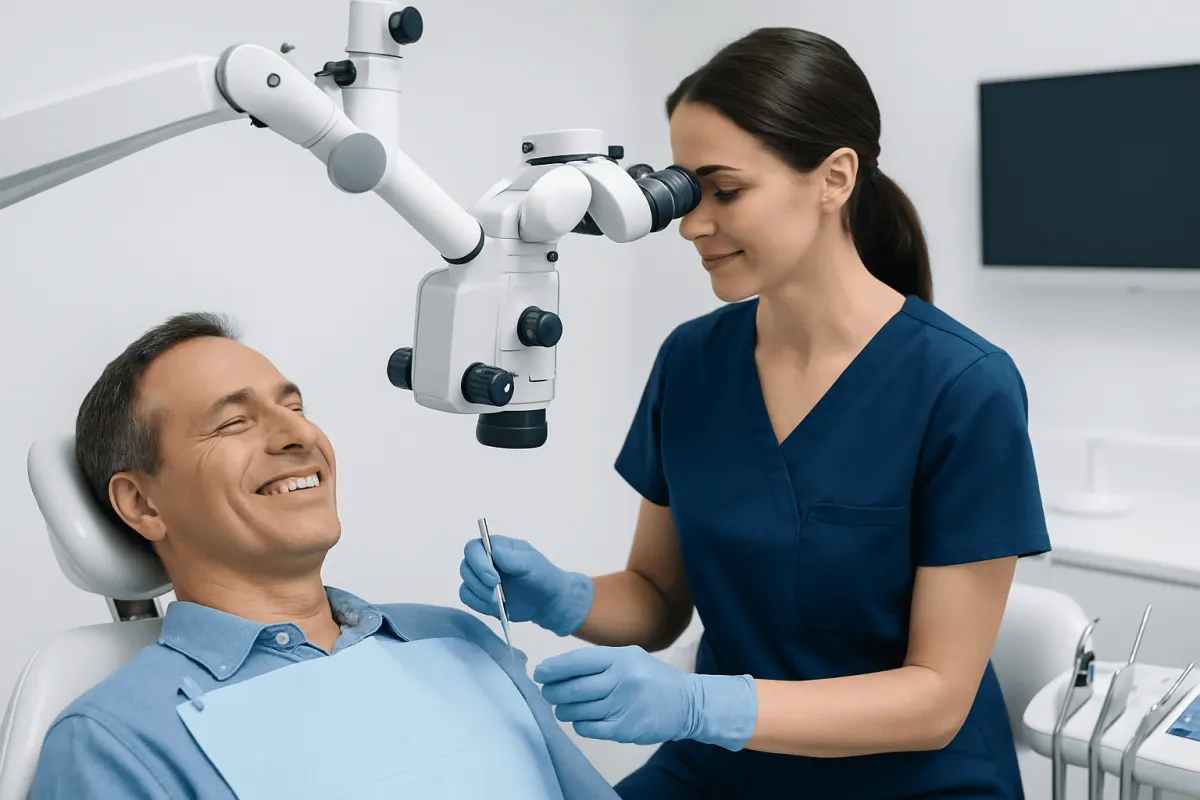
Smile makeover recovery varies because a makeover may combine whitening, bonding, veneers, crowns, gum contouring, implants, or orthodontic treatment. Many people return to desk-based work quickly after non-surgical care, while procedures involving gums, extractions, or implants require a more gradual recovery plan.
Smile Makeover Recovery: What to Expect
Smile makeover recovery is not one fixed process. A smile makeover is a personalized treatment plan designed to improve the appearance and, in some cases, function of the teeth and gums. It may include teeth whitening, composite bonding, veneers, crowns, gum reshaping, orthodontics, dental implants, or replacement of older restorations. Recovery can therefore range from little or no downtime after whitening to several months of healing when implants or gum surgery are involved.
For many non-surgical treatments, the main early effects are temporary tooth sensitivity, mild gum tenderness, and the time needed to become comfortable with the shape and feel of new teeth. If surgical care is part of the plan, swelling, bruising, dietary changes, and activity restrictions may be expected for a short period. The treating dentist provides instructions based on the exact procedures performed.
A smile makeover is usually planned around oral health first. Existing tooth decay, gum inflammation, infection, tooth grinding, or bite problems may need treatment before cosmetic work begins. For an overview of how personalized plans are developed, patients can read about smile makeover treatment.
How a Smile Makeover Works and Who May Be a Candidate
A smile makeover begins with an assessment of the teeth, gums, bite, facial proportions, and a person’s goals. The dentist may take photographs, digital scans, X-rays, and bite records. In some situations, a digital smile design or a trial smile helps the person understand potential changes before permanent restorations are made.
Suitable candidates generally have stable oral health or are willing to complete necessary treatment first. Healthy gums are particularly important because gum disease can affect the appearance, comfort, and long-term support of restorations. People with untreated decay, active periodontal disease, severe tooth wear, or uncontrolled teeth grinding may need additional care or protective measures before veneers, crowns, or bonding are considered.
Pregnancy, certain medical conditions, medicines that affect healing or bleeding, smoking, and a history of jaw clenching should be discussed openly with the dental team. A smile makeover can be adapted to many needs, but it should be based on realistic expectations and a plan that protects natural tooth structure whenever possible.
Step by Step: What Happens During Treatment

The first stage is consultation and planning. The dental team discusses priorities such as tooth color, alignment, spacing, shape, gum display, and comfort when biting. They also explain which changes can be achieved conservatively and which may require more extensive treatment. A plan may be completed in one visit, over several appointments, or in phases.
Non-surgical options such as professional whitening and composite bonding may be completed relatively quickly. Veneers and crowns generally involve preparing the tooth when needed, taking an impression or scan, placing temporary restorations, and fitting the final restoration at a later visit. People may need a short adjustment period after the final fitting while the bite and speech feel natural.
Where gum contouring, extraction, bone grafting, or implants are included, healing usually occurs before the final cosmetic restoration is placed. Dental implants need time to integrate with the jawbone, so the overall timeline is longer than for bonding or veneers alone. Each stage should be reviewed before moving forward, particularly if bite comfort or gum health needs adjustment.
Week-by-Week Smile Makeover Recovery Timeline
Day 1 to day 3: After whitening, bonding, veneers, or crowns, teeth may feel sensitive to cold, heat, or pressure. The gums can be mildly tender, especially after impressions, temporary restorations, or gum work. Following local anesthetic, it is sensible to avoid hot foods and chewing until normal sensation returns. After surgical procedures, swelling may be most noticeable during the first few days; the dentist may advise cold compresses, soft foods, and prescribed or recommended pain relief.
Days 4 to 7: Mild sensitivity often begins to settle after non-surgical care, though it can continue for a little longer after whitening or tooth preparation. Temporary crowns or veneers should be treated carefully: avoid sticky, very hard, or chewy foods unless the dentist advises otherwise. People who have had gum procedures, extractions, or implant surgery may still need a soft-food diet and gentle activity during this stage.
Week 2: Many people are comfortable returning to usual social activities and desk-based work after non-surgical procedures. If final crowns or veneers have been fitted, the person may be adapting to their bite and speech. A restoration that feels high, causes pain when biting, or prevents the teeth from closing naturally should be reviewed rather than ignored.
Weeks 3 to 6: Gum tenderness and soft-tissue healing generally continue to improve. Any persistent sensitivity, irritation around a restoration, or concern about appearance should be discussed at the planned review. Following implant or periodontal surgery, healing may be progressing well even though the final visible tooth replacement is still not ready.
Months 2 to 6 and beyond: Surgical treatments can require longer healing and follow-up. Implant treatment, for example, may involve a staged process before the final crown is fitted. Orthodontic treatment changes the smile gradually over months or longer. Long-term success depends on regular dental reviews, good cleaning habits, and protecting restorations from excessive biting forces.
Returning to Work, Exercise, and Everyday Eating
After whitening, bonding, veneers, or crowns without surgery, many people can return to office-based work the same day or the following day if they feel well. Some may prefer to schedule treatment before a quiet day, especially if they are concerned about temporary numbness, speech adjustment, or visible gum tenderness. A person should not drive or make important decisions while affected by sedation, if sedation has been used.
After gum surgery, extraction, bone grafting, or implant placement, time away from work depends on the extent of treatment, type of job, and individual comfort. Jobs involving heavy physical activity, prolonged talking, heat exposure, or a higher risk of facial injury may require more time or modified duties. The dental team can give individualized guidance before treatment.
Light walking is often suitable when the patient feels comfortable, but strenuous exercise, heavy lifting, and contact sports are commonly postponed after oral surgery because they may increase bleeding, swelling, or discomfort. Return to training should follow the clinician’s advice. A soft, nourishing diet is often helpful at first; crunchy foods, hard nuts, ice, sticky sweets, and biting directly into firm foods may damage temporary or newly placed restorations.
Benefits, Risks, and Practical Aftercare
A carefully planned smile makeover can improve tooth color, symmetry, proportions, spacing, and confidence in the appearance of the smile. Restorative elements may also improve worn, chipped, or damaged teeth. However, cosmetic dentistry has limits: natural teeth and gum tissues can change over time, and restorations may eventually need repair or replacement.
Possible risks depend on the procedures used. They can include temporary or prolonged tooth sensitivity, gum irritation, chipping or loosening of bonding or restorations, color mismatch, bite discomfort, and the need for adjustments. Tooth preparation for some crowns or veneers is irreversible, and in rare cases a tooth may later require more extensive treatment. Surgical procedures carry additional risks such as bleeding, infection, delayed healing, and swelling.
Aftercare includes brushing twice daily with a soft toothbrush and fluoride toothpaste, cleaning between the teeth as advised, and attending review appointments. A dentist may recommend a night guard for people who clench or grind their teeth. Limiting tobacco, maintaining regular professional cleaning, and avoiding habits such as chewing ice, pens, or fingernails can help protect the smile.
- Use only the mouth rinses, pain medicines, or products recommended by the dental team.
- Do not stop prescribed medicines without advice from the clinician who prescribed them.
- Keep follow-up appointments so the bite, gums, and restorations can be checked.
- Contact the dental clinic if a temporary crown, veneer, or other restoration becomes loose or breaks.
When to Seek Medical Care
Some discomfort, sensitivity, and mild swelling can be expected after certain dental procedures. However, a person should contact their dentist promptly if pain becomes stronger rather than improving, swelling increases after the first few days, bleeding does not settle with the instructions provided, or a restoration feels loose, cracked, sharp, or significantly too high when biting.
Urgent medical or dental assessment is important for fever, pus or a bad taste with worsening swelling, difficulty swallowing or breathing, spreading facial swelling, persistent numbness, or signs of an allergic reaction such as widespread rash or swelling of the lips or tongue. These symptoms are uncommon but should not be managed by waiting at home.
For patients travelling for treatment, arranging a clear follow-up plan before returning home is valuable. Acıbadem Health Point’s multidisciplinary dental specialists and JCI-accredited hospitals support assessment and treatment planning for international patients, with follow-up needs discussed as part of care.
Frequently asked questions
01How long does smile makeover recovery take?
Recovery may take a day or two after simple whitening or bonding, while sensitivity after veneers or crowns can last days to weeks. When gum surgery, extractions, bone grafting, or implants are included, healing and completion of the full treatment plan may take several months. The dentist can provide the most accurate timeline after reviewing the planned procedures.
02Can a person return to work after a smile makeover?
Many people return to desk-based work the same day or the next day after non-surgical dental treatment. More extensive procedures, especially those involving sedation or oral surgery, may require additional rest or work modifications. People should follow their dentist's advice and avoid driving after sedation.
03When can exercise resume after a smile makeover?
Gentle activity may be comfortable soon after non-surgical care. Following an extraction, gum procedure, implant placement, or other surgery, strenuous exercise is often delayed because it can worsen bleeding and swelling. The return-to-exercise plan should be based on the specific procedure and the dentist's instructions.
04Is tooth sensitivity normal after veneers or teeth whitening?
Temporary sensitivity to cold, heat, sweet foods, or brushing can occur after whitening and after tooth preparation for veneers or crowns. It should gradually improve. Sensitivity that is severe, persistent, or accompanied by pain when biting should be checked by the dental team.
05What foods should be avoided during smile makeover recovery?
Immediately after treatment, patients may be advised to choose soft foods and avoid very hot foods while numb. Sticky sweets, hard foods, ice, nuts, and foods that require biting with the front teeth may damage temporary restorations or irritate healing areas. Dietary restrictions are especially important after oral surgery.
06What should a person do if a new crown or veneer feels uncomfortable?
A new restoration can feel unfamiliar briefly, but the bite should still close comfortably. If it feels too high, causes pain when chewing, has a sharp edge, or becomes loose, the person should contact the dentist for an adjustment. Trying to alter or reattach a restoration at home is not recommended.
This article is for general information only and is not a substitute for professional medical advice. Please consult a qualified doctor about your individual situation.
Explore treatments in Turkey — costs, top hospitals & a free quote
JCI-accredited · board-certified surgeons · reply within 24h
Add us as a Preferred Source to see more of our trusted health content across Google Search, AI Overviews and Discover.