SMAS Facelift Cost: What Affects Your Estimate

SMAS facelift cost is not a single fixed amount because the total reflects surgical expertise, operating facility and anesthesia fees, the extent of correction, geographic location, and whether other procedures are performed at the same time. A consultation with a board-certified plastic surgeon is the safest way to receive an individualized plan and complete written estimate.
Overview: what determines SMAS facelift cost?
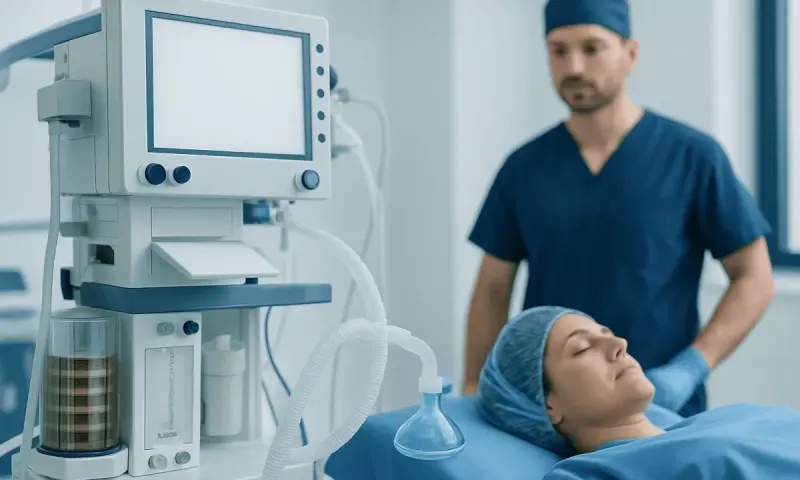
A SMAS facelift cost estimate should account for more than the operation itself. The total may include the plastic surgeon’s professional fee, anesthesia, operating-room or hospital charges, pre-operative tests, medications, surgical garments, follow-up visits, and possible overnight care. The scope of surgery also matters: correcting the lower face and neck may differ from a more limited procedure, and combining surgery with eyelid surgery, brow lifting, fat grafting, or skin treatments can change the overall plan.
Location has an important effect on SMAS facelift costs. For example, a search for “SMAS facelift cost near New York NY” may return estimates influenced by the local cost of facilities, staffing, insurance, and demand. These figures are not necessarily comparable with a personal quote from another city or country, because the services included can differ substantially.
Patients should ask for an itemized estimate and clarify what is included, what may create additional charges, and how revision surgery or unexpected medical care would be handled. Cosmetic facelift surgery is usually not covered by health insurance, although coverage rules can differ when a procedure is medically necessary for another reason.
How a SMAS facelift works
A SMAS facelift is a facial rejuvenation operation that addresses the superficial musculoaponeurotic system, known as the SMAS. This is a layer of fibrous tissue and muscle-related support beneath the skin of the cheeks and lower face. With age, changes in this layer, facial fat, skin elasticity, and bone structure can contribute to jowls, deeper folds, and loss of jawline definition.
During surgery, the surgeon lifts and repositions the SMAS to improve support in the lower face and, when appropriate, the neck. Excess skin may then be redraped conservatively and removed. This deeper approach is intended to avoid relying on skin tension alone, which can help create a more balanced result when performed appropriately.
A SMAS technique is not identical for every person. The incision pattern, direction of lift, extent of neck work, and use of adjunct procedures are tailored to anatomy and goals. Patients considering facial rejuvenation can learn more about facelift surgery during a specialist consultation.
Who may be a candidate for SMAS facelift surgery?

Appropriate candidates are generally adults who have facial and neck laxity that cannot be addressed adequately with non-surgical treatments alone, and who are seeking improvement rather than a completely different appearance. Visible jowling, descent of cheek tissues, loose neck skin, and reduced jawline definition may be reasons to discuss a SMAS facelift with a qualified plastic surgeon.
Good general health is important because this is a surgical procedure involving anesthesia and a recovery period. The clinician will review medical conditions, medications and supplements, prior facial operations, tendency toward problematic scars, and any history of bleeding or clotting concerns. Smoking and nicotine exposure can impair blood flow and healing; patients are usually asked to stop nicotine products well before and after surgery under medical guidance.
Realistic expectations are equally important. A facelift can improve visible signs of aging, but it does not stop future aging, change skin texture completely, or resolve every concern around the eyes, forehead, or midface. A careful assessment helps determine whether a SMAS approach, another facelift technique, non-surgical care, or no procedure is most suitable.
What happens before, during, and after the procedure?
Planning begins with a consultation, medical history, physical examination, standardized photographs, and a conversation about priorities. The surgeon explains the proposed technique, expected scars, alternatives, recovery needs, possible complications, and consent. Patients may need medical clearance or laboratory testing depending on their health and the planned anesthetic.
On the day of surgery, the procedure is performed in an appropriately equipped surgical facility, often under general anesthesia or sedation with local anesthesia, depending on the surgical plan. Incisions are commonly placed around the ear and may extend into the hairline or under the chin when neck contouring is included. The surgeon elevates and adjusts deeper tissues, manages fat or neck bands when indicated, redrapes skin without excessive tension, and closes the incisions.
Dressings and sometimes drains may be used briefly to limit fluid buildup. Patients need a responsible adult to help after outpatient surgery and should follow the surgical team’s instructions closely. The schedule for dressing changes, showering, activity, and follow-up appointments is individualized.
Recovery timeline, benefits, and possible risks
Recovery is gradual. During the first days, swelling, bruising, tightness, tenderness, and temporary numbness are common. The care team may recommend head elevation, cold compresses when appropriate, prescribed or approved pain relief, and avoiding strenuous activity. Most patients require time away from work and social activities, but the exact period varies with the extent of surgery and the person’s healing.
Bruising and prominent swelling usually improve over the following weeks. Incisions continue to mature for months, and subtle swelling or numbness can take longer to settle. It is sensible to avoid judging the final appearance too early. Regular follow-up allows the surgeon to monitor healing and give guidance about scar care, sun protection, exercise, and return to normal activities.
Potential benefits include improved lower-face and neck contour, a smoother jawline, and more supported facial tissues. Like all operations, however, a SMAS facelift has risks. These include bleeding or hematoma, infection, fluid collection, delayed healing, unfavorable scarring, changes in skin sensation, hairline changes, asymmetry, persistent swelling, skin injury, anesthesia complications, and temporary or rarely lasting weakness from facial nerve injury. Choosing a properly trained surgeon and following aftercare instructions can reduce, but cannot eliminate, risk.
Are SMAS facelifts worth it?
Whether a SMAS facelift is worth it is personal and depends on the patient’s goals, anatomy, tolerance for scars and downtime, health status, and budget. For someone with significant lower-face or neck laxity who wants a surgical improvement that addresses deeper support tissues, it may offer a meaningful option. For someone with mild changes or a preference to avoid surgery, less invasive treatments may be more appropriate, though their effects are usually more limited or temporary.
Value should not be judged by SMAS surgery cost alone. A thorough consultation should help patients weigh the likely benefits against recovery demands, possible complications, long-term maintenance, and the qualifications of the surgical team. It is reasonable to seek more than one opinion and to compare written plans based on what is included rather than selecting care solely by the lowest advertised price.
Is a SMAS facelift cheaper than a deep plane?
There is no universal answer. A SMAS facelift may be less expensive, similarly priced, or more expensive than a deep plane facelift depending on the surgeon’s experience, the complexity of the operation, the facility, anesthesia, regional practice patterns, and whether neck surgery or other procedures are included. Surgical technique names alone do not reliably predict the final bill.
Deep plane and SMAS approaches involve different methods of working with facial layers, but neither technique is automatically best for every person. The appropriate option should follow an in-person assessment of tissue descent, facial shape, skin quality, prior procedures, and desired changes. Patients should ask which method is recommended for them, why it is recommended, and what the complete estimate covers.
How painful is a SMAS facelift? Can it look natural?
A SMAS facelift is commonly associated with pressure, tightness, tenderness, and discomfort rather than severe pain for many patients, particularly after the first few days. Individual experiences vary, and discomfort can be influenced by the extent of neck work, sensitivity, and the person’s health. The surgical team provides a personalized pain-management plan and should be contacted if pain becomes severe, suddenly worsens, or is accompanied by expanding swelling or other concerning symptoms.
A SMAS facelift can look natural when the surgical plan respects the individual’s anatomy and avoids excessive skin tension or overcorrection. The goal is usually a rested, refreshed appearance with improved contour, not a dramatically altered identity. Natural-looking results also depend on appropriate patient selection, careful technique, healing, and clear communication about what surgery can realistically achieve.
Acıbadem Health Point’s multidisciplinary specialists and JCI-accredited hospitals assess and treat international patients considering facial plastic surgery, with care plans based on individual clinical needs and informed decision-making.
When to seek medical care
Before cosmetic surgery, patients should seek assessment from a qualified plastic surgeon if they are considering a facelift, have medical conditions that may affect anesthesia or healing, take blood-thinning medicines, or use nicotine products. A clinician can review whether surgery is appropriate and discuss safer alternatives when needed.
After surgery, urgent medical advice is needed for rapidly increasing one-sided swelling, severe or escalating pain, significant bleeding, fever, shortness of breath, chest pain, new weakness of the face, wound opening, pus-like drainage, or a sudden change in skin color. These symptoms do not always mean a serious complication, but prompt evaluation is important.
Patients should contact their own surgical team for any concern during recovery rather than relying on online information. Timely follow-up helps identify normal healing changes and provides treatment if a complication develops.
Frequently asked questions
01What is included in a SMAS facelift price?
A SMAS facelift price may include the surgeon’s fee, anesthesia, operating facility charges, pre-operative evaluation, medications, dressings, and follow-up care. However, inclusions vary between practices and facilities. Patients should request an itemized written estimate and ask about costs that may not be included.
02Why do SMAS facelift costs vary so much?
Costs vary because procedures differ in complexity, duration, surgical setting, anesthesia needs, local operating expenses, and the experience of the surgeon and care team. Combining a facelift with neck contouring, eyelid surgery, or other treatments can also affect the total. Comparing estimates requires checking that they cover similar services.
03How long do SMAS facelift results last?
A SMAS facelift does not stop the natural aging process, but repositioning deeper facial support tissues can provide long-lasting improvement. The duration of visible benefit differs among individuals and is affected by genetics, sun exposure, skin quality, weight changes, smoking, and overall health. Good skin care and sun protection may help preserve skin quality over time.
04Can a SMAS facelift be combined with other procedures?
Yes, it may be combined with procedures such as neck contouring, eyelid surgery, brow lifting, fat grafting, or selected skin treatments when clinically appropriate. Combining procedures can reduce the need for separate recovery periods, but it may also increase operative time and recovery considerations. A surgeon should assess whether the combined plan is safe for the individual.
05How soon can a person return to normal activities after a SMAS facelift?
Light activity may be resumed according to the surgeon’s instructions, while strenuous exercise and heavy lifting are generally delayed until healing is more established. Swelling and bruising can affect social confidence for several weeks, and refinement continues over months. The exact timeline should come from the operating surgeon because procedures and recovery needs vary.
06What should patients ask during a SMAS facelift consultation?
Useful questions include which technique is recommended, what changes are realistic, where scars will be placed, what recovery support is needed, and which risks are most relevant to the individual. Patients should also ask for a complete cost estimate, details of the surgical facility and anesthesia team, and information about follow-up care. They should feel comfortable taking time to consider the answers before deciding.
This article is for general information only and is not a substitute for professional medical advice. Please consult a qualified doctor about your individual situation.
Explore treatments in Turkey — costs, top hospitals & a free quote
JCI-accredited · board-certified surgeons · reply within 24h
Add us as a Preferred Source to see more of our trusted health content across Google Search, AI Overviews and Discover.