Sleepiness in Newborns: When Feeding Becomes Difficult
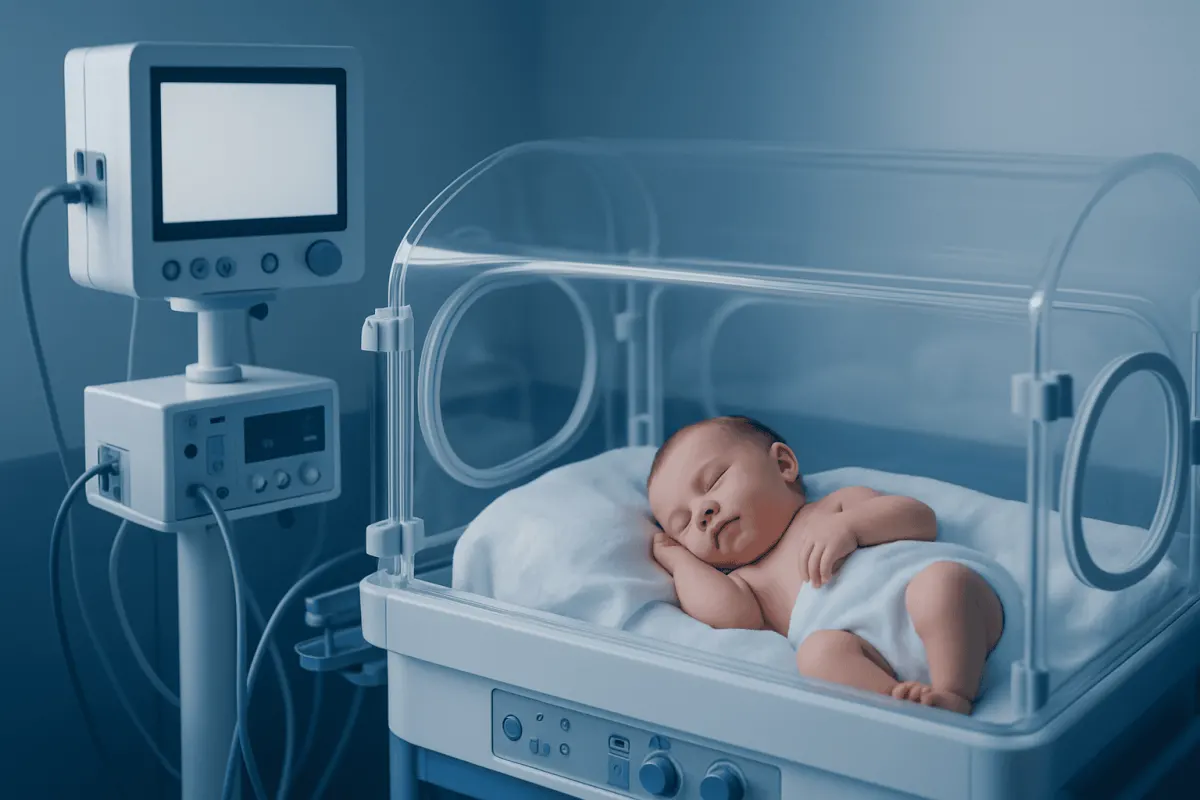
Sleepiness in newborns is usually a normal part of early development: many babies sleep for most of the day and wake mainly for feeding and care. However, a newborn who is unusually difficult to wake, feeds poorly, seems limp, or has breathing or color changes should be assessed promptly by a healthcare professional.
Overview: Is Sleepiness in a Newborn Normal?
Sleepiness in a newborn is very common. During the first weeks of life, babies have not yet developed a day-and-night sleep rhythm and may sleep for much of each 24-hour period. Their sleep is often light and active, with brief movements, facial expressions, noises, and short awakenings. A newborn may wake to feed, have a diaper changed, look briefly alert, and then fall asleep again.
The important question is not simply how many hours a baby sleeps. It is whether the baby can be awakened for feeding, feeds effectively, has appropriate wet and soiled diapers, breathes comfortably, and has moments of normal activity and responsiveness. Newborns vary, especially if they were born early, had a difficult delivery, or are still adjusting during their first days at home.
Parents may notice that a baby is sleepier after a busy day, a cluster of feeds, or a routine checkup. This can be temporary. In contrast, a clear change from the baby’s usual behavior, particularly sleepiness combined with poor feeding or reduced response to touch and voice, deserves medical advice.
Typical Newborn Sleep and Wakefulness
Most newborns sleep about 14 to 17 hours over a 24-hour period, although some sleep somewhat more or less. Rather than sleeping for long overnight blocks, they typically wake every few hours because their stomachs are small and they need frequent nourishment. Day and night may be mixed up at first, and a predictable schedule is not expected in the newborn period.
Healthy newborns can be sleepy at the breast or bottle, especially in the first days of life. Even so, they generally show feeding cues such as stirring, bringing hands to the mouth, rooting, or opening their mouth. During awake periods, they may briefly look at faces, react to sound, move their arms and legs, cry when they need something, and settle with comforting.
Sleep can also look more active than many parents expect. Rapid eye movements under closed eyelids, grunting sounds, brief smiles, startle reflexes, and irregular-looking movements may occur during normal active sleep. Persistent grunting with breathing difficulty, repeated pauses in breathing, or a baby who appears unwell should not be assumed to be normal sleep behavior.
How to Tell Ordinary Sleepiness From Concerning Lethargy

Lethargy is more than a baby who sleeps frequently. It describes a marked reduction in alertness, energy, or response. A lethargic newborn may be very difficult to rouse, remain floppy or weak when handled, show little interest in feeding, or fall asleep immediately without taking enough milk. Parents often describe the baby as being noticeably different from usual.
Looking at the full picture is helpful. A baby who wakes with gentle stimulation, takes feeds regularly, has a strong enough suck, produces wet diapers, and returns to normal alertness between sleeps is usually behaving differently from a baby whose drowsiness is associated with weak feeding and reduced activity. Keeping brief notes on feeding times, approximate feeding quality, and diaper output can help families and clinicians recognize a change.
Newborns can become tired while feeding, and this alone does not always mean illness. Simple measures, such as changing the diaper before a feed, gently unswaddling the baby, speaking softly, or placing the baby skin-to-skin with an awake caregiver may support feeding. If these measures do not help the baby wake and feed, a clinician should be contacted without delay.
Possible Causes of Excessive Sleepiness
There are several possible reasons for unusual sleepiness in a newborn. In the first day or two after birth, normal adjustment to life outside the womb, a long labor, or medicines used during labor may make some babies temporarily drowsy. Babies born prematurely may also have less mature feeding skills and may tire more easily than full-term babies.
Jaundice is another common reason a baby may seem more sleepy. It occurs when bilirubin, a yellow pigment, builds up in the blood and can cause yellowing of the skin or whites of the eyes. Mild jaundice is common, but sleepiness or poor feeding alongside increasing yellow color needs timely assessment because bilirubin levels sometimes require monitoring or treatment.
Other causes can include not getting enough milk, dehydration, low blood sugar, infection, low body temperature, and less commonly heart, metabolic, or neurological conditions. Illness in newborns may be subtle; a baby may not always have a strong cry or obvious symptoms. This is why a change in feeding, wakefulness, color, or breathing should be taken seriously and discussed with a healthcare professional.
Healthcare teams also consider whether a baby has had exposure to medicines or substances that can cause sedation, including certain medicines taken by a breastfeeding parent. Parents should not stop prescribed medicines suddenly, but should tell the baby’s doctor and the prescribing clinician about all medicines, supplements, and substances being used.
Feeding, Diapers, and Safe Monitoring at Home
Frequent feeding is important for newborn health and can also help prevent sleepiness related to insufficient intake. In general, newborns need to feed regularly, including overnight. The care team may give more specific guidance for a premature baby, a small baby, a baby with jaundice, or a baby who has not yet regained birth weight. Until feeding is well established, parents may be advised to wake a very sleepy baby for feeds.
Diaper output is one practical sign that a baby is receiving milk, although expectations change over the first several days after birth. By around day five, many babies have at least six wet diapers a day, but individual guidance from the maternity or pediatric team is most useful. Stool appearance also changes from dark meconium toward lighter yellow or brown stools as feeding becomes established.
For safe sleep, a baby should be placed on their back on a firm, flat sleep surface designed for infants, without pillows, loose blankets, toys, or positioners. A sleepy newborn should not be left to sleep on a sofa, armchair, adult bed, or in a car seat after travel. Safe sleep reduces preventable sleep-related risks, but it does not replace seeking care for a baby who seems unwell.
- Offer feeds when early hunger cues appear rather than waiting for intense crying.
- Use gentle stimulation during a feed if the baby repeatedly dozes before feeding adequately.
- Record feeds and diapers if there are concerns, especially during the first weeks.
- Follow the individualized feeding plan provided at discharge or by the baby’s clinician.
How Doctors Assess a Sleepy Newborn
A clinician will ask when the change in sleepiness began and whether the baby is waking for feeds, sucking and swallowing effectively, urinating normally, or showing vomiting, fever, jaundice, cough, or breathing changes. They will also ask about pregnancy, delivery, prematurity, birth weight, medicines given during labor, and the baby’s growth and feeding history.
The examination may include checking temperature, heart rate, breathing, oxygen level, hydration, skin color, muscle tone, alertness, and signs of infection or jaundice. Depending on the findings, the clinician may check a blood glucose level or bilirubin level and may recommend other blood, urine, or imaging tests. Tests are selected according to the baby’s symptoms and clinical examination rather than performed routinely for every sleepy infant.
Early assessment is valuable because newborn problems can evolve quickly, while many causes are treatable when identified promptly. Parents should feel comfortable contacting their maternity unit, pediatrician, family doctor, or local urgent care service if they are unsure whether their baby’s behavior is normal. It is appropriate to seek advice even if the concern later proves to be part of normal newborn adjustment.
When to Seek Medical Care
Parents should contact a doctor or newborn care team promptly if their baby is much sleepier than usual, repeatedly misses feeds, cannot stay awake long enough to feed, feeds weakly, or has fewer wet diapers than expected. The same applies if yellowing of the skin or eyes is becoming more noticeable, vomiting is repeated, or the baby seems less active or less responsive than before.
Emergency medical care is needed if a newborn is very difficult or impossible to wake, has trouble breathing, pauses in breathing, looks blue, gray, or unusually pale, has a seizure, becomes limp, or has a temperature that is high or lower than normal for a newborn. A temperature of 38°C (100.4°F) or higher measured rectally in a baby younger than 3 months requires urgent medical evaluation. Families should follow local emergency guidance rather than drive themselves if the baby appears severely unwell.
Acıbadem Health Point’s multidisciplinary specialists and JCI-accredited hospitals assess and treat newborn health concerns for international patients. However, when urgent warning signs are present, the nearest appropriate emergency service should be used without waiting for travel or a routine appointment.
Frequently asked questions
01How sleepy is too sleepy for a newborn?
Newborns normally sleep often, but they should usually be rousable for regular feeds and show some periods of alertness. Sleepiness is concerning when a baby is very hard to wake, does not feed effectively, seems floppy, or is clearly less responsive than usual.
02Should parents wake a sleepy newborn to feed?
Many newborns need to be woken for feeds in the early days and weeks, particularly before feeding is well established or if they have jaundice, were born early, or have not regained birth weight. The baby's pediatric or maternity team can provide an individualized feeding schedule.
03Can jaundice make a newborn sleepy?
Yes. Jaundice can be associated with increased sleepiness and reduced interest in feeding. Any baby with increasing yellow skin or eyes, poor feeding, or difficulty waking should be assessed promptly so bilirubin levels can be evaluated if needed.
04What if my newborn falls asleep during every feed?
Falling asleep during feeds can happen, but the baby should still take enough milk and have suitable diaper output and weight monitoring. Gentle waking techniques may help, but repeated ineffective feeds or an inability to keep the baby awake for feeding warrants advice from a healthcare professional.
05Does a newborn with a fever become sleepy?
A newborn with fever may be sleepy, irritable, feed poorly, or show few obvious symptoms. A rectal temperature of 38°C (100.4°F) or above in a baby younger than 3 months needs urgent medical assessment.
06Can parents use a home monitor for a sleepy newborn?
Home monitors may provide reassurance for some families, but they cannot diagnose illness or replace observation and medical care. A baby with concerning sleepiness, poor feeding, breathing changes, or color changes should be assessed by a clinician regardless of monitor readings.
This article is for general information only and is not a substitute for professional medical advice. Please consult a qualified doctor about your individual situation.
Persistent digestive symptoms? Get evaluated in Turkey
JCI-accredited · board-certified surgeons · reply within 24h
Add us as a Preferred Source to see more of our trusted health content across Google Search, AI Overviews and Discover.