Sleep Disorders: Early Signs, Risk Factors, and How It Is Treated
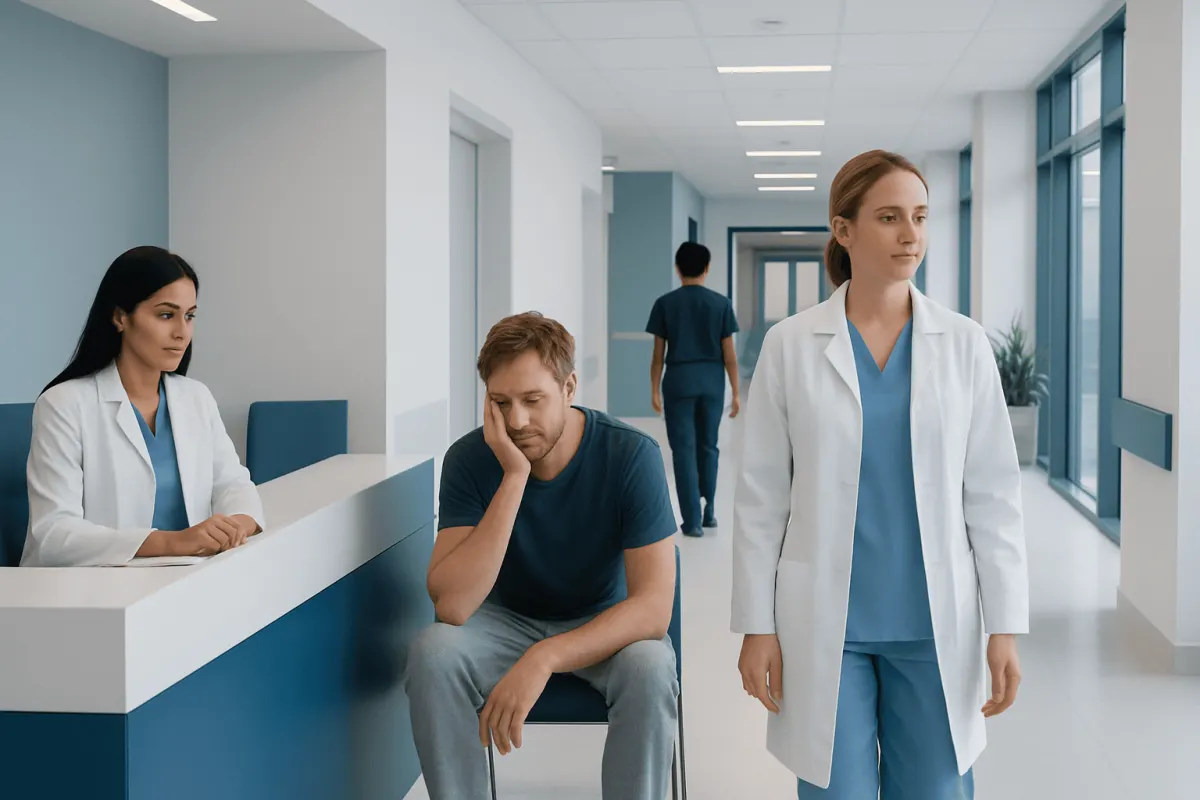
Do you keep waking up tired, no matter how early you go to bed? That kind of pattern is often what brings people to us. Sleep disorders are conditions that repeatedly affect how well, how long, or how safely you sleep. The good news: an early evaluation can identify the cause and guide treatment — which may include lifestyle changes, behavioral therapy, medicines, or device-based care, depending on the specific disorder.
Overview: what sleep disorders are
Sleep disorders are a group of conditions that interfere with normal sleep. They may affect how easily a person falls asleep, how often they wake, how refreshed they feel in the morning, or whether breathing and body movements remain normal during sleep. Many people have occasional poor sleep, but a sleep disorder is more likely when symptoms are frequent, persistent, and start to affect daily life.
These conditions are common and can affect children, adults, and older people. Some mainly cause difficulty falling or staying asleep, while others lead to excessive sleepiness, abnormal breathing, or unusual behaviors such as walking, talking, or sudden movements during the night. The effects can extend beyond fatigue and may influence mood, concentration, work performance, relationships, and long-term health.
Sleep disorders are not all the same, and treatment is most effective when it is tailored to the exact problem. For example, insomnia, obstructive sleep apnea, Neuromodulation" class="ahp-ilk">Treatment Options" class="ahp-ilk">restless legs syndrome, circadian rhythm disorders, and parasomnias each have different causes and management approaches. Careful evaluation helps distinguish one from another and identify any related medical or mental health issue.
Early signs and symptoms to notice
The early signs are often subtle at first. Maybe you take longer to fall asleep, wake several times during the night, feel unusually sleepy during the day, or lean on more caffeine to stay alert. Sometimes it’s a partner who notices first — loud snoring, pauses in breathing, restless kicking, teeth grinding, or unusual nighttime behaviors.
Symptoms vary by disorder, but a few patterns deserve your attention if they keep happening. If something goes on for weeks, returns several nights a week, or gets in the way of your days, don’t write it off as stress or a passing phase — get it checked.
- Difficulty falling asleep or staying asleep
- Waking too early and not being able to return to sleep
- Loud snoring, choking, or gasping during sleep
- Excessive daytime sleepiness or dozing unintentionally
- Morning headaches, dry mouth, or poor concentration
- Uncomfortable sensations in the legs, especially at night
- Sleepwalking, talking, vivid dreams, or sudden movements during sleep
- A shifting sleep schedule that does not match work, school, or social life
In children, signs may look different. Instead of obvious sleepiness, a child may become irritable, hyperactive, have trouble learning, or struggle to wake up in the morning. In older adults, sleep may become lighter with age, but persistent sleep disruption is still not considered normal if it causes distress or impaired functioning.
Why sleep disorders happen: causes and risk factors

Sleep disorders can develop for many reasons. Sometimes the main trigger is behavioral, such as irregular sleep schedules, shift work, heavy evening screen use, or frequent caffeine and alcohol use. In other cases, the sleep problem is linked to a medical condition, a mental health concern, or changes in breathing or body movement during sleep.
Insomnia is often associated with stress, anxiety, depression, chronic pain, and habits that keep the brain alert late into the evening. Breathing-related sleep disorders, especially sleep apnea, are more likely in people who snore loudly, carry excess weight, have nasal obstruction, or have certain jaw and airway features. Restless legs syndrome may be associated with iron deficiency, pregnancy, kidney disease, or some medications.
Other risk factors include aging, family history, neurological disorders, reflux, heart or lung disease, and medicines that affect alertness or breathing. Travel across time zones and shift work can disrupt the body clock and lead to circadian rhythm disorders. In some people, more than one issue is present at the same time, which is why a broad evaluation is often helpful.
Poor sleep can also make other health problems worse, and a cycle sets in. Untreated sleep disruption may feed low mood, reduced concentration, a higher accident risk, and trouble controlling chronic conditions. The earlier you spot the risk factors, the more effective prevention and treatment become.
How doctors diagnose sleep disorders
Diagnosis starts with a careful discussion of sleep patterns, symptoms, lifestyle, and medical history. A doctor may ask when symptoms began, how often they occur, what the sleep schedule looks like on workdays and weekends, and whether the person snores, moves a lot, or has witnessed pauses in breathing. Sleep medications, alcohol use, stress, and symptoms of anxiety or depression may also be reviewed.
A sleep diary helps more than you might expect. Write down your bedtimes, wake times, naps, caffeine, and symptoms for one to two weeks — patterns emerge that are easy to miss otherwise. A wearable tracker can sometimes add information, but it doesn’t replace a clinical assessment.
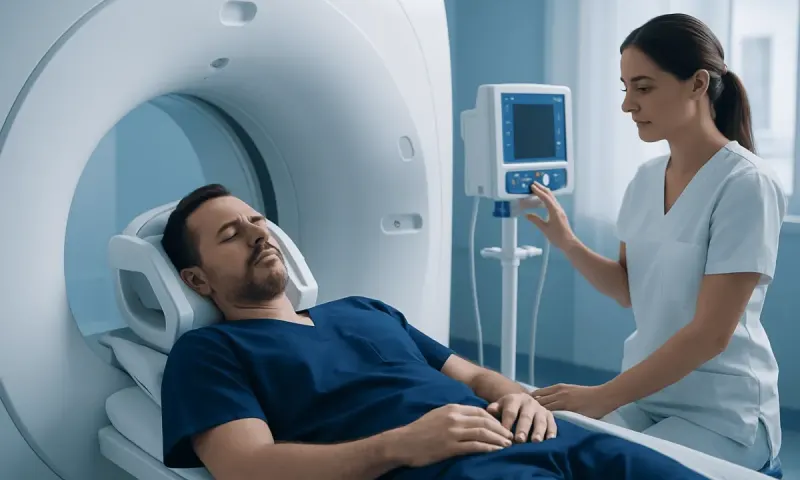
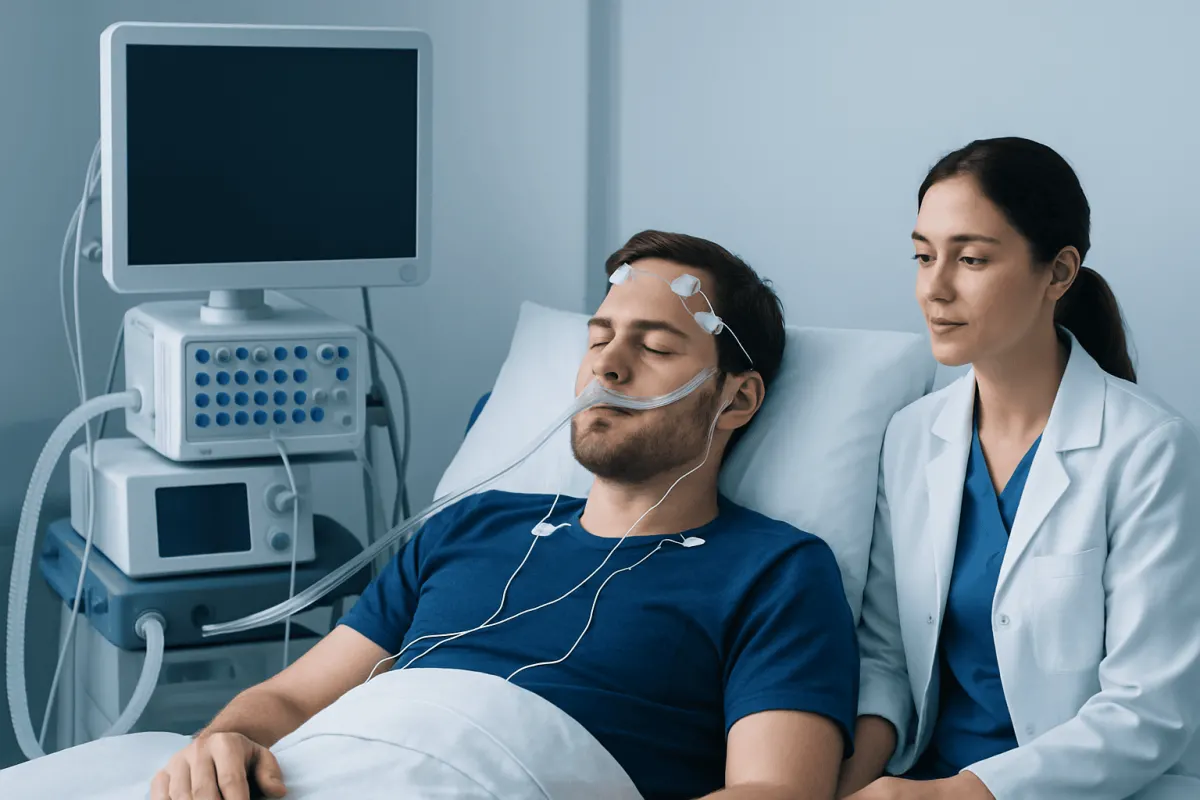
When a breathing disorder, movement disorder, or unusual sleep behavior is suspected, a doctor may recommend a formal sleep study. This may be done at home or in a sleep laboratory depending on the situation. Testing can measure breathing, oxygen levels, heart rate, body movements, and sleep stages. If the concern is chronic insomnia rather than abnormal breathing, diagnosis often depends more on history than on overnight testing.
Additional tests may be used when needed, such as blood tests to look for iron deficiency or thyroid problems, or specialist assessment for neurological, psychiatric, or ear-nose-throat issues. In comprehensive centers, evaluation may involve sleep medicine, neurology, pulmonology, psychiatry, or ENT specialists working together.
Treatment options and what care may involve
Treatment for sleep disorders depends on the exact diagnosis and any contributing conditions. For many people, the first step is addressing factors that disturb sleep, such as irregular schedules, stimulant use, alcohol, untreated pain, or stress. However, long-lasting symptoms usually need more targeted care than sleep tips alone.
For chronic insomnia, cognitive behavioral therapy for insomnia is often the preferred first-line treatment. This structured approach helps change unhelpful sleep habits and reduce the cycle of worry and wakefulness that keeps insomnia going. Medication may sometimes be considered, but the best choice depends on the person’s age, overall health, and the type of sleep problem.
Breathing-related disorders may require device-based or procedural treatment. People with obstructive sleep apnea may benefit from airway support devices and specialist follow-up; in selected cases, surgery can be part of treatment through sleep apnea surgery. If enlarged tissues or nasal blockage contribute to the problem, evaluation by an ENT team may help identify whether septoplasty or another procedure is appropriate.
Other sleep disorders are treated according to their cause. Restless legs syndrome may improve when iron deficiency is corrected or contributing medicines are adjusted. Circadian rhythm disorders may respond to planned schedule changes, timed light exposure, and in some cases carefully guided medication use. Parasomnias and complex nighttime behaviors are managed by improving safety, reducing triggers, and treating any underlying sleep disorder. If symptoms suggest a wider sleep disorder pattern, a dedicated sleep medicine assessment can help guide the next steps.
Prevention and self-care that support better sleep
You can’t prevent every sleep disorder, but healthy habits do reduce risk and improve symptom control. Consistency matters more than perfection. Your body clock works best when sleep and wake times stay fairly stable — yes, on weekends too. A calming pre-sleep routine tells your brain it’s time to wind down.
Practical measures include keeping the bedroom cool, dark, and quiet, limiting screens before bed, and avoiding large meals, nicotine, alcohol, and excess caffeine later in the day. Regular physical activity supports sleep for many people, though vigorous exercise close to bedtime may keep some individuals too alert.
Self-care works best alongside medical advice, not instead of it. Snoring, persistent insomnia, or overwhelming daytime sleepiness shouldn’t be handled with home remedies alone. If you suspect a sleep disorder, track your symptoms, ask a partner or family member what they notice at night, and bring that information to your appointment.
For international patients needing coordinated evaluation, Acıbadem Health Point’s multidisciplinary specialists and JCI-accredited hospitals diagnose and treat sleep-related conditions with care plans tailored to the individual. In selected cases where upper airway anatomy plays a role, related procedures such as tonsil and adenoid surgery may be considered after specialist assessment.
When to seek medical care
See a doctor when sleep problems drag on for several weeks, keep coming back, or start affecting your days. Watch especially for trouble staying awake while working or driving, waking repeatedly with choking or gasping, loud snoring with witnessed pauses in breathing, or unusual nighttime behaviors that could cause injury.
A doctor should also evaluate sleep disruption that occurs alongside chest symptoms, severe mood changes, frequent morning headaches, declining concentration, or worsening control of other health conditions. Children should be assessed if they snore regularly, breathe through the mouth at night, struggle at school, or show major daytime behavior changes linked to poor sleep.
Emergency care may be needed if a person has dangerous breathing problems, sudden confusion, or injuries related to nighttime events. For non-emergency concerns, early assessment can often prevent symptoms from becoming more disruptive and help restore safer, more refreshing sleep.
Frequently asked questions
01What are the most common sleep disorders?
Common sleep disorders include insomnia, obstructive sleep apnea, restless legs syndrome, circadian rhythm sleep-wake disorders, and parasomnias such as sleepwalking. Each affects sleep in a different way, so proper diagnosis is important before treatment begins.
02How do I know if poor sleep is a disorder or just stress?
Occasional poor sleep during stressful periods is common. It is more likely to be a sleep disorder when symptoms happen regularly, last for weeks, or cause daytime sleepiness, poor concentration, mood changes, or safety concerns.
03Can sleep disorders go away on their own?
Some short-term sleep problems improve when the trigger passes, such as travel, illness, or a temporary stressful event. Persistent symptoms are less likely to resolve fully without addressing the cause, especially if snoring, breathing pauses, or chronic insomnia are present.
04Are sleep disorders dangerous?
They can affect health and quality of life, particularly when they cause severe daytime sleepiness or breathing disturbances during sleep. Timely diagnosis and treatment can reduce risks and help protect daily functioning, mood, and long-term health.
05What kind of doctor treats sleep disorders?
Many sleep disorders are evaluated by sleep medicine specialists. Depending on the problem, care may also involve pulmonologists, neurologists, psychiatrists, pediatricians, or ENT specialists.
06Will everyone with a sleep disorder need a sleep study?
No. Some conditions, especially chronic insomnia, are often diagnosed mainly through a detailed history and sleep diary. A sleep study is more commonly used when breathing problems, unusual nighttime behaviors, or movement-related disorders are suspected.
This article is for general information only and is not a substitute for professional medical advice. Please consult a qualified doctor about your individual situation.
Explore treatments in Turkey — costs, top hospitals & a free quote
JCI-accredited · board-certified surgeons · reply within 24h
Add us as a Preferred Source to see more of our trusted health content across Google Search, AI Overviews and Discover.