Sleep Apnea Surgery vs CPAP: When Is Surgery a Reasonable Next Step?

CPAP is usually the first-line treatment for obstructive sleep apnea, but surgery can be a reasonable next step for some people. The best choice depends on the type and location of airway blockage, symptom severity, overall health, and whether CPAP works well enough in daily life.
Overview: CPAP First, Surgery for Selected Patients
Obstructive sleep apnea is a condition in which the upper airway repeatedly narrows or closes during sleep. This can lead to loud snoring, poor sleep quality, daytime fatigue, morning headaches, and strain on the heart and blood vessels over time. Many patients learn more about obstructive sleep apnea after a sleep study confirms breathing interruptions during the night.
Continuous positive airway pressure, or CPAP, is usually the first treatment recommended for moderate to severe obstructive sleep apnea. CPAP works by delivering pressurized air through a mask to keep the airway open during sleep. It does not remove the physical cause of airway collapse, but when used regularly and correctly, it can be very effective at controlling symptoms and reducing health risks.
Surgery is generally considered when CPAP is difficult to tolerate, does not adequately improve sleep apnea, or when there is a correctable anatomical blockage in the nose, throat, or jaw. Some people also have severe snoring or airway crowding that makes a structural approach more relevant. In these situations, an ear, nose, and throat specialist and sleep medicine team can help decide whether sleep apnea treatment should continue with non-surgical approaches, move toward surgery, or combine both.
How CPAP and Surgery Differ
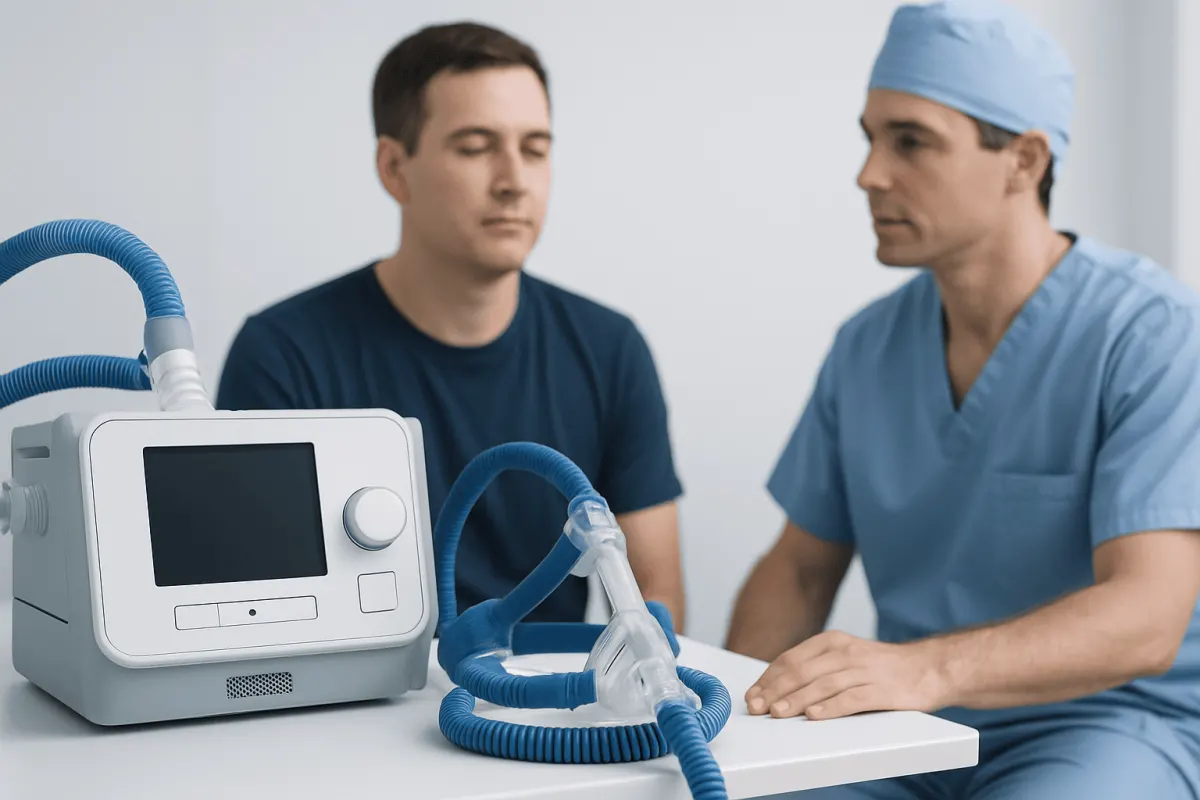
CPAP is a non-surgical treatment that supports breathing night after night. Its main strength is reliability: when the mask fits well and the device is used consistently, it can reduce airway collapse across many different patterns of obstruction. For this reason, CPAP is often considered the benchmark against which other treatments are compared.
Surgery works differently. Instead of holding the airway open with airflow, it aims to improve the airway structure itself. Depending on the procedure, surgery may reduce tissue bulk, widen narrow areas, improve nasal breathing, or correct specific obstructions in the palate, tonsils, tongue base, or facial skeleton. Results vary because airway collapse can happen at more than one level.
One of the most important differences is predictability. CPAP usually works if a person can use it regularly, while surgery may improve sleep apnea substantially in some patients and only partially in others. For that reason, surgery is not simply a substitute for CPAP in every case. It is better viewed as a targeted option for carefully selected patients.
There are also practical differences. CPAP requires long-term nightly use and equipment maintenance, while surgery involves anesthesia, recovery time, and procedure-related risks. However, some patients prefer a structural solution when mask discomfort, pressure intolerance, nasal blockage, or lifestyle barriers make CPAP difficult to sustain.
When Surgery May Be a Reasonable Next Step
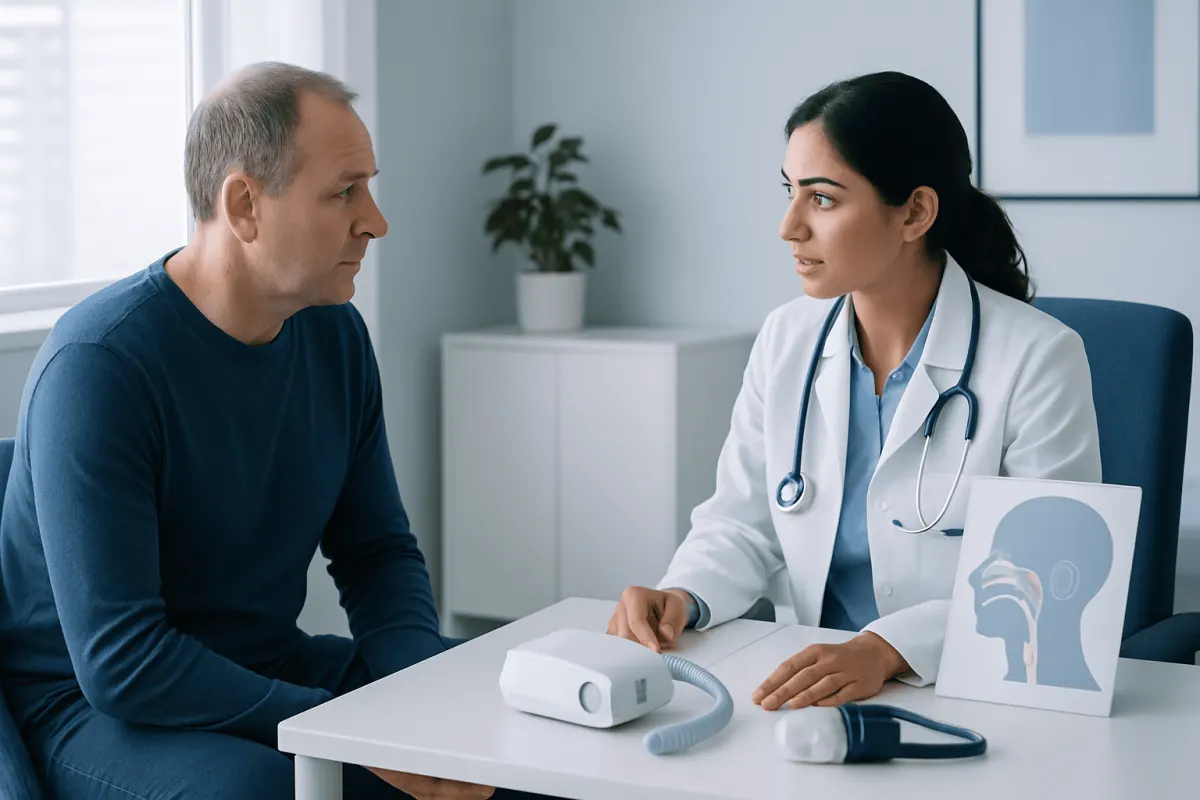
Surgery may be reasonable when CPAP has been tried but cannot be used consistently despite proper support. Common challenges include mask leak, skin irritation, claustrophobia, pressure discomfort, dry mouth, and frequent removal of the mask during sleep. Before moving to surgery, it is often worth checking mask fit, humidification, pressure settings, and nasal symptoms, because many CPAP problems can be improved.
A second common reason to consider surgery is a clear anatomical obstruction. Examples include very large tonsils, a blocked nose from a deviated septum or enlarged turbinates, a long or crowded soft palate, enlarged adenoids in younger patients, or tissue changes associated with chronic mouth breathing. People with severe snoring and visible upper-airway crowding may also benefit from an anatomical evaluation.
Surgery can also be considered when a person has residual sleep apnea despite CPAP or another device, or when the pressure needed to control apnea is uncomfortably high. In some cases, surgery does not replace CPAP completely but lowers the pressure required and makes treatment easier to tolerate. This combined approach can be helpful for selected patients.
Finally, surgery may be more appropriate when testing shows obstruction at one or more specific sites that match a procedure likely to help. An individualized evaluation is essential. Age, body weight, severity of sleep apnea, dental and jaw anatomy, heart and lung health, and personal treatment goals all play a role in the decision.
Which Surgeries Are Used for Sleep Apnea?
There is no single operation that treats all obstructive sleep apnea. The most suitable procedure depends on where the airway collapses. Nasal procedures may improve airflow through the nose and make CPAP easier to use, though they do not always cure sleep apnea by themselves. When chronic nasal obstruction contributes to mouth breathing, surgery such as submucous resection of enlarged turbinates or functional endoscopic sinus surgery may be considered in carefully selected patients, especially when there are related conditions like nasal polyps.
Throat procedures are often used when the soft palate, uvula, tonsils, or side walls of the throat are the main problem. Tonsil removal can be particularly helpful in adults or children with very enlarged tonsils, and tonsillectomy may be part of treatment if tonsillar obstruction is significant. In children, enlarged adenoids are another important cause of airway blockage, and adenoid surgery may be appropriate when recommended by a specialist.
Other operations may target the tongue base or lower jaw if the obstruction is deeper in the airway. In selected cases, jaw advancement procedures can enlarge the airway more broadly. Some patients are also evaluated with sleep endoscopy, which helps show where collapse happens during sedation and can guide a more personalized surgical plan.
It is important to understand that nasal surgery, palate surgery, tonsil surgery, and jaw surgery have different goals and expected results. A procedure that works well for one patient may not be suitable for another. The decision should be based on anatomy, sleep study findings, and a realistic discussion of benefits, limitations, and recovery.
How Doctors Decide Between CPAP and Surgery
Decision-making starts with confirming the diagnosis and understanding how severe the sleep apnea is. A sleep study measures breathing pauses, oxygen changes, and sleep disruption. Doctors also ask about daytime sleepiness, concentration problems, blood pressure, heart disease, and the impact of symptoms on daily life.
Next comes a careful airway assessment. An ENT specialist examines the nose, tonsils, palate, tongue position, jaw structure, and neck anatomy. If nasal blockage is suspected, problems such as chronic inflammation, turbinate enlargement, or allergic rhinitis may need treatment first. This step matters because better nasal breathing can improve comfort with CPAP and may reduce the need for surgery.
CPAP experience is another major factor. A person who has never had a proper CPAP trial is usually encouraged to try it before surgery is considered, unless a very obvious structural problem is present. Troubleshooting can include changing masks, adding humidification, adjusting pressure settings, or treating nasal congestion and sinus disease.
Doctors also review body weight, metabolic health, and sleep habits. Excess weight can increase airway collapse and may affect how well surgery works. In many cases, the best plan is not an either-or choice but a layered one that combines CPAP optimization, weight management, positional therapy, treatment of nasal obstruction, and surgery when the anatomy strongly supports it.
Benefits, Limits, and Recovery After Surgery
The main potential benefit of surgery is improvement in the airway without the need for a nightly device, or at least with less dependence on one. Some patients experience reduced snoring, better sleep quality, fewer breathing interruptions, and easier use of CPAP if it is still needed afterward. Surgery can be especially helpful when a specific blockage is clearly identified.
At the same time, surgery has limits. It may not eliminate sleep apnea completely, particularly if obstruction occurs at several levels or if excess weight remains a major factor. Some patients still need CPAP or an oral appliance after surgery, although the treatment may become easier to tolerate. Follow-up sleep testing is often recommended to see how much improvement has occurred.
Recovery depends on the type of procedure. Nasal surgeries may involve congestion and temporary swelling, while throat surgeries can cause sore throat, swallowing discomfort, and a recovery period that can be more noticeable. As with any operation, risks such as bleeding, infection, anesthesia-related problems, pain, or changes in swallowing and voice should be discussed clearly before treatment.
Patients benefit most when expectations are realistic. The goal may be cure for some, but for others it is meaningful improvement, lower disease burden, or better tolerance of non-surgical therapy. Near the end of the decision process, some international patients choose evaluation at centers such as Acıbadem Health Point, where multidisciplinary specialists in JCI-accredited hospitals assess and treat sleep-disordered breathing through coordinated ENT and sleep medicine care.
Self-care, Prevention, and Supportive Measures
Whether a person uses CPAP, undergoes surgery, or both, daily habits still matter. Weight management can reduce airway narrowing and improve treatment response. Avoiding alcohol close to bedtime and discussing sedative medications with a doctor may also help because these can relax the airway further during sleep.
Sleep position can make a difference, especially for people whose apnea is worse when lying on the back. Positional therapy, regular sleep routines, and treatment of nasal allergies or chronic sinus symptoms may improve comfort and breathing at night. These steps are not replacements for prescribed therapy, but they can support better results.
Good nasal care can be especially useful for CPAP users. Saline rinses, allergen control, and medical treatment for congestion may improve mask tolerance. If symptoms suggest chronic nasal blockage or recurrent sinus problems, evaluation and management may be needed before deciding that CPAP has truly failed.
It also helps to involve a partner or family member when possible. Bed partners often notice snoring, pauses in breathing, or restlessness that the patient may not remember. Their observations can help guide treatment and support long-term follow-through.
When to See a Doctor
A medical evaluation is important if a person snores loudly, gasps during sleep, wakes unrefreshed, or feels sleepy during the day. These symptoms do not always mean sleep apnea, but they deserve proper assessment, especially if there is high blood pressure, heart disease, obesity, or a history of drowsy driving.
People already using CPAP should speak with their doctor if they cannot tolerate the device, continue to feel exhausted, or suspect that treatment is not working. CPAP problems should be reviewed before surgery is chosen, because many can be improved with practical adjustments and treatment of contributing ENT issues.
Urgent medical advice is needed if there is severe daytime sleepiness that affects safety, repeated choking episodes at night, or worsening cardiovascular symptoms. Children should also be assessed promptly if they snore regularly, breathe through the mouth, have pauses in breathing, or show sleep-related behavioral or learning concerns.
In short, surgery can be a reasonable next step, but it is best chosen through a structured evaluation rather than as a quick alternative. A qualified sleep specialist and ENT surgeon can explain whether surgery is likely to help, what type is most appropriate, and whether CPAP or combined treatment may still offer the best outcome.
Frequently asked questions
01Is surgery better than CPAP for sleep apnea?
Not usually as a first step. CPAP is generally the standard initial treatment because it can control obstructive sleep apnea very effectively when used consistently. Surgery may be a good option when CPAP is not tolerated, is not effective enough, or a specific structural blockage is identified.
02Can surgery cure obstructive sleep apnea?
Sometimes, but not for everyone. The chance of cure depends on the severity of sleep apnea, body weight, and where the airway collapses during sleep. Many patients improve with surgery, but some still need CPAP or another treatment afterward.
03Who is most likely to benefit from sleep apnea surgery?
People with a clear anatomical cause of airway blockage often benefit most. Examples include very large tonsils, chronic nasal obstruction, certain palate problems, or jaw-related airway narrowing. A sleep study and airway examination help show whether surgery is likely to help.
04Should CPAP be tried before surgery?
In most adults, yes. A proper CPAP trial allows time to adjust the mask, pressure, and humidification, and to treat nasal symptoms that may be making the device uncomfortable. Surgery is usually considered after these steps, unless there is an obvious problem that clearly calls for an operation.
05What if CPAP works, but I still want surgery?
This is a common question and should be discussed with a specialist. If CPAP controls symptoms well and is comfortable, surgery may not offer the same predictability. However, if long-term use is difficult or there is a treatable structural blockage, surgery may still be considered.
06Can nasal surgery replace CPAP?
Not always. Nasal surgery often helps breathing through the nose and can make CPAP easier to tolerate, but by itself it may not fully treat obstructive sleep apnea. Its value depends on how much the nose contributes to the overall airway problem.
This article is for general information only and is not a substitute for professional medical advice. Please consult a qualified doctor about your individual situation.
Explore treatments in Turkey — costs, top hospitals & a free quote
JCI-accredited · board-certified surgeons · reply within 24h
Add us as a Preferred Source to see more of our trusted health content across Google Search, AI Overviews and Discover.