SLE Diagnosis: Tests Used to Identify Lupus
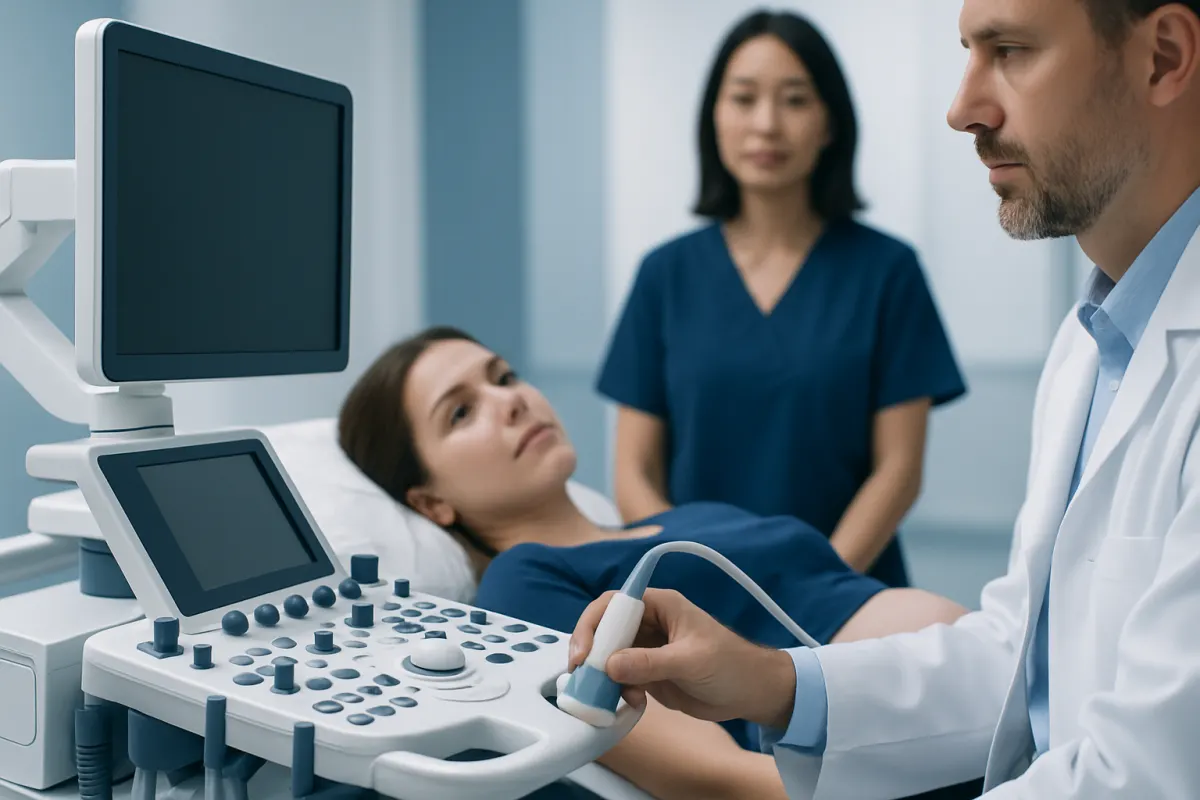
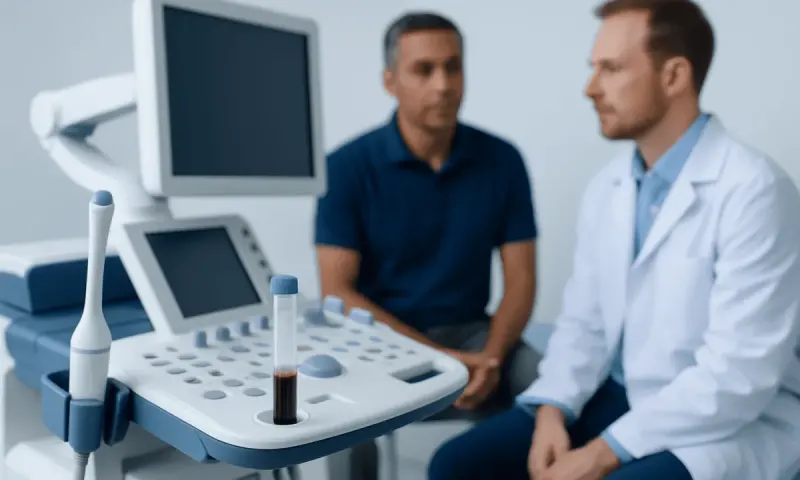
SLE diagnosis is a step-by-step clinical process that brings together a person’s symptoms, medical history, physical examination, laboratory tests and, when needed, imaging or tissue testing. There is no single test that confirms lupus in every person, so doctors also assess whether another condition could better explain the findings.
Overview: How SLE Diagnosis Works
SLE diagnosis involves evaluating symptoms, examining the body and interpreting several blood and urine tests together. Systemic lupus erythematosus (SLE), often called lupus, is an autoimmune condition in which the immune system can cause inflammation in the skin, joints, blood cells, kidneys and other organs. Because symptoms can overlap with many other conditions and can change over time, diagnosis may require more than one appointment.
A doctor usually considers the overall pattern rather than relying on one laboratory result. They may look for features such as persistent fatigue, joint pain or swelling, rashes triggered by sunlight, mouth sores, unexplained fever, chest pain with breathing, changes in blood counts or signs of kidney inflammation. The goal is both to establish whether lupus is present and to understand whether any organs need prompt attention.
Specialists commonly involved include rheumatologists, who diagnose and manage autoimmune rheumatic diseases. Depending on symptoms, care may also involve nephrology, dermatology, cardiology, neurology, obstetrics or other specialties. A careful assessment supports an accurate diagnosis and a treatment plan suited to the individual.
Symptoms and Findings That May Lead to Testing
Lupus can affect people differently. Some have mostly skin and joint symptoms, while others have signs involving internal organs. Symptoms may be mild, may come and go, and may resemble common illnesses, which is why it is important not to self-diagnose based on a symptom list or an online test result.
Features that can prompt a doctor to investigate for SLE include prolonged fatigue, painful or swollen joints, stiffness, recurring mouth or nose ulcers, hair thinning, fever without a clear infection, and rashes. A butterfly-shaped rash across the cheeks and bridge of the nose can occur, but it is not present in everyone. Some people notice that sunlight worsens rashes or fatigue.
- Chest pain that is worse with deep breathing, which can reflect inflammation around the lungs or heart
- Swelling of the legs or around the eyes, foamy urine, blood in urine or new high blood pressure
- Headaches, seizures, confusion or changes in mood that need medical assessment
- Cold-sensitive fingers or toes that change color, known as Raynaud phenomenon
- Low red blood cells, white blood cells or platelets found on routine testing
These features are not specific to lupus. Infections, thyroid disease, medication effects, other autoimmune conditions and many other health concerns can cause similar symptoms. This is why an organized medical evaluation is essential.
Tests Used in SLE Diagnosis

There is no single “lupus test” that can diagnose everyone. A clinician begins with a detailed history, including symptom timing, family history, medicines, infections, pregnancies and sun sensitivity. A physical examination may assess the skin, joints, heart, lungs, nervous system and evidence of swelling or circulation changes.
Blood tests often include an antinuclear antibody (ANA) test. ANA is sensitive for SLE, meaning many people with lupus have a positive result, but it is not specific: healthy people and people with other conditions can also have a positive ANA. If clinical features suggest lupus, doctors may order more specific antibodies, such as anti-double-stranded DNA and anti-Smith antibodies, as well as complement levels, which may change with immune activity.
Other important tests include a complete blood count, kidney and liver function tests, inflammatory markers and urine testing. A urine dipstick and urine protein measurement can help detect blood or protein that could signal kidney involvement. Imaging, such as an echocardiogram or chest imaging, may be appropriate when symptoms point to inflammation around the heart or lungs.
If kidney disease is suspected, a nephrologist may recommend a kidney biopsy. This procedure examines a small tissue sample under a microscope and can clarify the type and severity of kidney inflammation. It also helps guide treatment decisions. Doctors may use classification criteria as a structured aid, but diagnosis remains a clinical decision based on the full picture.
How Long Does It Take for Lupus Results to Come Back?
Routine tests, including blood counts, kidney function and a standard urine test, often return the same day or within a few days, depending on the laboratory. ANA testing may also be available within days. However, timing varies by healthcare setting, and some specialist autoantibody or complement tests can take longer.
More importantly, receiving results is not always the same as receiving a diagnosis. A doctor may need to compare results with symptoms, repeat selected tests, monitor changes over time or arrange specialist input. Lupus can evolve gradually, so people with suggestive symptoms but inconclusive findings may be followed closely rather than being given a diagnosis immediately.
When a biopsy, advanced imaging or an outside laboratory test is required, the overall assessment may take additional time. Patients can ask their clinical team which tests have been ordered, when results are expected and whether any finding requires earlier review. Urgent symptoms, particularly possible kidney, neurological, heart or lung involvement, are assessed without waiting for a routine follow-up.
What to Expect After Being Diagnosed with Lupus?
After a lupus diagnosis, the next step is to identify which body systems are affected and how active the disease appears to be. A rheumatologist will usually review symptoms, blood pressure, blood and urine results, medication history and personal goals. Baseline assessments may be repeated periodically so changes can be recognized early.
Treatment is individualized. It may include medicines that help regulate immune activity, reduce inflammation, protect organs and manage symptoms such as pain or skin rashes. The choice depends on disease severity, affected organs, other health conditions, pregnancy plans and potential treatment risks. Regular appointments and laboratory monitoring help clinicians adjust care safely.
Many people also benefit from practical measures: using broad-spectrum sun protection, avoiding smoking, staying physically active within their abilities, eating a balanced diet, protecting sleep and addressing emotional wellbeing. Vaccination planning and reproductive health discussions can be important, especially before pregnancy or starting immune-modifying medication.
A new diagnosis can feel overwhelming. Clear communication with the care team, keeping a symptom record and knowing which changes need prompt attention can make management more manageable. Acıbadem Health Point’s multidisciplinary specialists and JCI-accredited hospitals diagnose and treat lupus for international patients when coordinated specialist care is needed.
Is SLE a Serious Disease?
SLE can be serious because inflammation may affect vital organs, particularly the kidneys, heart, lungs, brain or blood cells. However, severity varies widely. Some people have mainly skin and joint symptoms, while others require more intensive treatment and monitoring because of organ involvement.
Early recognition, individualized treatment and regular follow-up can reduce inflammation and help prevent or limit complications. The outlook has improved substantially with modern monitoring and therapies. A person’s prognosis depends on the organs involved, disease activity, response to treatment and management of general health risks such as high blood pressure, infection and cardiovascular disease.
It is helpful to report new symptoms rather than assuming they are part of lupus. Fever, shortness of breath, chest pain, significant swelling, reduced urination, unusual bleeding, severe headache, weakness, confusion or seizures should be assessed urgently. Not every new symptom is caused by SLE, but timely evaluation is important.
Can You Fully Recover from Lupus?
There is currently no cure that permanently removes SLE for everyone. Lupus is generally considered a long-term condition, but it can be controlled. Many people experience periods of low disease activity or remission, when symptoms are minimal or absent and there is no evidence of ongoing organ inflammation.
Remission does not always mean treatment can be stopped. Some medicines may be continued to reduce the chance of flare-ups, and follow-up testing may remain necessary even when a person feels well. Decisions about reducing or changing treatment should be made with a rheumatologist, because stopping medication suddenly can increase the risk of disease activity returning.
Long-term wellbeing includes more than controlling lupus itself. Preventive care, infection risk management, bone health, heart health, mental health support and pregnancy planning, when relevant, are all part of comprehensive care. With a consistent plan and appropriate specialist support, many people can work, study, exercise and maintain fulfilling daily lives.
When to Seek Medical Care
People should arrange a medical appointment if they have persistent or recurring symptoms that could suggest an inflammatory or autoimmune condition, such as joint swelling, a recurring rash, unexplained fevers, marked fatigue, mouth ulcers or changes in urine. An appointment is also appropriate after a positive ANA result, particularly if symptoms are present. A positive ANA without compatible symptoms does not by itself establish lupus.
Urgent medical care is needed for chest pain, difficulty breathing, coughing blood, fainting, a severe or sudden headache, new weakness, seizures, confusion, heavy bleeding, high fever with feeling very unwell, markedly reduced urine output, or rapidly worsening leg or facial swelling. These symptoms can have many causes and should be evaluated promptly.
People who are pregnant, planning pregnancy or recently gave birth should seek timely advice if they have known lupus or symptoms concerning for it. Coordinated care between rheumatology and obstetric teams can help support both maternal health and pregnancy planning.
Frequently asked questions
01Can lupus be diagnosed with an ANA test alone?
No. ANA is an important screening test, but a positive result can occur in healthy people and in other medical conditions. Doctors diagnose SLE by considering symptoms, examination findings, additional antibody tests and evidence of possible organ involvement.
02What does a negative ANA test mean for lupus?
A negative ANA result makes SLE less likely, particularly when there are no strongly suggestive clinical features. Rare exceptions can occur, so a doctor interprets the result in the context of the person’s symptoms and other findings.
03How long does it take for lupus results to come back?
Many routine blood and urine results are available within the same day or a few days. Specialist antibody tests, biopsies and the full clinical interpretation can take longer, and follow-up may be needed before a diagnosis is clear.
04What should someone expect after being diagnosed with lupus?
After diagnosis, a clinician assesses disease activity and checks whether any organs are affected. Treatment and monitoring are tailored to the person’s symptoms, test results, health needs and plans such as pregnancy.
05Is SLE a serious disease?
SLE can be serious when it affects organs such as the kidneys, lungs, heart, brain or blood cells. Severity varies greatly, and regular specialist care can help control inflammation and identify complications early.
06Can you fully recover from lupus?
There is no universal cure for lupus at present, but many people achieve remission or low disease activity with appropriate treatment. Ongoing follow-up remains important because symptoms and inflammation can recur.
This article is for general information only and is not a substitute for professional medical advice. Please consult a qualified doctor about your individual situation.
Joint and spine care in Turkey — expert assessment & treatment
JCI-accredited · board-certified surgeons · reply within 24h
Add us as a Preferred Source to see more of our trusted health content across Google Search, AI Overviews and Discover.