Skin Tightening Treatment: Options, Effectiveness and Recovery

Key Takeaways
- Skin tightening treatment can be non-surgical, minimally invasive, or surgical, depending on how much laxity is present.
- Energy-based treatments often work gradually and are best for mild to moderate looseness.
- Results usually take time because collagen remodeling happens over weeks to months.
- Recovery is typically shorter after non-surgical procedures than after surgery.
- A qualified dermatologist or plastic surgeon can help match the treatment to the person’s skin goals and medical history.
Skin tightening treatment refers to a range of procedures that help improve lax or crepey skin by stimulating collagen or removing excess tissue. The right option depends on skin quality, degree of looseness, age, sun exposure, weight changes, and whether the person prefers a non-surgical or surgical approach.
Overview
Skin tightening treatment is an umbrella term for procedures that make loose, crepey, or gently sagging skin look firmer. Some approaches use heat, ultrasound, or radiofrequency energy to encourage new collagen; others rely on microneedling, threads, injectables, or surgery when skin laxity is more pronounced.
The best choice depends less on trends and more on the person’s starting point. Mild laxity around the jawline, neck, arms, abdomen, or under the eyes may respond well to office-based treatment, while skin that has stretched significantly after weight loss or pregnancy may need a surgical consultation to discuss a more durable result.
For international patients, it is often helpful to think about timing as well as technique. Non-surgical procedures may fit into a shorter travel plan with limited downtime, while surgery usually requires more planning for pre-op assessment, recovery, and follow-up before returning home.
Symptoms and Common Concerns
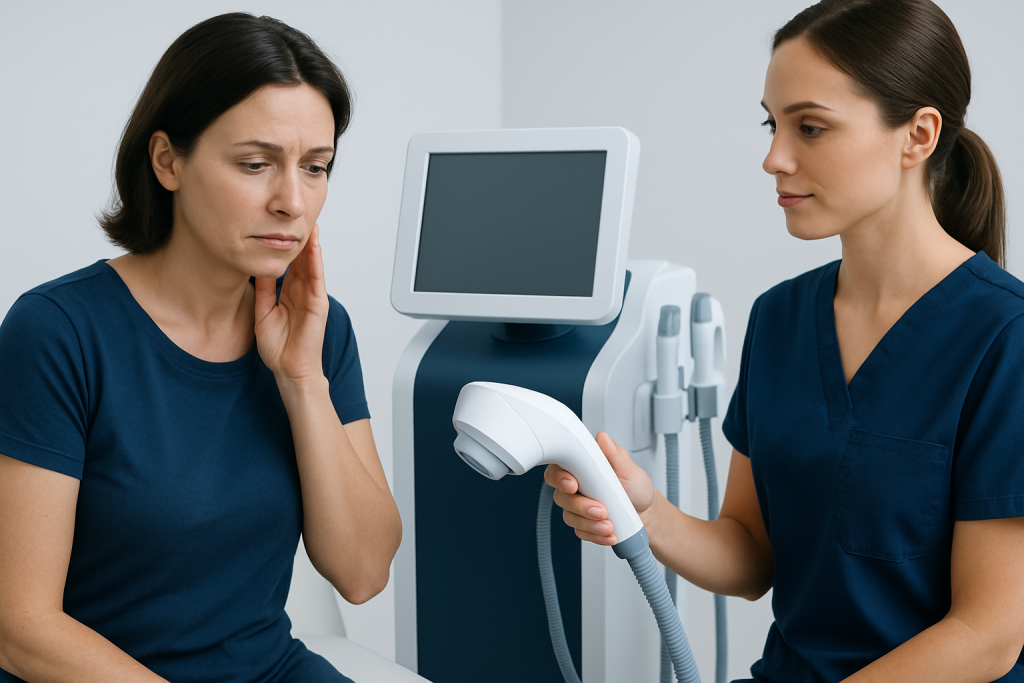
People usually seek skin tightening treatment because the skin has started to feel less resilient or no longer “holds” its previous shape. Common concerns include loose skin along the lower face, softening of the jawline, neck banding, crepey upper arms, abdominal laxity, and reduced firmness after weight changes.
The change may be subtle at first. Clothing may fit differently, makeup may settle into fine lines more easily, or the person may notice that skin sits in folds when the body changes position. These changes are normal signs of aging and tissue stretching, but they can affect confidence and how comfortably someone feels in photos, work settings, or social situations.
It is also important to separate true skin laxity from volume loss. Sometimes the face looks tired or less lifted because fat pads, bone support, or hydration have changed, and tightening alone may not fully address that. A good assessment looks at the whole structure rather than only the surface.
Causes and Risk Factors

Skin loses firmness when collagen and elastin decline over time. These proteins act like the skin’s supportive framework, and as they thin, the skin becomes more fragile, less springy, and slower to recover after stretching.
Several factors can accelerate this process. Sun exposure is one of the most common, because ultraviolet light breaks down collagen and can create a thinner, more wrinkled texture. Smoking, repeated weight fluctuations, dehydration, poor sleep, and some hormonal changes can also contribute.
Other factors include genetics, natural aging, pregnancy, and significant weight loss. Skin that has been stretched for a long period may not fully retract on its own, which is why some people eventually consider a procedure rather than relying on creams alone.
- Age-related collagen loss
- Sun exposure and tanning
- Smoking or nicotine use
- Major weight loss or weight cycling
- Pregnancy-related stretching
- Genetic tendency toward thinner or less elastic skin
Diagnosis and Treatment Planning
There is no single test for loose skin. Diagnosis is usually clinical, meaning a dermatologist or plastic surgeon examines the skin, listens to the person’s goals, and decides whether the concern is mild, moderate, or severe.
During the consultation, the clinician typically checks skin thickness, elasticity, degree of laxity, fat distribution, and any scarring or sun damage. They may also ask about medications, previous procedures, autoimmune conditions, smoking, pregnancy plans, or a history of poor wound healing, because these details can affect treatment choice and safety.
For patients traveling from abroad, this planning stage matters even more. It helps the team decide whether a virtual pre-assessment is enough, whether imaging or blood tests are needed before arrival, and how long the person should remain locally for review after treatment.
Treatment Options
Non-surgical skin tightening treatment is often the first discussion for mild to moderate laxity. Radiofrequency devices warm deeper layers of skin to support collagen remodeling, while ultrasound-based treatments focus energy below the surface to create a lifting effect over time. These approaches usually involve minimal downtime, but they work gradually and may require a series of sessions.
Microneedling, sometimes combined with radiofrequency, creates controlled micro-injuries that trigger repair and improve texture alongside firmness. Some people are also candidates for laser-based treatments, especially when skin tightening is paired with fine lines or uneven tone. Results vary by device, skin type, and the area being treated, so it is important that the plan is individualized rather than chosen only by popularity.
Injectable or thread-based options may be used in selected cases to support a mild lift, though they are not the same as a true surgical lift. When skin excess is substantial, surgery such as a facelift, neck lift, arm lift, tummy tuck, or body contouring procedure may provide the clearest improvement because it removes lax tissue rather than only stimulating it.
Possible advantages and limitations can be summarized simply:
- Energy-based treatments: little downtime, gradual change, best for mild to moderate laxity
- Microneedling-based treatments: may improve texture and firmness, often done in a series
- Threads or injectables: may offer temporary support in selected patients
- Surgery: more invasive, longer recovery, usually stronger change when excess skin is significant
Effectiveness and What Results to Expect
Effectiveness depends on the starting problem and the method chosen. Non-surgical skin tightening treatment tends to deliver subtle to moderate improvement, especially when the person has early laxity and realistic expectations. It can make the skin appear smoother, more rested, and slightly more lifted, but it does not usually replace the results of surgery when there is a large amount of extra skin.
One reason results can feel uncertain at first is that collagen remodeling takes time. The skin may look slightly improved soon after treatment, then continue to change over the following weeks or months as the deeper tissue response develops. That gradual timeline is normal, and it is one reason follow-up visits are helpful.
Maintenance may also be needed. Skin continues to age after treatment, and sun exposure, weight change, and lifestyle habits can influence how long the result lasts. For many patients, the best outcome comes from combining a procedure with skincare, sun protection, and stable health habits rather than viewing treatment as a one-time fix.
Recovery and Aftercare
Recovery depends on the method. After many non-surgical treatments, people may have temporary redness, swelling, warmth, or tenderness, but they are often able to return to normal activities quickly. After more intensive procedures or surgery, recovery is more involved and may include bruising, dressings, compression garments, and time away from work or travel.
Aftercare instructions should be followed carefully, especially if the person is recovering away from home. Typical guidance may include protecting the area from sun, avoiding intense exercise for a short period, keeping the skin clean, and not using irritating products until the clinician says it is safe. If surgery was performed, the patient may also need help with wound care, sleep positioning, and follow-up checks.
It is wise to plan recovery before the procedure rather than afterward. International patients should arrange transportation, a place to rest, and contact details for the care team in case questions arise once they have left the clinic. This helps the process feel calmer and safer.
Prevention, Maintenance and When to See a Doctor
No treatment can stop natural aging, but skin care habits can help preserve results. Daily sunscreen, avoiding tobacco, maintaining a stable weight, eating a balanced diet, and using a gentle moisturizer can all support skin health. These measures are especially important after a procedure because they help protect the improvement the treatment has made.
A doctor should be consulted before starting any skin tightening treatment if the person is pregnant, breastfeeding, has a history of keloids or poor healing, has active skin infection or inflammation in the area, or takes medications that may affect healing. A medical review is also important if the skin change happened suddenly, because that may suggest an underlying issue rather than normal aging.
Medical attention is also appropriate when loose skin causes discomfort, recurrent rashes in skin folds, functional limits, or strong distress that affects daily life. In that setting, the conversation may move beyond cosmetic preference and toward a treatment plan that improves comfort and quality of life. Acibadem Health Point’s multidisciplinary specialists and JCI-accredited hospitals diagnose and treat this condition for international patients with coordinated care and follow-up planning.
Frequently asked questions
01What is the best skin tightening treatment?
There is no single best option for everyone. The right treatment depends on how loose the skin is, where it is located, and whether the person wants a non-surgical approach or a more dramatic surgical result. A specialist can help match the method to the skin’s condition and the patient’s goals.
02Do non-surgical skin tightening treatments really work?
Yes, they can work well for mild to moderate laxity, especially when the skin still has some natural elasticity. The changes are usually gradual and subtle rather than dramatic. They are often chosen when downtime needs to be limited.
03How long does it take to see results?
Some people notice an early change in texture or tightness, but fuller results often develop over several weeks or months. This is because collagen remodeling happens gradually. Follow-up visits help the clinician judge whether additional sessions are needed.
04Is skin tightening treatment painful?
Most non-surgical treatments are tolerable, though people may feel heat, tingling, or brief discomfort. Numbing methods are sometimes used depending on the device and treatment area. Surgical procedures involve more discomfort and a longer recovery, so pain management is planned in advance.
05Can skin tightening treatment replace surgery?
It can in selected cases, especially when laxity is mild and the goal is modest improvement. However, when there is a large amount of excess skin, surgery is usually more effective because it removes tissue rather than only stimulating collagen.
06What should someone avoid after treatment?
The person should usually avoid sun exposure, harsh skincare products, and strenuous activity for a short period, depending on the procedure. If surgery was performed, they may also need to avoid heavy lifting and follow wound care instructions closely. The treating clinician should give specific aftercare guidance.
This article is for general information only and is not a substitute for professional medical advice. Please consult a qualified doctor about your individual situation.
Medical weight-loss options in Turkey — costs & eligibility
JCI-accredited · board-certified surgeons · reply within 24h
Add us as a Preferred Source to see more of our trusted health content across Google Search, AI Overviews and Discover.