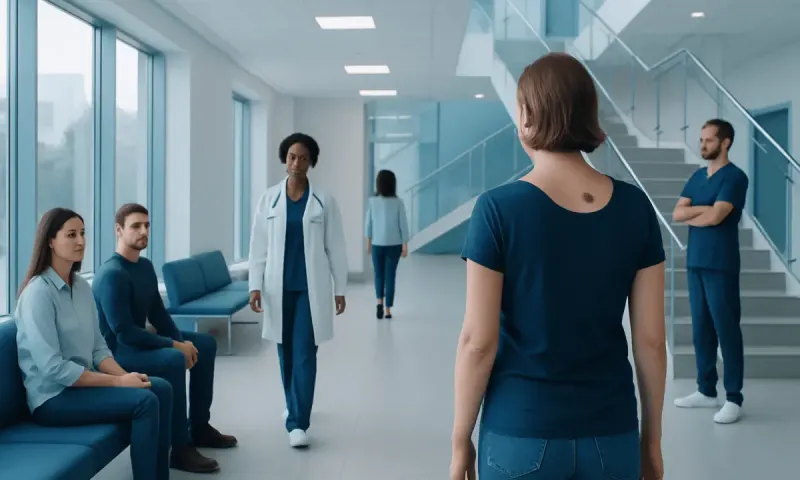
Skin Cancer Reconstruction: Repairing Facial Defects After Tumor Removal
Skin cancer reconstruction is surgery to repair facial defects left after removal of basal cell carcinoma, squamous cell carcinoma, melanoma or other skin tumors. The goal is to restore safe wound closure, protect important facial structures, and achieve the most natural appearance possible.
Overview
Skin cancer reconstruction refers to surgical repair of a wound or facial defect after a skin tumor has been removed. It is commonly needed after excision of basal cell carcinoma, squamous cell carcinoma, melanoma, or less common skin cancers. The face is a particularly delicate area because even a small tumor may involve the eyelid, nose, lip, cheek, forehead, scalp, or ear, where skin, cartilage, muscle and nerves work together for both appearance and function.
The first priority in skin cancer care is complete tumor removal. Reconstruction is then planned to close the wound, protect exposed tissue, and restore the shape and movement of the affected area as much as possible. In many cases, repair can be performed on the same day as tumor removal. In other cases, especially when cancer margins need further review or the defect is complex, reconstruction may be delayed or performed in stages.
Modern facial reconstruction uses principles of plastic and reconstructive surgery. Surgeons consider skin color, thickness, natural facial lines, blood supply, and the function of nearby structures. The aim is not only to cover the defect, but to help the repaired area blend with surrounding tissues while preserving breathing, blinking, smiling, speaking and eating.
When Skin Cancer Reconstruction Is Needed
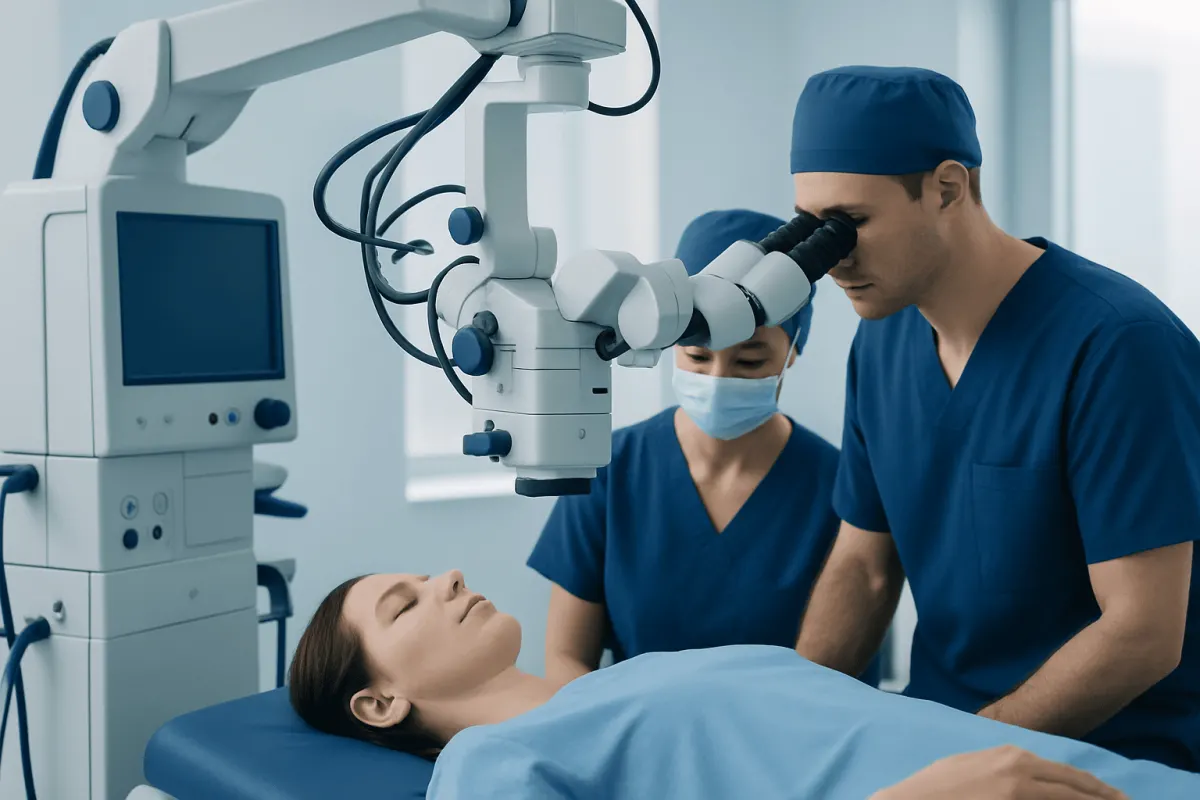
Some small skin cancer wounds can heal naturally or be closed with a few stitches. Reconstruction is more likely to be recommended when the defect is large, deep, located in a cosmetically sensitive area, or close to structures that need support. The nose, eyelids, lips and ears often require careful repair because distortion in these areas can affect daily function as well as facial balance.
Reconstruction may be considered after standard surgical excision, Mohs micrographic surgery, or wider excision for melanoma. Mohs surgery removes cancer layer by layer and examines tissue during the procedure, which can help preserve healthy skin while confirming the margins. After Mohs surgery, the remaining wound may have an irregular shape that requires specialized reconstruction.
Common reasons for reconstruction include:
- Exposed cartilage, bone, tendon or nerve after tumor removal
- Defects involving the eyelid margin, nostril rim, lip border or ear contour
- Wounds that would pull on nearby structures if closed too tightly
- Need to restore tissue thickness, lining or support
- Desire for a more natural scar placement along facial lines
Planning the Repair

Reconstruction is individualized. Before choosing a technique, the surgeon evaluates the tumor location, the size and depth of the defect, the condition of the surrounding skin, previous scars, radiation history, medical conditions, medications and smoking status. Photographs may be taken for planning and documentation. The care team also reviews pathology information to confirm whether margins are clear or whether further cancer treatment is needed.
Facial units guide planning. For example, the nose has separate aesthetic and functional subunits, such as the tip, bridge, sidewall and nostril. Reconstructing tissue within these natural boundaries can improve the final appearance. On the cheek or forehead, placing scars along natural wrinkles or relaxed skin tension lines can make scars less noticeable over time.
Patients should discuss their priorities and concerns during the consultation. Some people prefer the simplest safe repair with the shortest procedure, while others may accept a staged reconstruction to optimize contour in a prominent area. A clear discussion of expected scars, swelling, healing time, possible revisions and follow-up care helps patients make informed decisions.
Reconstruction Techniques
The simplest repair is primary closure, in which the wound edges are gently brought together with stitches. This works best when there is enough nearby skin and closure will not distort the eyelid, nostril, lip or other important landmark. Small adjustments, such as removing tiny triangles of skin, may help the incision lie flatter and follow natural contours.
A skin graft may be used when the defect cannot be closed directly. In this technique, a thin or full-thickness piece of skin is taken from another area, such as behind the ear, above the collarbone or from nearby facial skin, and placed over the wound. Grafts can be very useful, but their color and texture may differ from surrounding skin, and they require a healthy wound bed and careful early protection while blood supply develops.
Local flaps are commonly used in facial reconstruction. A flap is nearby tissue that is moved, rotated, advanced or transposed into the defect while keeping its blood supply. Because the tissue comes from the same region, it often matches better in color and thickness. For deeper defects, surgeons may also use cartilage grafts, lining repair, or layered reconstruction to support the nostril, eyelid or ear.
Some reconstructions are staged. For example, a forehead flap for a larger nasal defect may require more than one operation so that tissue can establish a reliable blood supply before final shaping. Staged procedures can sound demanding, but they are planned carefully and may provide stronger support and better contour for complex defects.
Recovery and Scar Maturation
Recovery depends on the type and extent of reconstruction. Mild swelling, bruising, tightness and tenderness are common in the first days after surgery. The care team provides instructions for wound cleaning, ointment or dressing use, activity limits, sleeping position, and when to return for suture removal or follow-up. Patients should avoid picking at scabs or applying unapproved products to the wound.
Most facial wounds improve steadily, but healing is not immediate. Early scars may look pink, firm or slightly raised. Over several months, scars usually soften, flatten and fade. Sun protection is especially important because ultraviolet exposure can darken healing scars and increase the risk of additional skin cancers. Silicone gel, scar massage or laser treatments may be recommended for selected patients, but these should be used under medical guidance.
Possible risks include bleeding, infection, wound separation, delayed healing, graft or flap problems, numbness, contour irregularity, visible scarring, and the need for revision. These risks vary with the defect, technique and patient factors. Smoking, uncontrolled diabetes, certain blood thinners, immune suppression and prior radiation can affect healing, so the surgeon should be informed about all health conditions and medications.
Functional Considerations by Facial Area
Reconstruction around the eyes aims to protect vision and allow comfortable blinking. Even a small change in eyelid position may cause dryness, tearing or irritation. Eyelid reconstruction may need precise alignment of the lid margin and enough support to prevent pulling away from the eye.
Nasal reconstruction focuses on both shape and breathing. The nostril rim and nasal sidewall may need cartilage support to prevent collapse during inhalation. For deeper nasal defects, the surgeon may need to replace three layers: inner lining, structural support and outer skin cover.
Lip reconstruction must preserve speech, expression, oral competence and the border between the red lip and surrounding skin. Ear reconstruction may involve skin and cartilage shaping to maintain contour and eyeglass support. In all facial areas, the goal is to restore a stable, comfortable repair that supports daily activities as well as appearance.
Prevention, Follow-up and When to See a Doctor
After one skin cancer, the risk of developing another can be higher, so ongoing dermatology follow-up is important. Patients should follow the schedule recommended by their dermatologist or oncologist, especially after melanoma or high-risk squamous cell carcinoma. Self-examination helps patients notice new or changing spots, non-healing sores, bleeding areas, or changes near a scar.
Prevention includes daily sun protection: broad-spectrum sunscreen, protective clothing, hats, shade, and avoiding tanning beds. People who work outdoors, have fair skin, many moles, a history of sunburns, immune suppression, or a family history of skin cancer may need especially consistent protection and regular skin checks.
A doctor should be contacted promptly if a healing wound becomes increasingly red, swollen, painful, warm, drains pus, bleeds repeatedly, opens, or is associated with fever. Patients should also seek evaluation for any new lump, persistent scab, color change, or ulcer near the reconstruction site. Acıbadem Health Point provides diagnosis and treatment for skin cancer-related facial defects through multidisciplinary specialists in JCI-accredited hospitals for international patients, with care plans tailored to each case.
Frequently asked questions
01Is skin cancer reconstruction done at the same time as tumor removal?
It often can be done on the same day, especially when margins are confirmed or the cancer has been removed by Mohs surgery. In some cases, reconstruction is delayed until pathology results are final or additional treatment decisions are made. The timing is chosen to balance cancer safety, wound healing and the best reconstructive plan.
02Will the scar be visible after facial reconstruction?
Any surgery leaves a scar, but facial reconstruction is planned to place scars along natural lines and use tissue that matches the area as closely as possible. Scars usually change significantly during the first several months and may continue to mature for a year or longer. If a scar remains raised, tight or noticeable, revision or scar treatments may be discussed after healing is stable.
03What is the difference between a skin graft and a flap?
A skin graft is skin taken from one area and transferred to cover a wound, relying on the wound bed to develop a new blood supply. A flap is nearby tissue moved into the defect while keeping its own blood supply. Flaps often provide a closer match in thickness and color on the face, while grafts can be useful when local tissue movement is limited.
04Is reconstruction after Mohs surgery painful?
Many reconstructions are performed with local anesthesia, sedation or general anesthesia depending on the size and complexity of the repair. After surgery, discomfort is usually managed with the pain relief plan recommended by the medical team. Patients should report increasing pain, swelling or bleeding because these may need prompt assessment.
05How long does recovery take?
Initial healing often takes one to three weeks, depending on the procedure and the patient’s health. Swelling and bruising usually improve earlier, while scar softening and color fading take several months. More complex or staged reconstructions require a longer treatment timeline and additional follow-up visits.
06Can skin cancer come back after reconstruction?
Reconstruction repairs the defect but does not by itself prevent recurrence or new skin cancers. Complete tumor removal and appropriate follow-up are the key parts of cancer control. Patients should attend scheduled skin checks and report any new growth, persistent sore or change near the scar.
07Who performs facial skin cancer reconstruction?
Reconstruction may be performed by plastic surgeons, dermatologic surgeons, facial plastic surgeons, oculoplastic surgeons or head and neck surgeons, depending on the location and complexity. Complex cases may involve a team approach, especially when the eyelids, nose, lips or ears are affected. Patients should ask about the surgeon’s experience with the specific type of facial defect.
This article is for general information only and is not a substitute for professional medical advice. Please consult a qualified doctor about your individual situation.
Hair transplant in Turkey — costs, graft counts & a free assessment
JCI-accredited · board-certified surgeons · reply within 24h
Add us as a Preferred Source to see more of our trusted health content across Google Search, AI Overviews and Discover.