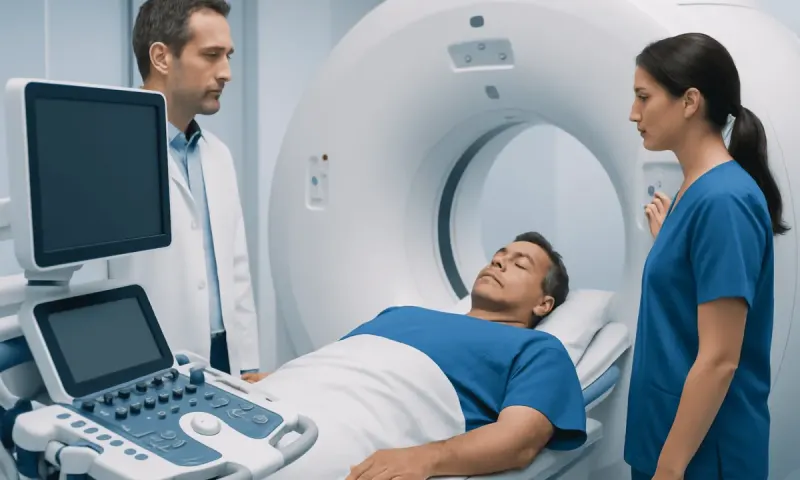
Sinus Tachycardia Is Usually the Body Responding to a Trigger

Have you ever noticed your heart racing and wondered whether something is wrong? Often, nothing is. Sinus tachycardia means the heart beats faster than normal because the body is responding to a trigger — exercise, fever, stress, pain, dehydration, or an underlying medical condition. In many cases it’s simply a normal physiologic response. That said, if episodes keep happening or you can’t find an explanation, it’s worth getting checked so the cause can be identified and other rhythm problems ruled out.
What sinus tachycardia means
Sinus tachycardia is a faster-than-normal heart rate that begins in the sinus node, the heart’s natural pacemaker. In adults, it usually refers to a resting heart rate above 100 beats per minute with a normal electrical pattern on an electrocardiogram (ECG). The key point is that the rhythm itself is organized and follows the heart’s usual pathway, even though it is faster.
In many situations, sinus tachycardia is a normal body response. During exercise, fear, emotional stress, pain, or fever, the body asks the heart to pump more blood and oxygen. The heart then speeds up appropriately. This is sometimes called physiologic sinus tachycardia and often settles when the trigger improves.
When does it matter more? When your heart races at rest for no clear reason, keeps going longer than expected, or causes troubling symptoms. In those cases, we look for the underlying cause rather than treating the fast rhythm itself as the disease — which is why evaluation can involve both heart testing and a broader medical check.
One thing we always want to sort out: is this truly sinus tachycardia, or another cause of a rapid heartbeat, such as an arrhythmia? Some abnormal rhythms can start in different parts of the heart and may need a different approach. A proper diagnosis helps guide safe treatment and avoid unnecessary worry.
Symptoms and how it may feel
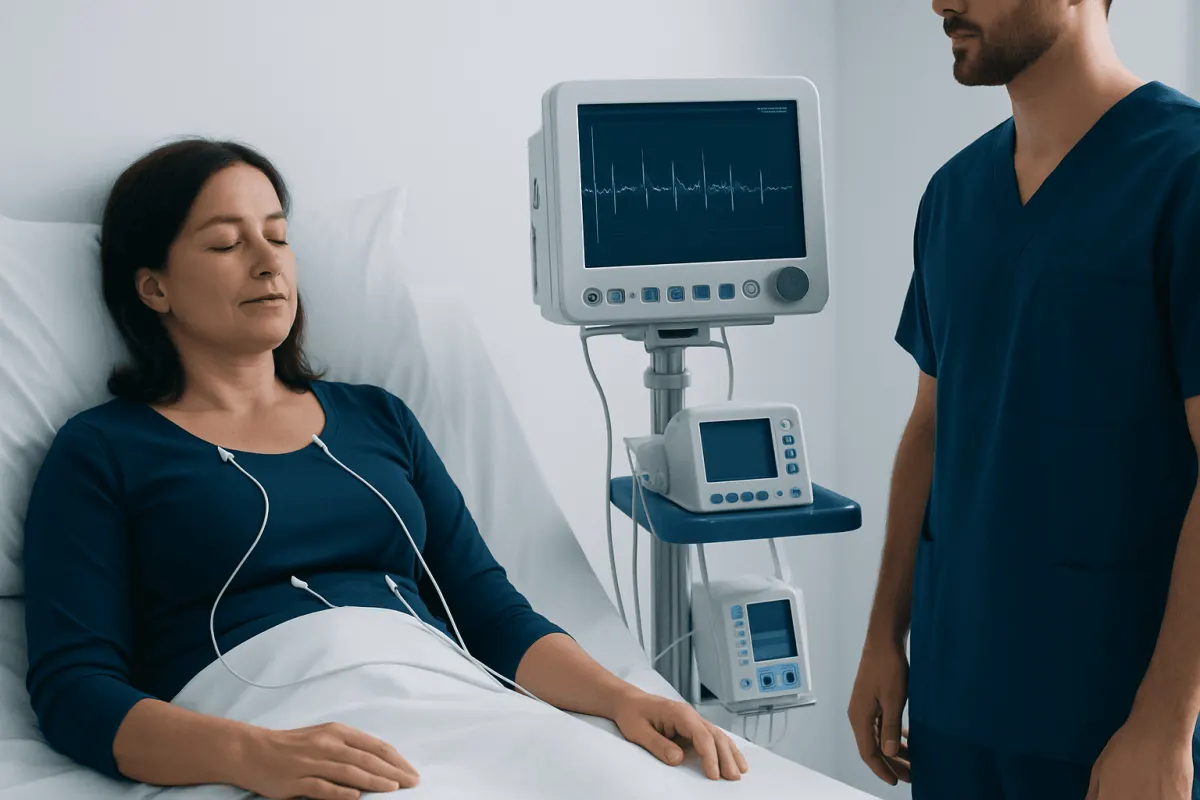
Some people with sinus tachycardia feel no symptoms at all and notice it only on a wearable device, blood pressure monitor, or routine exam. Others may become aware of their heartbeat and describe palpitations, fluttering, pounding, or a sense that the heart is racing. Symptoms often depend on how fast the heart is beating, how long it lasts, and whether another illness is present.
Common symptoms can include lightheadedness, mild shortness of breath, fatigue, shakiness, anxiety, or reduced exercise tolerance. If the body is under stress from fever, dehydration, or infection, a fast heart rate may occur along with sweating, weakness, or feeling generally unwell. In these cases, the symptoms may reflect both the rapid rate and its cause.
Chest discomfort, fainting, near-fainting, severe breathlessness, or confusion are a different story. They don’t always mean a dangerous rhythm, but don’t wait — they can signal reduced blood flow, a serious illness, or another cardiovascular problem, and they deserve prompt medical attention.
- Palpitations or awareness of a racing heartbeat
- Dizziness or lightheadedness
- Shortness of breath
- Fatigue or weakness
- Chest discomfort
- Anxiety or shakiness
Why sinus tachycardia happens

Sinus tachycardia has many possible triggers, and the most common ones are not primary heart diseases. Exercise, emotional stress, panic, pain, and lack of sleep can all activate the body’s stress response and increase heart rate. Caffeine, nicotine, alcohol, and some recreational drugs may also contribute. Certain medications, including decongestants, asthma inhalers, and stimulants, can have the same effect.
Medical causes matter too. Fever, infection, dehydration, blood loss, anemia, low blood pressure, overactive thyroid, and lung problems can all lead to a faster pulse. The body may be trying to maintain oxygen delivery to the brain and organs. Pregnancy can also cause a somewhat faster heart rate because of normal circulatory changes.
Heart-related causes are less common than many people assume, but they matter. Heart failure, inflammation, structural heart disease, and reduced oxygen levels can all be linked to sinus tachycardia. In some people, the rhythm is persistent without a clear trigger; this may lead clinicians to evaluate for syndromes such as inappropriate sinus tachycardia or autonomic conditions that affect heart rate regulation.
Because so many things can cause it, our goal usually isn’t just to slow the pulse — it’s to understand why it’s fast in the first place. A racing heart from dehydration improves with fluids; one from an overactive thyroid improves when the thyroid disorder is treated.
How doctors diagnose it
Diagnosis starts with a careful history. A doctor will ask when the fast heart rate occurs, how long episodes last, what symptoms accompany it, and whether there are triggers such as exercise, stress, illness, caffeine, or medications. The physical exam may include checking blood pressure, temperature, oxygen levels, hydration status, and signs of anemia, thyroid disease, or infection.
An ECG is the main test used to confirm sinus tachycardia and distinguish it from other fast rhythms. Sometimes the ECG is normal if the episode has passed, so the clinician may suggest ambulatory monitoring such as a Holter monitor or event recorder. This can help capture intermittent symptoms and compare heart rhythm with activities or timing of episodes.
Additional tests are chosen based on the likely cause. These may include blood tests for anemia, infection, electrolytes, or thyroid function, as well as urine testing, chest imaging, or an echocardiogram if a heart or lung condition is suspected. In some cases, doctors may recommend a cardiac check-up to assess overall cardiovascular health and exclude structural abnormalities.
So diagnosis really has two jobs: confirm the rhythm is truly sinus tachycardia, and find what’s driving it. That matters, because a normal response to exercise, a temporary illness, and a persistent rhythm issue needing specialist follow-up are treated very differently.
Treatment focuses on the cause
Treatment for sinus tachycardia depends on the trigger. If the fast heart rate is related to exercise, anxiety, heat, or temporary stress, it often settles with rest, hydration, cooling, and time. Fever or infection may improve once the underlying illness is treated. If medications, stimulants, or high caffeine intake are contributing, adjusting those exposures may help under medical guidance.
When a medical condition is responsible, treating that condition is the priority. This may involve replacing fluids, addressing anemia, managing thyroid disease, treating lung problems, or correcting pain. If a doctor suspects a heart condition such as heart failure, treatment will focus on that diagnosis rather than the heart rate alone.
For persistent symptoms, especially when episodes occur at rest or affect daily life, a cardiology review may be helpful. Doctors may consider medicines that slow the heart rate in selected patients, but these are not appropriate for everyone and should be tailored to the individual. In some situations, specialists use additional tests to evaluate autonomic function or exercise response.
If another rhythm disorder is suspected, more targeted heart-rhythm evaluation may be needed. This can include electrophysiology assessment to understand how the heart’s electrical system is working. The right plan depends on the person’s age, symptoms, medical history, and test findings.
Self-care, prevention, and daily habits
Not every case of sinus tachycardia can be prevented, but healthy habits can reduce common triggers. Drinking enough fluids, especially in hot weather or during illness, can help avoid dehydration-related fast heart rate. Limiting excess caffeine, avoiding nicotine, moderating alcohol, and discussing stimulant-containing medicines with a clinician may also help.
Good sleep, stress management, and graded physical activity are often useful. People who notice a racing heart during times of anxiety may benefit from slow breathing, mindfulness techniques, and regular routines. However, persistent symptoms should not be assumed to be “just stress” without a medical review, particularly if episodes are new or worsening.
Try keeping a symptom diary. Jot down the time of day, what you were doing, your heart rate reading, any symptoms, and possible triggers — patterns often emerge that help your clinician. Wearable devices add useful context, but they don’t replace medical testing, because they can’t always tell one rhythm from another accurately.
When an underlying condition has been diagnosed, following the treatment plan can reduce recurrence. This may include managing thyroid disease, treating anemia, controlling asthma, or attending follow-up for cardiology care. Near the end of the care pathway, some international patients may also seek evaluation at Acıbadem Health Point, where multidisciplinary specialists in JCI-accredited hospitals diagnose and treat heart rhythm concerns.
When to seek medical care
Medical attention is appropriate if sinus tachycardia is new, happens repeatedly at rest, lasts longer than expected, or causes bothersome symptoms such as dizziness, unusual fatigue, or reduced exercise tolerance. A doctor should also review it if there is a history of heart disease, thyroid disease, anemia, recent infection, medication changes, or pregnancy-related concerns.
Urgent care is needed if a fast heart rate comes with chest pain, fainting, severe shortness of breath, blue lips, confusion, weakness on one side, or if the heart rate is very fast and does not settle. These symptoms can point to a serious underlying problem and should not be ignored.
Parents should seek prompt advice for infants or children with poor feeding, unusual sleepiness, breathing difficulty, or a persistently rapid heartbeat, because normal heart rate ranges vary by age. Older adults and people with chronic illness may also need earlier evaluation because symptoms can be less specific.
Even when the cause turns out to be harmless, a proper assessment brings peace of mind and makes sure nothing gets missed. If your symptoms are severe or feel different from usual, getting checked is the safest step.
Frequently asked questions
01Is sinus tachycardia dangerous?
Sinus tachycardia is often a normal response to exercise, stress, fever, or dehydration and is not necessarily dangerous by itself. It becomes more important when it happens at rest without a clear cause, lasts too long, or comes with symptoms such as chest pain, fainting, or severe shortness of breath.
02What is the difference between sinus tachycardia and an arrhythmia?
Sinus tachycardia is technically a type of rhythm pattern, but it starts from the heart’s normal pacemaker and follows the usual electrical pathway. Many people use the word arrhythmia to describe abnormal rhythms that start elsewhere in the heart, which may need different evaluation and treatment.
03Can anxiety cause sinus tachycardia?
Yes. Anxiety, panic, fear, and emotional stress can activate the body’s stress response and make the heart beat faster. Still, a fast heart rate should not automatically be blamed on anxiety if it is new, persistent, or associated with other symptoms.
04How long can sinus tachycardia last?
The duration depends on the cause. It may last only minutes during exercise or stress, but it can continue longer if driven by fever, dehydration, anemia, thyroid disease, medication effects, or another ongoing condition. Persistent or unexplained episodes should be assessed by a clinician.
05Can dehydration cause sinus tachycardia?
Yes. When the body is low on fluids, the heart may beat faster to maintain blood flow and blood pressure. Rehydration often helps, but medical advice is important if symptoms are severe, persistent, or accompanied by weakness, fainting, or confusion.
06What tests are usually done for sinus tachycardia?
An ECG is the main test to confirm the rhythm. Depending on symptoms and history, a doctor may also request blood tests, a Holter monitor, chest imaging, or an echocardiogram to look for causes such as anemia, infection, thyroid disease, or structural heart problems.
This article is for general information only and is not a substitute for professional medical advice. Please consult a qualified doctor about your individual situation.
Heart care in Turkey — expert evaluation and treatment
JCI-accredited · board-certified surgeons · reply within 24h
Add us as a Preferred Source to see more of our trusted health content across Google Search, AI Overviews and Discover.