Signs of Pregnancy: Early Symptoms and Tests

Key Takeaways
- Early pregnancy signs often include a missed period, breast tenderness, fatigue, nausea, and more frequent urination.
- No single symptom confirms pregnancy; a home test or blood test is needed for confirmation.
- Some pregnancy-like symptoms can also happen with stress, hormonal changes, or other health conditions.
- A negative test may be too early if it was taken before the body made enough hCG to detect.
- Medical advice is important for severe pain, heavy bleeding, fainting, or any concern about an ectopic pregnancy.
Signs of pregnancy can vary widely from person to person, and many early changes are easy to confuse with premenstrual symptoms or stress. Understanding the common clues, their limits, and the right time to test can help someone move forward with confidence.
Overview
Many people first suspect pregnancy because something feels different: a period does not arrive, breasts feel unusually sensitive, or tiredness seems to come out of nowhere. These early signals can be subtle, and they do not always appear in the same order or with the same intensity.
Pregnancy begins when a fertilized egg implants in the uterus and the body starts producing human chorionic gonadotropin, or hCG. That hormone is one of the main reasons pregnancy tests become positive, but it is also part of why early symptoms can be so mixed and sometimes confusing.
For someone considering care from another country, the early stage often brings practical questions as well as medical ones: when to test, whether to fly, and how soon to arrange an obstetric visit after a positive result. A clear understanding of the common signs can make those next steps much easier to plan.
Common Early Signs
The earliest signs of pregnancy are often ordinary-looking changes that become noticeable only when they appear together. A missed period is the classic clue, but some people have irregular cycles, so timing alone is not always enough to tell what is happening.
Other frequent early symptoms include breast fullness or tenderness, nausea or sensitivity to smells, fatigue, mild cramping, bloating, and needing to urinate more often. Some people also notice spotting around the time implantation occurs, though not everyone does.
Possible early signs may include:
- Missed or lighter-than-usual period
- Breast tenderness or darkening around the nipples
- Nausea, with or without vomiting
- Fatigue or sleepiness
- More frequent urination
- Mild lower abdominal cramping
- Bloating or constipation
It is important to remember that these changes are not proof of pregnancy. They can also occur before a menstrual period, during hormonal shifts, or with other common health issues.
Why Symptoms Happen

Pregnancy symptoms are driven by the body’s early hormonal changes. After implantation, hCG rises quickly, and estrogen and progesterone also shift in ways that affect digestion, the breasts, the bladder, and energy levels.
Nausea is often linked to hormone changes and a heightened sense of smell. Fatigue may reflect the body’s effort to support early pregnancy, while breast changes happen as tissue responds to hormonal stimulation. Mild cramping can occur as the uterus begins changing, though cramping alone is not a reliable sign.
Because these symptoms are caused by broad hormonal effects, they are easy to confuse with premenstrual changes. That is why timing, testing, and follow-up matter more than any single symptom on its own.
Other Conditions That Can Look Similar
Pregnancy is only one explanation for early symptom patterns. Stress, sleep disruption, travel, changes in weight, thyroid problems, and polycystic ovary syndrome can all affect periods and energy levels.
Digestive upset can also mimic pregnancy-related nausea, while breast tenderness may appear before a menstrual period or with certain medications. Even a delayed period can happen without pregnancy, especially when cycles are not regular.
This overlap is one reason clinicians usually rely on a test rather than symptoms alone. For international patients who may be away from home when symptoms begin, it is helpful to know that a careful history, a pregnancy test, and sometimes an ultrasound are the tools used to sort out the cause.
How Pregnancy Is Confirmed
The most practical first step is usually a home urine pregnancy test after a missed period. These tests detect hCG, and they are more reliable once enough time has passed for the hormone to build up in the urine.
If the test is negative but pregnancy still seems possible, repeating it after a few days may help. Testing too early can produce a false negative, especially if ovulation happened later than expected or the urine is diluted.
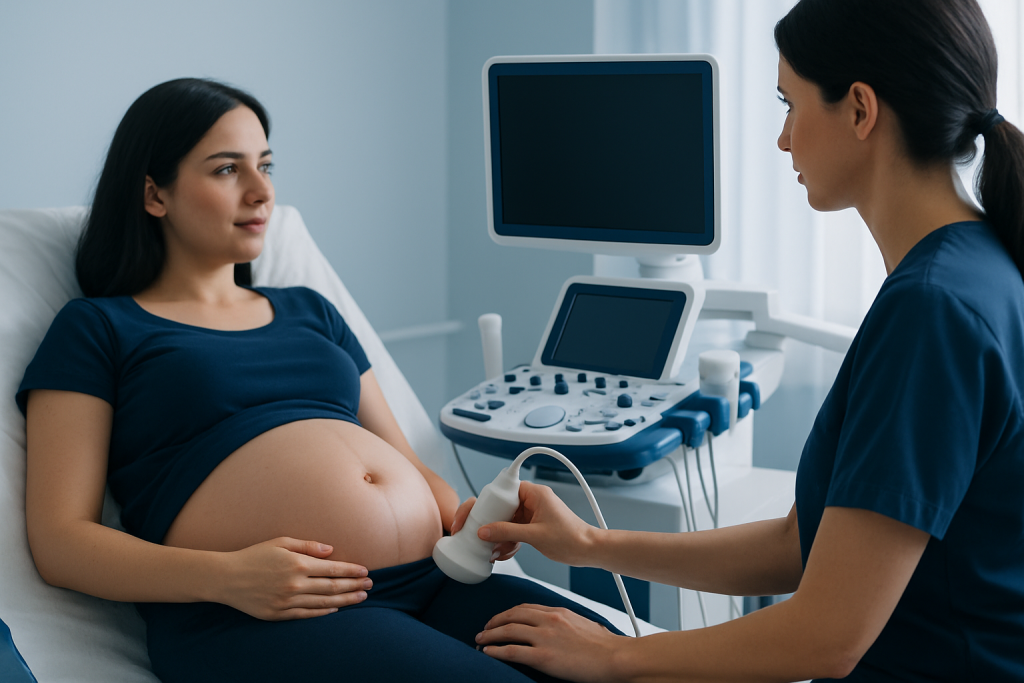
A blood test can detect pregnancy earlier than many home tests and may be used when the result is unclear or when a clinician wants a more precise answer. An ultrasound is then used to confirm the location and development of the pregnancy, usually after enough time has passed to see it clearly.
What To Expect After A Positive Test
A positive test is usually the point at which practical planning begins. The next step is a medical appointment to confirm the pregnancy, estimate gestational age, review medical history, and discuss any symptoms or medications that may need attention.
Early care often includes advice about folic acid, nutrition, exercise, and avoidance of alcohol, tobacco, and non-prescribed substances. Depending on the situation, a clinician may also discuss travel plans, existing conditions such as diabetes or hypertension, and what type of follow-up will be needed.
For patients who live abroad or are considering care outside their home country, this stage is also a good time to organize records, identify the nearest emergency service, and understand where follow-up scans or prenatal visits will take place. A smooth transition is easier when the first consultation is done with a clear plan for the weeks ahead.
When To See A Doctor
Medical advice is important any time pregnancy is suspected and the result is uncertain. It is especially helpful if periods are irregular, symptoms are unusual, or a person has a history of ectopic pregnancy, miscarriage, pelvic infection, or fertility treatment.
Urgent evaluation is needed for severe one-sided pain, heavy bleeding, fainting, shoulder pain, or pain accompanied by dizziness, because these can be warning signs of an ectopic pregnancy or another urgent condition. A doctor should also be contacted if vomiting prevents drinking fluids, or if there is severe weakness or dehydration.
For a more routine situation, a clinician can help interpret symptoms, explain the best time to test, and recommend the right follow-up. When needed, Acibadem Health Point’s multidisciplinary specialists and JCI-accredited hospitals diagnose and treat this condition for international patients with coordinated, patient-centered care.
Prevention, Planning, And Self-Care
Pregnancy itself is not something to “prevent” once it has begun, but several habits can support health while someone is waiting for confirmation. Hydration, regular meals, rest, and gentle movement can make early symptoms easier to manage.
If a period is late and pregnancy is possible, it is sensible to avoid alcohol and to check with a clinician before taking new medicines or supplements. People who are trying to conceive may also want to begin prenatal vitamins as advised by their doctor, especially those containing folic acid.
Self-care is also about clarity. Keeping track of the last period, recent travel, contraception use, and the timing of symptoms can help a clinician interpret the situation more accurately, whether the person is at home or arranging care from abroad.
What A Doctor May Ask
During an evaluation, a doctor will usually ask about the timing of the last menstrual period, cycle regularity, sexual activity, contraception, and any home test results. They may also ask about pain, bleeding, nausea, urinary symptoms, or changes in discharge.
Those questions are not meant to be intrusive; they help distinguish pregnancy from other causes and determine whether more urgent testing is needed. If a pregnancy is confirmed, the visit may also include a discussion of previous pregnancies, current medications, and plans for follow-up.
For patients traveling internationally, sharing a clear timeline is especially valuable because time zones, recent flights, and changes in routine can affect symptom tracking and test timing. A concise record often makes the first appointment more efficient and reassuring.
Frequently asked questions
01What is the earliest sign of pregnancy?
A missed period is often the first clue, but it is not the only one. Some people notice breast tenderness, fatigue, nausea, or mild cramping before they realize their period is late.
02Can pregnancy symptoms start before a missed period?
Yes, some people notice changes before the period is due, especially breast tenderness, mild cramping, or increased tiredness. These symptoms are not specific, so they should be confirmed with a test if pregnancy is possible.
03Can stress delay a period and mimic pregnancy?
Yes, stress can affect the menstrual cycle and create symptoms that feel similar to early pregnancy. Sleep disruption, travel, illness, and weight changes can also play a role.
04When should a home pregnancy test be taken?
Home tests are usually most reliable after a missed period. If the result is negative but pregnancy still seems possible, repeating the test after a few days can help.
05Can a negative test still mean pregnancy?
It can, especially if the test was taken too early or urine was too diluted. If the period does not come and symptoms continue, a repeat test or blood test may be recommended.
06When should urgent care be sought?
Urgent care is important for severe one-sided abdominal pain, heavy bleeding, fainting, shoulder pain, or marked dizziness. These symptoms need prompt medical assessment.
This article is for general information only and is not a substitute for professional medical advice. Please consult a qualified doctor about your individual situation.
Persistent digestive symptoms? Get evaluated in Turkey
JCI-accredited · board-certified surgeons · reply within 24h
Add us as a Preferred Source to see more of our trusted health content across Google Search, AI Overviews and Discover.