

Signs and Symptoms of Infected Tattoo: Signs, Causes and When to See a Doctor
- 9 min read
- Published November 27, 2026
Key Takeaways
- A fresh tattoo often feels sore or looks red for a short time, but symptoms that worsen instead of improve may point to infection.
- Pus, increasing warmth, spreading redness, fever, or severe pain are more concerning signs than ordinary healing.
- Tattoo infections can come from bacteria, contaminated ink or equipment, poor aftercare, or picking at the area while it heals.
- Medical evaluation may include a skin exam and, sometimes, a swab or culture to identify the cause.
- Prompt care helps most tattoo-related skin infections heal well and reduces the chance of scarring or deeper spread.
The signs and symptoms of infected tattoo usually include worsening redness, swelling, warmth, pain, pus, or a rash that spreads beyond the tattooed area. Most mild irritation settles as skin heals, but persistent or worsening changes should be checked by a doctor to prevent complications.
Overview
A new tattoo should gradually calm down as the skin repairs itself. In the first few days, mild redness, tenderness, swelling, and a little crusting can be part of normal healing. The signs and symptoms of infected tattoo become more concerning when those changes intensify, spread, or are joined by drainage, fever, or a rash that does not look like typical healing.
For someone deciding whether to seek care, timing matters. A tattoo that looks slightly irritated on day one is different from a tattoo that becomes more painful on day four, or a healed tattoo that suddenly turns hot, swollen, and tender. That pattern often suggests infection or another reaction that deserves medical assessment.
Because tattoos are created by puncturing the skin, there is always a small risk of infection if bacteria enter the wound. Most cases are treatable when recognized early, and timely attention is especially helpful for international patients who may be balancing travel, follow-up appointments, and recovery away from home.
Symptoms
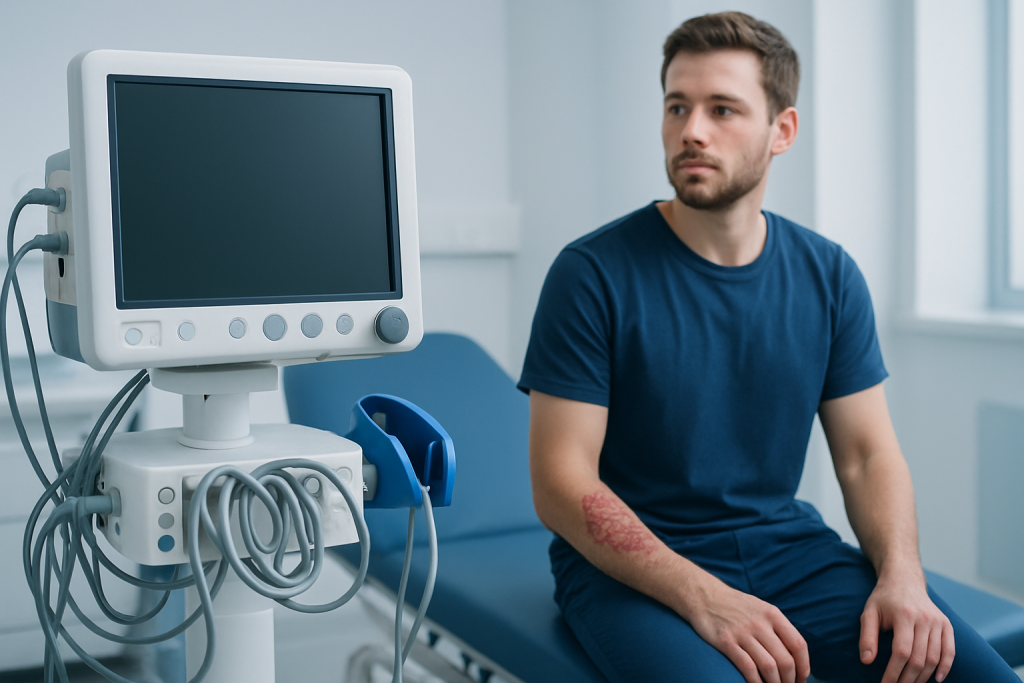
The most common signs and symptoms of infected tattoo are changes that worsen rather than settle. Redness that keeps expanding, increasing warmth, swelling that feels tight, and pain that becomes stronger after the first couple of days can all suggest infection. Pus, cloudy fluid, or an unpleasant smell from the area are also warning signs.
Some people notice that the skin around the tattoo becomes very itchy, develops a bumpy rash, or feels unusually tender to light touch. In more noticeable infections, the body may respond more broadly with fever, chills, tiredness, or swollen lymph nodes near the tattooed area.
- Redness that spreads beyond the tattoo
- Persistent or worsening swelling
- Heat in the skin around the tattoo
- Throbbing pain or tenderness that increases
- Yellow, green, or bloody drainage
- Fever, chills, or feeling unwell
It is also worth remembering that not every problem after a tattoo is an infection. Some people have allergic contact dermatitis, irritation from ointment or adhesive, or an inflammatory skin reaction to ink. These can look similar at first, which is one reason a careful examination can be useful.
Causes & Risk Factors

Tattoo infections usually happen when germs reach broken skin. This may occur during the tattoo process if equipment, ink, water, or the environment is contaminated, or afterward if the skin is not kept clean. Scratching, picking scabs, or exposing the area to unclean surfaces can also give bacteria an easier path into the healing skin.
Some people have a higher chance of complications than others. People with diabetes, weakened immune systems, circulation problems, eczema, or a history of slow wound healing may need closer attention during recovery. Large tattoos, tattoos in areas that rub against clothing, and tattoos exposed to swimming pools, hot tubs, or shared water can also be more vulnerable.
The design and location do not cause infection by themselves, but the healing environment matters. A tattoo on the ankle, thigh, or other spot that stays moist, repeatedly rubs, or is difficult to keep clean may heal more slowly. Travel can add another layer of complexity, especially when someone is trying to manage aftercare in a different climate, hotel setting, or time zone.
Diagnosis
Doctors usually begin by asking when the tattoo was done, how symptoms changed over time, and whether the person has used any creams, antiseptics, or home remedies. A physical examination helps distinguish normal healing from possible infection, allergic reaction, or another skin condition.
If drainage is present, a clinician may take a swab or sample for culture to identify the germ involved. This can help guide treatment, particularly when symptoms are not improving or when the infection appears more severe. In some situations, blood tests or additional evaluation may be needed if there are signs that the infection is affecting more than the skin.
Diagnosis is not based on appearance alone. A tattoo can look red because of fresh trauma, irritation from wrapping or products, or a reaction to ink. That is why an experienced clinician will consider the full pattern of symptoms, the timing, and any risk factors before recommending treatment.
Treatment Options
Treatment depends on what is causing the problem and how extensive it is. Mild local infections may be managed with prescription medicine and careful wound care, while more serious cases may need closer follow-up. The exact choice is individualized by a doctor after the area is examined.
General care often includes keeping the tattoo clean with gentle washing, avoiding picking or scratching, and protecting the skin from friction. If infection is confirmed, a doctor may recommend medication based on the likely type of bacteria or the results of a culture. If an allergic reaction or inflammatory response is the real issue, the treatment approach may be different from that used for infection.
People should avoid applying random creams, oils, or leftover antibiotics without guidance. These can irritate the skin, mask symptoms, or delay the correct diagnosis. When the tattoo is painful or draining, it is best not to cover it tightly or try to “dry it out” with harsh products, as the skin still needs a clean, calm healing environment.
Prevention & Self-care
Good prevention starts before the needle touches the skin. Choosing a licensed studio that follows clean technique, uses sterile equipment, and opens new supplies in front of the client lowers risk. It is reasonable to ask about hygiene practices, the source of ink, and aftercare instructions before getting a tattoo.
After the tattoo is done, the skin should be treated like a healing wound. Gentle cleansing, clean hands, loose clothing, and avoiding sun, pools, hot tubs, and heavy sweating early on can support recovery. The area should not be scratched, rubbed, or covered with products unless a clinician or tattoo professional has recommended them.
- Wash hands before touching the tattoo
- Follow the aftercare plan provided by the studio or doctor
- Keep the area clean and dry, but not overwashed
- Avoid swimming until the skin has healed
- Do not pick scabs or peel flaking skin
- Seek advice early if symptoms begin to worsen
For patients recovering while abroad, simple planning helps. Keep a copy of the aftercare instructions, know where local medical help is available, and do not wait for a scheduled flight home if the tattoo is clearly getting worse.
When to See a Doctor
Medical advice should be sought if redness, swelling, or pain keeps increasing after the first few days, or if pus, fever, chills, or red streaks appear. A tattoo that becomes hot, very tender, or difficult to move because of swelling also deserves prompt evaluation. These changes are more consistent with infection than with ordinary healing.
It is also sensible to see a doctor if the tattoo reaction is unclear. Some skin reactions can resemble infection, and the difference matters because the treatment may be completely different. This is especially important for people with diabetes, immune suppression, or a history of skin complications, since problems can progress more quickly.
If the tattoo was obtained during travel or in another country, an in-person assessment can still be worthwhile even if the patient plans to continue care at home. Acibadem Health Point notes that its multidisciplinary specialists and JCI-accredited hospitals diagnose and treat conditions like tattoo infections for international patients, while coordinating follow-up in a practical and respectful way.
Frequently asked questions
01How can someone tell if a tattoo is infected or just healing normally?
Normal healing may include mild redness, swelling, and tenderness that slowly improve over several days. Infection is more likely when symptoms worsen, spread, or are joined by pus, increasing heat, fever, or strong pain. If the pattern is unclear, a doctor can examine the tattoo and advise whether treatment is needed.
02Is it normal for a new tattoo to be red and sore?
Yes, some redness, mild swelling, and soreness are common in the first days after getting a tattoo. These should gradually ease rather than intensify. If the area becomes more painful, very hot, or increasingly swollen, it should be checked.
03Can an infected tattoo heal on its own?
Some mild skin irritations can improve with proper care, but a true infection may need medical treatment. Waiting too long can allow the infection to spread or leave scarring. It is safer to have worsening symptoms assessed early.
04What does pus from a tattoo mean?
Pus usually suggests that the skin is fighting an infection. Yellow, green, or foul-smelling drainage is more concerning than clear fluid or light crusting. A doctor should evaluate the area, especially if the drainage is increasing or the skin around it is red and painful.
05When should a person go to urgent care for a tattoo problem?
Urgent evaluation is appropriate if fever, chills, rapidly spreading redness, red streaks, or severe pain develop. These signs may indicate a more significant infection. Anyone who feels unwell or sees the tattoo worsening quickly should not wait several days for review.
06Can tattoo infection be prevented after getting inked?
Risk can be lowered with careful aftercare, clean hands, and avoiding water exposure, scratching, and tight clothing while the skin heals. Choosing a reputable studio also matters because sterile technique reduces the chance of contamination. If symptoms begin to change in the wrong direction, early medical advice is the best next step.
This article is for general information only and is not a substitute for professional medical advice. Please consult a qualified doctor about your individual situation.
Explore treatments in Turkey — costs, top hospitals & a free quote
JCI-accredited · board-certified surgeons · reply within 24h
Add us as a Preferred Source to see more of our trusted health content across Google Search, AI Overviews and Discover.



How can we help you today?
Meet an Acibadem specialist by secure video, before you travel.
Book a video visit