Sick Sinus Syndrome: Early Signs, Risk Factors, and How It Is Treated
Do you get lightheaded climbing a single flight of stairs, or feel wiped out by mid-morning for no clear reason? Sometimes the problem is not your lungs or your energy levels at all. It is the timing of your heartbeat.
Sick sinus syndrome is a heart rhythm disorder in which the sinus node, the heart’s natural pacemaker, does not send signals in a normal way. It can cause a heartbeat that is too slow, pauses between beats, or alternating slow and fast rhythms. The good news: treatment often helps people feel better and reduces complications.
Overview: what sick sinus syndrome means
Sick sinus syndrome is a group of heart rhythm problems caused by poor function of the sinus node, the small area in the right upper chamber of the heart that normally starts each heartbeat. When this natural pacemaker does not send signals steadily, the heart may beat too slowly, pause briefly, or switch between unusually slow and unusually fast rhythms.
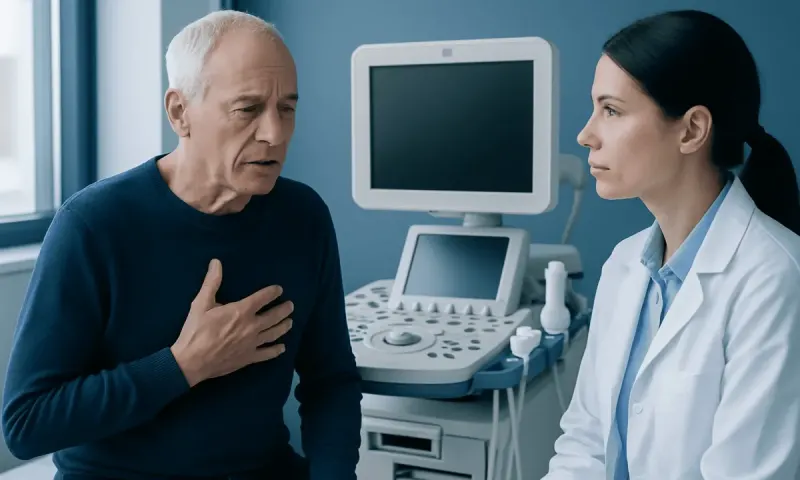
The condition is also called sinus node dysfunction. It is seen more often in older adults, but it can occur at other ages as well. Some people have no symptoms at first, while others notice tiredness, lightheadedness, or episodes of fainting that interfere with daily life.
Sick sinus syndrome is not the same as every slow pulse. A well-trained athlete, for example, may have a naturally slow resting heart rate without illness. In sick sinus syndrome, the slow or irregular rhythm is more likely to cause symptoms or fail to meet the body’s needs during activity.
The name sounds alarming, but many cases can be managed well. What matters most is pinning down exactly what the rhythm is doing, checking whether a medicine or another condition is behind it, and then choosing treatment based on your symptoms and the overall health of your heart.
Early signs and symptoms
The early signs of sick sinus syndrome can be subtle because the rhythm changes may come and go. People often describe unusual tiredness, lower stamina, or feeling faint when standing or walking. These symptoms happen because the heart may not pump enough blood when the rate is too slow or irregular.
Other symptoms may include dizziness, near-fainting, actual fainting, shortness of breath with activity, chest discomfort, or confusion, especially in older adults. Some people feel their heart racing or fluttering when fast rhythms occur between slow episodes. This pattern is sometimes called tachy-brady syndrome.
No two people experience this the same way. A few people only notice trouble during exercise, when the heart should speed up but does not. This is called chronotropic incompetence and can make ordinary activities feel much harder than usual.
- Fatigue or low energy
- Dizziness or lightheadedness
- Fainting or near-fainting
- Palpitations
- Shortness of breath
- Reduced exercise tolerance
Why it happens: causes and risk factors

The most common cause of sick sinus syndrome is age-related change in the heart’s electrical system. Over time, the sinus node and nearby tissue can develop fibrosis, meaning scar-like changes that interfere with electrical signaling. This makes it harder for the heart to maintain a normal rhythm, especially during physical activity or stress.
Other heart conditions can also contribute. These include coronary artery disease, previous heart attack, inflammatory heart disease, congenital heart conditions, and conditions that stretch or affect the atria. People who already have other rhythm disorders, such as atrial fibrillation, may also develop sinus node dysfunction.
Certain medicines can worsen or uncover the problem by slowing the heart too much. Examples include some beta blockers, certain calcium channel blockers, digoxin, and some antiarrhythmic medicines. Metabolic and systemic issues, such as thyroid disease, sleep apnea, electrolyte imbalance, or after-effects of heart surgery, may play a role as well.
Risk does rise with age, though plenty of older people never develop this condition. Your doctor will look at the whole picture, including your symptoms, medical history, the medicines you take, and your test results, before concluding that the sinus node is really the source of the trouble.
How doctors diagnose sick sinus syndrome
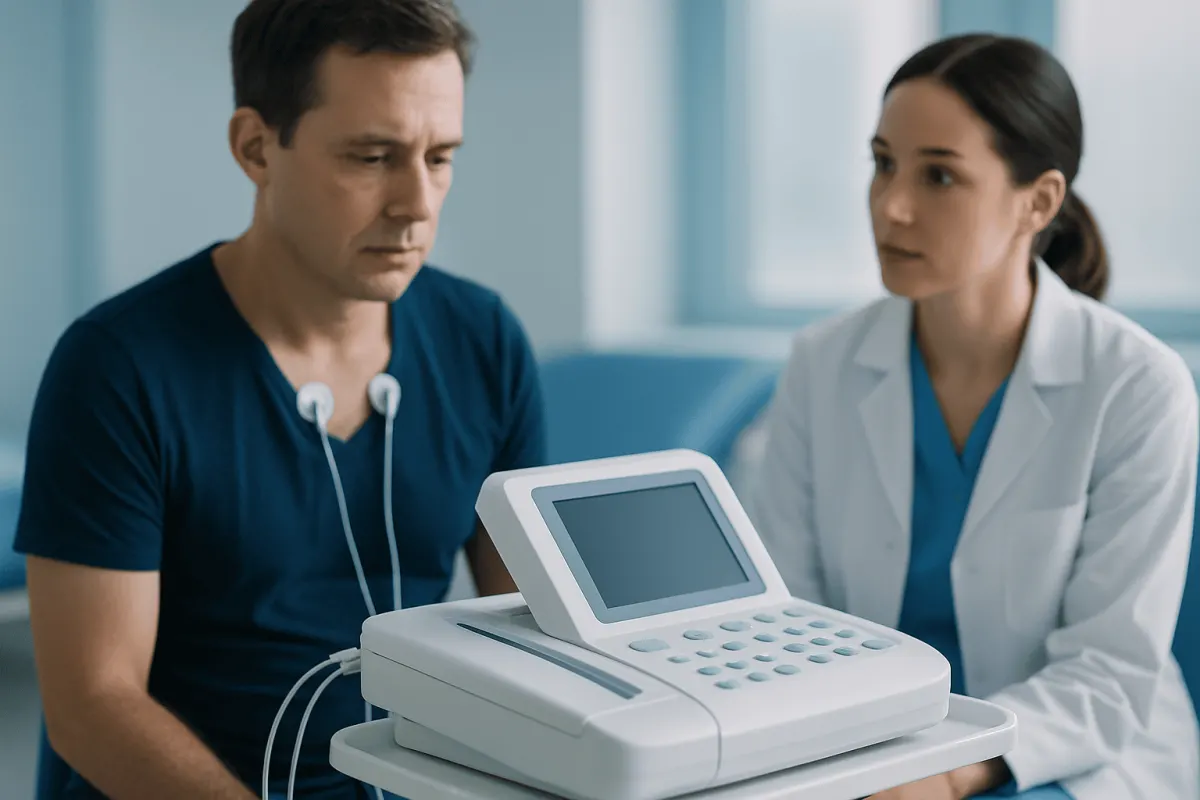
Diagnosis begins with a careful review of symptoms, especially when they happen and what the person was doing at the time. Because sick sinus syndrome can be intermittent, an office electrocardiogram may be normal between episodes. For that reason, rhythm monitoring over time is often the key to confirming the diagnosis.
Tests may include a standard electrocardiogram, Holter monitoring over 24 to 48 hours, or longer-term event or patch monitoring. In some cases, an implantable loop recorder may be considered if symptoms are infrequent but concerning. These tools help connect symptoms such as fainting or palpitations with the actual heart rhythm.
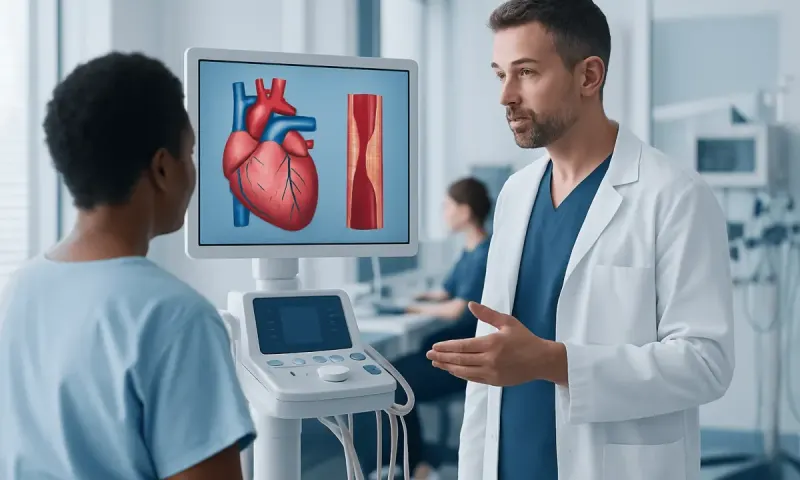
Doctors may also order blood tests to look for contributing causes such as thyroid problems or electrolyte disturbances. An echocardiogram may be used to evaluate heart structure and function. If a fast rhythm is suspected along with slow rhythms, the evaluation may overlap with the workup for arrhythmia more broadly.
A slow pulse on its own is not enough to make the diagnosis. What matters is whether the rhythm is inappropriate for the situation, whether it causes symptoms, and whether reversible triggers have been found. This approach helps avoid unnecessary treatment while making sure important rhythm problems are not missed.
Treatment options and what to expect
Treatment depends on symptoms, the type of rhythm problem, and whether a reversible cause is present. If a medicine is slowing the sinus node too much, a doctor may adjust or change it when safe to do so. If thyroid disease, sleep apnea, or an electrolyte problem is contributing, treating that issue may improve the rhythm.
When symptoms are caused by persistent or recurrent slow heart rhythms, a pacemaker is often the main treatment. A pacemaker does not cure the underlying sinus node dysfunction, but it helps the heart maintain a dependable rate and can greatly reduce dizziness, fainting, and fatigue related to bradycardia. For many people, pacemaker treatment is the most effective long-term option.
Some people have both slow and fast heart rhythms. In these cases, treatment may include medicines or procedures to control the fast rhythm once the slow rhythm has been protected with a pacemaker. Depending on the exact rhythm, a specialist may discuss cardiac electrophysiology evaluation or selected procedures such as cardiac ablation for associated tachyarrhythmias.
Follow-up is important after diagnosis and treatment. Doctors check symptom relief, rhythm control, medicine effects, and pacemaker function if one has been implanted. The goal is to improve quality of life and lower the risk of injuries or complications related to fainting or unstable heart rhythms.
Living with the condition: self-care and prevention
There is no guaranteed way to prevent all cases of sick sinus syndrome, especially those related to aging of the heart’s electrical system. Still, looking after overall cardiovascular health can support better outcomes. This includes managing blood pressure, cholesterol, diabetes, sleep apnea, and any known heart disease.
People with symptoms should avoid ignoring episodes of fainting, marked dizziness, or sudden weakness. It can help to keep a record of symptoms, pulse readings if available, activity at the time, and any medicine changes. This information may make diagnosis easier, especially when symptoms are intermittent.
After treatment, daily life is often more predictable, but regular follow-up remains important. People with a pacemaker should attend scheduled checks and ask about activity guidance, device precautions, and what symptoms should prompt a call to their doctor. If another rhythm problem is present, ongoing medicine review is also helpful.
If the diagnosis has stayed unclear, or if more than one rhythm problem is in play, it can help to have everything reviewed together by a specialist team. Acıbadem Health Point’s multidisciplinary specialists in JCI-accredited hospitals diagnose and treat heart rhythm disorders for international patients as part of broader cardiac care.
When to seek medical care
Medical attention is appropriate if a person has repeated dizziness, fainting, unexplained fatigue, new palpitations, or shortness of breath that may be related to heart rhythm changes. Even mild symptoms deserve assessment when they recur, interfere with daily activities, or happen during exertion.
Urgent care is especially important after fainting, chest pain, severe shortness of breath, or symptoms that begin suddenly and do not settle. These symptoms do not always mean sick sinus syndrome, but they can signal a heart problem that needs prompt evaluation.
People who already have heart disease or take medicines that slow the pulse should mention any new symptoms to their doctor. If a home device shows a very slow heart rate together with dizziness or weakness, a clinician should review this rather than relying on wearable data alone.
Early assessment can help identify reversible causes, confirm whether the sinus node is involved, and reduce the chance of falls or injuries from fainting. A cardiologist, and in some cases an electrophysiologist, can guide the next steps safely.
Frequently asked questions
01Is sick sinus syndrome serious?
It can be significant, especially if it causes fainting, severe dizziness, or poor blood flow symptoms. Many people do well with proper evaluation and treatment, particularly when the problem is recognized early and managed by a heart specialist.
02What is the difference between sick sinus syndrome and a normal slow heart rate?
A normal slow heart rate can occur in healthy people, especially athletes, and may not cause any symptoms. Sick sinus syndrome means the heart’s natural pacemaker is not working properly and the slow or irregular rhythm is more likely to cause fatigue, dizziness, fainting, or trouble with exercise.
03Does everyone with sick sinus syndrome need a pacemaker?
No. Treatment depends on whether symptoms are present, how slow the heart rate is, and whether a reversible cause has been found. A pacemaker is commonly used when symptoms are clearly related to slow heart rhythms and other causes have been addressed.
04Can medicines cause or worsen sick sinus syndrome?
Yes. Some medicines that slow the heart can worsen symptoms or reveal an underlying sinus node problem. A doctor should review all prescription medicines, over-the-counter products, and supplements before deciding on treatment changes.
05Can sick sinus syndrome cause both slow and fast heart rhythms?
Yes. Some people have episodes of bradycardia along with periods of fast atrial rhythm, such as atrial fibrillation or atrial flutter. This pattern is often called tachy-brady syndrome and may require treatment for both rhythm types.
06How is sick sinus syndrome confirmed if symptoms come and go?
Doctors often use rhythm monitoring over time, such as a Holter monitor, event monitor, or patch monitor. The goal is to capture the heart rhythm during symptoms and show whether the sinus node is failing to maintain a normal rate.
This article is for general information only and is not a substitute for professional medical advice. Please consult a qualified doctor about your individual situation.
Heart care in Turkey — expert evaluation and treatment
JCI-accredited · board-certified surgeons · reply within 24h
Add us as a Preferred Source to see more of our trusted health content across Google Search, AI Overviews and Discover.