

Shwachman-Diamond Syndrome: Symptoms and Treatment
- 8 min read
- Published November 29, 2026
Key Takeaways
- Shwachman-diamond syndrome is a rare genetic disorder that can affect digestion, blood cell production, and bone health.
- Poor weight gain, greasy stools, frequent infections, and low blood counts are common clues.
- Diagnosis usually involves blood tests, stool testing, genetic testing, and imaging or bone marrow evaluation when needed.
- Treatment focuses on enzyme replacement, nutrition support, infection care, and regular monitoring.
- Ongoing follow-up is important because needs can change as a child grows.
Shwachman-diamond syndrome is a rare inherited condition that can affect the pancreas, bone marrow, and skeleton, most often beginning in infancy or early childhood. With coordinated care, children can be monitored for growth, digestion, blood counts, and long-term complications in a structured and reassuring way.
Overview
Shwachman-diamond syndrome, often shortened to SDS, is a rare inherited condition that usually appears in infancy or early childhood. It can affect several parts of the body at once, especially the pancreas, bone marrow, and bones, so the first signs may look like a mix of digestive trouble, poor growth, and frequent infections.
For families, the diagnosis can feel complex at first because the symptoms do not always point to one obvious cause. Some children come to medical attention because they are not gaining weight as expected, while others are evaluated after repeated infections or an unexpectedly low blood count. A careful, step-by-step assessment helps connect these pieces.
SDS is a lifelong condition, but its course can vary widely from child to child. Some children mainly need support for digestion and nutrition, while others need closer blood monitoring or treatment for bone and growth concerns. Good care often depends on regular follow-up with specialists who can track changes over time rather than treating each symptom in isolation.
Symptoms

The most familiar signs of Shwachman-diamond syndrome often involve digestion and growth. Because the pancreas may not release enough digestive enzymes, food is not broken down efficiently, which can lead to loose or bulky stools, greasy stools, poor appetite, belly discomfort, and difficulty gaining weight or growing as expected.
Blood-related symptoms may also appear. The bone marrow can make fewer blood cells than expected, which may lead to frequent infections, unusual tiredness, pale skin, easy bruising, or low energy. Some children have low white blood cells, low platelets, anemia, or a combination of these findings.
Bone and skeleton changes are another important part of the picture. A child may have short stature, delayed bone development, or changes seen on imaging such as unusual rib or hip findings. In some children, the pancreas or blood counts are not the first issue noticed, which is why SDS can take time to recognize.
- Poor weight gain or slow growth
- Greasy, bulky, or frequent stools
- Low appetite or feeding difficulties
- Frequent infections
- Easy bruising or unusual tiredness
- Bone or skeletal differences
Causes & Risk Factors

Shwachman-diamond syndrome is caused by inherited changes in genes involved in cell function, most commonly SBDS, although other genes can also be involved. These gene changes affect how certain cells develop and work, especially cells in the pancreas and bone marrow.
SDS is usually passed down in an autosomal recessive pattern. This means a child typically inherits one altered copy of the gene from each parent, who are often healthy carriers. Families may not know there is a genetic risk until a child shows symptoms or is diagnosed through testing.
Because the condition is genetic, family history can sometimes offer a clue, but it is not always obvious. Genetic counseling can help parents understand recurrence risk, discuss testing for siblings or future pregnancies, and make sense of results in a practical, non-technical way.
Diagnosis
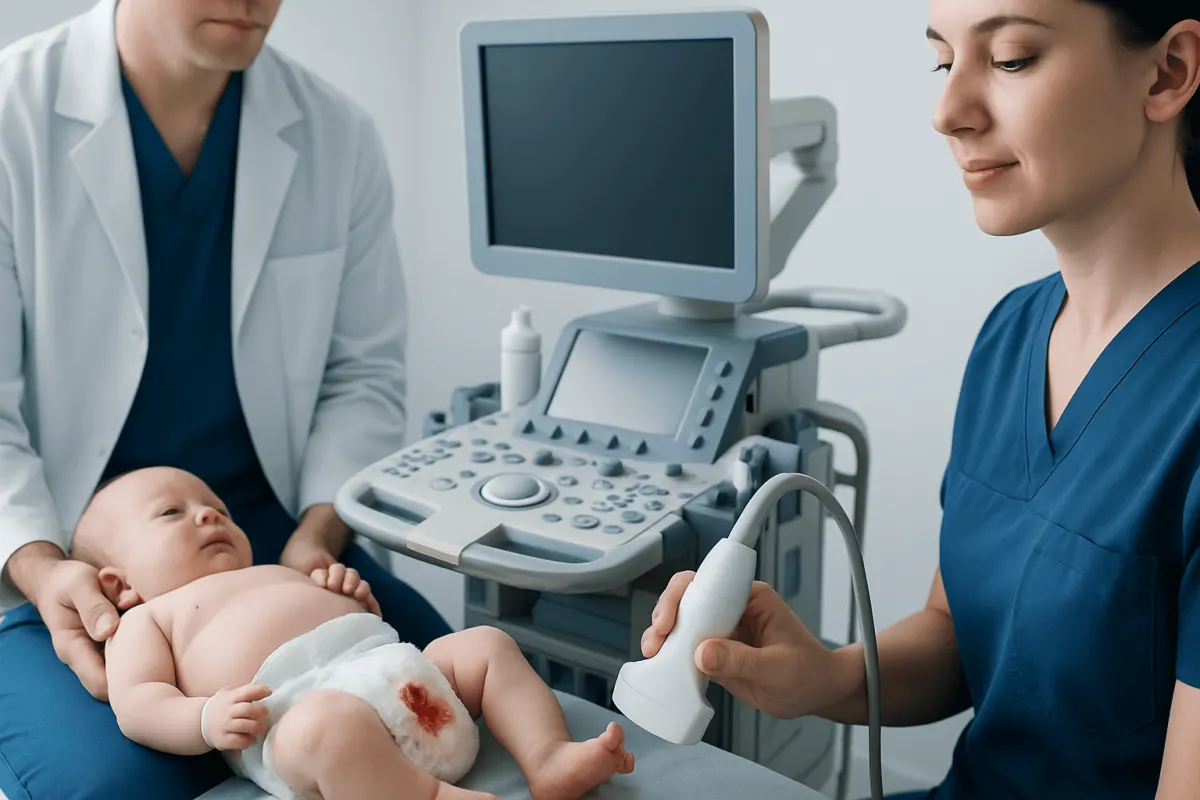
Diagnosing Shwachman-diamond syndrome usually begins with a clinician listening for a pattern: digestive symptoms, growth concerns, and blood count changes that do not fit neatly into a single common illness. From there, the medical team may order tests that look at nutrition, pancreas function, and blood cell production.
Common tests include blood counts, liver and nutrition studies, stool tests that assess pancreatic enzyme output, and imaging if bone or organ involvement is suspected. A genetic test is often the key confirmatory step, because identifying a disease-causing variant can clarify the diagnosis and guide family counseling.
In some cases, a bone marrow evaluation may be recommended if blood counts are persistently low or changing. The goal is not simply to label the condition, but to understand how it is affecting the child right now so care can be matched to current needs and future risks.
Treatment Options
There is no single cure for Shwachman-diamond syndrome, so treatment is tailored to the organs involved and the child’s age, growth, and symptoms. Many children benefit from pancreatic enzyme replacement to improve digestion and help the body absorb nutrients more effectively.
Nutrition support is often central. A dietitian may help adjust meals, address vitamin deficiencies, and monitor growth. Some children need supplements or a temporary feeding plan if weight gain is difficult. Infections are treated promptly, and some children may need closer surveillance for recurrent or severe infections because of low blood counts.
If the bone marrow is significantly affected, hematology specialists may recommend closer monitoring or additional therapies. In selected situations, stem cell transplant may be discussed, particularly for severe bone marrow failure or high-risk blood problems. Orthopedic and endocrinology input may also be helpful when growth or bone health is affected.
Treatment plans are often revisited as the child grows, because SDS can change over time. That is why families are usually encouraged to think in terms of regular updates rather than a one-time solution.
Prevention & Self-care
Shwachman-diamond syndrome cannot be prevented, but day-to-day care can reduce complications and help families feel more in control. A consistent follow-up plan is especially important when a child lives far from the treating center, because growth, blood counts, and nutrition may need to be checked at predictable intervals.
At home, families are often asked to watch for changes in appetite, stool pattern, energy level, and infection frequency. Keeping a simple record of symptoms, weight trends, and any new bruising or fevers can make clinic visits more useful and can help the care team adjust treatment earlier.
Practical self-care often includes:
- Taking pancreatic enzymes exactly as prescribed by the care team
- Following nutrition advice from a pediatric dietitian
- Staying current with recommended vaccines after medical review
- Reporting fever, unusual bruising, or persistent fatigue promptly
- Keeping all scheduled blood tests and specialist visits
For international patients, planning follow-up before travel home can be helpful. Families may ask for a written care summary, test plan, and clear instructions on which symptoms should trigger urgent reassessment locally.
When to See a Doctor
Medical review is important whenever a child has poor growth, ongoing digestive symptoms, repeated infections, or unusual blood test results. These signs do not always mean SDS, but they do deserve evaluation, especially when several of them appear together.
After diagnosis, families should contact the care team promptly for fever, worsening fatigue, significant bruising, bleeding, dehydration, or a clear change in feeding or stool pattern. These changes may signal infection, worsening blood counts, or a need to adjust treatment.
If care is being coordinated across countries, it is helpful to identify a local doctor who can partner with the treating team abroad. Acibadem Health Point’s multidisciplinary specialists and JCI-accredited hospitals diagnose and treat this condition for international patients, helping families organize evaluation, treatment, and follow-up with continuity in mind.
Living With the Condition
Families often find that the most helpful approach is a long-term care map rather than isolated appointments. Because SDS can involve digestion, blood counts, growth, and bone health, one visit may focus on nutrition while another looks at marrow function or skeletal development.
Children with SDS may still benefit from school support, activity adjustments during illness, and developmental monitoring if fatigue or growth delays affect daily life. As they get older, they may also need guidance about transition to adult care so follow-up does not stop when pediatric visits end.
Emotional support matters too. A rare diagnosis can be easier to manage when parents understand what is being watched, why certain tests repeat, and which symptoms are most important to report. Clear explanations often reduce anxiety more than broad warnings ever could.
Frequently asked questions
01What is Shwachman-diamond syndrome in simple terms?
It is a rare inherited condition that can affect how the pancreas digests food, how the bone marrow makes blood cells, and how bones grow. Children may have trouble gaining weight, frequent infections, or low blood counts.
02How is Shwachman-diamond syndrome diagnosed?
Doctors usually combine symptoms, blood tests, stool testing, and genetic testing to confirm the diagnosis. Imaging or bone marrow tests may also be used when needed to understand how much the condition is affecting the body.
03Is Shwachman-diamond syndrome curable?
There is no single cure, but many symptoms can be managed well with regular care. Treatment may include enzyme replacement, nutrition support, infection treatment, and close monitoring for blood and bone complications.
04Can a child with SDS live a normal daily life?
Many children continue school, play, and family activities with appropriate medical support. The key is regular follow-up so treatment can be adjusted as needs change.
05Should family members be tested?
Genetic counseling is often helpful because SDS is inherited. A specialist can explain whether parents, siblings, or future pregnancies should be considered for testing based on the family’s genetic results.
This article is for general information only and is not a substitute for professional medical advice. Please consult a qualified doctor about your individual situation.
Explore treatments in Turkey — costs, top hospitals & a free quote
JCI-accredited · board-certified surgeons · reply within 24h
Add us as a Preferred Source to see more of our trusted health content across Google Search, AI Overviews and Discover.


How can we help you today?
Meet an Acibadem specialist by secure video, before you travel.
Book a video visit