Shoulder replacement in Turkey: Hospitals, Safety & What to Expect
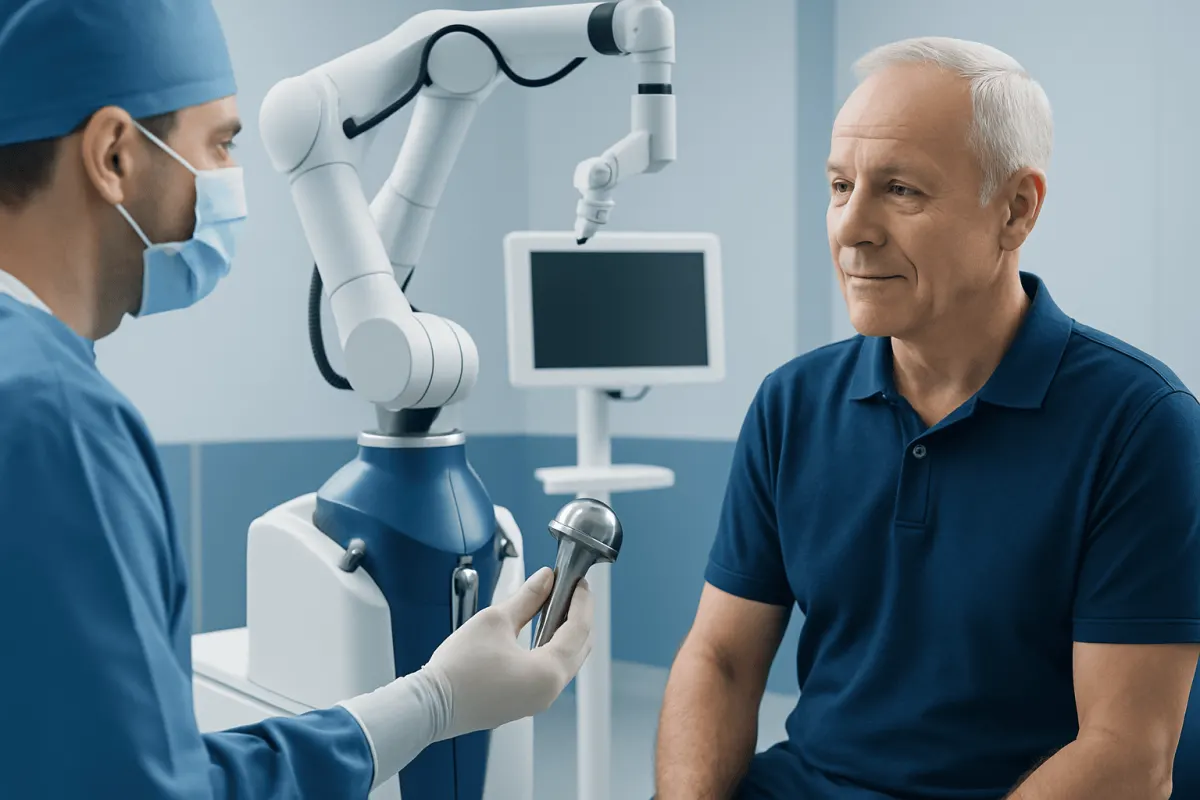
Shoulder replacement in Turkey involves replacing damaged parts of the shoulder joint with artificial components to relieve pain and improve function when non-surgical care is no longer effective. A safe experience depends on appropriate candidacy assessment, an experienced orthopedic team, hospital quality standards, rehabilitation planning and coordinated follow-up after travel.
Overview: Shoulder Replacement in Turkey
Shoulder replacement in Turkey can be an appropriate option for people with persistent shoulder pain and major loss of movement when assessment confirms that joint replacement is suitable. The most important factors are not travel alone, but a careful orthopedic evaluation, qualified surgical and anesthesia teams, hospital safety systems, and a practical plan for rehabilitation and follow-up at home.
Also called shoulder arthroplasty, this surgery replaces worn or damaged joint surfaces with metal and plastic components. It is most often used to treat advanced arthritis, severe fracture damage or complex shoulder problems in which pain and limited function continue despite non-surgical treatment.
For international patients, planning usually includes a review of medical history and imaging before travel, an in-person assessment on arrival, surgery and hospital care, early physiotherapy, and instructions for recovery after returning home. The most relevant overview of surgical approaches and care planning is available through shoulder replacement treatment.
How Shoulder Replacement Works
The shoulder is a ball-and-socket joint. The rounded top of the upper arm bone, called the humeral head, moves against the socket portion of the shoulder blade, called the glenoid. Arthritis or injury can damage the smooth cartilage that allows these surfaces to move comfortably, leading to pain, stiffness, grinding and loss of function.
During replacement surgery, the surgeon removes damaged bone and cartilage as needed and inserts prosthetic components designed to recreate smoother joint movement. In a total shoulder replacement, both the humeral head and socket are replaced. In a partial replacement, only the humeral side may be replaced. The exact implant and technique are selected from the individual’s anatomy, bone quality and diagnosis.
An anatomic total shoulder replacement is generally considered when the rotator cuff tendons are functioning well. A reverse shoulder replacement changes the joint’s mechanics by placing the ball on the shoulder blade side and the socket on the upper arm side. This may be helpful when a large, irreparable rotator cuff tear is present with arthritis or when reconstruction after some fractures requires it.
The aim is to reduce pain and support useful shoulder function, not necessarily to restore every movement or level of strength that existed before the shoulder problem developed. Expectations should be discussed openly with the orthopedic surgeon before deciding on surgery.
Who May Be a Candidate

Candidacy is based on symptoms, examination findings, X-rays and sometimes CT or MRI scans. People may be considered when they have severe pain affecting sleep, dressing, personal care, work or daily activities, alongside clear joint damage and inadequate relief from measures such as activity changes, physiotherapy, pain management or injections.
Common reasons include osteoarthritis, inflammatory arthritis, arthritis following a previous injury, humeral head collapse due to reduced blood supply, complex fractures, and rotator cuff tear arthropathy. The condition of the rotator cuff, the pattern of bone loss and prior shoulder operations can all influence which procedure is most appropriate.
Good surgical candidates also need to be able to participate in rehabilitation and follow restrictions during early healing. Smoking, poorly controlled diabetes, active infection, significant heart or lung disease, certain medications and limited support at home may require additional assessment or optimization before surgery.
For people travelling internationally, a remote review can help determine whether a visit may be appropriate, but it does not replace an in-person consultation. Patients should provide recent imaging where possible, a medication list, information about allergies and previous operations, and details of relevant medical conditions.
What Happens Before, During and After Surgery
Before surgery, the team confirms the diagnosis, reviews imaging, performs anesthesia and general health assessments, and explains the planned operation, alternatives and expected rehabilitation. Patients may be advised about medication adjustments, skin preparation, fasting instructions and arrangements for a responsible adult to assist after discharge.
On the day of surgery, anesthesia is used so the patient is comfortable and unaware during the procedure. A regional nerve block may also be used to support pain control after surgery. The surgeon makes an incision at the front of the shoulder, prepares the damaged joint surfaces, places the selected implant components and repairs the surrounding tissues as appropriate.
Afterward, the arm is usually supported in a sling. The care team monitors pain, circulation, wound condition and overall recovery. The length of hospital stay varies according to the procedure, health status, pain control and mobility needs. Early guidance commonly includes hand, wrist and elbow movement, as well as carefully prescribed shoulder exercises.
International care coordination should include discharge documents in English where needed, a summary of the implants used, medication instructions, rehabilitation guidance and contact information for clinical questions. Travel timing should be individually agreed with the surgeon, particularly because long journeys require consideration of comfort, wound care and blood-clot prevention.
Recovery Timeline and Rehabilitation
Recovery after shoulder replacement is progressive and differs between individuals and procedure types. In the first days and weeks, the priorities are protecting the repair, controlling pain, caring for the incision and beginning only the movements recommended by the physiotherapy team. A sling is commonly used during this early period.
During the next several weeks, supervised or home-based exercises may gradually improve range of motion. Strengthening is generally introduced later, once healing is sufficient and the surgeon or physiotherapist considers it appropriate. It is important not to lift, push, pull or perform unapproved movements too early, as this can affect healing and stability.
Many people notice meaningful improvement in pain and daily comfort over the first few months. Functional gains can continue for six months or longer. Recovery may take longer after reverse replacement, fracture-related surgery, revision surgery or when stiffness and muscle weakness were substantial before the operation.
Patients travelling for surgery should arrange physiotherapy before returning home where possible. A written rehabilitation plan should be shared with the local physiotherapist or doctor. Follow-up may include virtual reviews and locally arranged imaging, depending on the surgeon’s recommendations and the patient’s recovery.
Benefits, Risks and Hospital Safety
The potential benefits of shoulder replacement include less pain, better sleep, improved ability to perform personal care and household activities, and increased shoulder movement. Results depend on the original diagnosis, type of replacement, condition of the muscles and tendons, adherence to rehabilitation and overall health.
As with any major operation, risks should be understood before proceeding. These can include infection, bleeding, blood clots, nerve or blood vessel injury, stiffness, fracture, dislocation or instability, loosening or wear of implant components, ongoing pain and the possible need for further surgery. Anesthesia also has risks that are assessed individually.
Safety measures typically include preoperative screening, sterile operating procedures, antibiotic protocols when clinically indicated, blood-clot prevention, careful pain management and early mobilization. Patients should ask how the hospital manages complications, how urgent concerns are handled after discharge and how follow-up is coordinated across countries.
Hospital accreditation can be one useful quality indicator, but it should be considered alongside the qualifications and experience of the clinical team, transparent communication, infection-prevention practices and continuity of care. JCI-accredited hospitals follow internationally recognized standards for patient safety and quality, while accreditation does not remove the need for individual clinical assessment.
- Ask who will perform the operation and who provides anesthesia and postoperative care.
- Confirm the expected rehabilitation schedule and travel recommendations.
- Discuss how medical records, implant information and follow-up reports will be provided.
- Ensure there is a clear plan for urgent care after returning home.
Planning Travel, Accommodation and Follow-Up
Travel planning should start only after the patient has received a personalized clinical recommendation. The patient and care coordinator can discuss the anticipated duration of stay, whether a companion is advisable, hotel or other accommodation needs, transport between the airport and hospital, and accessibility requirements during sling use.
Accommodation should be close enough to allow comfortable attendance at early appointments. Patients may need help with luggage, dressing, meals and other practical tasks during the first part of recovery. It is also sensible to plan flexible arrangements in case the surgeon recommends a longer stay for observation or wound review.
Before travel, patients should check insurance arrangements, travel documentation and access to medical care in their home country after returning. They should carry essential health information and avoid making recovery plans that depend on an exact timeline, since healing varies from person to person.
Acıbadem Health Point’s multidisciplinary specialists and JCI-accredited hospitals support diagnosis and treatment planning for international patients, including coordination of orthopedic care and follow-up information. A consultation can help patients understand whether surgery, continued non-surgical care or further assessment is the most suitable next step.
When to Seek Medical Care
Medical assessment is recommended for shoulder pain that lasts for several weeks, interferes with sleep or daily tasks, follows an injury, or is accompanied by progressive weakness or loss of movement. An orthopedic clinician can identify whether symptoms may be related to arthritis, tendon injury, instability, nerve problems or another cause.
Urgent medical care is needed after a significant fall or injury if the shoulder looks deformed, cannot be moved, becomes suddenly very swollen, or is associated with numbness, weakness or a cold or pale hand. These signs may indicate a fracture, dislocation or circulation problem.
After shoulder replacement, patients should contact their surgical team promptly for increasing redness, warmth, drainage or swelling around the incision; fever; worsening pain not relieved by the prescribed plan; new shortness of breath or chest pain; calf swelling; or a sudden change in shoulder position or function. Early review helps the team assess concerns appropriately.
Frequently asked questions
01Is shoulder replacement in Turkey safe?
Shoulder replacement can be performed safely when the patient is appropriately assessed and treated by an experienced orthopedic, anesthesia and rehabilitation team in a hospital with robust safety systems. Patients should ask about surgeon qualifications, accreditation, infection-prevention practices, discharge planning and follow-up after they return home.
02What type of shoulder replacement might be recommended?
The main options include anatomic total shoulder replacement, reverse shoulder replacement and partial shoulder replacement. The choice depends on the extent of joint damage, the health of the rotator cuff tendons, bone quality, prior surgery and the underlying condition.
03How long does recovery take after shoulder replacement?
Early healing and protected movement take place over the first several weeks, while range of motion and strengthening progress over subsequent months. Many patients continue to improve for six months or longer, and the precise timeline depends on the type of surgery and individual recovery.
04Will I need physiotherapy after shoulder replacement?
Yes, rehabilitation is an important part of recovery for most patients. A physiotherapist-guided plan helps protect healing tissues while gradually restoring movement, control and strength according to the surgeon’s instructions.
05How long should an international patient stay after surgery?
The recommended stay varies based on the operation, general health, wound healing, pain control and travel distance. The surgeon should provide an individualized travel recommendation and confirm that the patient has a suitable follow-up and rehabilitation plan before departure.
06What are the main risks of shoulder replacement surgery?
Possible complications include infection, blood clots, stiffness, nerve injury, fracture, instability or dislocation, implant loosening and persistent pain. Although these events are not inevitable, patients should discuss their personal risk factors and the steps used to reduce risk with their surgical team.
This article is for general information only and is not a substitute for professional medical advice. Please consult a qualified doctor about your individual situation.
Joint and spine care in Turkey — expert assessment & treatment
JCI-accredited · board-certified surgeons · reply within 24h
Add us as a Preferred Source to see more of our trusted health content across Google Search, AI Overviews and Discover.