Should Warts Itch? Causes of Irritation and Warning Signs
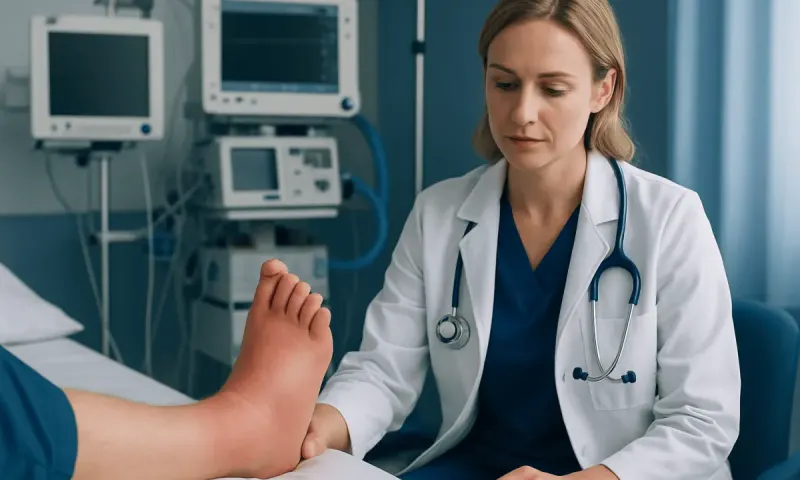
Warts can itch, especially when they are rubbed by clothing, located on pressure areas, or irritated by scratching or treatment. Mild itch is usually not serious, but a changing, painful, bleeding, or persistently itchy skin growth should be assessed by a qualified clinician.
Can warts itch? The short answer
Yes, warts can itch, but they do not always do so. A mild, occasional itch is often related to rubbing, pressure, dry surrounding skin, or irritation after scratching. In many cases, this is harmless and does not mean the wart is becoming dangerous.
Warts are common skin growths caused by certain types of human papillomavirus (HPV). The virus enters through tiny breaks in the skin and encourages surface skin cells to grow more quickly. A wart may feel rough, raised, flat, or thickened depending on where it appears.
Itching is not specific to warts. Eczema, fungal infections, insect bites, allergic reactions, benign moles, and other skin conditions can also itch. For this reason, a persistently itchy or unusual-looking bump is best evaluated rather than self-diagnosed.
Why an itchy wart may occur
A wart can become itchy when it is exposed to regular friction. For example, warts on the hands may be irritated by washing, work, sports equipment, or frequent contact with objects. Warts on the feet may be uncomfortable because of pressure from walking and footwear, while those in skin folds can be affected by sweat and rubbing.
Scratching can create a cycle of irritation: the skin becomes inflamed, itch increases, and further scratching damages the skin barrier. Picking at a wart can also spread viral particles to nearby skin or to other people through direct skin contact.
Some wart treatments cause expected local irritation. Salicylic acid products and freezing treatments may lead to temporary redness, peeling, tenderness, or itch as the treated skin heals. However, severe pain, extensive blistering, spreading redness, drainage, or fever is not expected and should prompt medical advice.
Itch may also come from skin around the wart rather than the wart itself. Dry skin, contact dermatitis from a product, or another rash can coexist with a wart and need different care.
What warts usually look and feel like

Common warts often appear as firm, rough, grainy bumps, particularly on fingers, hands, knees, and elbows. Tiny dark dots may be visible in some warts; these are small clotted blood vessels rather than “seeds.” They may be painless, mildly itchy, or tender if bumped.
Plantar warts occur on the soles of the feet. Because walking presses them inward, they can look flatter and may have a surrounding callus. They are more likely to hurt with direct pressure than to itch, although both symptoms are possible.
Flat warts are smoother and flatter than common warts, and may occur in groups on the face, legs, or hands. Genital warts require a separate medical assessment because their appearance can overlap with other conditions and management is different. People can learn more about genital warts and the importance of professional diagnosis.
A skin growth should not be assumed to be a wart solely because it is rough or itchy. Color variation, an irregular shape, a non-healing sore, or a lesion that changes over time deserves clinical attention.
Red flags: when itching needs medical review
Most mildly itchy warts are not an emergency. Still, it is sensible to arrange a medical review if a bump itches persistently, becomes increasingly painful, bleeds without a clear injury, grows quickly, changes color, or develops an irregular border. These signs do not necessarily indicate a serious problem, but they should be examined.
Medical advice is also important when there is spreading redness, warmth, swelling, pus, or fever, which can suggest a secondary skin infection. Avoid using wart-removal products on broken, infected, or uncertain skin lesions until a clinician has assessed the area.
People with diabetes, poor circulation, reduced sensation in the feet, a weakened immune system, or a history of skin cancer should seek professional guidance before treating a suspected wart at home. Foot lesions are particularly important to assess in these groups because self-treatment can cause skin injury.
Prompt assessment is advisable for any growth on the face, genitals, or around the nails, and for lesions in children that are painful, spreading quickly, or interfering with daily activities.
How a doctor checks an itchy skin growth
A clinician usually begins by asking when the growth appeared, whether it has changed, whether it hurts or bleeds, and what treatments have been tried. They will examine its size, surface, color, location, and the surrounding skin. This often provides enough information to identify a typical wart.
In some cases, a dermatologist may use dermoscopy, a handheld device that magnifies and illuminates the skin. It can help distinguish the patterns of a wart from those of a callus, mole, seborrheic keratosis, or another skin lesion.
If the diagnosis remains uncertain, if the lesion has concerning features, or if it has not responded as expected to treatment, a small skin biopsy may be recommended. This is a routine diagnostic procedure in which a sample is examined in a laboratory.
Accurate diagnosis matters because treatments that work for warts may irritate other skin conditions. A doctor can also discuss whether watchful waiting, home treatment, or office-based care is the most suitable option.
Treatment and practical itch relief
Many warts resolve without treatment, although this can take months or longer. Treatment may be considered when a wart is uncomfortable, spreading, cosmetically bothersome, or located where it affects function. The best approach depends on the wart type, location, age, skin sensitivity, and overall health.
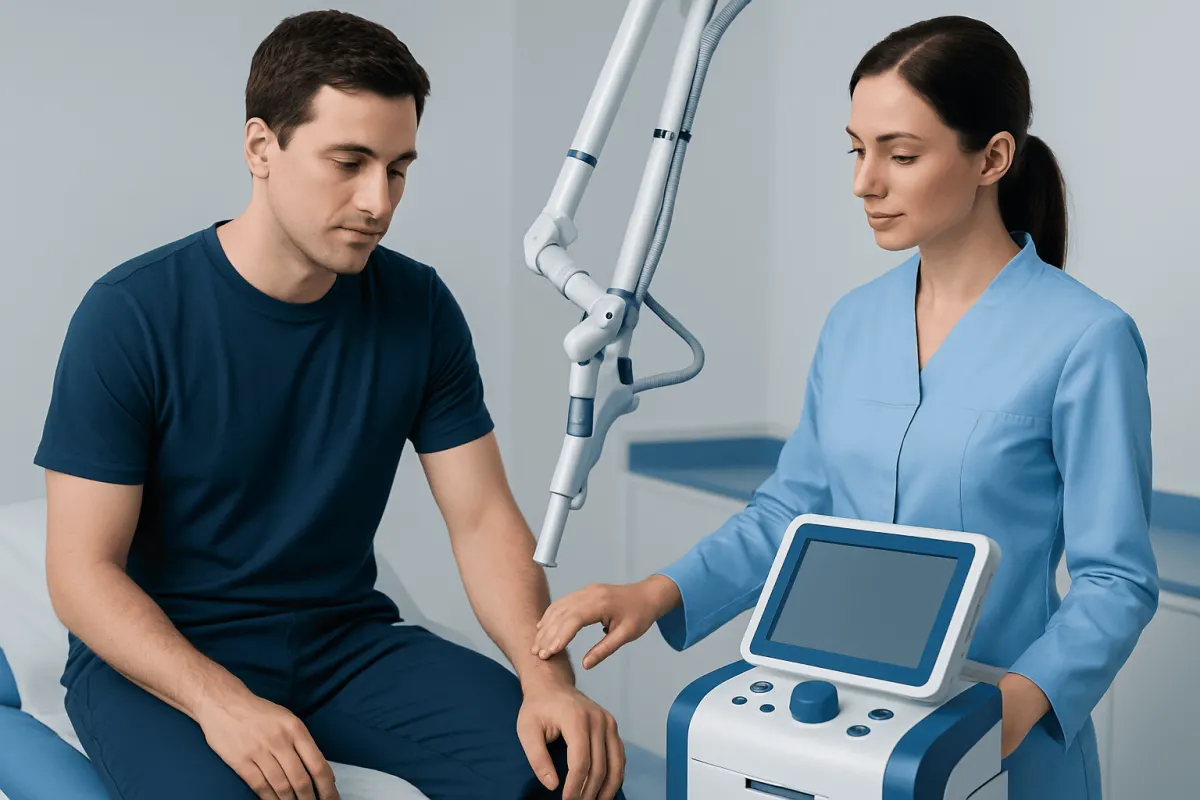
Common options include topical salicylic acid, cryotherapy (freezing), and other clinician-directed treatments. These methods may require repeated applications or visits. A dermatologist can advise on appropriate dermatology care when a wart is difficult to diagnose, recurrent, extensive, or resistant to initial treatment.
For mild itch, keeping the skin clean and moisturized may help, especially if dryness is contributing. Reducing friction with comfortable footwear, gloves, or a protective dressing can also be useful. Products should be used exactly as directed, and treatment should be paused if the skin becomes severely irritated unless a clinician advises otherwise.
Do not cut a wart, use sharp tools, or try to burn it at home. Avoid picking, shaving over it, and sharing towels, razors, socks, shoes, nail tools, or pumice stones. These measures help reduce skin injury and limit spread.
Prevention and reducing spread
HPV types that cause common skin warts can spread through direct contact or through contact with contaminated surfaces and objects, especially when skin is damp or damaged. Not every exposure leads to a wart, but basic skin-care habits can lower the chance of transmission.
Washing hands regularly, covering an active wart with a bandage when practical, and avoiding picking are helpful steps. In communal changing rooms, pools, and showers, wearing protective footwear can reduce exposure to viruses and fungi that thrive in moist environments.
Keeping feet dry, changing damp socks, and avoiding sharing personal grooming items are sensible precautions. If a person uses an emery board, file, or pumice stone on a wart, it should not be used on healthy skin or shared with anyone else.
For international patients who need assessment of a persistent or unclear skin lesion, Acıbadem Health Point’s multidisciplinary specialists and JCI-accredited hospitals provide diagnostic and treatment services. A clinician can help identify the cause of itching and recommend appropriate care.
When to seek medical care
Medical care is recommended if a suspected wart is persistently itchy, painful, bleeding, changing in appearance, growing rapidly, or not improving with appropriate treatment. It is also important to seek assessment if the diagnosis is uncertain or the lesion is on the face, genitals, or feet in a person with diabetes or circulation concerns.
Urgent medical advice is appropriate if there are signs of infection, such as increasing redness, swelling, warmth, pus, red streaks, or fever. These symptoms may need treatment that is different from wart care.
People with weakened immunity should not delay assessment of new or multiple skin growths. A doctor can determine whether the lesion is a wart, explain safe treatment options, and check for other causes of itch or skin change.
Frequently asked questions
01Should warts itch all the time?
No. Many warts do not itch at all, and others may itch only occasionally. Constant or worsening itch can result from friction, scratching, dry skin, treatment irritation, or a condition other than a wart, so it is worth discussing with a clinician if it persists.
02Is an itchy wart a sign that it is spreading?
Itching alone does not prove that a wart is spreading. However, scratching or picking may transfer the virus to nearby areas of skin. Covering the wart when appropriate and avoiding picking can help reduce this risk.
03Can over-the-counter wart treatment make a wart itch?
Yes. Salicylic acid and other wart treatments can irritate the outer skin layer, causing mild redness, peeling, tenderness, or itch. Stop the product and seek medical advice if there is intense pain, major blistering, open skin, or signs of infection.
04Should an itchy wart be covered?
A clean bandage can protect a wart from rubbing and discourage scratching or picking. The area should be kept clean and dry, and the dressing should be changed regularly. Covering does not replace medical assessment when there are warning signs.
05Can a plantar wart itch?
A plantar wart can itch, although pressure-related pain or tenderness is often more noticeable because it is on the sole of the foot. A painful or persistent foot lesion should be assessed, particularly in people with diabetes, circulation problems, or reduced sensation.
06How can a doctor tell whether an itchy bump is a wart?
A doctor can often identify a wart through a skin examination and questions about symptoms and how the lesion developed. Dermoscopy may help when the appearance is unclear, and a biopsy may be used in selected cases to confirm the diagnosis.
This article is for general information only and is not a substitute for professional medical advice. Please consult a qualified doctor about your individual situation.
Explore treatments in Turkey — costs, top hospitals & a free quote
JCI-accredited · board-certified surgeons · reply within 24h
Add us as a Preferred Source to see more of our trusted health content across Google Search, AI Overviews and Discover.