Severe Diastasis Recti: When Might Surgery Help?
Severe diastasis recti is a widening of the connective tissue between the abdominal muscles that may cause bulging, weakness, discomfort, or functional limitations. Many people benefit from tailored physiotherapy, while persistent symptoms or major separation may be considered for surgical repair after specialist assessment.
Severe Diastasis Recti: What It Means
Severe diastasis recti is a pronounced widening and thinning of the linea alba, the strong band of connective tissue that runs down the middle of the abdomen and joins the two rectus abdominis (“six-pack”) muscles. It commonly develops during pregnancy as the growing uterus stretches the abdominal wall, but it can also occur with major weight changes, repeated heavy straining, abdominal surgery, or conditions that increase pressure inside the abdomen.
It is not the same as a hernia. In diastasis recti, the abdominal muscles remain intact but are separated by stretched connective tissue. A hernia involves tissue pushing through a defect in the abdominal wall. The two conditions can occur together, so a persistent bulge should be assessed by a clinician.
There is no single measurement that defines “severe” for every person. Clinicians consider the width and depth of the separation, the quality of the connective tissue, associated hernias, pain, trunk stability, pelvic-floor symptoms, and how much the condition affects daily activities. A person with a smaller gap can still have important symptoms, while another person with a wider gap may have few functional concerns.
Symptoms and Daily Effects
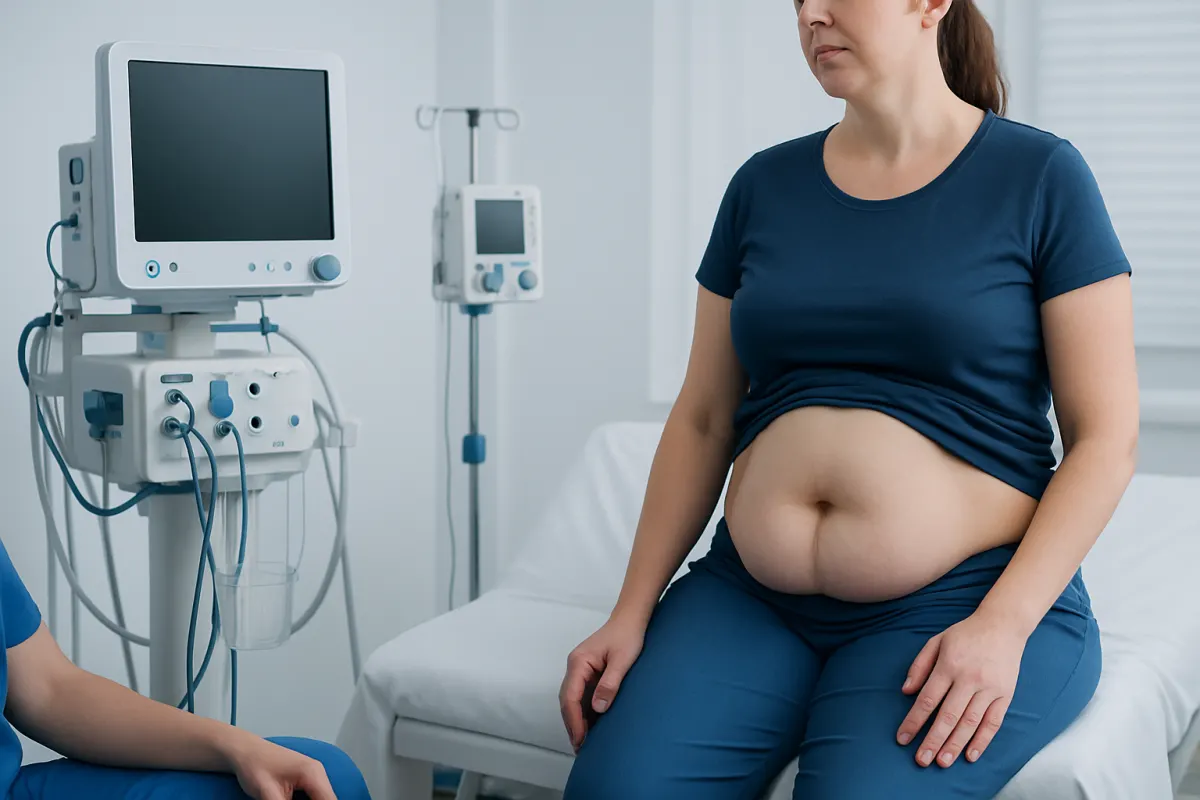
A common sign is a soft ridge, dome, or bulge along the centre of the abdomen, especially when sitting up, coughing, lifting, or performing an abdominal exercise. The abdomen may continue to look rounded after pregnancy or weight loss. Some people notice that the area feels weak, soft, or difficult to tense.
Severe diastasis recti can be associated with reduced core strength, poor load transfer through the trunk, lower-back discomfort, and difficulty with movements such as getting out of bed, carrying a child, or lifting groceries. However, back or pelvic pain has many possible causes, and a diastasis should not automatically be assumed to be the source.
People may also experience concerns about body image or clothing fit. These concerns are valid and can be discussed respectfully with a healthcare professional. Evaluation should focus on both physical function and the person’s individual goals rather than appearance alone.
- Midline abdominal doming with exertion
- A persistent central abdominal bulge after pregnancy or weight change
- Core weakness or difficulty controlling the abdomen during movement
- Lower-back or pelvic discomfort that needs broader clinical assessment
- A separate lump that may suggest an umbilical or ventral hernia
How Is Severe Diastasis Recti Assessed?

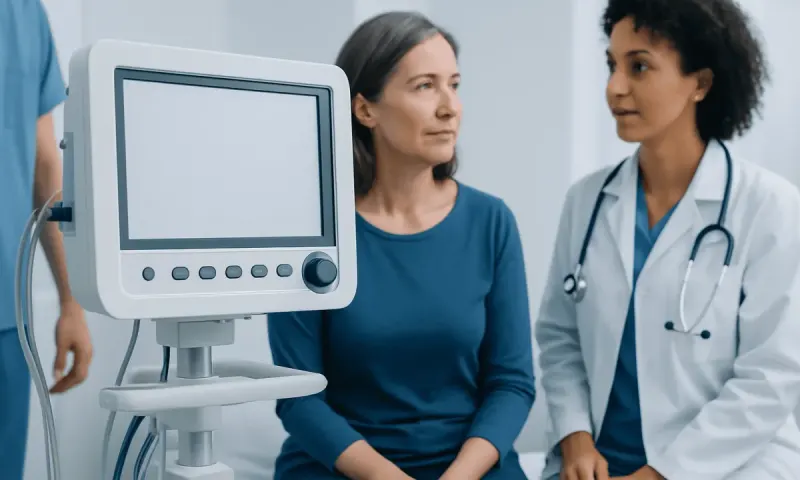
A doctor, physiotherapist, or other qualified clinician can assess the abdominal wall while the person is relaxed and during controlled activation of the core muscles. They may evaluate the gap, the tension of the linea alba, breathing and movement patterns, posture, pelvic-floor function, and signs of hernia. A hands-on assessment is often sufficient for straightforward cases.
Ultrasound may be used to measure the distance between the rectus muscles and to assess the abdominal wall in more detail. Imaging can be particularly useful if the diagnosis is uncertain, symptoms are unusual, or a hernia is suspected. CT or MRI may be considered in selected surgical-planning situations, but they are not routinely needed for every diastasis.
Assessment also helps identify factors that may affect recovery, including ongoing pregnancy, recent delivery, obesity, constipation, chronic cough, smoking, connective-tissue disorders, previous abdominal operations, or regular activities that involve repeated straining. These issues can often be addressed alongside severe diastasis recti treatment.
Can Diastasis Recti Be Fixed After 10 Years?
Yes. Diastasis recti can still be addressed many years after pregnancy, weight change, or the event that contributed to it. The tissues may be less likely to narrow spontaneously once the condition is longstanding, but a tailored rehabilitation programme can still improve core control, function, symptoms, and confidence with movement.
For a persistent severe separation, exercise may not completely restore the original anatomy, particularly when the linea alba is very stretched or when there is excess skin or a coexisting hernia. In these circumstances, a specialist can discuss whether surgical reconstruction is appropriate. The decision is based on symptoms, examination findings, future pregnancy plans, overall health, and personal goals.
There is no deadline after which treatment is no longer possible. A person considering severe diastasis recti repair after many years should arrange an evaluation rather than rely on the age of the condition alone. A clinician can also rule out other explanations for abdominal protrusion, such as a hernia, abdominal wall weakness, or changes in body composition.
Severe Diastasis Recti Treatment Without Surgery
Conservative care is usually the first step, especially after pregnancy or when symptoms are mild to moderate. Referral to a physiotherapist with experience in abdominal-wall and pelvic-floor rehabilitation can be helpful. Treatment typically emphasizes breathing mechanics, coordination of the diaphragm and pelvic floor, gentle deep-core activation, posture, and progressive return to functional movements.
The aim is not simply to “close the gap.” A useful programme improves the abdominal wall’s ability to manage pressure and movement without excessive doming or strain. Exercises are adapted to the individual and gradually progressed as control and strength improve. Some people notice improvement over weeks to months, although the pace and extent of change vary.
Weight management where appropriate, treatment of constipation or chronic cough, avoiding smoking, and learning safer lifting techniques may reduce repeated pressure on the abdominal wall. Support garments can provide temporary comfort for some people, but they do not repair the connective tissue on their own.
Some online programmes promise a guaranteed severe diastasis recti how to fix plan. Because the underlying anatomy and associated symptoms differ, individual assessment is safer than using a one-size-fits-all programme. Persistent pain, a suspected hernia, or worsening bulging should be reviewed by a healthcare professional.
Can You Lift Weights If You Have Diastasis Recti?
Many people with diastasis recti can lift weights, but the exercise plan should match their symptoms, control, and stage of recovery. Resistance training is not automatically harmful. The key is to manage abdominal pressure and use a load that can be lifted with steady breathing, good technique, and no significant pain or marked midline doming.
A physiotherapist or qualified clinician can help identify appropriate starting loads and movements. Early training may focus on supported or lighter exercises, controlled exhalation during effort, and avoiding breath-holding or straining. Load, range of motion, and complexity can then increase gradually as the person demonstrates good trunk control.
It may be sensible to modify activities that repeatedly cause pronounced bulging, pressure, pain, or a feeling of instability. This can include certain heavy lifts, forceful abdominal exercises, or high-impact training, depending on the individual. After surgical repair, lifting restrictions are important and the surgeon’s timeline should take priority.
People should stop and seek advice if exercise causes a new painful lump, persistent worsening pain, nausea, or other symptoms that could indicate a hernia or another condition. Training should support function and confidence, not require pushing through warning signs.
What Is the Surgical Procedure for Severe Diastasis Recti?
Severe diastasis recti surgery is considered when a person has ongoing functional symptoms, significant abdominal-wall laxity, a related hernia, or concerns that have not improved adequately with appropriate conservative care. Surgery is usually planned after weight has been stable and, when possible, after childbearing is complete, because a later pregnancy can stretch the repair again.
The core part of severe diastasis recti repair is plication: the surgeon brings the separated rectus muscles closer together by suturing and reinforcing the stretched linea alba. If there is an umbilical or ventral hernia, it may be repaired during the same operation. In selected cases, reinforcement material may be used, particularly when tissue quality is poor or a substantial hernia is present; the approach depends on individual anatomy and surgical judgement.
Repair may be performed as part of an abdominoplasty, often called a tummy tuck, when removal of excess lower abdominal skin and reshaping of the abdominal contour are also desired or medically appropriate. Some repairs can be performed through less extensive approaches, but not every person is a candidate. A consultation should cover scars, expected functional and appearance-related changes, possible complications, and alternatives.
Severe diastasis recti before and after results vary. Surgery can strengthen and flatten the abdominal wall, but it cannot guarantee a particular cosmetic outcome or eliminate all back, pelvic, or digestive symptoms. An experienced surgeon will explain what is realistic for the individual’s body and health circumstances.
How Long Does Severe Diastasis Recti Take to Heal?
Healing depends on whether treatment is non-surgical or surgical. With physiotherapy, people commonly work on gradual improvements over several months, and long-term consistency matters. Symptoms and movement control may improve before there is a major visible change in the abdominal contour.
After severe diastasis recti surgery, early recovery commonly involves soreness, swelling, fatigue, and limited mobility for the first days to weeks. Walking is generally encouraged as directed to support circulation, while bending, driving, lifting, and strenuous tasks may be restricted initially. Compression garments, wound care, and follow-up arrangements vary by procedure and surgeon.
Many people return to light daily activities gradually, but the deeper abdominal-wall repair needs more time to heal. A surgeon commonly advises avoiding heavy lifting and strenuous abdominal or resistance exercise for several weeks, followed by a phased return based on healing and examination. Swelling and scar maturation can continue to change for months.
Recovery plans should be individualized. Contact the surgical team promptly for increasing pain, spreading redness, wound drainage, fever, shortness of breath, leg swelling, or other unexpected symptoms. These do not always mean a serious problem, but they require timely clinical advice.
When to Seek Medical Care
Arrange a routine medical assessment if an abdominal bulge persists after pregnancy or weight change, affects daily life, causes discomfort, or raises concern about a hernia. A clinician can assess the abdominal wall and recommend appropriate rehabilitation, monitoring, or referral to a surgeon when needed.
Seek urgent medical attention for a sudden painful abdominal lump, a lump that cannot be gently reduced when lying down, vomiting, abdominal swelling, fever, or inability to pass stool or gas. These symptoms may indicate a trapped hernia or another urgent abdominal condition and should not be managed with exercises at home.
For international patients, Acıbadem Health Point’s multidisciplinary specialists and JCI-accredited hospitals can assess abdominal-wall concerns and discuss rehabilitation or surgical options when clinically appropriate.
Frequently asked questions
01What is considered severe diastasis recti?
Severity is not determined by gap width alone. Clinicians also consider the tension and depth of the connective tissue, abdominal-wall function, symptoms, associated hernia, and impact on daily activities. An in-person assessment gives a more useful picture than self-measurement alone.
02Can severe diastasis recti heal naturally?
Some separation, especially after pregnancy, may improve naturally during the first months as tissues recover. Longstanding or marked separation is less likely to fully resolve without support, although rehabilitation can still improve strength and function. A clinician can advise whether observation, physiotherapy, or surgical evaluation is appropriate.
03Does exercise make severe diastasis recti worse?
Appropriately selected exercise usually supports recovery rather than worsening it. However, movements that cause repeated pronounced doming, pain, or straining may need modification. A pelvic-floor or abdominal-wall physiotherapist can tailor exercise progression safely.
04Is severe diastasis recti surgery medically necessary?
Not always. Surgery is generally elective for many people, but it may be considered more strongly when there are substantial functional symptoms, a hernia, or failure of appropriate conservative treatment. The need for surgery should be decided after a personal assessment with a qualified surgeon.
05Will pregnancy undo a diastasis recti repair?
Pregnancy after repair is possible, but it can stretch the abdominal wall and may affect the durability or appearance of the result. For this reason, surgeons often recommend postponing repair until childbearing is complete when feasible. Individual advice is important, especially after prior abdominal surgery.
06Can a hernia be mistaken for diastasis recti?
Yes. Both can cause an abdominal bulge, but a hernia involves tissue protruding through an abdominal-wall defect. A clinician can often distinguish them through examination and may use ultrasound or other imaging when needed. A painful or non-reducible lump requires prompt assessment.
This article is for general information only and is not a substitute for professional medical advice. Please consult a qualified doctor about your individual situation.
Medical weight-loss options in Turkey — costs & eligibility
JCI-accredited · board-certified surgeons · reply within 24h
Add us as a Preferred Source to see more of our trusted health content across Google Search, AI Overviews and Discover.