Septoplasty Recovery: Healing and Breathing Changes
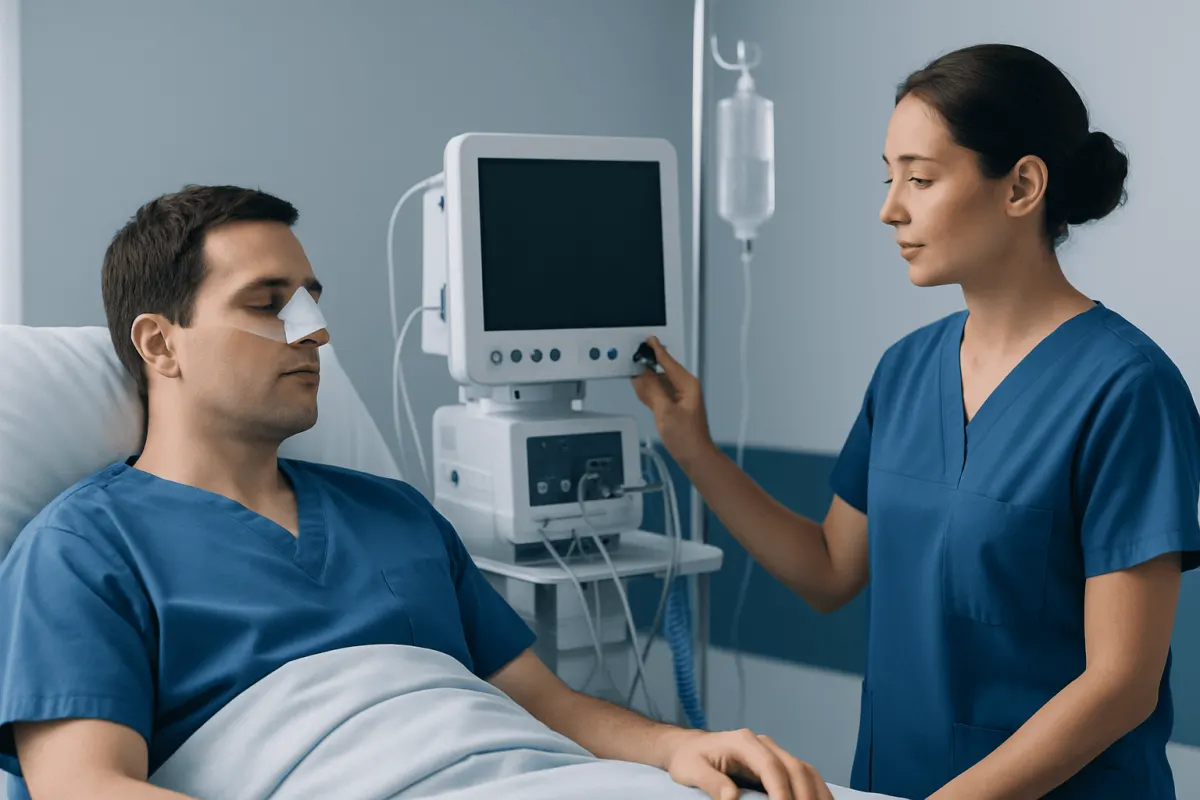
Septoplasty recovery is usually manageable, but temporary congestion, mild bleeding, and tiredness are common while the nasal lining heals. Breathing often improves gradually rather than immediately, especially during the first few weeks after surgery.
Overview of Septoplasty Recovery
Septoplasty is an operation to straighten a deviated nasal septum, the wall of cartilage and bone that separates the two nasal passages. When the septum is significantly crooked, it can contribute to persistent nasal blockage, difficulty breathing through the nose, recurrent sinus symptoms, nosebleeds, or disturbed sleep. Septoplasty aims to improve airflow while preserving the outside shape of the nose.
Recovery varies with the extent of surgery, the person’s general health, whether other procedures were performed at the same time, and the underlying cause of blockage. Septoplasty may sometimes be combined with turbinate reduction, sinus surgery, or treatment for related problems such as nasal polyps. The surgeon’s own aftercare instructions should always take priority because they are tailored to the procedure performed.
It is helpful to expect improvement in stages. In the first days, the nose can feel more blocked than it did before surgery. As swelling, crusting, and internal healing settle, nasal breathing usually becomes clearer over the following weeks. Full settling of the tissues can take several months.
What to Expect in the First Days
Most septoplasty procedures are performed as day surgery, meaning the patient commonly goes home on the same day after monitoring. Mild to moderate discomfort, pressure around the nose and face, a sore throat from anesthesia, tiredness, and light blood-stained drainage are all common in the early period. Pain is often manageable with medication recommended by the surgical team.
Congestion is particularly common during the first week. It may be caused by internal swelling, dried blood, dissolvable material, or splints and packing if these have been placed. This temporary blockage can make mouth breathing necessary, especially when sleeping. Dry mouth, reduced sense of smell, and a feeling of pressure are therefore not unusual initially.
A small gauze dressing beneath the nostrils may be used to collect drainage. It should be changed as advised. Slight pink or red drainage can occur for a short time, but bleeding should steadily lessen rather than become heavier. Resting with the head elevated on extra pillows may reduce swelling and discomfort.
People should arrange for an adult to take them home after anesthesia and remain available during the first night if advised. Driving, alcohol, important decisions, and operating machinery should be avoided for the period specified by the anesthesia and surgical teams.
Nasal Packing and Internal Splints

Not every person needs nasal packing after septoplasty. Some surgeons use soft packing, absorbable materials, or silicone splints inside the nose to support the septum, reduce bleeding, or help the tissues heal in position. The choice depends on the surgical technique and individual clinical needs.
If non-dissolving packing or splints are used, the patient is told when they will be removed, often at an early follow-up appointment. Removal can feel briefly uncomfortable or cause pressure, but it is usually quick. Absorbable material does not need to be removed and may dissolve or come away gradually with normal nasal care.
While packing or splints are in place, nasal breathing may remain limited. Patients should not pull at visible material or try to clean deeply inside the nostrils. If a splint shifts, falls out, causes severe pain, or seems associated with significant bleeding, the surgical team should be contacted for guidance.
Saline sprays or rinses may be recommended to keep the nasal lining moist and reduce crusting. The correct timing and method depend on the surgeon’s instructions, particularly when packing or splints are present. Only products approved by the care team should be used in the early healing period.
Breathing Improvement and the Healing Timeline
Breathing improvement after septoplasty is usually gradual. During the first several days, swelling and internal dressings can make airflow feel restricted. By one to two weeks, many people notice less congestion as swelling decreases and any temporary splints or packing are removed. However, nasal passages may still feel variable from day to day.
Over the next several weeks, the lining inside the nose continues to heal and crusting reduces. Many patients experience clearer nasal airflow during this stage, but complete healing is not immediate. The deeper structures of the septum need time to stabilize, and subtle swelling can continue for several months.
Some people may continue to have nasal symptoms if other conditions also affect airflow. For example, allergies can cause ongoing inflammation, and long-term sinus disease may need separate assessment or treatment. People with symptoms of chronic sinusitis may need a broader plan that addresses both septal deviation and sinus inflammation.
A follow-up visit allows the surgeon to examine healing, remove splints if needed, and gently clear crusting when appropriate. These appointments are important because they help identify issues such as persistent swelling, infection, adhesions, or continued obstruction early.
Aftercare: Activity, Cleaning, and Comfort
For the first week, rest and gentle movement are generally preferred. Short walks are often appropriate if the person feels well, but bending forward, heavy lifting, vigorous housework, and strenuous exercise can increase pressure and bleeding. The surgeon will advise when it is safe to resume gym training, contact sports, swimming, work duties, and air travel.
Nose blowing is usually avoided for a period after surgery because it can disturb healing tissues and trigger bleeding. If sneezing cannot be avoided, sneezing with the mouth open may reduce pressure in the nose. Patients should also avoid picking the nose or inserting cotton buds, tissues, or other objects into the nostrils.
Saline spray or irrigation is frequently part of recovery, as it moistens the nose and helps loosen crusts. It should be used exactly as directed, with clean equipment and appropriate water if rinsing is recommended. The surgeon may also advise a thin layer of ointment at the nostril entrance, but this should not be started without specific guidance.
Taking prescribed medicines as directed and checking before using over-the-counter remedies is important. Certain medicines and supplements can increase bleeding risk. A clinician or pharmacist can advise whether regular medicines, pain relievers, decongestants, herbal products, or nasal sprays are suitable during recovery.
- Sleep with the head raised for the first few nights if comfortable.
- Choose soft, easy-to-chew foods if facial pressure is bothersome.
- Avoid smoking and second-hand smoke, which can irritate the nasal lining and slow healing.
- Attend all scheduled follow-up appointments.
Possible Problems and When to Seek Medical Advice
Most people heal without serious problems, but it is important to know when to contact the surgical team. Mild blood-stained drainage and congestion are expected. In contrast, heavy or persistent bright-red bleeding, large clots, or bleeding that does not settle with the instructions provided needs urgent clinical advice.
A patient should also contact a clinician if they develop fever, worsening rather than improving pain, increasing facial swelling or redness, foul-smelling drainage, or symptoms of infection. New severe headache, neck stiffness, confusion, visual changes, marked swelling around the eyes, chest pain, or breathing difficulty require urgent medical assessment.
Less common concerns after septoplasty can include a septal hematoma, infection, adhesions inside the nose, a hole in the septum, or persistent obstruction. These cannot be diagnosed at home, which is why follow-up is valuable. Early review can help the care team provide appropriate treatment if a problem develops.
Patients should not wait for a routine appointment if they are worried about a symptom. The operating surgeon or local urgent care service can advise on the right next step based on the timing and severity of the concern.
Supporting Long-Term Nasal Health
Septoplasty corrects structural narrowing from a deviated septum, but it does not prevent future nasal inflammation from allergies, infections, irritants, or sinus conditions. People who have allergic symptoms may benefit from a plan that includes trigger reduction and clinician-recommended treatment for allergic rhinitis. This can help protect the breathing improvement gained from surgery.
Avoiding tobacco smoke and other inhaled irritants supports the health of the nasal lining. Good hand hygiene and appropriate management of colds may also reduce temporary congestion. If a person snores, has witnessed pauses in breathing during sleep, or remains unusually sleepy during the day, they should discuss this with a doctor because nasal obstruction is only one possible contributor to obstructive sleep apnea.
Acıbadem Health Point’s multidisciplinary specialists and JCI-accredited hospitals diagnose and treat nasal obstruction and related ENT conditions for international patients. A personal review with an ENT specialist is the best way to understand recovery expectations, ongoing symptoms, and the need for any additional care.
Frequently asked questions
01How long does it take to breathe better after septoplasty?
The nose often feels blocked during the first several days because of swelling, crusting, packing, or internal splints. Many people notice improving airflow within one to two weeks, but healing continues over several weeks to months. The exact timeline depends on the procedure and whether other nasal surgery was performed.
02Is nasal packing always used after septoplasty?
No. Some surgeons use no packing, while others use absorbable material, temporary packing, or silicone splints to support healing and control bleeding. The type used and the removal plan should be explained before discharge.
03When can someone return to work after septoplasty?
Many people can return to desk-based or light work after about one week if they feel well and their surgeon agrees. Jobs involving heavy lifting, dust, physical exertion, or a risk of facial injury may require more time away. Individual recovery and job demands should guide the decision.
04Can a person blow their nose after septoplasty?
Nose blowing is usually avoided in the early recovery period because it can cause bleeding or disrupt healing tissue. If a sneeze occurs, it is commonly advised to sneeze with the mouth open. The surgeon will say when normal nose blowing can safely restart.
05What kind of bleeding is normal after septoplasty?
Small amounts of pink, red, or blood-stained drainage can be normal shortly after surgery and should gradually reduce. Heavy bright-red bleeding, repeated soaking of dressings, large clots, or bleeding that does not settle needs prompt medical advice. Patients should follow the specific bleeding instructions given by their surgical team.
06Will septoplasty change the appearance of the nose?
Septoplasty is performed inside the nose to improve the internal septum and typically does not aim to change the external appearance. In uncommon situations, visible changes can occur, particularly when there is major structural deformity or surgery is combined with rhinoplasty. The surgeon can explain the individual likelihood before surgery.
This article is for general information only and is not a substitute for professional medical advice. Please consult a qualified doctor about your individual situation.
Explore treatments in Turkey — costs, top hospitals & a free quote
JCI-accredited · board-certified surgeons · reply within 24h
Add us as a Preferred Source to see more of our trusted health content across Google Search, AI Overviews and Discover.