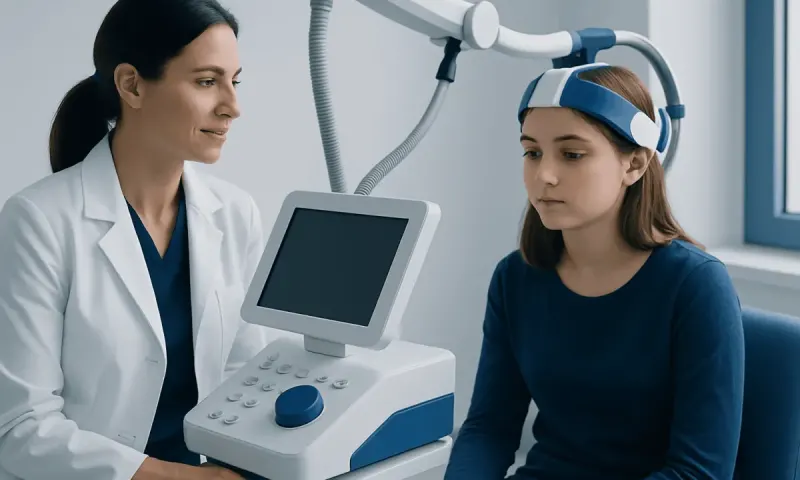
Sensory Processing Disorder vs Autism: Key Differences
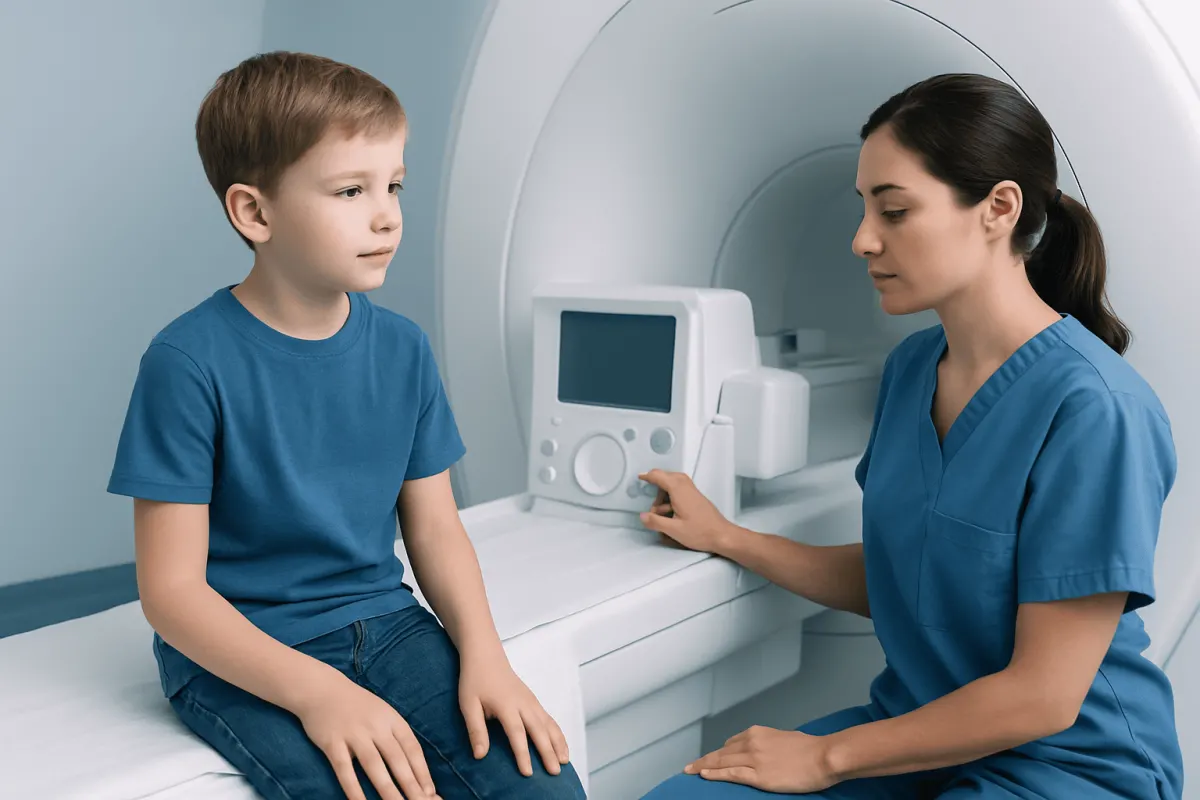
Sensory processing disorder vs autism can be difficult to distinguish because both may involve strong reactions to sound, touch, movement, food textures, or bright lights. The key difference is that autism spectrum disorder also involves persistent differences in social communication and patterns of behavior or interests, while sensory processing difficulties can occur with or without autism.
Sensory Processing Disorder vs Autism: A Side-by-Side View
Sensory processing disorder vs autism is not an either-or question for every child or adult. A person can have sensory processing differences without autism, and many autistic people experience sensory differences as part of autism. Sensory responses vary widely: someone may find ordinary sounds painful, seek intense movement, avoid particular fabrics, or have difficulty noticing hunger, pain, or body position.
Autism spectrum disorder (ASD) is diagnosed using established clinical criteria. It involves ongoing differences in social communication and social interaction, alongside restricted or repetitive behaviors, routines, interests, or sensory responses that begin during development and affect everyday life. By contrast, “sensory processing disorder” is commonly used to describe sensory-related functional challenges, but it is not a stand-alone diagnosis in the main psychiatric diagnostic manual.
- Main concern: Sensory processing difficulties primarily affect how the nervous system notices, organizes, or responds to sensory information; autism affects social communication as well as behavior, interests, flexibility, and sensory experiences.
- Sensory signs: Both can include sensitivity to noise, clothing, textures, smells, light, movement, or food.
- Social communication: This is a core area assessed for autism, but it may be broadly age-appropriate in a person with sensory difficulties alone.
- Repetitive behavior and routines: These are core autism features when persistent and clinically meaningful; they may not be present with isolated sensory challenges.
- Diagnosis: Autism has recognized diagnostic criteria. Sensory needs are assessed clinically and may be described within occupational therapy, developmental, educational, or medical evaluations.
Neither label should be based on a single behavior. Covering the ears during a loud hand dryer, for example, may be a typical reaction, a sensory sensitivity, anxiety, hearing discomfort, or one feature within a broader developmental profile.
What Sensory Processing Difficulties Can Look Like
Sensory processing refers to the brain’s handling of information from sight, sound, touch, taste, smell, movement, balance, and awareness of the body’s position. Everyone has preferences and occasional sensory overload. Sensory difficulties become more important clinically when they are frequent, intense, distressing, or interfere with participation at home, school, work, meals, sleep, self-care, or relationships.
Some people are over-responsive to sensory input. They may avoid noisy rooms, dislike unexpected touch, gag at food textures, struggle with grooming, or become overwhelmed in bright or busy environments. Others are under-responsive and may not notice their name being called, feel pain less clearly, or seem unaware of mess on their face or hands. Sensory-seeking patterns can include crashing into objects, chewing non-food items, touching many surfaces, needing frequent movement, or seeking strong pressure.
These patterns can appear in children and adults with many different developmental, medical, or emotional experiences. They may occur in autism, attention-deficit/hyperactivity disorder (ADHD), developmental coordination difficulties, anxiety, trauma-related stress, hearing or vision problems, or without another identified condition. A careful assessment helps clarify what is happening and what support would be useful.
How Autism May Present Beyond Sensory Sensitivity
Autism is a lifelong neurodevelopmental difference with a broad range of presentations. Sensory sensitivity is included among possible autism features, but it is only one part of the picture. Clinicians also look for differences in reciprocal conversation, nonverbal communication, sharing interests or emotions, understanding social expectations, and developing or maintaining relationships in ways that fit the person’s age and culture.
They also assess restricted or repetitive patterns of behavior, activities, or interests. These may include repetitive movements or speech, a strong need for predictability, distress with unexpected changes, highly focused interests, or unusual sensory responses. Features may be less obvious in some people, including girls, women, people with strong language skills, and those who have learned to mask or compensate for difficulties in social settings.
Autism does not have one “look,” and it is not caused by parenting. Strengths may include deep knowledge in areas of interest, attention to detail, honesty, persistence, creativity, and unique ways of thinking. An evaluation should identify both support needs and individual strengths. Families seeking broader information about the condition may find the autism spectrum disorder overview helpful.
How a Clinician Tells Them Apart
There is no single blood test, brain scan, or checklist score that can independently distinguish sensory processing difficulties from autism. A qualified clinician—often a developmental pediatrician, child and adolescent psychiatrist, psychologist, neurologist, or multidisciplinary developmental team—combines information from several sources. This process is intended to understand the person’s needs, not to judge behavior.
The assessment usually begins with developmental and medical history. The clinician may ask when concerns began; how the person communicates, plays, learns, and relates to others; whether behaviors occur across settings; and how symptoms affect daily routines. Parent, caregiver, teacher, and self-reports can provide important context. Hearing and vision should be considered, since difficulties in either area can influence behavior and communication.
For possible autism, clinicians assess the two core domains: social communication/interaction and restricted or repetitive behaviors, including sensory reactivity. They may use structured observations and validated questionnaires as part of an overall clinical assessment. Sensory questionnaires or occupational therapy assessments can help map triggers, regulation needs, motor planning, and practical barriers, but they do not diagnose autism on their own.
Clinicians also consider other explanations and co-occurring conditions. Anxiety can lead to avoidance of busy environments; ADHD can contribute to restlessness and regulation difficulties; language differences can affect social interaction; and sleep problems can worsen sensitivity and behavior. It is possible for a person to meet criteria for autism and also need separate support for sensory, motor, emotional, learning, or communication needs.
What to Do in Each Situation
When sensory difficulties are the main concern and social communication development is otherwise progressing as expected, practical support may focus on reducing barriers to daily life. An occupational therapist can assess functional challenges and work with the individual or family on routines, sensory regulation, motor skills, self-care, and participation. Therapy goals should be meaningful, such as tolerating hair washing, managing a classroom transition, expanding comfortable foods safely, or coping with public transport.
Helpful environmental approaches are individualized. They can include predictable routines, advance warning before changes, access to quieter spaces, comfortable clothing choices, movement breaks, ear protection in genuinely loud settings, and gradual exposure when appropriate and not distressing. It is usually more helpful to identify patterns and adjust demands than to force a person to “get used to” overwhelming sensations.
When autism is diagnosed or strongly suspected, support is tailored to the person’s communication, learning, emotional well-being, sensory needs, and independence goals. This can include speech and language support, occupational therapy, educational accommodations, psychological support, parent guidance, and treatment for co-occurring conditions when needed. There is no single intervention that suits every autistic person, and goals should respect the person’s dignity, preferences, and neurodevelopmental profile.
Acıbadem Health Point’s multidisciplinary specialists and JCI-accredited hospitals can assess developmental concerns and coordinate individualized care for international patients. A healthcare professional can help families decide whether sensory-focused support, a comprehensive autism evaluation, or both are appropriate.
Everyday Support While Awaiting Assessment
Families do not need to wait for a formal label before making safe, supportive changes. Keeping a brief record of situations that lead to overload or distress can be useful. Note the setting, sensory input, time of day, sleep, hunger, demands placed on the person, what happened, and what helped them recover. This information can guide practical changes and make appointments more productive.
For children, adults can use simple, calm language and offer choices when possible. Preparing for transitions, allowing extra processing time, and building in breaks may reduce stress. Schools and workplaces may be able to make reasonable adjustments, such as a quieter workspace, written instructions, flexible seating, or opportunities for brief movement.
It is important to avoid unproven programs that promise to cure autism or permanently “normalize” sensory processing. Support should be based on safety, function, comfort, communication, and participation. If eating is very limited, sleep is persistently disrupted, self-injury occurs, or daily care becomes difficult, professional guidance is especially important.
When to Seek Medical Care
A non-urgent appointment with a pediatrician, family doctor, or qualified developmental clinician is appropriate when sensory reactions repeatedly interfere with school, work, meals, sleep, hygiene, play, relationships, or leaving home. Assessment is also advisable if caregivers notice delayed language, loss of previously acquired language or social skills, limited shared attention, unusual repetitive behaviors, marked difficulty with change, or ongoing social-communication concerns.
Earlier assessment can help identify practical supports and co-occurring needs. It does not mean a diagnosis is certain, and it does not require waiting until difficulties become severe. Adults who recognize lifelong sensory and social differences can also ask a clinician experienced in adult neurodevelopmental assessment for guidance.
Urgent medical care is needed if there is immediate risk of harm, severe self-injury, sudden major behavioral change, inability to maintain hydration or nutrition, or concerns about safety. In these situations, local emergency services or urgent medical advice should be used.
Frequently asked questions
01Can a person have sensory processing difficulties without autism?
Yes. Sensory sensitivities or sensory-seeking behaviors can occur without autism and may also be seen with ADHD, anxiety, developmental differences, or no other identified condition. The important question is how the sensory pattern affects comfort, safety, and daily functioning.
02Is sensory processing disorder an official autism diagnosis?
No. Autism spectrum disorder is a recognized clinical diagnosis with defined criteria. Sensory processing disorder is a term often used to describe meaningful sensory-related difficulties, but it is not a separate diagnosis in the main psychiatric diagnostic manual.
03Do all autistic people have sensory sensitivities?
Many autistic people experience sensory differences, but the type and intensity vary greatly. Some are highly sensitive to sounds or textures, while others seek movement, pressure, or visual stimulation; some have few noticeable sensory concerns.
04Can occupational therapy diagnose autism?
An occupational therapist can assess sensory processing, motor skills, self-care, and daily participation, and may identify signs that warrant an autism evaluation. A formal autism diagnosis is made by a qualified clinician using a comprehensive developmental assessment.
05What age can autism be assessed?
Autism-related differences may be noticed in early childhood, and evaluations can be appropriate whenever developmental concerns arise. Some people are identified later in childhood or adulthood, particularly when their needs were less recognized earlier.
06Should parents avoid sensory triggers completely?
Not always. Reducing unnecessary overload can be helpful, while gradual, supportive practice with manageable situations may build confidence for some people. The approach should be individualized and should not force exposure that causes significant distress or undermines trust.
This article is for general information only and is not a substitute for professional medical advice. Please consult a qualified doctor about your individual situation.
Explore treatments in Turkey — costs, top hospitals & a free quote
JCI-accredited · board-certified surgeons · reply within 24h
Add us as a Preferred Source to see more of our trusted health content across Google Search, AI Overviews and Discover.