Second-Degree Burn: Symptoms, Causes and Treatment

Key Takeaways
- 2nd degree burns usually involve redness, pain, swelling, and blisters.
- Cool running water and gentle protection are the first priorities after a burn.
- Large, deep, facial, hand, foot, genital, or infected burns need medical evaluation.
- Healing often takes days to weeks and may leave temporary color changes or sensitivity.
- Tetanus status, wound care, and infection prevention are part of good follow-up.
A 2nd degree burn affects the outer skin and part of the layer beneath it, often causing pain, redness, swelling, and blistering. With prompt, appropriate care, many burns heal well, but deeper or larger burns need medical assessment.
Overview
A 2nd degree burn, also called a partial-thickness burn, affects the top layer of skin and extends into the layer underneath. Because this type of burn reaches deeper than a simple surface burn, it can be noticeably painful and may blister, weep, or look moist and shiny.
For many people, the first question is not just how serious the burn looks, but whether it is likely to heal on its own or needs medical care. The answer depends on the burn’s size, depth, location, and cause. A small burn on the forearm may be managed differently from a burn on the face, a joint, or a child’s hand.
International patients often want practical guidance before they travel for treatment: whether they need urgent care now, how long healing may take, and what follow-up will look like if they are away from home. A careful assessment helps set those expectations early and lowers the chance of complications later.
Symptoms and What It Looks Like
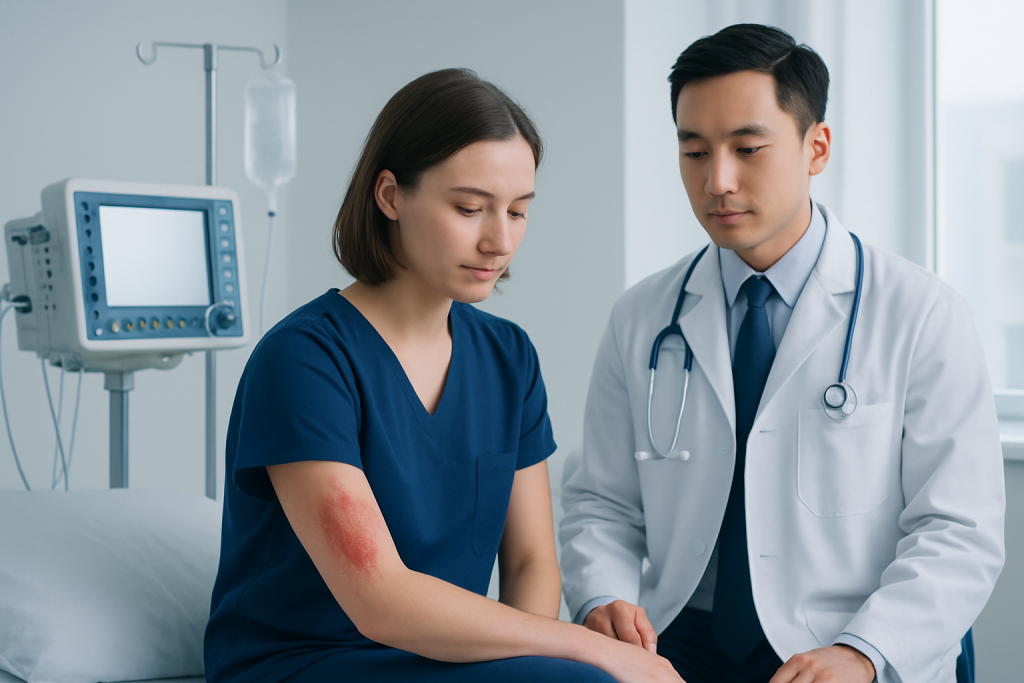
The appearance of a 2nd degree burn can vary, but there are several common patterns. The skin is usually red, painful, and swollen, and blisters may form within hours. The area can feel wet or tender, and touching it may be uncomfortable.
Some burns are superficial partial-thickness burns, which tend to heal more quickly. Others go deeper into the skin and may look pale, patchy, or waxy in some areas. A deeper burn can still hurt, but some regions may feel less sensitive if the nerve endings are more affected.
Warning signs that the burn is more serious include:
- Blisters covering a large area
- Burns on the face, hands, feet, groin, or major joints
- Severe swelling or increasing pain
- Skin that looks white, leathery, or charred in spots
- Difficulty moving the affected area
Causes and Risk Factors
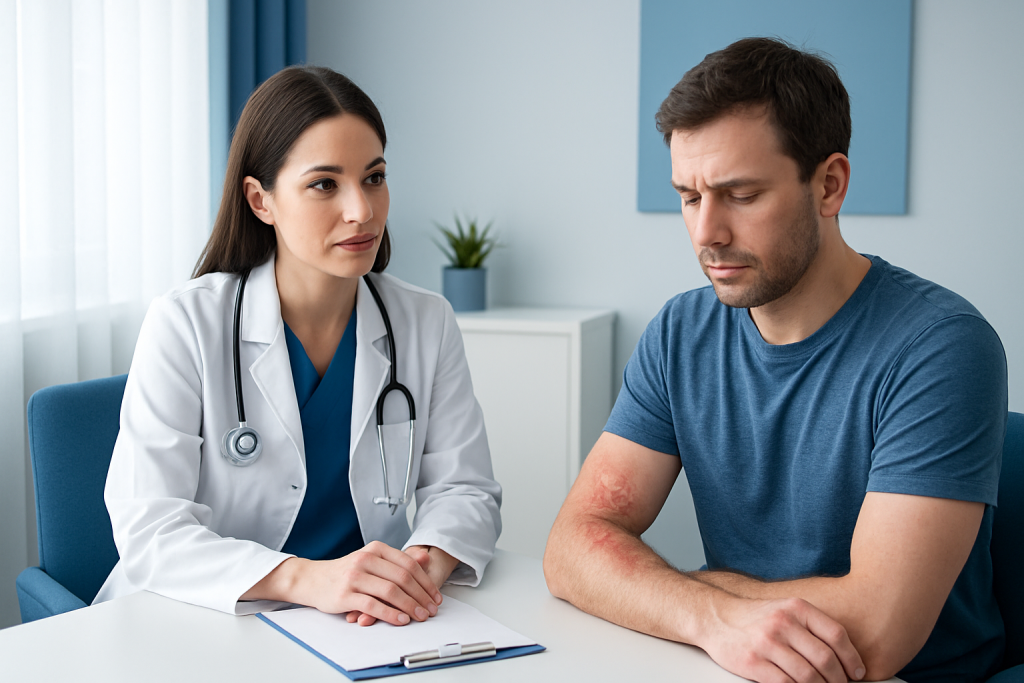
Second-degree burns commonly happen from heat, hot liquids, flames, steam, or contact with hot objects. They can also result from chemicals, electricity, strong sun exposure, or friction, depending on the situation. The same cause may produce a shallow burn in one person and a deeper one in another, depending on exposure time and skin contact.
Risk is higher when the burn involves vulnerable skin or when first aid is delayed. Children, older adults, and people with diabetes or reduced sensation may be especially affected because they may not feel the injury right away or may heal more slowly. Burns are also more complicated when they occur over joints, where movement and friction can disturb healing.
In travel settings, burns may happen in kitchens, spas, industrial environments, or during outdoor activities. If a person is abroad and the burn is large, painful, or difficult to clean, a local medical assessment can help determine whether treatment can continue safely before the journey home.
Diagnosis
Most 2nd degree burns are diagnosed by a clinical examination. A doctor usually looks at how the burn happened, how long the skin was exposed, the size of the injured area, and whether the skin has blistering, discoloration, or signs of deeper injury. Pain level and the burn’s location also matter.
In some cases, the clinician may also check circulation, movement, and sensation, especially if the burn is near a joint or may have affected deeper tissue. If the burn is chemical or electrical, further evaluation may be needed because the visible skin injury may not show the full extent of damage.
For patients planning treatment away from home, diagnosis is also about coordination. Doctors may document the wound clearly, outline dressing changes, and explain what follow-up can be done locally versus what should be reviewed by a burn specialist after travel.
Treatment Options
Early care begins with cooling the burn under cool running water for about 20 minutes if possible. This step helps limit further skin damage. Ice should not be placed directly on the burn, and home remedies such as butter or toothpaste should be avoided because they can irritate the wound or trap heat.
After cooling, the burn is typically cleaned gently and covered with a non-stick dressing. Blisters are usually best left intact unless a doctor advises otherwise, since they can protect the skin underneath. Pain relief, fluid intake, and keeping the area clean are often part of care as well.
Depending on the burn, medical treatment may include prescription dressings, topical medication, removal of dead tissue, or close monitoring for infection. Larger or deeper burns may need referral to a burn unit or specialist clinic. In some cases, especially when healing is slow or the burn is deep, surgery or skin grafting may be discussed.
Prevention and Self-care
Once the burn has been assessed, careful home care supports healing. The dressing should be kept clean and changed exactly as instructed. Hands should be washed before touching the wound, and the area should be protected from friction, dirt, and direct sunlight as it heals.
People often feel tempted to pop blisters or peel away dry skin, but that can increase infection risk and delay healing. It is also helpful to move the area gently if a doctor has said this is safe, especially when the burn is near a joint, to reduce stiffness.
Self-care also includes watching the body’s overall response. Rest, hydration, and good nutrition support recovery. If the person is traveling, they may want written wound-care instructions, a supply of dressings, and a clear plan for where to seek review if the skin changes before they fly home.
When to See a Doctor
Medical evaluation is recommended for any burn that is larger than the person’s palm, involves the face, hands, feet, genitals, or a major joint, or appears deep or worsening. A doctor should also assess burns caused by chemicals or electricity, because these may need specialized care even when the skin injury seems limited at first.
It is important to seek care if the area becomes increasingly red, warm, swollen, or painful, or if pus, fever, bad odor, or red streaks develop. These may be signs of infection or another complication that benefits from prompt treatment.
For international patients, the safest approach is often to be seen early rather than wait until travel plans become difficult. Acibadem Health Point can connect patients with multidisciplinary specialists in JCI-accredited hospitals for diagnosis and treatment, along with follow-up planning that fits a cross-border care journey.
Frequently asked questions
01How can a 2nd degree burn be told apart from a first-degree burn?
A first-degree burn usually affects only the outer skin layer and causes redness and mild pain without blisters. A 2nd degree burn is deeper and often causes more intense pain, swelling, and blistering. If there is any doubt, medical assessment is the safest option.
02Should blisters be popped?
In general, blisters should not be popped at home. They can act as a protective covering for the healing skin beneath them. If a blister is large, painful, or at risk of tearing, a doctor can advise on the best approach.
03How long does a 2nd degree burn take to heal?
Healing time depends on how deep and how large the burn is. Small superficial partial-thickness burns may heal in about two weeks, while deeper burns can take longer. If healing is slow, the skin should be reviewed by a clinician.
04Can a 2nd degree burn get infected?
Yes, any open or blistered skin can become infected if bacteria enter the wound. Increasing redness, swelling, pus, worsening pain, fever, or a bad smell can be warning signs. Prompt medical review helps prevent the infection from spreading.
05What should someone do right after getting burned?
The first step is to cool the area with cool running water if possible, then remove rings or tight items near the burn before swelling develops. After that, the burn should be covered with a clean, non-stick dressing and examined if it is large, deep, or in a sensitive area.
06Is a 2nd degree burn always treated in a hospital?
Not always. Small, uncomplicated burns may be managed with home care and outpatient follow-up, but larger, deeper, or high-risk burns need medical evaluation. The treatment setting depends on the burn’s extent and the person’s overall health.
This article is for general information only and is not a substitute for professional medical advice. Please consult a qualified doctor about your individual situation.
Joint and spine care in Turkey — expert assessment & treatment
JCI-accredited · board-certified surgeons · reply within 24h
Add us as a Preferred Source to see more of our trusted health content across Google Search, AI Overviews and Discover.