Scrotum Pain and Swelling: When to Seek Urgent Care
Scrotum pain swelling is often caused by minor injury, inflammation, fluid buildup, or infection and may improve with rest and supportive care. However, sudden or severe pain can signal a time-sensitive problem, so prompt medical assessment is important when warning signs are present.
Overview: What Scrotum Pain and Swelling Can Mean
Scrotum pain swelling is common and is often related to a minor injury, temporary inflammation, or a harmless fluid buildup around a testicle. Many cases settle with appropriate care, particularly when symptoms are mild, gradually improving, and clearly linked to activities such as exercise, cycling, or a minor knock. Even so, new scrotal pain and edema should be taken seriously because several different conditions can cause similar symptoms.
The scrotum contains the testicles, epididymis, blood vessels, nerves, and supporting tissues. Swelling may affect one side or both sides, and it may feel soft, firm, heavy, tender, or warm. A careful assessment is especially important if discomfort develops suddenly, increases quickly, or is accompanied by fever, urinary symptoms, nausea, vomiting, or a visible change in the position of a testicle.
Clinical scrotal pain guidelines emphasize that sudden testicular pain should be assessed urgently to exclude testicular torsion, a twisting of the spermatic cord that can reduce blood supply to the testicle. This is not the most common cause of scrotal pain, but it is time-sensitive and cannot be safely diagnosed at home.
Symptoms and the Details That Matter
Scrotal pain swelling can range from a mild ache or feeling of heaviness to sharp, severe pain. The pattern of symptoms can help a clinician narrow down possible causes. For example, pain that develops after an impact may suggest trauma, while gradual pain with burning urination or fever can occur with infection or inflammation.
Relevant symptoms include swelling on one or both sides, redness or warmth of the skin, a lump, tenderness behind the testicle, lower abdominal or groin pain, and changes in urination. Some people notice that symptoms worsen while standing or at the end of the day and improve when lying down. This can occur with conditions involving veins or fluid around the testicle, although evaluation is still needed for a new change.
A painless lump, persistent heaviness, or enlargement should also be checked even when there is little discomfort. Testicular cancer is not the usual explanation for pain, but a new testicular lump or lasting enlargement deserves prompt medical assessment.
Common Causes and Risk Factors

Common causes of a swollen or painful scrotum include minor trauma, epididymitis (inflammation of the tube behind the testicle), orchitis (testicular inflammation), hydrocele (fluid around the testicle), varicocele (enlarged scrotal veins), inguinal hernia, and skin infections. Infections may be related to urinary bacteria or, in some situations, sexually transmitted infections. The appropriate treatment depends on the underlying cause.
Testicular torsion can occur at any age but is more frequent in adolescents and younger people. It often causes sudden pain on one side, swelling, and sometimes nausea or vomiting. A hernia can cause a bulge in the groin or scrotum that may become more noticeable with coughing, lifting, or straining. A hydrocele is commonly painless but can create a sense of fullness or heaviness.
Risk factors may include recent injury, strenuous activity, urinary tract problems, prior scrotal surgery, an untreated infection, sexual exposure that raises the risk of sexually transmitted infection, or a history of hernia. Some causes have no clear trigger. Because symptoms overlap, self-diagnosis is not reliable.
How Long Does It Take for a Swollen Scrotum to Heal?
Healing time depends on the cause, severity, and treatment. Mild swelling after a minor injury may begin to improve within a few days and continue settling over one to two weeks. Discomfort should generally become less intense rather than progressively worse. Ongoing swelling after an injury may need examination to check for a bruise, fluid collection, or a more significant injury.
When swelling is caused by infection or inflammation, symptoms may start improving within several days after the correct treatment begins, although tenderness or fullness can last longer. It is important to complete any prescribed medication and attend follow-up if symptoms do not improve as expected. A hydrocele or varicocele may persist until it is monitored or treated, depending on symptoms and its effect on daily life or fertility.
Following surgery or a procedure, the treating team provides the most reliable recovery timeline. Persistent pain, new redness, fever, worsening swelling, or drainage after treatment should be reported promptly rather than treated as a routine part of healing.
Should I Go to the ER for a Swollen Scrotum?
Emergency care is appropriate for sudden, severe, or rapidly worsening scrotal pain or swelling. This is particularly important if pain begins abruptly, a testicle appears higher than usual or positioned differently, or symptoms occur with nausea, vomiting, lower abdominal pain, or faintness. These features can occur with testicular torsion and require urgent evaluation.
Urgent medical care is also advisable for significant swelling after an injury, uncontrolled pain, fever with a red or very tender scrotum, inability to pass urine, a painful groin or scrotal bulge that does not reduce when lying down, or symptoms in a child. Do not eat or drink if torsion or emergency surgery may be possible unless a healthcare professional advises otherwise.
Less severe symptoms that are new, persistent beyond a short period, or associated with urinary changes should still be assessed promptly by a doctor or urologist. Waiting to see whether serious pain disappears can delay treatment for conditions where early care matters.
Diagnosis: What a Doctor May Check
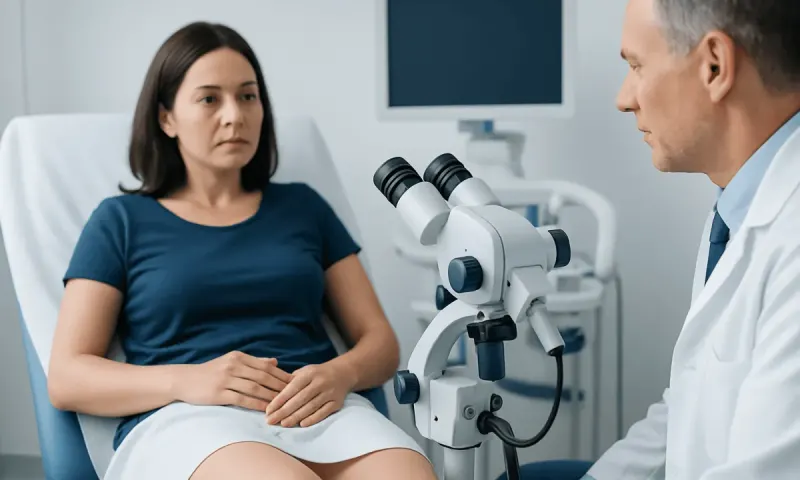
A clinician will ask when the symptoms started, whether onset was sudden or gradual, whether there was an injury, and whether there are urinary, sexual health, or systemic symptoms. They will examine the abdomen, groin, scrotum, and testicles, usually with attention to comfort and privacy. The aim is to identify signs of infection, hernia, fluid buildup, torsion, trauma, or a mass.
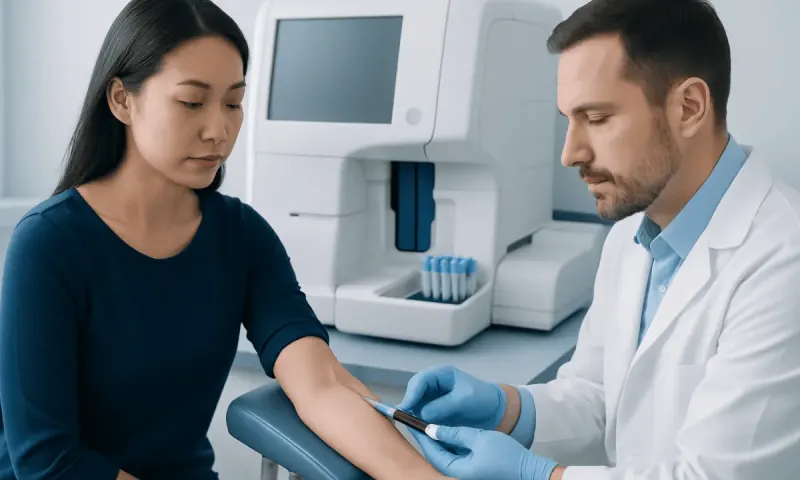
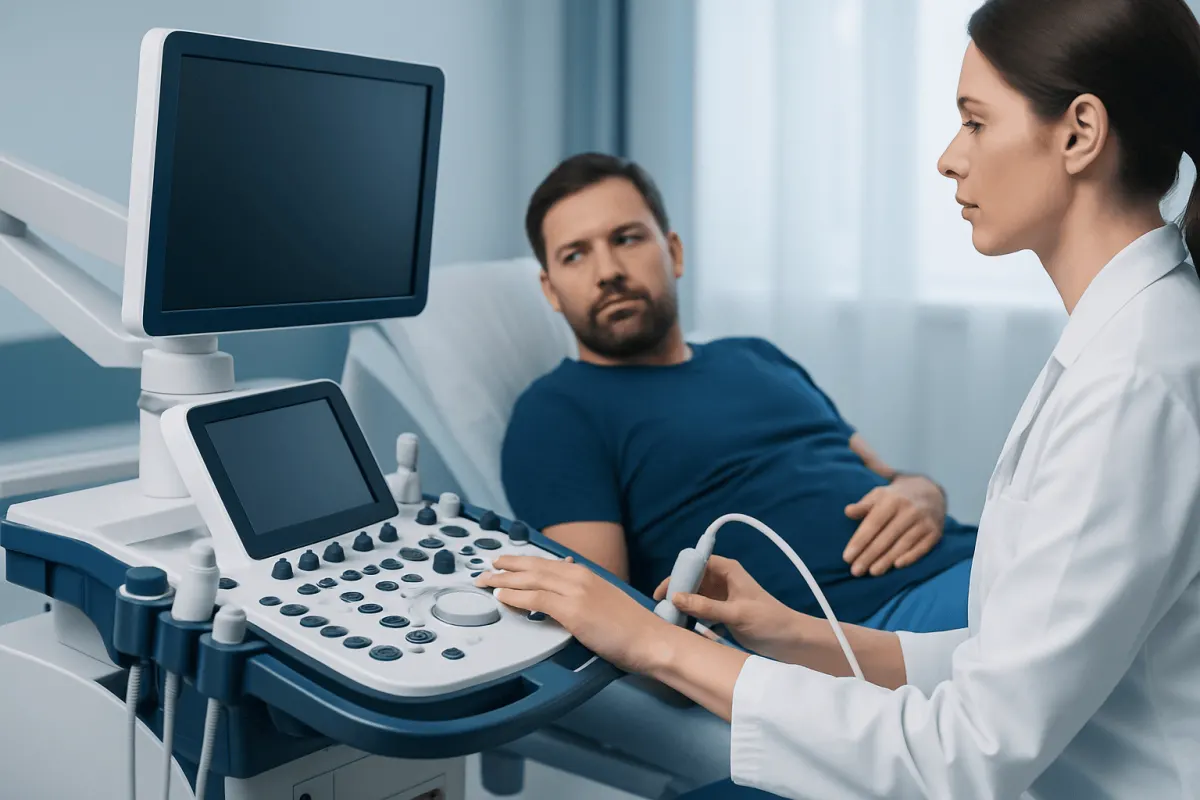
Tests may include a urine test, blood tests, and testing for sexually transmitted infections when appropriate. A scrotal ultrasound with Doppler imaging is often used to look at testicular structure, fluid collections, blood flow, and nearby tissues. It can support diagnosis, but suspected torsion is treated as an urgent clinical problem and should not be delayed by unnecessary testing.
Depending on the findings, a person may be referred to a urologist. Acıbadem Health Point’s multidisciplinary specialists and JCI-accredited hospitals diagnose and treat urological conditions for international patients, with care plans based on the individual cause and clinical assessment.
How Long Does Scrotum Pain Last?
There is no single expected duration for scrotum pain. A mild strain or minor impact may cause soreness for a few days, while infections and inflammation can cause pain for days to weeks as tissues recover. The most useful sign is the overall trend: pain should lessen with appropriate management, not become more severe or develop new warning signs.
Persistent discomfort may occur with a varicocele, hydrocele, chronic inflammation, nerve-related pain, or pain referred from the groin, kidney, lower back, or pelvic area. A clinician may consider these possibilities when examination and initial testing do not show an urgent cause. Chronic scrotal pain is generally defined as discomfort lasting at least three months and should be assessed by a urology specialist.
People should seek reassessment if pain lasts longer than expected, returns repeatedly, interferes with sleep, work, exercise, or sexual activity, or does not improve after recommended treatment. Follow-up helps ensure that a treatable cause has not been missed.
How to Make Scrotum Swelling Go Down
For mild swelling after a minor injury, supportive care may help while arranging medical advice if symptoms are new. This can include rest from strenuous activity, close-fitting supportive underwear, and a cold pack wrapped in cloth for short periods. Cold should not be placed directly on the skin, and prolonged icing should be avoided to prevent skin injury.
Over-the-counter pain relief may be suitable for some adults, but the choice depends on medical history, allergies, kidney disease, stomach ulcers, bleeding risk, and other medicines. A pharmacist or clinician can advise on safe options. Elevating the scrotum while lying down with a folded towel may improve comfort for some people.
Scrotum swelling cream is usually not helpful when swelling comes from fluid, veins, infection, inflammation, hernia, or an internal injury. Creams may irritate sensitive skin and should not be used to delay assessment of pain, redness, or swelling. If a skin condition is suspected, a clinician can recommend a treatment specifically for the diagnosis.
Avoid heavy lifting, cycling, contact sports, and sexual activity until pain is improving and a clinician has clarified the cause when symptoms are significant. Antibiotics should only be taken when prescribed for a confirmed or strongly suspected bacterial infection; they do not treat all causes of scrotal pain and edema.
Frequently asked questions
01Is scrotum pain swelling usually serious?
Many cases are not serious and can result from minor injury, inflammation, or fluid around the testicle. However, sudden severe pain, rapid swelling, nausea, vomiting, fever, or a changed testicle position can indicate a condition needing urgent assessment. New or persistent symptoms should be reviewed by a healthcare professional.
02Can epididymitis cause scrotal pain and swelling?
Yes. Epididymitis often causes gradually increasing pain, tenderness, and swelling on one side of the scrotum, sometimes with urinary symptoms or fever. It needs medical evaluation because treatment depends on whether infection or another cause is involved.
03Can a hydrocele go away on its own?
A hydrocele is a fluid collection around a testicle and may cause swelling or a feeling of heaviness. Some hydroceles can be monitored if they are small and not troublesome, while others persist or require treatment. Any new scrotal swelling should be examined to confirm the diagnosis.
04What should I avoid with a swollen scrotum?
It is sensible to avoid strenuous exercise, heavy lifting, cycling, contact sports, and activities that increase pain until the cause is clear. Avoid squeezing or repeatedly checking the area, as this can increase tenderness. Do not rely on topical creams or leftover antibiotics without medical advice.
05Can a hernia cause a swollen scrotum?
Yes. An inguinal hernia can extend into the scrotum and cause a bulge, pressure, or swelling that may worsen with standing, coughing, or lifting. A painful bulge that becomes firm, cannot be pushed back, or occurs with vomiting needs urgent medical care.
06When should a child with scrotal swelling be seen by a doctor?
A child with new scrotal pain or swelling should be assessed promptly, especially when pain is sudden or severe. Testicular torsion can occur in children and teenagers and requires urgent treatment. Parents or caregivers should seek emergency care if there is nausea, vomiting, marked tenderness, redness, or an unusual testicle position.
This article is for general information only and is not a substitute for professional medical advice. Please consult a qualified doctor about your individual situation.
Persistent digestive symptoms? Get evaluated in Turkey
JCI-accredited · board-certified surgeons · reply within 24h
Add us as a Preferred Source to see more of our trusted health content across Google Search, AI Overviews and Discover.