Scrotoplasty Surgery: Reshaping and Reconstruction
Scrotoplasty is a surgical procedure that reshapes, repairs or reconstructs the scrotum. It may be performed for functional, reconstructive or aesthetic reasons, and the most suitable approach depends on a person’s anatomy, symptoms, goals and overall health.
What Is Scrotoplasty?
Scrotoplasty is surgery on the scrotum, the skin sac that holds and helps regulate the temperature of the testicles. The term describes several procedures rather than one standard operation. Depending on the reason for surgery, a surgeon may remove excess skin, tighten stretched tissue, repair a tear or defect, reconstruct tissue after injury or disease, or create or refine scrotal anatomy.
Some people seek scrotoplasty because a low-hanging or enlarged scrotum causes rubbing, pulling, discomfort during movement, difficulties with clothing, or concerns about appearance. Others need reconstruction after trauma, infection, cancer treatment, congenital differences, prior surgery, or removal of damaged tissue. The procedure is not intended to treat every cause of scrotal pain; pain needs careful assessment before surgery is considered.
Scrotoplasty may be performed by a urologist, a plastic and reconstructive surgeon, or both. It is commonly an outpatient procedure, meaning the patient may go home on the same day, although more complex reconstruction can require a hospital stay. The operation is planned around the person’s symptoms, tissue quality, fertility considerations and desired outcome.
Why It May Be Considered and Who May Be a Candidate
Potential candidates include adults with excess or lax scrotal skin that causes physical symptoms, people with a scrotal defect following injury or surgery, and people who need reconstructive surgery after treatment for infection, tumors or other serious conditions. Some procedures are also part of gender-affirming genital reconstruction, where the surgical plan and goals differ from scrotal tightening or repair.
A suitable candidate is generally in stable overall health, understands the expected changes and limitations of surgery, and is able to follow recovery instructions. Smoking and nicotine use can reduce blood flow and interfere with wound healing, so clinicians commonly advise stopping these products before and after surgery. Conditions such as diabetes, bleeding disorders, poor circulation or immune suppression may require additional preparation and monitoring.
Before recommending surgery, the clinician will look for treatable causes of swelling, skin irritation, infection or pain. For example, a hydrocele, varicocele, hernia, inflammation or a testicular condition may need a different type of evaluation or treatment. A scrotal mass, sudden pain or persistent swelling should not be assumed to be an aesthetic concern.
Assessment and Planning Before Surgery

The assessment begins with a medical history and physical examination. The surgeon asks about symptoms, past operations, injuries, medications, allergies, smoking, sexual health and future fertility plans. They also discuss the person’s priorities, such as improving comfort during activity, correcting asymmetry, restoring tissue after an injury, or achieving a more supported scrotal position.
Testing is not always needed for a straightforward skin-tightening procedure. However, a urine test, blood tests, ultrasound or other investigations may be appropriate when there is swelling, a lump, pain, infection risk or concern about an underlying urologic problem. The surgical team may also review medicines that affect bleeding, including some prescribed anticoagulants, anti-inflammatory medicines and supplements. Medication changes should only be made under guidance from the prescribing clinician.
During planning, the surgeon explains incision placement, the expected scar, anesthesia options, anticipated recovery, and the possibility that final results may differ slightly from the initial plan. Photographs may be taken for clinical planning with consent. Patients should ask how the procedure may affect sensation, sexual activity, athletic activity and any future procedures they may need.
How the Scrotoplasty Procedure Is Performed
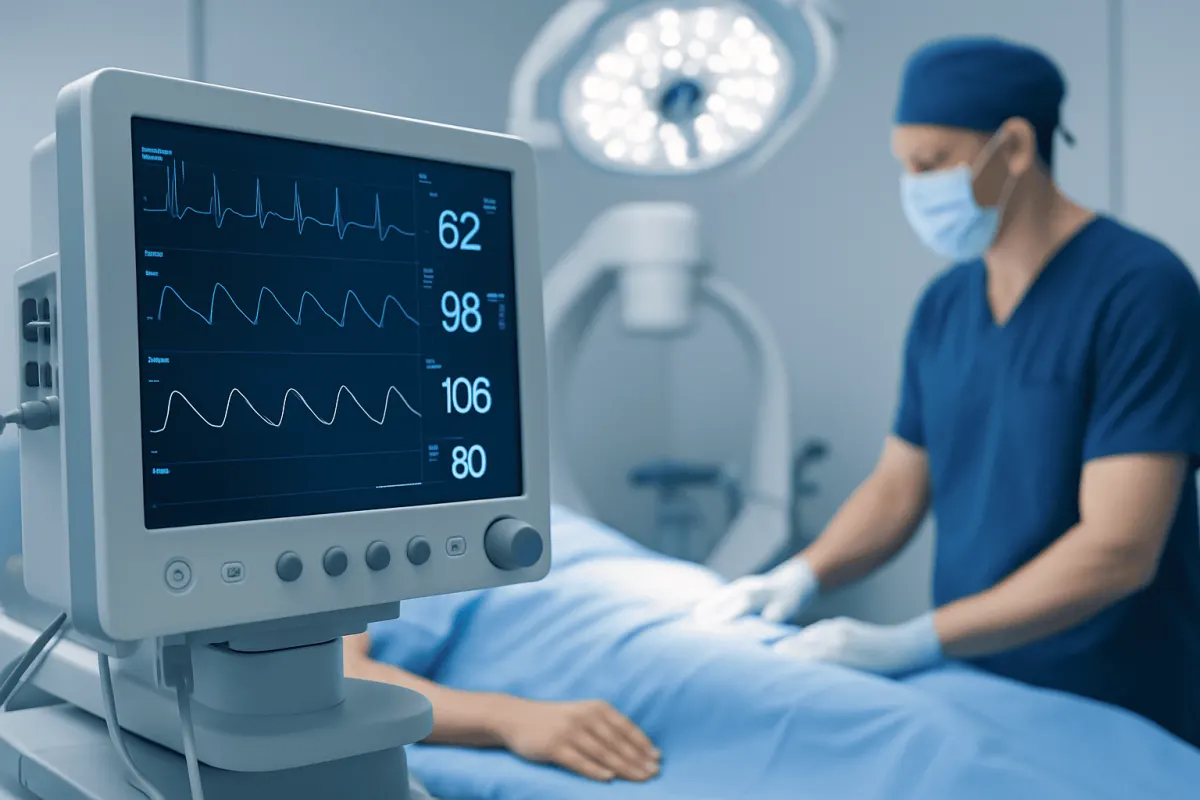
Scrotoplasty is often performed under general anesthesia, though selected minor procedures may be done with local anesthesia and sedation. The patient is positioned carefully, the skin is cleaned, and the surgical team marks the planned areas before making incisions. The exact technique depends on whether the goal is tightening, repair or more extensive reconstruction.
For loose or redundant scrotal skin, the surgeon usually removes a measured amount of skin and underlying tissue, then reshapes and closes the remaining tissue using dissolvable stitches. The aim is to improve support while avoiding excessive tension, which could affect comfort or wound healing. If there is a scar, split or localized defect, the surgeon may rearrange nearby tissue to restore coverage and contour.
More complex reconstruction may involve treating damaged or infected tissue first and then covering the area with local tissue, a skin graft or a tissue flap. In these situations, recovery and follow-up can be more involved. The procedure may be combined with treatment for another identified condition when clinically appropriate, but each operation should have a clear medical rationale.
For patients exploring surgical options, scrotoplasty treatment and surgical planning should be discussed directly with a qualified specialist. The team can explain which technique is appropriate and whether outpatient surgery is realistic in an individual case.
Recovery Timeline and Expected Results
After surgery, the scrotum is usually supported with a dressing, supportive underwear or a specialized garment. Mild to moderate swelling, bruising, tenderness and temporary tightness are expected during the early healing period. The surgical team may recommend rest, keeping the area clean and dry as instructed, elevating or supporting the scrotum, and using prescribed or recommended pain relief.
During the first several days, patients generally need to limit walking, bending, lifting and prolonged standing. Many people can return to desk-based work after about one to two weeks, but recovery varies with the extent of surgery and the nature of work. Strenuous exercise, cycling, heavy lifting and sexual activity are commonly paused until the surgeon confirms that healing is adequate, often for several weeks.
Swelling usually improves gradually over several weeks. Incisions may feel firm, numb or sensitive at first, and scars generally continue to soften and fade over months. The final appearance is best judged only after the tissues have settled. Scrotoplasty can improve support, comfort and contour, but it cannot guarantee perfect symmetry, remove every scar or prevent future skin laxity.
Follow-up appointments are important for checking wound healing, removing any non-dissolving sutures if used, and addressing questions about activity and scar care. Patients should contact the surgical team rather than relying on online advice if they are unsure whether a symptom is normal during recovery.
Benefits, Risks and Possible Complications
Potential benefits depend on the reason for surgery. A person may experience less rubbing or pulling, improved comfort in clothing or during movement, better support of the scrotal tissues, repair of a defect, or improved confidence about appearance. Reconstructive procedures can also restore protective tissue coverage after an injury or other medical treatment.
As with any operation, scrotoplasty carries risks. These include bleeding, a collection of blood under the skin (hematoma), infection, fluid accumulation, wound separation, delayed healing, unfavorable scarring, asymmetry, persistent swelling, changes in sensation and dissatisfaction with the cosmetic result. Rarely, further surgery may be needed to treat a complication or revise the result.
There can also be risks related to anesthesia and risks specific to the underlying condition being treated. If the operation involves deeper tissues or is combined with another urologic procedure, the surgeon will explain any additional considerations for the testicles, spermatic cords, urinary tract, sexual function or fertility. A personalized consent discussion is the best way to understand individual risk.
When to Seek Medical Care
Urgent medical assessment is important for sudden severe testicular or scrotal pain, particularly when it begins without warning or is associated with nausea, vomiting or a high-riding testicle. These symptoms can occur with testicular torsion, which needs prompt evaluation. Rapidly increasing swelling, a new firm lump, fever or redness should also be assessed without delay.
After scrotoplasty, patients should contact their surgical team promptly for worsening pain that is not controlled by the recommended plan, increasing rather than improving swelling, heavy bleeding, pus-like drainage, a fever, opening of the incision, or difficulty passing urine. Early review can help identify and manage complications before they become more significant.
Non-urgent medical advice is appropriate for persistent discomfort, chronic skin irritation, noticeable enlargement, a feeling of heaviness, or concerns about a change in the scrotum. Acıbadem Health Point’s multidisciplinary specialists and JCI-accredited hospitals assess and treat scrotal conditions and reconstructive needs for international patients.
Frequently asked questions
01Is scrotoplasty the same as a scrotal lift?
A scrotal lift is often used informally to describe a form of scrotoplasty that removes excess skin and improves scrotal support. However, scrotoplasty is a broader term that can also include repair and reconstruction after injury, infection, surgery or congenital differences.
02How long does scrotoplasty recovery take?
Initial recovery commonly takes several weeks, while swelling and scar changes may continue to improve for several months. The exact timeline depends on the extent of surgery, whether reconstruction was needed, general health and how well the incision heals.
03Is scrotoplasty painful?
Discomfort, swelling and tenderness are expected after surgery, especially in the first few days. The surgical team provides an individualized pain-management plan and instructions for support garments, activity limits and wound care to make recovery more comfortable.
04Will scrotoplasty affect fertility or sexual function?
A procedure limited to scrotal skin and soft tissue is not usually intended to affect fertility or erectile function. However, the impact can depend on the underlying condition and whether deeper structures require treatment, so patients should discuss fertility and sexual-health concerns before surgery.
05When can someone exercise or have sex after scrotoplasty?
Strenuous exercise, cycling, heavy lifting and sexual activity are generally postponed until the incision has healed and the surgeon approves return to these activities. This is often several weeks, but individualized guidance is important because returning too early can increase swelling or disrupt healing.
06Are scars visible after scrotoplasty?
Scars are expected after any surgical incision, although surgeons aim to place and close incisions in ways that support healing and minimize conspicuous scarring. Scars may initially look red, raised or firm and usually mature gradually over time.
This article is for general information only and is not a substitute for professional medical advice. Please consult a qualified doctor about your individual situation.
Oncology care in Turkey — second opinion and treatment plan
JCI-accredited · board-certified surgeons · reply within 24h
Add us as a Preferred Source to see more of our trusted health content across Google Search, AI Overviews and Discover.