Schizotypal vs Schizophrenia: Key Clinical Differences
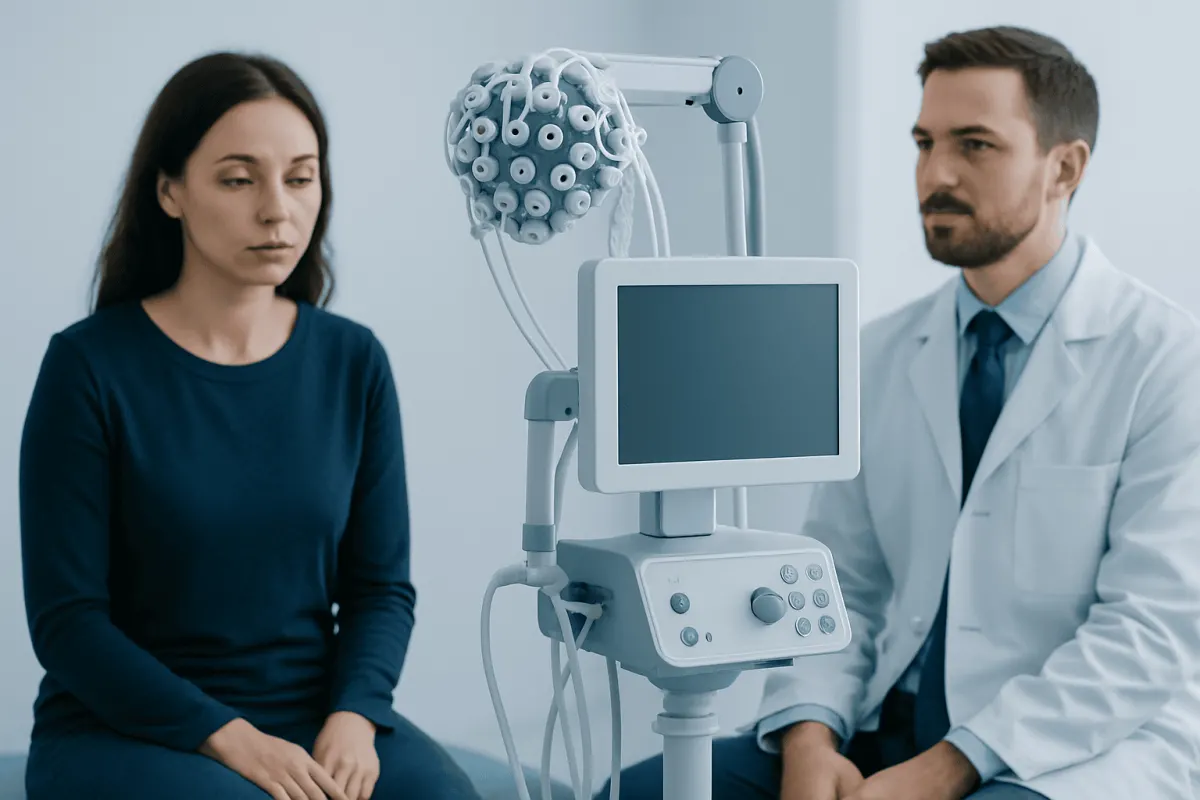
Schizotypal personality disorder and schizophrenia can both involve unusual beliefs, social withdrawal, and suspiciousness, but they are different conditions. The key distinction is that schizophrenia commonly includes sustained psychosis and a clearer loss of contact with reality, while people with schizotypal personality disorder usually retain reality testing despite eccentric thoughts or perceptions.
Schizotypal vs Schizophrenia: A Side-by-Side Comparison
Schizotypal personality disorder and schizophrenia are both mental health conditions within the schizophrenia spectrum. They may look similar because a person can seem socially isolated, suspicious, or unusually expressive. However, the conditions differ in how strongly symptoms affect reality testing, thinking, and everyday functioning.
| Feature | Schizotypal personality disorder | Schizophrenia |
|---|---|---|
| Core pattern | Long-standing social and interpersonal difficulties with eccentric thoughts, beliefs, or behavior | Psychotic disorder involving disturbances in thought, perception, emotion, and behavior |
| Reality testing | Usually preserved; the person may question or recognize that a belief could be unusual | May be substantially impaired during psychosis |
| Hallucinations or delusions | Brief, mild, or unusual perceptual experiences can occur, but persistent hallucinations and fixed delusions are not typical | Hallucinations, delusions, and disorganized thinking may be persistent or recurrent |
| Course | Typically begins by early adulthood and is enduring | Often develops in late adolescence or adulthood and may occur in episodes or as ongoing symptoms |
| Effect on daily life | Can impair relationships, work, and confidence, especially because of social anxiety and mistrust | May markedly affect self-care, work or study, relationships, and independent living |
| Usual care | Psychotherapy, practical support, and medication when specific symptoms need treatment | Antipsychotic medication, psychological therapies, family support, and rehabilitation-oriented care |
A diagnosis cannot be made from a checklist or from one unusual experience. Many people have periods of social anxiety, unusual ideas, or distressing perceptions without having either condition. A qualified mental health professional assesses the broader pattern over time and its effect on the person’s life.
What Schizotypal Personality Disorder Can Look Like
Schizotypal personality disorder is characterized by persistent difficulty forming close relationships alongside unusual patterns of thinking, speech, perception, or behavior. A person may feel intensely uncomfortable in social settings, interpret ordinary events as having special personal meaning, or hold beliefs that others consider unusual. They may also appear eccentric in dress, communication style, or mannerisms.
Examples can include strong suspiciousness, ideas of reference such as feeling that a television message is directed specifically at them, or beliefs in special powers or supernatural explanations. Some people report brief perceptual experiences, such as sensing a presence nearby. In schizotypal personality disorder, these experiences are generally less sustained and less disruptive than the hallucinations or fixed delusions associated with schizophrenia.
Social anxiety in this condition often does not ease simply as familiarity grows. It may be driven by mistrust or fears about other people’s intentions. Even so, the person commonly has at least partial awareness that their experiences or ideas may be different from those of others, which helps distinguish the condition from active psychosis.
What Schizophrenia Can Look Like

Schizophrenia is a serious but treatable mental health condition that affects how a person thinks, perceives reality, communicates, and manages daily life. Symptoms vary considerably between individuals. They are often grouped as psychotic symptoms, reductions in usual abilities or emotional expression, and cognitive difficulties.
Psychotic symptoms can include delusions, which are strongly held beliefs not supported by evidence, and hallucinations, such as hearing voices when no one is present. A person may also have disorganized speech or behavior, making it hard for others to follow their thoughts. During an episode, they may not recognize that these experiences are symptoms of an illness.
Other symptoms may be less visible but equally important. These can include reduced motivation, less emotional expression, withdrawing from people, difficulty experiencing pleasure, problems concentrating, and changes in sleep or self-care. For more information on the condition and its care, see schizophrenia.
Psychosis can also occur in other conditions, including severe mood disorders, substance-related conditions, neurological illnesses, and some medical problems. Therefore, the presence of hallucinations or delusions does not automatically mean that a person has schizophrenia.
How Clinicians Tell Them Apart
Clinicians distinguish schizotypal personality disorder from schizophrenia by looking at the type, intensity, duration, and consequences of symptoms. The central question is whether the person has had sustained psychosis, particularly persistent delusions, hallucinations, markedly disorganized thinking, or a significant loss of reality testing. These features point more strongly toward schizophrenia or another psychotic disorder.
The assessment usually includes a detailed conversation with the person and, with permission where appropriate, information from family members or other people who know them well. The clinician asks when symptoms began, whether they are continuous or episodic, how they affect relationships and daily tasks, and whether there have been major changes from the person’s usual functioning.
Assessment also considers depression, bipolar disorder, anxiety, trauma, autism spectrum traits, personality patterns, alcohol or drug use, prescribed medicines, and physical health conditions. A physical examination, laboratory tests, or other investigations may be appropriate when symptoms are new, sudden, or unusual, especially to rule out medical causes.
Diagnosis may take time because symptoms can change and overlap. The purpose of assessment is not to label a person quickly; it is to understand their needs and select the most appropriate support. A psychiatrist or other qualified mental health clinician is best placed to make this distinction.
What to Do for Each Condition
Support for schizotypal personality disorder often focuses on building trust, reducing distress, and improving everyday functioning. Individual psychotherapy can help a person understand patterns in relationships, manage anxiety, test distressing interpretations more gently, and develop communication or coping skills. Treatment plans should be individualized and paced sensitively, as mistrust can make seeking help difficult.
Medication is not used to change personality, but a clinician may consider it for specific symptoms such as severe anxiety, depression, sleep disturbance, or short-lived perceptual symptoms. Regular follow-up is useful if symptoms become more intense or if there is concern that a psychotic disorder may be developing.
Schizophrenia treatment usually combines antipsychotic medication with psychological therapies, education, family involvement when welcomed by the person, and support for work, study, housing, and daily routines. Medication choices are individualized, and clinicians monitor benefits and possible side effects together with the patient. Stopping prescribed medication suddenly can increase the risk of symptoms returning, so changes should be discussed with the treating clinician.
Early intervention after a first psychotic episode can help address symptoms, safety, and practical needs promptly. Psychiatric assessment and treatment can clarify the diagnosis and create a coordinated plan that respects the person’s preferences and circumstances.
Daily Support, Communication, and Self-Care
For either condition, steady routines can support recovery and wellbeing. Helpful foundations may include regular sleep, balanced meals, physical activity suited to the individual, limiting alcohol and recreational drugs, and maintaining contact with trusted people. Substance use can worsen suspiciousness, hallucinations, mood symptoms, and treatment response, particularly for people vulnerable to psychosis.
Family members and friends can be supportive by listening calmly, avoiding arguments about whether a belief is true, and acknowledging the person’s feelings without reinforcing distressing ideas. For example, it can help to say, “That sounds frightening; let us find support,” rather than debating the experience or dismissing it.
Keeping appointments, noting changes in sleep, mood, stress, or perceptions, and following an agreed crisis plan can help people and their care teams recognize early warning signs. A person should not be blamed for symptoms; these conditions are health concerns that benefit from compassionate, consistent care.
At Acıbadem Health Point, multidisciplinary mental health specialists in JCI-accredited hospitals can assess and treat schizophrenia-spectrum conditions for international patients, with care plans tailored to clinical and personal needs.
When to Seek Medical Care
A non-urgent appointment with a doctor or mental health professional is appropriate when unusual beliefs, increasing suspiciousness, social withdrawal, distressing perceptions, or difficulties with work, study, relationships, or self-care persist or worsen. An assessment is especially important when these changes are new or represent a clear shift from the person’s usual behavior.
Prompt medical assessment is advised if someone hears voices, sees things others do not, develops strongly held beliefs that lead to unsafe decisions, becomes very confused, or is unable to manage basic daily needs. These symptoms deserve care and support, regardless of the eventual diagnosis.
Emergency help should be sought immediately if there is a risk of self-harm or harm to someone else, severe agitation, inability to stay safe, or an acute loss of contact with reality. Contact local emergency services or a crisis service, and if possible remain with the person in a calm, safe environment until help arrives.
Frequently asked questions
01Can schizotypal personality disorder turn into schizophrenia?
Most people with schizotypal personality disorder do not develop schizophrenia. However, schizotypal traits can be associated with a higher vulnerability to psychotic disorders than in the general population. New or worsening hallucinations, fixed beliefs, confusion, or loss of functioning should be assessed by a mental health professional.
02Do people with schizotypal personality disorder hear voices?
Some people may have brief or unusual perceptual experiences, especially during stress. Persistent voices, clear hallucinations, or experiences that strongly disrupt daily life are less typical and require clinical assessment. Such symptoms may have several possible causes, not only schizophrenia.
03What is the main difference between schizotypal and schizophrenia?
The main difference is the presence and persistence of psychosis. In schizophrenia, hallucinations, delusions, disorganized thinking, or impaired reality testing may be prominent. In schizotypal personality disorder, unusual beliefs and perceptions may occur, but reality testing is generally more intact.
04Can a person have both schizotypal personality disorder and schizophrenia?
A person with long-standing schizotypal traits may later experience a psychotic disorder, although this does not happen to everyone. If schizophrenia is present, the clinician focuses on treating current psychotic symptoms and supporting functioning. Diagnostic terms may be reviewed over time as the clinical picture becomes clearer.
05How is schizophrenia diagnosed?
A psychiatrist or qualified clinician evaluates the person’s symptoms, medical and mental health history, functioning, and course over time. They also consider substance use, mood disorders, medication effects, and medical or neurological conditions that can cause psychosis. There is no single blood test or scan that confirms schizophrenia.
06How can family members help someone who may be experiencing psychosis?
Family members can stay calm, listen respectfully, and encourage professional help without arguing about beliefs or perceptions. They should focus on safety, practical support, and a low-stress environment. If there is immediate risk of harm, severe confusion, or inability to care for basic needs, emergency services should be contacted.
This article is for general information only and is not a substitute for professional medical advice. Please consult a qualified doctor about your individual situation.
Explore treatments in Turkey — costs, top hospitals & a free quote
JCI-accredited · board-certified surgeons · reply within 24h
Add us as a Preferred Source to see more of our trusted health content across Google Search, AI Overviews and Discover.