Scar Cream: Uses, Benefits and Risks

Key Takeaways
- Scar creams may improve the appearance and comfort of some scars, especially newer ones.
- Silicone-based products are among the most commonly recommended options for scar care.
- The type, age, location, and cause of a scar all influence how well any cream may work.
- Good sun protection and gentle daily care support healing and help prevent darkening.
- A dermatologist can advise whether scar cream, in-office treatment, or both are appropriate.
Scar cream is often used to help soften, flatten, and protect healing scars, but results depend on the type of scar and how early care begins. A clear plan from a dermatologist can help patients choose realistic options and avoid products that promise more than they can deliver.
Overview
Not every scar needs treatment, but many people want one when a mark stays red, raised, itchy, or more visible than expected. A scar cream is usually a topical product designed to help a healing scar become smoother, softer, and less noticeable over time.
It helps to think of scar cream as part of scar management rather than a cure. Some products are intended for fresh surgical scars or minor skin injuries, while others are marketed for older scars that have already settled. The best choice depends on what kind of scar is present, how long it has been there, and whether the skin is still fully closed.
For patients who are arranging care from another country, this distinction matters. A dermatologist can review the scar before treatment begins, explain what improvement is realistic, and suggest whether a topical product alone is enough or whether a broader plan may work better.
Symptoms and When a Scar May Benefit from Treatment
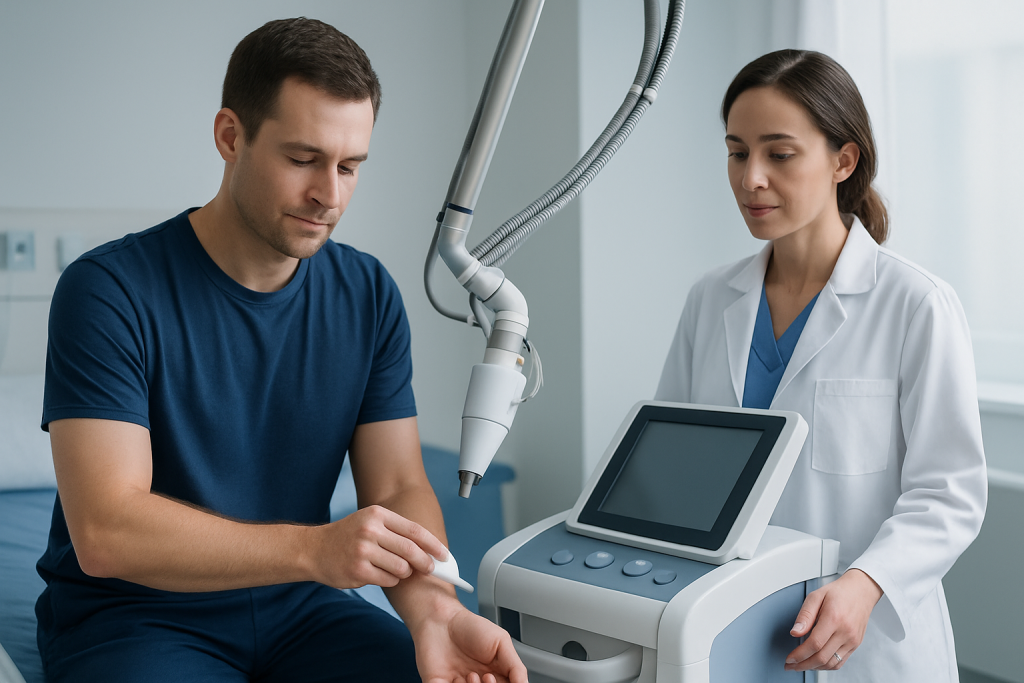
Scars can look different from one another. Some are flat and pale, while others are red, thick, raised, itchy, or firm. In some cases, the skin around the scar may feel tight or sensitive, especially after surgery, injury, acne, or a burn.
A scar may be a good candidate for topical care when it is still in the healing phase and the surface skin has closed. People often notice that the area is dry, darkening, or slightly uneven. Scar creams are sometimes chosen to support moisture, reduce friction, and make the scar less prominent as it matures.
- Raised or thickened scars may sometimes respond better to silicone-based care than to ordinary moisturizers.
- Flat scars may benefit more from sun protection and pigment control than from heavy creams.
- Old scars may improve a little with topical therapy, but they often need additional treatments if the goal is a more noticeable change.
It is important to remember that a scar cream cannot erase a scar. The aim is usually to improve texture, color, and comfort while the skin continues its natural repair process.
Causes and Risk Factors

Scars form when the skin repairs itself after an injury, surgery, acne, inflammation, or a burn. The body creates new collagen to close the wound, and that repair tissue may look and behave differently from the surrounding skin.
Some people are more likely to develop visible or raised scars. Genetics can play a role, as can wound depth, infection, delayed healing, repeated pulling on the area, and skin tension across joints or the chest. Darker skin tones may also be more prone to post-inflammatory hyperpigmentation, where the scar area becomes darker than the surrounding skin.
Not every scar is the same. Hypertrophic scars stay within the original wound area but become thick and raised. Keloids extend beyond the original injury and can be more difficult to manage. A basic over-the-counter cream is unlikely to resolve a keloid on its own, so understanding the scar type is an important first step.
Diagnosis: Why the Type of Scar Matters
Most scars are diagnosed through a simple skin examination. A dermatologist usually looks at the scar’s size, shape, color, thickness, and location, and asks when and how it developed. This helps determine whether the concern is a normal healing scar, a hypertrophic scar, a keloid, acne scarring, or a pigment change after inflammation.
In many cases, no test is needed. If the scar is unusual, painful, rapidly changing, or linked to a deeper injury, a doctor may examine it more closely to rule out other skin conditions. This is especially helpful for international patients who may be trying to choose the best treatment in a limited time window before traveling home.
Clear diagnosis matters because scar creams are not interchangeable. A product that supports a fresh surgical scar may not be the best choice for an older indented acne scar. Matching treatment to the scar type usually leads to more practical expectations and safer use.
Treatment Options
Scar creams come in several forms, but silicone-based gels and sheets are among the most commonly recommended options for many raised or healing scars. These products help keep the scar environment hydrated and protected, which may improve softness, flattening, and comfort over time. Some formulas also contain ingredients that soothe dryness or help the skin barrier recover.
Other topical products may include moisturizers, onion extract, vitamin-based blends, or brightening agents. Evidence for these ingredients varies, and not every product works equally well for every scar. A dermatologist can help separate products with a reasonable role from those that are mostly cosmetic advertising.
Treatment may also include:
- Sun protection to reduce darkening and discoloration
- Pressure therapy for selected scars
- In-office steroid injections for some raised scars
- Laser, microneedling, or resurfacing procedures for certain scars
- Surgical scar revision in carefully selected cases
When patients are traveling for care, it is useful to plan around follow-up needs. Some scar treatments work best when they are monitored over time, so a doctor may recommend a combination of home care and scheduled review rather than a one-time product purchase.
How to Use Scar Cream Safely and Effectively
Scar cream generally works best when it is applied exactly as directed and only after the skin surface has fully closed. Applying topical products too early, especially on open wounds, can irritate the area or interfere with healing.
Consistency matters more than intensity. Gentle, regular application is usually more helpful than using too much product. The skin should be clean and dry before use, and the scar should be protected from friction and strong sun exposure whenever possible.
Useful habits often include:
- Using sunscreen or covering the scar when outdoors
- Avoiding picking, scrubbing, or stretching the area
- Watching for irritation, rash, or worsening redness
- Following the product instructions rather than mixing multiple scar treatments at once
If a cream stings, causes a rash, or seems to make the skin more inflamed, it should be stopped and discussed with a clinician. More product is not better when the skin is already healing.
Prevention and Self-care
The most helpful scar care often begins before the scar is fully formed. Good wound care, early medical attention for deep cuts or surgical wounds, and proper closure of the skin all support better healing. Once the skin has closed, moisture support and sun protection can help the scar mature more evenly.
For acne-related marks, reducing inflammation early may lower the chance of lasting scars. For surgical scars, following wound-care instructions carefully can make a meaningful difference. People with a history of keloids or thick scars should mention that history before any planned procedure, including cosmetic work or biopsies.
Self-care should be steady and realistic. Scars often change slowly over months, not days. A calm routine, regular review of the skin, and appropriate medical guidance usually serve patients better than switching products frequently or expecting a cream to fully remove the mark.
When to See a Doctor
Medical advice is a good idea if a scar becomes painful, very itchy, infected-looking, or increasingly raised. It is also wise to seek review if the scar limits movement, keeps growing beyond the original injury, or causes significant concern about appearance or confidence.
A doctor can help distinguish between a scar that is still remodeling and one that may need a different approach. This is especially important for scars on the face, chest, shoulders, or joints, where tension and repeated motion can affect healing. A timely visit may also help prevent unnecessary spending on products that are unlikely to help a particular scar type.
For international patients, a specialist consultation can be especially useful before returning home. At Acibadem Health Point, multidisciplinary specialists and JCI-accredited hospitals diagnose and treat scarring concerns for international patients with an individualized and medically grounded approach.
Living With a Scar While Treatment Continues
Scars often settle gradually, and many people see only partial change rather than complete disappearance. That can be frustrating, especially when the scar is in a visible area. A practical goal is usually to make the scar smoother, less red, less itchy, or less noticeable in daily life.
It may help to track the scar with photos taken in the same lighting every few weeks. This can show subtle improvements that are easy to miss day by day. Patients who are traveling for treatment can also use photos to support follow-up visits with their local doctor or the specialist they saw abroad.
With the right product, careful use, and honest expectations, scar care can be manageable. A dermatologist can help decide when a scar cream is enough and when another option will give a better result.
Frequently asked questions
01What does scar cream actually do?
Scar cream is meant to support the healing skin and improve the scar’s appearance over time. Depending on the product, it may help soften texture, reduce dryness, and make a scar less raised or less noticeable. It usually works best on newer scars rather than old, mature ones.
02Which scar cream is most commonly recommended?
Silicone-based gels and silicone sheets are among the most commonly recommended options for certain scars. They are often used for raised or healing scars because they help protect the skin and maintain moisture. A dermatologist can advise whether silicone is appropriate for a specific scar.
03Can scar cream remove scars completely?
Usually, no. Scar creams may improve color, texture, and comfort, but they do not remove a scar entirely. The amount of change depends on the scar type, age, and location.
04How long does scar cream take to work?
Scar tissue changes slowly, so results are usually gradual. It may take weeks or longer to notice improvement, and some scars continue to change for months. If there is no clear benefit, a doctor may suggest a different treatment approach.
05Can scar cream be used on acne scars?
Some acne-related marks may improve with topical care, especially if the issue is redness or darkening after inflammation. However, indented acne scars often need procedures rather than cream alone. A dermatologist can tell the difference and recommend the most useful option.
06Is it safe to use scar cream on fresh wounds?
Scar cream should generally be used only after the skin has fully closed, unless a doctor specifically advises otherwise. Applying products to open skin can irritate the wound and interfere with healing. When in doubt, a clinician should confirm the right timing.
This article is for general information only and is not a substitute for professional medical advice. Please consult a qualified doctor about your individual situation.
Explore treatments in Turkey — costs, top hospitals & a free quote
JCI-accredited · board-certified surgeons · reply within 24h
Add us as a Preferred Source to see more of our trusted health content across Google Search, AI Overviews and Discover.