Scabs on Face: Causes, Healing, and Warning Signs
Scabs on face are usually a normal part of skin repair after a scratch, pimple, rash, shaving cut, or other small injury. Gentle care and avoiding picking often allow them to heal, while recurring, spreading, painful, or non-healing areas should be assessed by a clinician.
Overview: why scabs form on the face
Scabs on face usually appear when the outer layer of skin has been damaged. They are part of the body’s normal repair process: blood and wound fluid dry over the surface, creating a temporary protective covering while new skin develops underneath. Small scabs often follow acne spots, minor scratches, insect bites, shaving cuts, friction, or skin irritation.
Facial skin is exposed to frequent touching, cleansing products, cosmetics, sunlight, and changes in temperature. These factors can make a healing area feel dry, itchy, or more noticeable. A scab itself is not a diagnosis; its appearance, location, duration, and accompanying symptoms help indicate the likely underlying cause.
Most small facial scabs improve steadily with simple, gentle care. However, scabs that recur in the same place, become increasingly sore, ooze, spread, or fail to heal deserve medical assessment. Identifying and treating the cause is more helpful than repeatedly removing the crust.
Common causes of facial scabs
Acne is one of the most common causes, especially when an inflamed pimple ruptures or is squeezed. Scratching, picking, or using harsh spot treatments can break the skin and lead to a crusted area. People with recurring acne may benefit from a clinician-guided acne plan rather than treating each scab separately.
Dry or inflamed skin conditions may also lead to scabbing. Eczema, contact dermatitis from cosmetics or skincare products, and seborrheic dermatitis can cause itchiness, scaling, and scratching. A reaction may occur after exposure to fragranced products, hair dye, certain sunscreens, or other substances that touch the face.
Infections can be another cause. For example, impetigo is a contagious superficial bacterial infection that may create honey-colored crusts, often around the nose or mouth. Cold sores can begin as grouped blisters and later crust over. These conditions may need specific treatment and should not be assumed to be ordinary acne or dry skin.
Less commonly, a persistent scab may be related to sun damage or a skin growth that needs examination. A sore that repeatedly crusts, bleeds, heals partly, and returns should be reviewed by a dermatologist. This is particularly important for people with significant sun exposure, fair skin, a history of skin cancer, or a weakened immune system.
What symptoms can help identify the cause?
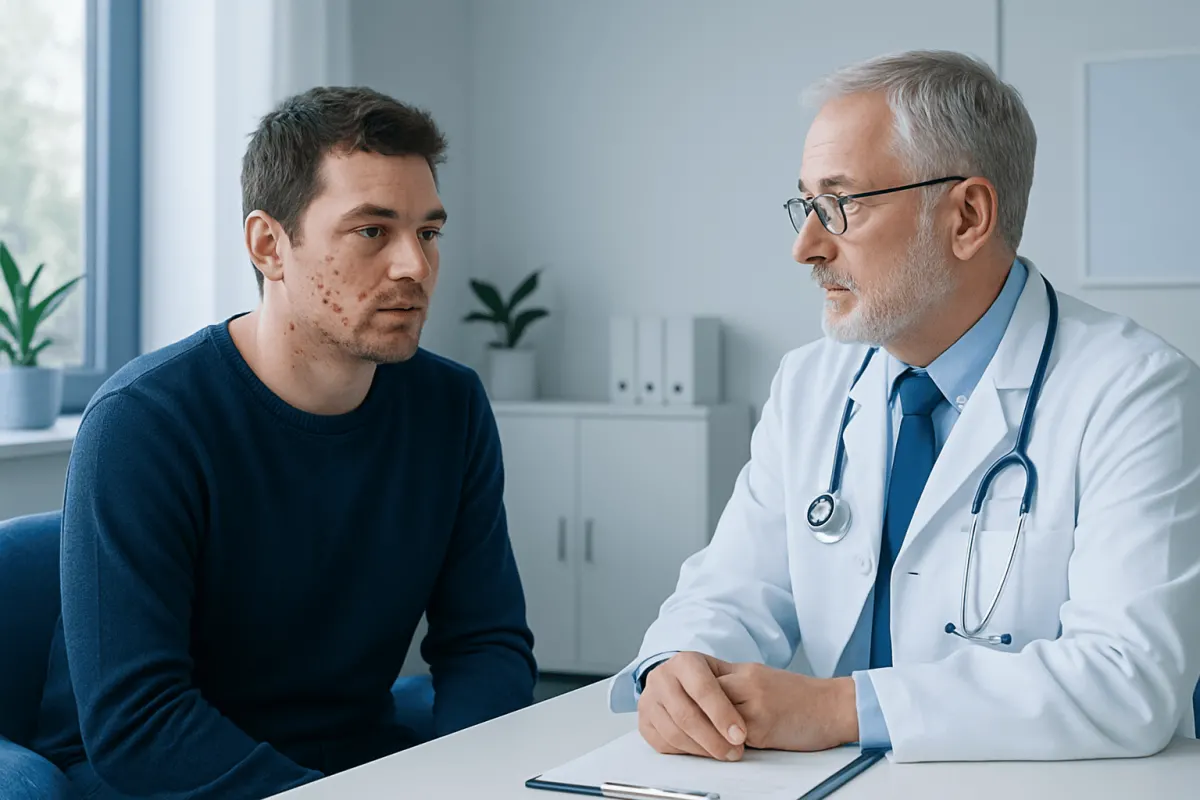
A healing scab from a minor injury is often small, dry, and gradually less tender over several days. Mild itchiness can occur as the skin repairs itself. The surrounding skin should generally become less red rather than more inflamed.
Symptoms that suggest infection include increasing pain, warmth, swelling, spreading redness, yellow or green drainage, a bad odor, or fever. Crusting around the nostrils, mouth, or eyes may need prompt review because facial infections can sometimes spread or irritate sensitive nearby tissues.
The pattern can also provide clues. Repeated scabs after shaving may point to irritation or inflamed hair follicles. Scaly patches with recurrent itch may suggest dermatitis. A cluster of painful or tingling blisters that crusts later may be consistent with a cold sore. A clinician can distinguish these conditions by examining the skin and asking about timing, exposures, and symptoms.
- Note whether the area is new, recurring, or slowly enlarging.
- Consider recent changes in skincare, makeup, shaving products, or medications.
- Seek assessment if a lesion bleeds easily without a clear injury.
Safe care for a small facial scab
For a minor scab, gentle care is usually best. The area can be washed once or twice daily with lukewarm water and a mild, fragrance-free cleanser, then patted dry with a clean towel. Scrubbing, exfoliating, alcohol-based products, hydrogen peroxide, and strong antiseptics may irritate healing skin and slow recovery.
Do not pick, peel, squeeze, or shave directly over a scab. Removing it before the underlying skin is ready can restart bleeding, increase inflammation, and raise the likelihood of a noticeable mark. Keeping fingernails short and using strategies to reduce absent-minded touching may help where picking is difficult to avoid.
A thin layer of plain petroleum jelly may help maintain a protected, slightly moist healing environment for uncomplicated superficial wounds. A small non-stick dressing can be useful if friction or touching is likely, although dressings are not always practical on the face. People who have had a reaction to skin products should choose simple, fragrance-free options and stop any product that causes burning or worsening redness.
Once the skin surface has closed, daily broad-spectrum sunscreen can help reduce darkening of the healing mark, particularly in strong sunlight. Makeup should not be applied to an open or draining wound, and clean applicators are important when makeup is used after healing begins.
Treatment depends on the underlying problem
Medical treatment is directed at the cause rather than the scab alone. A doctor may recommend changes to skincare, prescribe treatment for acne or eczema, or assess whether an allergy is contributing. If bacterial infection is suspected, a clinician may prescribe an appropriate topical or oral medicine after examination. It is best not to use leftover antibiotics or prescription creams without advice.
Cold sores may be managed with antiviral treatment in some situations, especially when started early or when outbreaks are frequent, severe, or occur in people with reduced immunity. Because several facial conditions can look similar, professional assessment can prevent unnecessary treatments that irritate the skin.
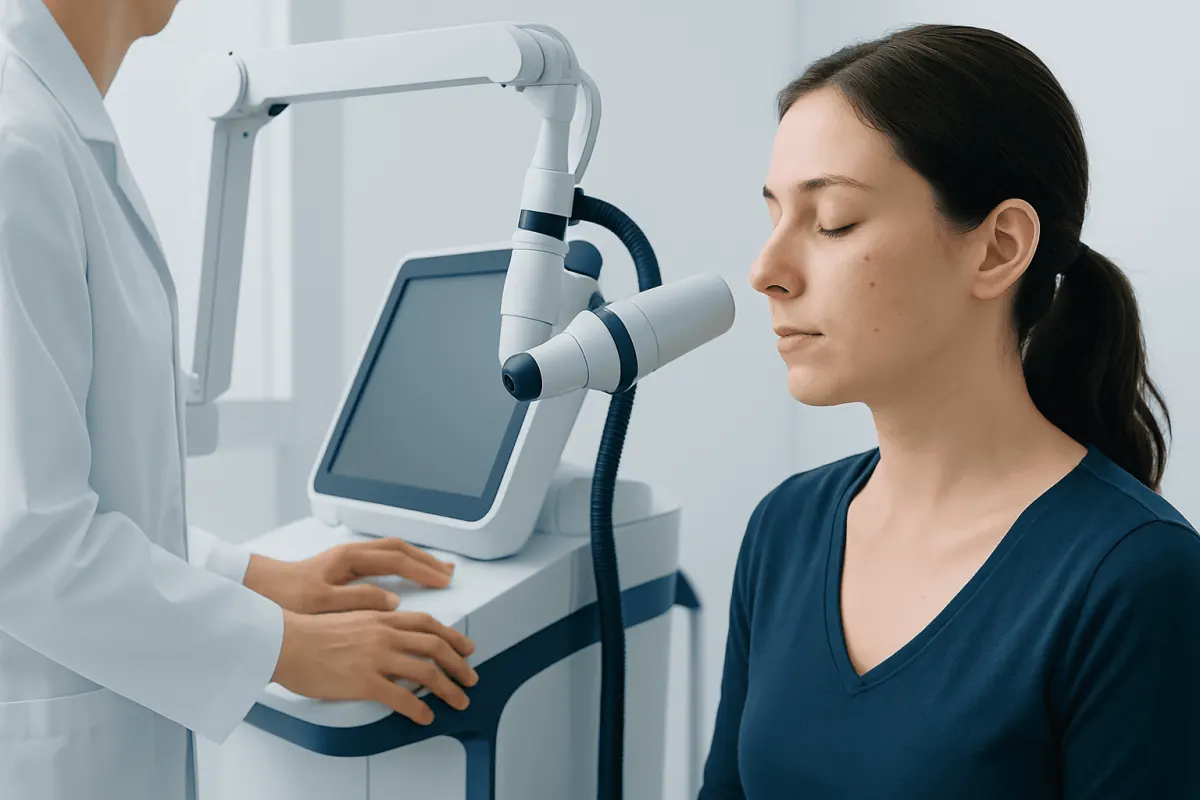
For a lesion that is persistent or concerning, a dermatologist may examine it closely and, if needed, take a small sample of skin for testing. This helps rule out conditions such as skin cancer and guides appropriate care. Early evaluation does not mean a serious cause is likely; it is a sensible way to clarify a non-healing skin change.
Acıbadem Health Point’s multidisciplinary specialists and JCI-accredited hospitals can assess skin concerns and coordinate care for international patients when further evaluation is needed.
Prevention and protecting healing skin
Preventing facial scabs starts with protecting the skin barrier. Use mild products suited to the person’s skin type, remove makeup gently, and introduce new skincare products one at a time. Avoid sharing razors, towels, cosmetics, or makeup applicators, particularly if an infection is possible.
For people who develop scabs from acne, avoiding squeezing is important. Consistent, non-irritating acne care can reduce new spots and the urge to pick. If acne is frequent, painful, or leaving marks, a dermatologist can discuss suitable options, including acne treatment.
Sun protection is also valuable. Regular use of shade, hats, and broad-spectrum sunscreen helps limit sun-related irritation and supports even fading of healing marks. It can also make new or changing skin lesions easier to notice.
People who find themselves repeatedly picking at facial skin may benefit from discussing this with a healthcare professional. Stress, anxiety, and skin discomfort can contribute to picking, and supportive strategies can address both the behavior and the underlying skin condition.
When to seek medical care
Medical care should be sought promptly if a facial scab is accompanied by rapidly spreading redness, marked swelling, worsening pain, pus-like drainage, fever, or swelling near the eye. Urgent assessment is also appropriate if there are vision changes, severe headache, or difficulty opening the eye.
A routine appointment is advisable if a scab does not show clear healing within a few weeks, repeatedly returns in the same location, bleeds easily, grows, changes color or shape, or has no obvious explanation. These changes often have treatable causes, but they should be examined rather than managed at home indefinitely.
Children, older adults, and people with diabetes, poor circulation, or a weakened immune system may need earlier advice for a suspected infection or slow-healing wound. A qualified clinician can review the skin, identify the cause, and recommend the safest next steps.
Frequently asked questions
01Are scabs on face normal?
Yes. A small facial scab commonly forms after a minor skin injury, acne spot, scratch, or irritated area and is usually part of normal healing. It should gradually become smaller and less tender. A scab that keeps returning, spreads, or does not heal should be assessed by a clinician.
02Should a facial scab be kept dry or moisturized?
For many minor superficial wounds, gentle cleansing followed by a thin layer of plain petroleum jelly can help protect the skin while it heals. Avoid harsh products that sting or dry the area excessively. If there is drainage, increasing redness, or concern about infection, seek medical advice rather than relying on home care.
03How long do scabs on the face take to heal?
Small uncomplicated scabs often improve over days to about two weeks, depending on the cause, depth of skin injury, and whether the area is disturbed. Picking, friction, infection, and continued irritation can prolong healing. A clinician should review a facial sore that is not clearly improving within a few weeks.
04Why do I keep getting scabs in the same spot on my face?
Repeated scabs may occur from ongoing acne, shaving irritation, eczema, contact allergy, recurrent cold sores, or habitual picking. Less commonly, a persistent lesion may need evaluation for sun-related skin changes or another skin condition. A dermatologist can identify the cause and recommend targeted treatment.
05Can I put makeup over a scab on my face?
It is best to avoid makeup on an open, bleeding, or draining area because products and applicators can irritate the wound or introduce bacteria. Once the skin has closed, gentle, non-comedogenic products may be used if they do not cause discomfort. Makeup should be removed carefully without rubbing or peeling the scab.
06Can a scab on the face leave a scar?
Many superficial scabs heal without a permanent scar, although temporary redness or darker pigmentation can remain for some time. Picking, repeated injury, infection, and deeper wounds increase the chance of scarring. Protecting the area from sun and allowing it to heal undisturbed can reduce the likelihood of lasting marks.
This article is for general information only and is not a substitute for professional medical advice. Please consult a qualified doctor about your individual situation.
Hair transplant in Turkey — costs, graft counts & a free assessment
JCI-accredited · board-certified surgeons · reply within 24h
Add us as a Preferred Source to see more of our trusted health content across Google Search, AI Overviews and Discover.