The Sacral Canal Protects Nerves for Legs, Bladder, and Bowel

If a scan report mentions your “sacral canal,” it can sound alarming. Most of the time, it isn’t.
The sacral canal is a bony channel running through the sacrum, the triangular bone at the base of your spine. It protects the lower spinal nerve roots that contribute to sensation, movement, and bladder, bowel, and sexual function. You only notice it when something affects those nerves or the structures around them.
Sacral canal: what it is and why it matters
The sacral canal is the continuation of the spinal canal inside the sacrum. The sacrum is the broad, triangular bone below the lumbar spine and above the tailbone. It forms the back part of the pelvis and helps transfer body weight from the spine to the hips.
Within the spinal canal, the spinal cord ends higher in the lower back for most adults. Below this point, a bundle of nerve roots travels downward before leaving through openings in the spine. In the sacral canal, these lower nerve roots are protected by bone, ligaments, and the coverings that contain cerebrospinal fluid.
Why does this small channel matter so much? Because the sacral nerves carry messages between your brain and your pelvic organs, the skin around your buttocks and genital area, and parts of your legs and feet. Still, seeing something about this area on an imaging report does not automatically mean there is a serious problem. What counts is your symptoms, what the examination shows, and what caused the change.
Anatomy of the sacral canal and sacral nerves
The sacrum is made of five vertebrae that normally fuse during development. The sacral canal begins at the upper part of the sacrum and travels downward through its center. It ends near the lower sacrum at an opening called the sacral hiatus. The canal is not the same shape or width in every person; normal anatomical variation is common.
Pairs of sacral nerves leave through small openings called sacral foramina. These nerves are commonly described as S1 through S5. The upper sacral roots contribute to leg movement and sensation, while lower roots have important roles in pelvic-floor function, sensation around the perineum, and control of the bladder and bowel.
The nerves from the lower back and sacrum work together, so symptoms don’t always point to one exact spinal level. Leg pain may come from irritation of a lumbar or a sacral nerve root. But numbness in the saddle area or a change in how your bladder works needs prompt assessment of the lower spinal nerves.
- S1: contributes to movement and sensation in the back of the leg and outer foot.
- S2-S4: contribute substantially to pelvic-floor, bowel, bladder, and sexual function.
- Sacral hiatus: is a lower opening sometimes used by clinicians for selected procedures, such as caudal epidural injections.
What symptoms can be related to the sacral canal?
A healthy sacral canal does not cause symptoms. Symptoms may develop when nerve roots are compressed, irritated, inflamed, injured, or affected by a mass, infection, bleeding, or congenital structural difference. The pattern depends on the nerve roots involved and the underlying condition.
Possible symptoms include pain in the lower back, buttock, hip, or leg; tingling, burning, or numbness; and weakness in part of a leg or foot. Symptoms may become more noticeable with standing, walking, sitting, coughing, or certain movements, although this varies considerably between conditions.
Changes involving lower sacral nerves deserve particular attention. These can include reduced sensation around the buttocks, inner thighs, genitals, or anus; difficulty starting urination; an inability to empty the bladder; loss of bowel control; or new loss of sexual sensation or function. These symptoms can occur for different reasons, but they should not be managed by self-diagnosis.
Most people with everyday low-back pain do not have a sacral canal disorder at all. Muscle strain, joint irritation, disc-related pain and hip problems can all feel similar. Talking through your history and examining you helps a doctor tell these apart.
Conditions that may affect the sacral canal
Several conditions can alter the space within or around the sacral canal. Degenerative changes in the lower spine, including disc bulging, arthritis of spinal joints, thickened ligaments, or narrowing of the spinal canal, may reduce room available for nerve tissue. This process is often discussed as spinal stenosis when narrowing is clinically relevant.
A disc herniation in the lower lumbar spine may press on nerve roots that travel toward the sacral canal. Trauma can cause sacral fractures or swelling, particularly after a fall, road-traffic injury, or high-impact event. Less commonly, cysts, benign or malignant tumors, infection, inflammatory conditions, or bleeding around the nerves can affect this region.
Some people are born with differences in spinal development. Spina bifida occulta, for example, is a relatively common finding in which part of the bony arch does not fully close and often causes no symptoms. Other congenital conditions may require specialist follow-up when they affect nerves or are associated with changes in bladder, bowel, leg strength, or walking.
Risk factors vary with the cause. Age-related spinal changes are more common later in life, while injury risk may rise with osteoporosis, falls, or high-impact activity. A history of cancer, immune suppression, intravenous drug use, recent serious infection, or anticoagulant medicines can be relevant when new back pain or neurological symptoms develop.
How clinicians assess sacral canal concerns
Assessment starts with a discussion of symptoms, their timing, and any recent injury, illness, or change in function. A clinician may ask about pain location, walking tolerance, altered sensation, leg weakness, urination, bowel habits, and medications. These questions are routine and help identify whether urgent evaluation is needed.
The physical examination may include observing walking and posture, checking leg strength and reflexes, and assessing sensation. Depending on the symptoms, a clinician may also assess perineal sensation or anal muscle tone. These examinations are performed sensitively and only when medically appropriate.
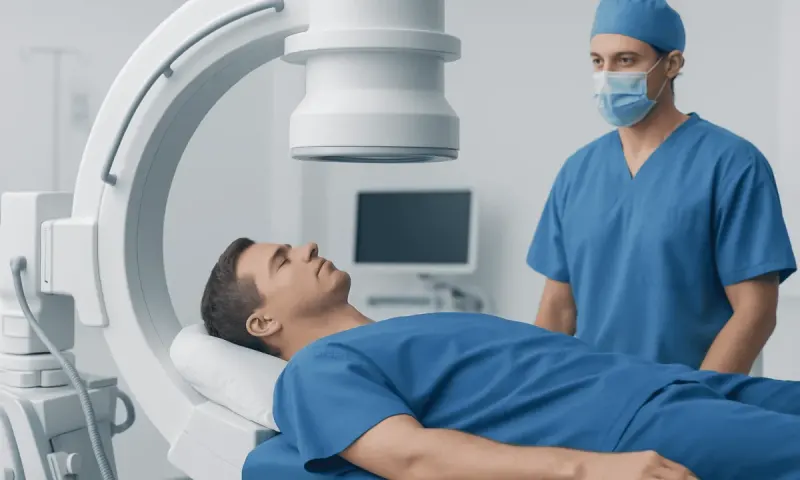
Imaging is selected according to the clinical situation. X-rays can help assess bone alignment or fractures, while magnetic resonance imaging (MRI) provides detailed views of nerves, discs, soft tissues, and the spinal canal. Computed tomography (CT) may be useful for detailed bone assessment or when MRI is unsuitable. Blood tests may be ordered if infection, inflammation, or another systemic illness is suspected.
A scan only means something when read next to your symptoms. Mild disc changes and narrowing show up in plenty of people who have no pain at all, and that becomes more common with age. The reverse is also true: if you develop significant neurological symptoms, you may need a timely review even if an earlier scan looked fine.
Treatment options depend on the underlying cause
Care for a sacral canal-related problem is directed at the cause and the effect on the nerves. For many non-urgent causes of low-back and nerve pain, an initial plan may include maintaining gentle activity as tolerated, avoiding prolonged bed rest, using clinician-recommended pain relief, and taking part in individualized physiotherapy or rehabilitation.
Physical therapy may focus on comfortable movement, core and hip strength, posture, walking tolerance, and strategies for daily activities. Treatment should be adjusted if it worsens radiating pain, weakness, or neurological symptoms. Heat or cold may provide temporary comfort for some people, but neither corrects nerve compression.
In selected cases, specialists may consider image-guided injections to reduce inflammation and help clarify the pain source. For certain lower-spine conditions, this may include epidural steroid injection treatment. The expected benefits, limitations, potential risks, and alternatives should be discussed before any procedure.
Surgery may be considered when there is substantial nerve compression, progressive weakness, spinal instability, some fractures, tumors, infections, or symptoms that do not improve with appropriate non-surgical care. Emergency surgical assessment may be needed when cauda equina syndrome is suspected. The best approach is individualized and may involve spine surgeons, neurologists, pain specialists, rehabilitation clinicians, and other professionals.
Supporting spinal and nerve health
Not every cause of sacral canal symptoms can be prevented, but everyday measures can support general spine health. Regular physical activity, gradual strengthening, and flexibility work can help maintain mobility. Activities should be chosen according to a person’s fitness, pain level, and medical conditions.
Using safe lifting techniques, varying positions during long periods of sitting or standing, and reducing fall risks may lower the chance of strain or injury. Adequate nutrition, including attention to bone health where appropriate, and avoiding tobacco can also support musculoskeletal health and healing.
If your back or leg symptoms keep coming back, don’t let repeated rest, unsupervised manipulation or unproven treatments take the place of a proper assessment. Jot down a short record of your symptoms, what triggers them, any numbness or weakness, and any bladder or bowel changes — it makes your consultation far more useful.
If you are travelling from abroad, Acıbadem Health Point’s multidisciplinary specialists and JCI-accredited hospitals can assess and treat spinal and nerve-related conditions when this is clinically indicated.
When to seek medical care
Medical advice is appropriate for back, buttock, or leg pain that persists, interferes with sleep or daily activities, recurs frequently, or is accompanied by numbness, tingling, or weakness. A clinician should also assess pain after a significant injury, particularly in Neurology Evaluation Is Important" class="ahp-ilk">older adults or people with known osteoporosis.
Urgent medical assessment is needed for new difficulty passing urine, loss of bladder or bowel control, numbness in the saddle area, rapidly worsening leg weakness, or severe back pain with fever or feeling unwell. These symptoms do not always indicate a serious condition, but they can signal pressure on important nerves or another problem requiring prompt treatment.
Emergency care is also appropriate after major trauma, or if severe pain occurs alongside unexplained weight loss, a history of cancer, or significant immune suppression. Early assessment helps clinicians identify the cause and recommend the safest next step.
Frequently asked questions
01Is the sacral canal part of the spinal canal?
Yes. The sacral canal is the lower continuation of the spinal canal inside the sacrum. It contains and protects nerve roots that travel to the pelvis, lower limbs, bladder, bowel, and genital region.
02Can a sacral canal problem cause leg pain?
It can. Irritation or compression of lower spinal nerve roots may cause pain, tingling, numbness, or weakness in the buttock, leg, or foot. However, leg pain can also arise from hip, muscle, blood vessel, or peripheral nerve conditions, so proper assessment is important.
03What does sacral canal stenosis mean?
Sacral canal stenosis describes narrowing of space in or near the lower spinal canal that may affect nerve roots. Narrowing on a scan does not always cause symptoms; clinicians consider the imaging result together with the person’s examination and symptoms.
04Can MRI show the sacral canal clearly?
MRI is often the preferred test for viewing nerve roots, discs, soft tissues, and the space within the spinal canal. CT may be used when detailed bone imaging is needed or MRI is not appropriate. The choice of test depends on the suspected cause and clinical circumstances.
05Are bladder or bowel changes always caused by the sacral canal?
No. Bladder and bowel changes have many possible causes, including urinary, gastrointestinal, medication-related, and neurological conditions. New changes occurring with severe back pain, saddle numbness, or leg weakness require urgent medical assessment.
06Can sacral canal conditions improve without surgery?
Many causes of lower-back and nerve pain improve with conservative care, such as guided activity, rehabilitation, and appropriate symptom management. Surgery is generally considered when there is significant nerve compression, progressive neurological loss, instability, or symptoms that do not respond to suitable non-surgical treatment.
This article is for general information only and is not a substitute for professional medical advice. Please consult a qualified doctor about your individual situation.
Persistent digestive symptoms? Get evaluated in Turkey
JCI-accredited · board-certified surgeons · reply within 24h
Add us as a Preferred Source to see more of our trusted health content across Google Search, AI Overviews and Discover.