Rubella Care Is Supportive While the Body Clears the Virus
Rubella treatment does not usually require an antiviral medicine because the infection typically resolves on its own. Care focuses on easing fever or discomfort, getting adequate rest and fluids, limiting contact with others, and seeking prompt specialist advice during pregnancy.
Rubella treatment: how it works and what to expect
Rubella treatment is supportive rather than curative: there is no routine antiviral medicine that removes the rubella virus. Most otherwise healthy people recover with rest, fluids and treatment for fever or aches when a qualified clinician considers it appropriate. Because rubella can be contagious and is particularly dangerous in pregnancy, preventing transmission is an important part of care.
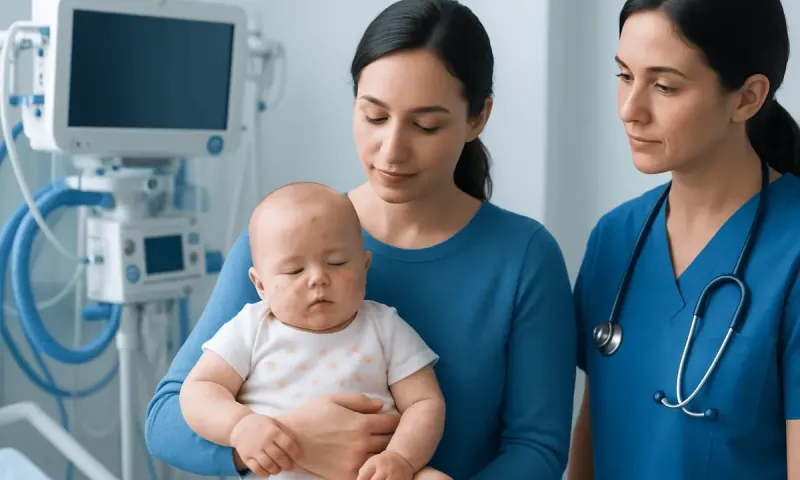
Rubella, sometimes called German measles, is a viral infection caused by the rubella virus. It often causes a mild illness, but symptoms can be subtle or absent, especially in children. A clinician should assess suspected rubella promptly in anyone who is pregnant, may be pregnant, has a weakened immune system, or has had close contact with a pregnant person.
Treatment plans are individualized according to age, symptoms, health history, pregnancy status and the likelihood of complications. The practical goals are to support recovery, recognize uncommon complications early and reduce the chance of passing the infection to others.
How rubella treatment works
Since antibiotics do not treat viral infections such as rubella, they are not used for rubella itself. A doctor may recommend supportive measures such as staying home, resting, drinking enough fluids and choosing light foods as tolerated. Fever, headache, joint discomfort or sore throat may be managed with appropriate non-prescription medicine if it is safe for the individual.
Medication choices need special care for children, pregnant people and people with liver, kidney, bleeding or stomach conditions, or those taking regular medicines. Aspirin should not be given to children or teenagers with viral illnesses unless specifically directed by a clinician because of the risk of Reye syndrome. Pregnant people should not start or change medication without advice from their obstetric care team.
Infection-control guidance is also part of treatment. A person with rubella is generally advised to avoid school, work, healthcare visits that are not essential, and close contact with others for seven days after the rash appears. In particular, they should avoid contact with pregnant people. Local public health guidance may differ, and a clinician can advise on testing, notification and isolation.
Who needs medical assessment for rubella?
Anyone with a new rash and symptoms consistent with rubella should contact a healthcare professional before attending a clinic in person, so infection-control arrangements can be made. Rubella can resemble other conditions that cause fever and rash, including measles, parvovirus infection, medication reactions and other viral illnesses. A reliable diagnosis cannot be made from the rash alone.
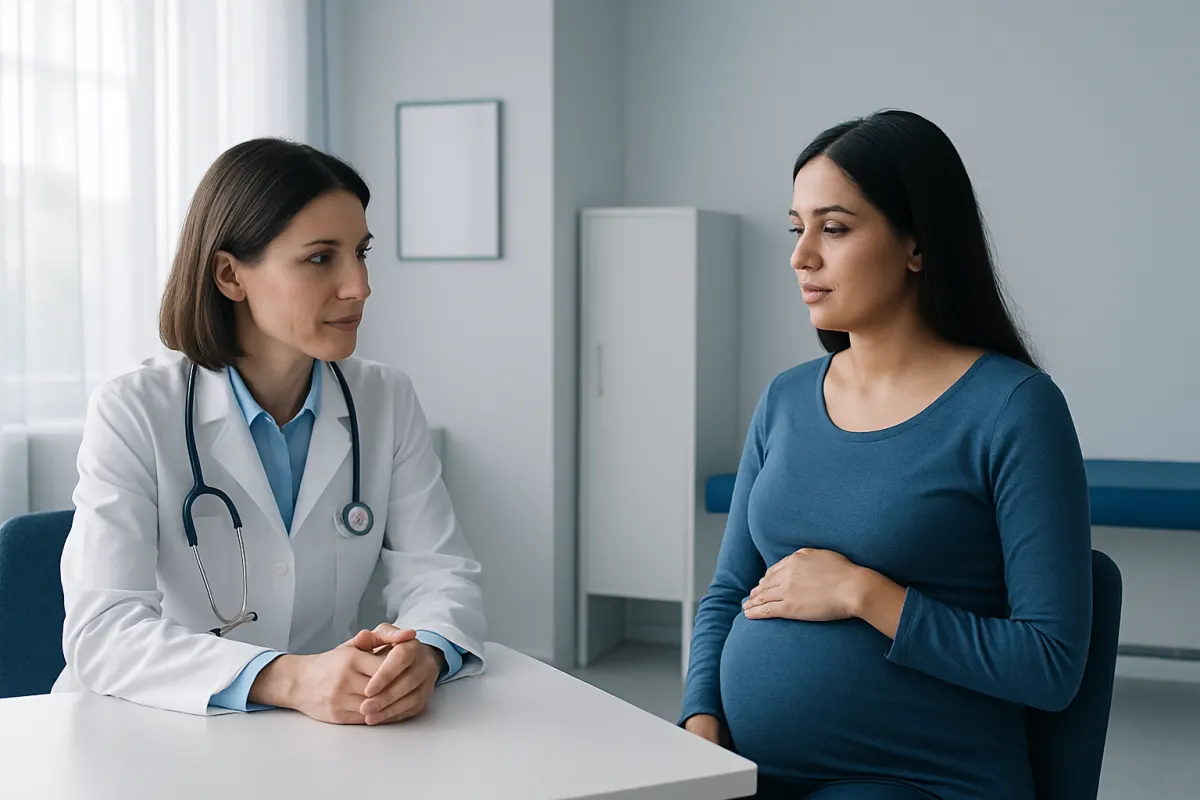
Assessment is especially important for people who are pregnant or trying to become pregnant, newborns, infants, people with immune suppression and adults with substantial joint pain or concerning symptoms. A doctor may also assess close contacts, particularly pregnant contacts, because exposure can require timely testing and counseling.
People who have had the recommended measles-mumps-rubella vaccination are less likely to develop rubella. However, vaccination history does not replace medical advice if symptoms or a known exposure occur, especially during pregnancy.
What happens during diagnosis and care?
There is no procedure involved here. Care starts with a conversation: your symptoms, vaccination history, travel, possible exposures, pregnancy status and any other medical conditions. The clinician may ask when the rash began, whether there was fever or swollen glands, and whether there has been contact with anyone who is pregnant.
Laboratory testing may be needed to confirm a suspected case. This can include blood tests that look for immune responses to rubella and, in some circumstances, testing designed to identify the virus. Results must be interpreted carefully, particularly in pregnancy, because timing and previous vaccination can affect what a test means.
Once the diagnosis is considered or confirmed, the care team explains symptom management, how long to limit contact with others and which changes require review. If pregnancy is involved, obstetric and infectious-disease specialists may coordinate further assessment and monitoring. This approach is important because risks to the fetus depend in part on the timing of infection during pregnancy.
Recovery timeline, benefits and possible risks
In uncomplicated cases, fever and general symptoms commonly settle over a few days. The characteristic pink or red rash often lasts around three days, although tiredness or joint aches can sometimes persist longer, particularly in adults. Recovery includes returning to usual activity gradually as energy returns and following the clinician’s advice on when it is safe to resume school, work and social contact.
The main benefits of appropriate rubella treatment are comfort, hydration, safer medication use and reduced transmission. Monitoring also helps ensure that a rash illness is correctly identified and that people at higher risk, especially pregnant people, receive the right care without delay.
Serious complications are uncommon, but rubella can occasionally be associated with bleeding related to low platelets or inflammation affecting the brain. The most important risk is congenital rubella syndrome when infection occurs during pregnancy, especially early in pregnancy. It can lead to miscarriage, stillbirth or lifelong health problems in the baby, including hearing, eye, heart and developmental problems.
How long does it take to get rid of rubella?
There is no medicine that immediately clears rubella from the body. Most people feel better within about a week, and the rash commonly fades within approximately three days. Some symptoms, such as fatigue or joint pain, may last longer in some adults.
Even when a person feels well, they should follow medical and public health advice about avoiding close contact with others. People with rubella are generally considered contagious from about seven days before the rash appears until seven days after it appears, although individual advice may vary.
Pregnant people or those exposed during pregnancy should not rely on a typical recovery timeline. They need individualized assessment from an obstetric clinician or infectious-disease specialist.
Which organ is affected by rubella?
Rubella is a whole-body viral infection rather than a disease of one organ. It commonly affects the skin, producing a spreading rash, and may affect lymph nodes, which can become swollen behind the ears or at the back of the neck. It can also cause fever, sore throat, headache and joint symptoms.
In rare cases, complications can involve the blood, joints or brain. During pregnancy, the virus may cross the placenta and affect the developing fetus. Congenital rubella syndrome can involve several organs, including the ears, eyes and heart.
Symptoms alone will not tell you which body systems are involved, so let a clinician evaluate anything concerning, and any suspected infection in pregnancy. Testing and follow-up tell you far more than guessing at home.
Is rubella a serious disease?
For many children and healthy adults, rubella is mild and resolves without lasting problems. However, it should still be taken seriously because it spreads between people and can be very harmful during pregnancy. A person may have few symptoms yet still transmit the virus.
Rubella infection in pregnancy can cause congenital rubella syndrome, particularly when infection occurs early in pregnancy. For this reason, suspected rubella, a new rash after exposure, or contact with someone with rubella should be discussed urgently with an obstetric care professional.
Severe complications in non-pregnant people are rare but possible. New neurological symptoms, unusual bruising or bleeding, difficulty breathing, marked dehydration, or a rapid worsening in condition needs urgent medical assessment.
What are 5 symptoms of rubella?
Five commonly recognized symptoms of rubella are a fine pink or red rash, mild fever, swollen lymph nodes behind the ears or in the neck, headache, and joint aches or pain. The rash often begins on the face and then spreads to the trunk and limbs. Not every person develops every symptom.
Other possible symptoms include sore throat, runny nose, red eyes, tiredness and loss of appetite. In children, the illness may be so mild that it is not recognized. Adults, especially women, may experience more noticeable joint symptoms.
These symptoms overlap with many other infections and non-infectious conditions. If you think you have rubella, phone a healthcare professional first instead of sitting in a waiting room — it protects everyone else there.
Prevention, self-care and when to seek medical care
The most effective prevention is vaccination with the measles-mumps-rubella vaccine, according to national immunization schedules. People planning pregnancy can ask their clinician to review their vaccination and immunity status beforehand. The live rubella-containing vaccine is not given during pregnancy, so individualized advice is important for anyone who is pregnant or could become pregnant.
At home, rest, fluids and comfort measures may help with mild illness. Skip sharing utensils and wash your hands well, but keeping your distance from others is what really limits spread. People with suspected or confirmed rubella should particularly avoid contact with pregnant people until they have received medical advice.
When to seek medical care: contact a clinician promptly for a suspected rubella rash, known exposure, pregnancy or possible pregnancy, a newborn with possible exposure, or symptoms in a person with reduced immunity. Seek urgent care for confusion, severe headache, seizures, breathing difficulty, severe weakness, signs of dehydration, unusual bruising or bleeding, or a rapidly worsening illness.
At Acıbadem Health Point, our specialists and JCI-accredited hospitals assess and treat infectious conditions, including rubella-related concerns, for patients travelling from abroad. Depending on your situation, primary care, infectious-disease, pediatric and obstetric doctors may all be part of your care.
Frequently asked questions
01Is there a specific cure for rubella?
There is no routine antiviral cure for rubella. Treatment generally focuses on rest, fluids and safe relief of fever or discomfort while the immune system clears the infection. A clinician should guide care for pregnant people, children and anyone with underlying health conditions.
02Can antibiotics treat rubella?
No. Rubella is caused by a virus, so antibiotics do not treat the infection itself. Antibiotics may only be considered if a doctor identifies a separate bacterial infection.
03How contagious is rubella?
Rubella spreads through respiratory droplets when an infected person coughs, sneezes or has close contact with others. A person can spread it before the rash appears and for about seven days after rash onset. Medical and local public health advice should be followed to reduce exposure to others.
04What should a pregnant person do after possible rubella exposure?
A pregnant person should contact their obstetric clinician or maternity service promptly after possible exposure, even if they feel well or have previously been vaccinated. The care team can review immunity records, arrange appropriate testing if needed and explain the next steps. They should avoid self-treatment and should not wait for a rash to develop before seeking advice.
05Can someone get rubella more than once?
Having rubella usually leads to long-lasting immunity, and vaccination is also highly effective at preventing infection. However, questions about immunity are best answered through vaccination records and, when appropriate, medical testing. This is particularly important before or during pregnancy.
06When can a child return to school after rubella?
A child should return only after they are well enough for usual activities and after following the clinician's or local public health authority's exclusion guidance. Many guidelines recommend staying away from school for seven days after the rash begins. Parents should call ahead for advice because recommendations can vary by location and outbreak situation.
This article is for general information only and is not a substitute for professional medical advice. Please consult a qualified doctor about your individual situation.
Persistent digestive symptoms? Get evaluated in Turkey
JCI-accredited · board-certified surgeons · reply within 24h
Add us as a Preferred Source to see more of our trusted health content across Google Search, AI Overviews and Discover.