Roux-en-Y vs Gastric Sleeve: Which Fits Your Needs?

Roux-en-Y gastric bypass and gastric sleeve are effective bariatric procedures, but they work differently. Gastric bypass reroutes part of the small intestine and usually has a stronger effect on reflux and metabolic disease, while sleeve surgery removes part of the stomach without intestinal bypass.
Roux-en-Y vs Gastric Sleeve: Side-by-Side Comparison
Roux-en-Y gastric bypass and sleeve gastrectomy are two common forms of bariatric surgery. Both reduce the amount of food a person can comfortably eat and change gut hormones involved in appetite, fullness and blood-sugar regulation. Neither is automatically “better” for every person; the most appropriate operation depends on health conditions, weight-related risks, reflux symptoms, previous surgery and long-term follow-up needs.
| Feature | Roux-en-Y gastric bypass | Gastric sleeve |
|---|---|---|
| What is changed | A small stomach pouch is created and connected to a lower part of the small intestine. | About 70% to 80% of the stomach is removed, leaving a narrow tube-shaped stomach. |
| How it works | Restricts intake and reduces absorption of some nutrients; also changes gut hormones. | Mainly restricts intake and changes gut hormones, without intestinal bypass. |
| Weight-loss pattern | Often somewhat greater average weight loss, particularly in the first years. | Substantial weight loss, with results that may be close to bypass for many people. |
| Acid reflux | Often improves reflux disease. | Can worsen existing reflux or cause new reflux in some people. |
| Nutrient monitoring | Higher risk of vitamin and mineral deficiencies due to bypassed intestine. | Still requires lifelong supplements and blood tests, with generally less malabsorption. |
| Anatomical complexity | More complex reconstruction of the digestive tract. | Does not reroute the intestine, but permanently removes part of the stomach. |
Both procedures are generally performed laparoscopically through several small abdominal incisions. They are permanent operations, although gastric bypass anatomy can sometimes be revised in selected circumstances. Sleeve surgery cannot be reversed because stomach tissue has been removed.
How Clinicians Tell the Procedures Apart
A clinician does not choose between procedures based on body weight alone. The assessment usually includes body mass index, obesity-related health conditions, medication use, previous abdominal operations, eating habits, mental wellbeing, alcohol and tobacco use, and a person’s readiness for lifelong nutrition and follow-up care. Blood tests and, when indicated, evaluation of the stomach and esophagus may also be recommended.
One key distinction is gastroesophageal reflux disease (GERD). People with frequent, troublesome reflux, inflammation of the esophagus or a large hiatal hernia may be better candidates for gastric bypass because it can reduce reflux exposure. By contrast, sleeve surgery may increase pressure within the stomach and can aggravate heartburn in some people. A clinician may investigate persistent reflux with endoscopy, pH monitoring or other tests before recommending a procedure.
Metabolic health is another consideration. Both operations can improve type 2 diabetes, high blood pressure, obstructive sleep apnea and fatty liver disease. Gastric bypass may be considered when a stronger metabolic effect is desirable, while sleeve surgery can be a suitable choice for many people with similar conditions. The decision should be individualized rather than based on a single diagnosis.
Which Is Better, Roux-en-Y or Gastric Sleeve?
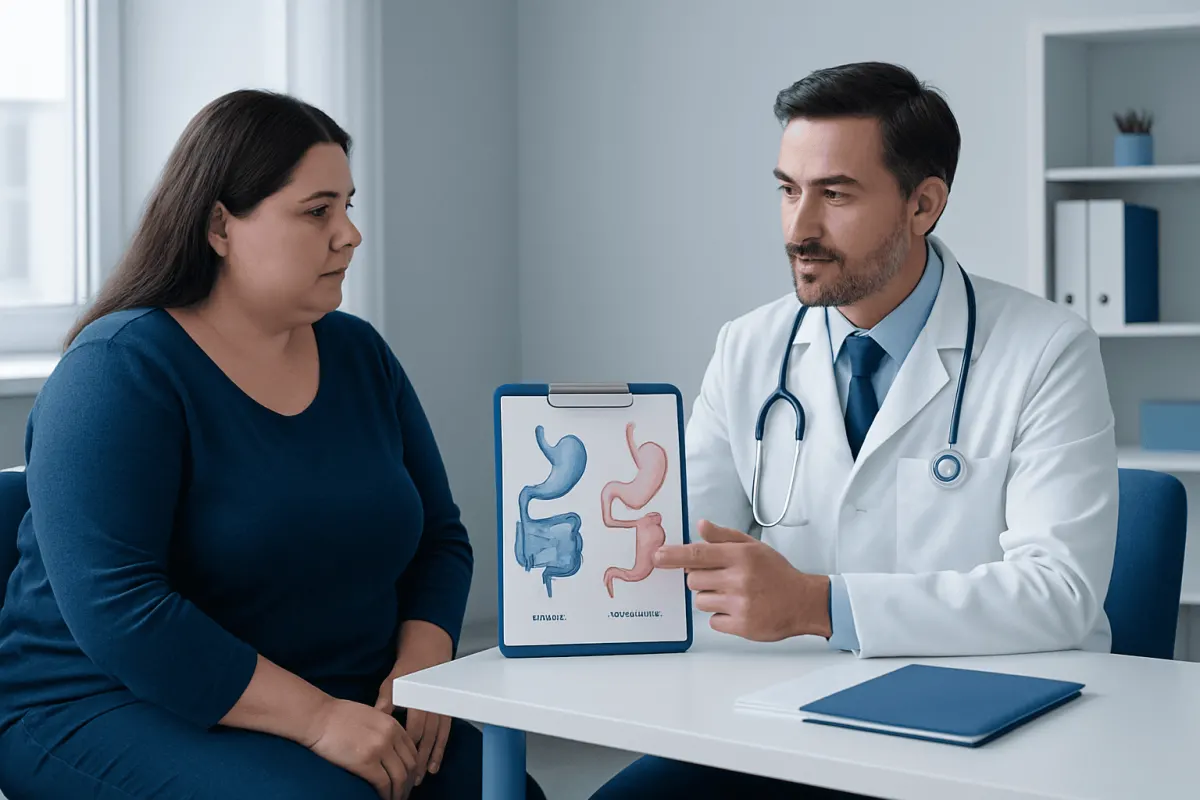
Neither Roux-en-Y gastric bypass nor gastric sleeve is universally better. Gastric bypass may be more suitable for a person with significant reflux disease, poorly controlled type 2 diabetes, or a need for a procedure with a stronger average effect on weight loss and metabolic outcomes. However, it also involves intestinal rerouting and a greater likelihood of nutrient deficiencies, dumping syndrome and some procedure-specific complications.
Gastric sleeve may suit a person who prefers not to have intestinal bypass, has no important reflux symptoms and can commit to dietary changes and regular follow-up. It is technically simpler than bypass, but it is still major surgery and can lead to reflux, narrowing of the sleeve, nutritional deficiencies or weight regain over time.
The best decision follows a shared discussion with a bariatric surgeon, dietitian and other relevant clinicians. A careful review of the benefits, limitations, alternatives and follow-up requirements is more useful than choosing based on a general ranking.
Which Bariatric Surgery Has the Highest Success Rate?
There is no single “success rate” that applies to all bariatric procedures because success can mean different things: weight loss, improvement in diabetes or blood pressure, relief of sleep apnea, quality of life, safety, or ability to maintain results long term. Roux-en-Y gastric bypass and sleeve gastrectomy are both established operations with strong evidence for meaningful weight loss and improvement of obesity-related health conditions.
On average, gastric bypass has often shown somewhat greater weight loss and metabolic improvement than sleeve surgery in comparative studies, especially for some people with type 2 diabetes or reflux disease. Yet individual outcomes vary widely. Consistent follow-up, adequate protein and micronutrient intake, physical activity, sleep, mental-health support and treatment of weight regain all influence long-term results.
Other procedures, including biliopancreatic diversion with duodenal switch, may produce greater average weight loss in selected patients but also carry higher nutritional demands and risks. A specialist team considers effectiveness together with safety, anatomy and a person’s capacity for lifelong monitoring.
How Much Weight Will I Lose With Roux-en-Y?
Weight loss after Roux-en-Y gastric bypass differs from person to person. Many patients lose a substantial portion of their excess body weight during the first 12 to 18 months, but the exact amount depends on starting weight, age, medical conditions, medications, activity, food choices and participation in long-term follow-up. A clinician can discuss realistic expectations using an individual assessment rather than a guarantee.
Weight commonly falls most rapidly during the first months after surgery, then slows as the body adapts. Some regain after the lowest weight is common and does not mean the operation has failed. Early attention to changes in hunger, eating patterns, medication needs and activity can help a care team identify useful supports.
Gastric bypass requires permanent nutritional planning. Patients usually need prescribed vitamin and mineral supplements, routine laboratory checks and adequate protein intake. Deficiencies in iron, vitamin B12, calcium, vitamin D and other nutrients can occur without consistent monitoring and treatment.
Do You Lose Weight Faster With Bypass or Sleeve?
Roux-en-Y gastric bypass may lead to faster and somewhat greater average weight loss than sleeve gastrectomy, particularly early after surgery. This difference is not the same for every patient, and both procedures can lead to meaningful weight reduction. The rate of loss should be monitored by the bariatric team to support hydration, nutrition and adjustment of medicines for diabetes or blood pressure.
Fast weight loss is not the only goal. Sustainable improvements in health, physical function and quality of life are more important than reaching a specific number quickly. An eating plan that progresses safely from liquids to solid foods, regular movement and scheduled follow-up visits support recovery and help protect muscle mass and nutritional status.
Patients should avoid comparing progress closely with others. Different starting points, body composition and medical needs mean that an appropriate result is individual. New vomiting, inability to keep fluids down, severe abdominal pain or fainting needs prompt medical assessment rather than waiting for a routine appointment.
What to Do for Each Case: Recovery, Self-Care and Follow-Up
After either operation, patients follow a staged nutrition plan designed by their surgical and dietetic team. This typically begins with liquids and gradually progresses to pureed, soft and then regular textured foods. Eating slowly, taking small bites, chewing thoroughly and stopping when comfortably full can reduce discomfort and support the new stomach anatomy.
After gastric bypass, avoiding high-sugar foods and drinks can help reduce dumping syndrome, which may cause cramping, nausea, diarrhea, sweating, dizziness or palpitations after eating. After sleeve surgery, people with heartburn should report symptoms early; lifestyle measures and medication may help, but persistent reflux needs clinical review. Both groups should avoid smoking, limit alcohol according to medical advice and use anti-inflammatory pain medicines only when approved by their clinician.
Follow-up is lifelong. It includes review of weight trends, eating tolerance, mental wellbeing, medications and blood tests for nutritional deficiencies. Nutritional counseling and structured support are useful if weight loss slows, weight returns, emotional eating develops or food intake becomes difficult. Relevant plans may include bariatric surgery care and ongoing medical nutrition support.
Acıbadem Health Point’s multidisciplinary specialists and JCI-accredited hospitals provide assessment and treatment planning for international patients considering bariatric surgery. The right pathway should always be based on an in-person medical evaluation and informed discussion with qualified clinicians.
When to Seek Medical Care
Anyone considering weight-loss surgery should seek assessment from a qualified bariatric team rather than relying on online comparisons alone. A doctor can evaluate whether surgery is appropriate, discuss non-surgical options and identify conditions that may affect the choice of procedure, including reflux disease, diabetes, sleep apnea, anemia or mental-health concerns.
After surgery, urgent medical care is important for severe or worsening abdominal or chest pain, shortness of breath, fever, repeated vomiting, inability to drink fluids, black stools, vomiting blood, a very fast heartbeat, fainting or signs of dehydration. These symptoms may have different causes, but they should be assessed promptly.
Routine medical review is also advisable for persistent heartburn, trouble swallowing, ongoing diarrhea, numbness or unusual fatigue, hair loss beyond the expected early postoperative period, or unplanned weight regain. These symptoms can sometimes indicate nutritional deficiencies, medication issues, reflux or another condition that can be treated.
Frequently asked questions
01Is Roux-en-Y gastric bypass safer than gastric sleeve?
Both procedures are established bariatric operations, and both have potential benefits and risks. Safety depends on the person’s overall health, the experience of the surgical center, appropriate preparation and reliable follow-up. Gastric bypass is more complex and has different long-term nutritional risks, while sleeve surgery has a greater concern for reflux in some patients.
02Can gastric sleeve be converted to Roux-en-Y gastric bypass?
In selected cases, a sleeve can be revised to gastric bypass. This may be considered for severe reflux, inadequate weight loss, weight regain or other complications after careful evaluation. Revision surgery is more complex than a first operation, so the potential benefits and risks need specialist discussion.
03Will reflux go away after Roux-en-Y gastric bypass?
Gastric bypass often improves reflux symptoms and may be recommended for people with significant GERD. However, it cannot guarantee complete relief, and some symptoms may have causes other than acid reflux. Persistent or new symptoms after surgery should be assessed by a clinician.
04Do patients need vitamins after gastric sleeve and gastric bypass?
Yes. Both operations require lifelong vitamin and mineral supplementation and regular blood testing because reduced food intake can lead to deficiencies. The supplement plan is usually more intensive after gastric bypass because part of the small intestine is bypassed.
05Can weight come back after gastric bypass or sleeve surgery?
Some weight regain after the lowest postoperative weight is common and can occur after either procedure. It may relate to normal biological adaptation, changes in eating habits, reduced activity, medication effects or anatomical factors. Early follow-up with a bariatric team can help identify supportive treatment options.
06How long is recovery after Roux-en-Y or gastric sleeve surgery?
Recovery time varies with the procedure, surgical approach, overall health and type of work. Many people return to light daily activities relatively soon, but advancing diet, rebuilding stamina and adapting to new eating habits takes longer. The surgical team provides individualized instructions about activity, work and follow-up appointments.
This article is for general information only and is not a substitute for professional medical advice. Please consult a qualified doctor about your individual situation.
Medical weight-loss options in Turkey — costs & eligibility
JCI-accredited · board-certified surgeons · reply within 24h
Add us as a Preferred Source to see more of our trusted health content across Google Search, AI Overviews and Discover.