Roofied: Signs, Symptoms and What to Do

Key Takeaways
- “Roofied” is a common term for suspected drink spiking, not a medical diagnosis.
- Symptoms can include sudden dizziness, confusion, sedation, slurred speech, nausea, and memory gaps.
- Fast action matters: get to a safe place, seek medical care, and preserve possible evidence when appropriate.
- Testing is time-sensitive, and a normal result does not always rule out exposure.
- Emotional support and follow-up care are important after a suspected drugging incident.
Being “roofied” usually means a drink has been tampered with using a substance that causes rapid drowsiness, confusion, or memory gaps. Quick medical attention can help with safety, testing, and support after a suspected incident.
Overview
The word “roofied” is commonly used to describe a situation in which a person’s drink may have been altered with a sedating or impairing substance without their knowledge. It is a lay term, not a formal medical diagnosis, but it captures a serious safety concern: sudden changes in alertness, judgment, or memory that are out of proportion to the amount of alcohol or food consumed.
Because several substances can cause similar symptoms, the first priority is not identifying the exact agent on the spot. The practical goal is to get the person to a safer environment, arrange medical assessment, and document what happened as soon as possible. For international patients or travelers, this can feel especially disorienting; a local emergency department or urgent care clinic can still begin evaluation, even if follow-up later needs to happen back home.
In clinical terms, healthcare professionals may think about alcohol, sedatives, antihistamines, or other drugs that can produce abrupt drowsiness, confusion, and impaired coordination. The pattern, timing, and associated symptoms help guide care, but the response is centered on safety first.
Symptoms
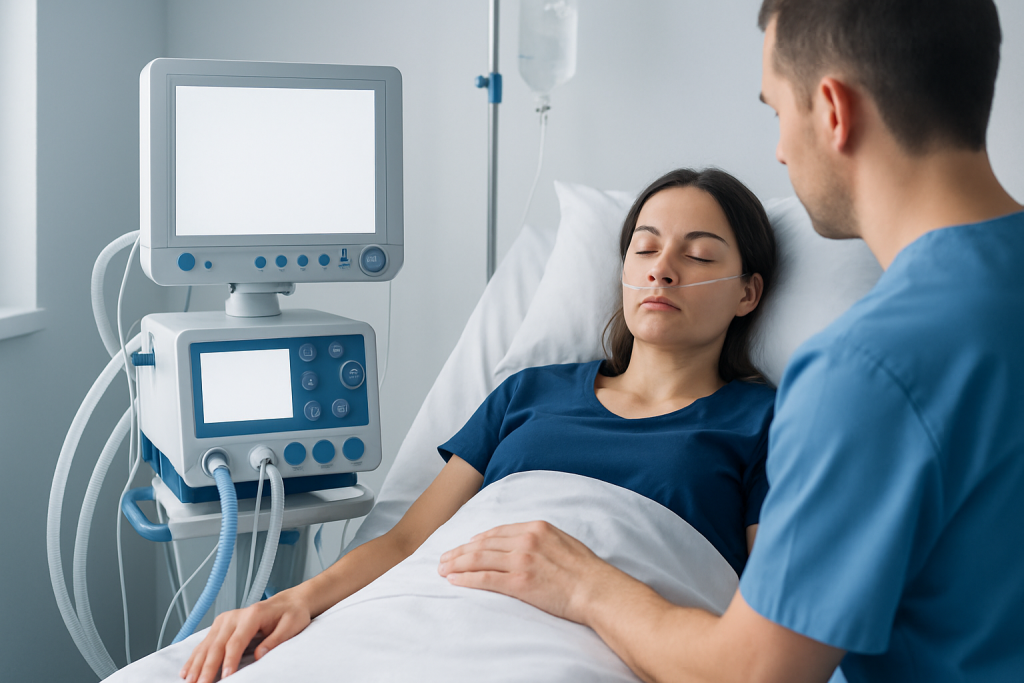
Symptoms of suspected drink spiking often appear quickly and may feel unusual for the amount of alcohol consumed. A person may seem suddenly much more intoxicated than expected, become unsteady on their feet, or struggle to keep their eyes open. Some people describe a “foggy” state, as if thinking has slowed or words are difficult to find.
Memory problems are common and can be one of the most concerning clues. Someone may have gaps in recall, lose track of events, or wake up unable to remember parts of the evening. Other possible symptoms include:
- Slurred speech
- Confusion or disorientation
- Nausea or vomiting
- Weakness or loss of coordination
- Unusual sleepiness or difficulty staying awake
- Anxiety, panic, or a sense that something is wrong
Severe symptoms such as trouble breathing, chest pain, seizure, or collapse require emergency help right away. Even if the person improves later, the episode still deserves medical review because some substances leave the body quickly and because injuries can happen while someone is impaired.
Causes & Risk Factors

There is no single substance behind every case of suspected drugging. Alcohol is a frequent contributor, especially when it is combined with sedating medications or other substances. Some people may also be exposed to prescription sedatives, antihistamines, muscle relaxants, or illicit drugs that can intensify drowsiness and confusion.
Certain situations may increase the risk of drink tampering or make it harder to notice early signs. Crowded venues, dim lighting, distractions, shared drinks, and leaving a beverage unattended can all create opportunities for interference. People who are traveling, unfamiliar with a city, or attending events in a language they do not speak fluently may face extra barriers to getting help quickly.
It is important to remember that symptoms do not prove intent. A person can become suddenly very unwell from a medication interaction, dehydration, alcohol overdose, or another medical issue. That is why clinicians focus on a careful assessment rather than assumptions.
Diagnosis
Diagnosis begins with a clinical conversation about what happened, when the symptoms started, and what was consumed before the episode. If the person is still drowsy or confused, a companion can help by providing a timeline, saved receipts, photos of the drink container, or messages from the evening.
Doctors may check vital signs, mental status, blood sugar, and signs of injury. Depending on the situation, they may also order urine or blood toxicology testing. These tests can sometimes detect alcohol or certain drugs, but the detection window may be short, and not every possible substance is included on standard panels.
That limitation matters. A negative test does not always rule out drugging, especially if testing is delayed. Even so, evaluation is still worthwhile because it can identify dehydration, head injury, aspiration risk, or other treatable problems, and it creates a medical record of the event.
Treatment Options
Treatment depends on the person’s symptoms and overall condition. Many cases are managed with observation, hydration, and supportive care while the body clears the substance. If there is concern about overdose, breathing problems, severe sedation, or another emergency, hospital care may be needed.
Medical teams may provide oxygen, intravenous fluids, anti-nausea medication, or monitoring of heart rate and blood pressure. If injuries occurred during the episode, those are treated as well. In some cases, clinicians may also discuss preventive treatment after a possible assault, including testing or prophylaxis for certain infections when medically appropriate.
Equally important is emotional and practical support. A suspected drugging can leave a person shaken, embarrassed, or unsure what to do next. Supportive care may include crisis counseling, referral to sexual assault services, help with documentation, and advice on local reporting options if the person chooses to pursue them.
Prevention & Self-care
No method can guarantee safety, but a few habits can reduce risk in social settings. Keeping an eye on drinks, accepting beverages only from trusted sources, and avoiding shared or unattended drinks are sensible steps. If a drink tastes, looks, or smells unusual, it should be discarded rather than tested by taste.
For self-care after a suspected incident, the immediate aim is to stay with trusted people and avoid being alone. If possible, the person should keep any remaining drink, the glass, the receipt, and the clothing worn that night in case testing or a report is later desired. A change of clothes, showering, or cleaning up may be emotionally comforting, but if forensic evidence is a concern, it is often better to follow local guidance before discarding items.
Travelers may want to save the address of the nearest emergency department and know how to call local emergency services before going out. A simple plan — a charged phone, a ride home arrangement, and a contact person who can be reached at any hour — can make a difficult situation more manageable.
When to See a Doctor
Medical care should be sought promptly if a person has sudden severe drowsiness, confusion, repeated vomiting, trouble walking, fainting, breathing difficulty, or any loss of consciousness after drinking. A doctor should also be seen if memory loss, injury, or unusual behavior follows an event in which drink tampering is suspected.
Even when the symptoms are improving, a same-day evaluation is still wise because timing affects testing and because some complications are not obvious at first. If the person may have been sexually assaulted or cannot remember part of the night, emergency care can help with both medical stabilization and access to specialized support.
For those traveling from another country, a coordinated medical center can be especially helpful because it can organize urgent assessment, laboratory testing, and follow-up planning. At Acibadem Health Point, multidisciplinary specialists in JCI-accredited hospitals can diagnose and treat patients who need evaluation after suspected drink spiking, while helping international patients navigate care and recovery.
What Recovery Can Look Like
Recovery varies depending on the substance involved, the amount, and whether alcohol or another drug was also present. Some people feel back to normal within hours, while others experience a lingering headache, fatigue, anxiety, or shame for a day or two. Those reactions are understandable and do not mean the experience was “just stress.”
Follow-up is useful if symptoms persist, injuries were sustained, or the person has trouble sleeping, eating, or returning to routine. A clinician may suggest checking for concussion, dehydration, or medication interactions, and may recommend counseling if the event was traumatic. When travel is involved, arranging a follow-up appointment before departure can reduce the chance that important symptoms are missed later.
Most importantly, suspected drink spiking is a situation where acting early is more valuable than trying to solve the whole mystery alone. Safety, medical review, and support come before certainty about the exact substance.
Practical Next Steps After a Suspected Episode
When someone thinks they may have been roofied, a simple sequence can help: move to a safe place, contact a trusted person, and seek medical assessment as soon as possible. If the person is too drowsy to speak clearly, a companion should stay with them and call emergency services if breathing, consciousness, or behavior seems unsafe.
If there is concern about evidence, keep the drink container, note the time symptoms began, and avoid delays in care. If the person is in another city or country, a local hospital can still provide immediate stabilization and basic testing even if the final documentation or longer-term follow-up happens elsewhere. The most important outcome is getting timely, compassionate care.
Frequently asked questions
01What does “roofied” mean?
It is a slang term people use when they suspect a drink was tampered with using a drug or other substance that caused sudden impairment. It is not a medical diagnosis, but it signals a situation that may need urgent attention.
02How can someone tell if they were roofied or just very drunk?
The clue is often a sudden, unusually strong effect that does not match the amount of alcohol consumed, especially if confusion or memory loss appears quickly. However, symptoms can overlap, so a healthcare professional is the best person to assess the situation.
03How soon should medical testing happen?
As soon as possible, because some substances leave the body quickly and testing can become less useful over time. Even if testing is delayed, a medical visit can still document symptoms and check for injury or other problems.
04Can a blood or urine test prove drink spiking?
Sometimes it can detect a substance, but not always. A negative result does not rule out drugging, especially if enough time has passed or the substance is not included on the test panel.
05What should someone do first after suspecting they were roofied?
Get to a safe place with trusted people and seek medical care promptly. If the person is very sleepy, confused, or hard to wake, emergency services should be called immediately.
06Is there treatment after a suspected roofie event?
Treatment is usually supportive and based on symptoms, such as monitoring, fluids, or anti-nausea care. If there was a possible assault or injury, doctors may also provide additional evaluations and referrals.
This article is for general information only and is not a substitute for professional medical advice. Please consult a qualified doctor about your individual situation.
Persistent digestive symptoms? Get evaluated in Turkey
JCI-accredited · board-certified surgeons · reply within 24h
Add us as a Preferred Source to see more of our trusted health content across Google Search, AI Overviews and Discover.