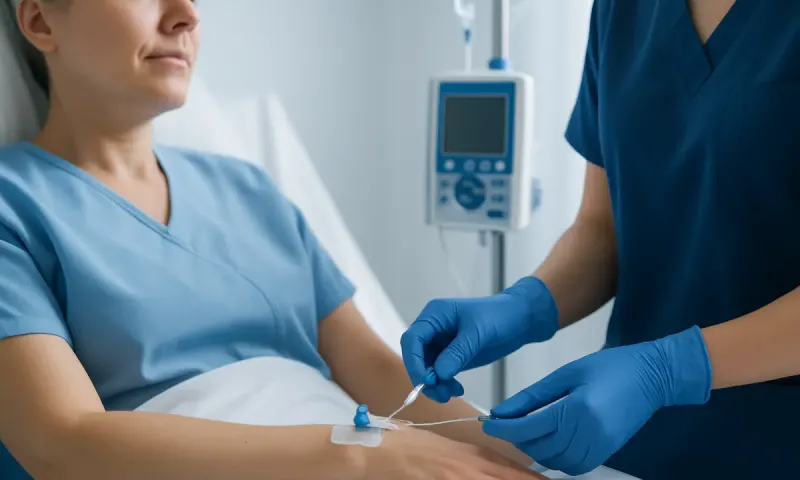
Ripped Stitches: When a Reopened Wound Needs Care

Ripped stitches can occur when the thread breaks, comes loose, or the wound edges separate before healing is complete. A small superficial opening may be manageable with protective care and prompt medical advice, but a deep, widening, bleeding, or infected-looking wound needs urgent assessment.
Ripped Stitches: What It Usually Means
Ripped stitches usually refers to sutures that have broken, loosened, pulled through the skin, or are no longer holding the edges of a wound together. Sometimes only one stitch is affected and the wound remains closed. In other cases, the skin edges separate, which clinicians call wound dehiscence.
Not every loose or missing stitch is an emergency, particularly if the cut is shallow, dry, and still well closed. However, it is important not to judge a reopened wound by appearance alone. The depth of the wound, its location, the time since surgery or injury, and the person’s overall health all affect what care is needed.
Stitches are used after injuries and many procedures to keep tissues aligned while the body repairs them. The skin may look healed before deeper layers have regained strength, so following activity restrictions remains important even when discomfort has improved.
How to Recognize a Wound That Has Opened
A stitch may appear broken when a thread is visibly snapped, a knot has come undone, or a thread has pulled through the skin. A wound may be opening when there is a new gap between the edges, deeper tissue becomes visible, or drainage appears from an area that was previously sealed.
Some mild tenderness, bruising, itching, or a small amount of clear or pale pink drainage can occur during normal healing. These changes should gradually improve rather than become more noticeable. A small scab or dry crust around a stitch can also be common and does not necessarily mean the stitch has failed.
Changes that deserve medical advice include a gap that is widening, ongoing bleeding, increasing swelling, new or worsening pain, warmth, redness spreading beyond the wound, cloudy drainage, pus, or an unpleasant smell. For surgical wounds, a new bulge or fluid leakage should also be reported.
- Superficial separation: the top skin layer has a small gap, with no deep tissue visible.
- Deeper separation: the wound appears open below the skin surface or its edges no longer meet.
- Complete opening: a serious emergency, particularly after abdominal surgery, requiring immediate care.
Why Stitches Can Rip, Loosen or Pull Through
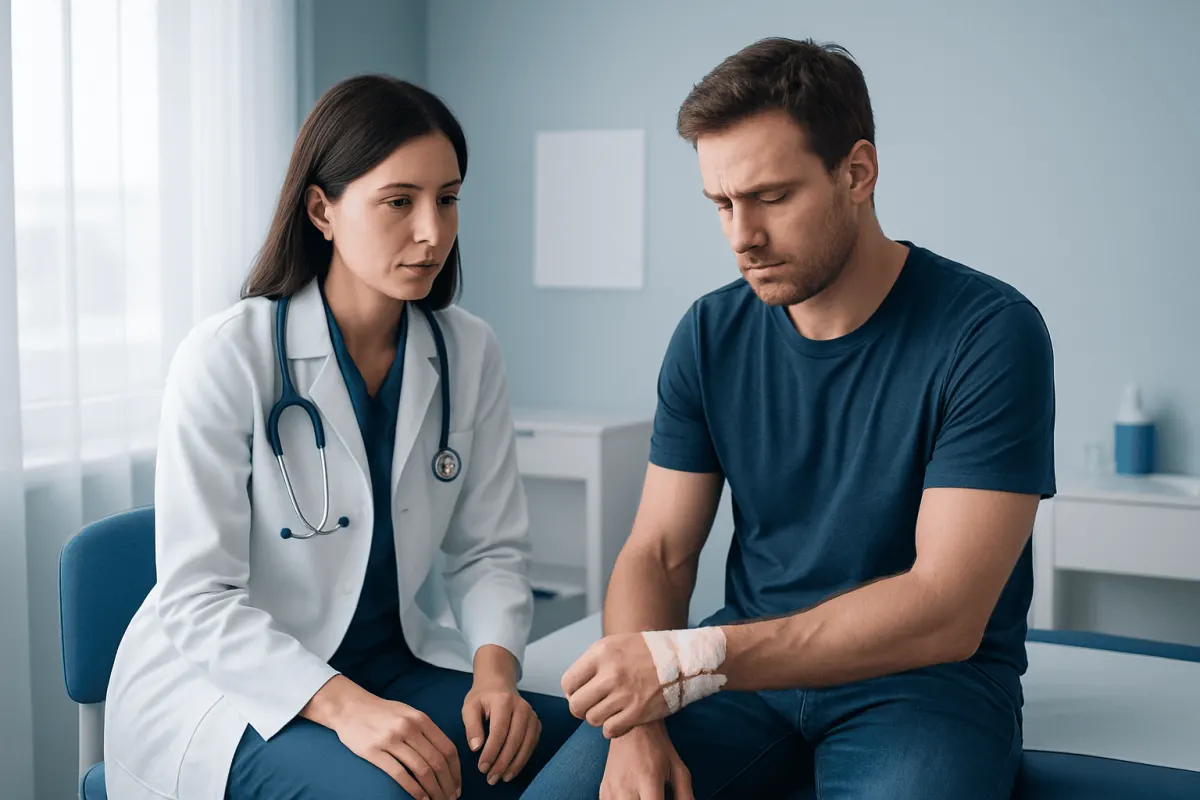
Stitches may be affected by movement, friction, accidental pulling, or pressure on the healing area. Coughing, vomiting, constipation and straining can increase pressure on abdominal wounds. Reaching, lifting, vigorous exercise, or repeated bending can place tension on wounds in other parts of the body.
Healing can also be slower when a wound becomes infected, has reduced blood supply, or is exposed to moisture and irritation. Smoking and nicotine products can impair circulation and tissue repair. Conditions such as diabetes, poor nutrition, immune-system disorders, and some medicines that affect immunity or healing may increase the risk of wound problems.
In some cases, a dissolvable stitch becomes visible as it works its way toward the surface. This can look concerning, but it is not always a ripped stitch. A clinician can determine whether a visible thread should be trimmed, removed, or simply monitored.
The timing matters. A wound that opens soon after a procedure may need different care from one in which a stitch loosens near the planned removal date. For this reason, the operating team, treating clinician, or another qualified healthcare professional should be contacted for individualized guidance.
What to Do Straight Away
If stitches appear ripped or the wound edges have separated, wash hands thoroughly before touching the surrounding skin. Avoid probing the opening, pulling on a loose thread, or trying to push tissue back into place. Do not use household glue, adhesive tape, powders, ointments, alcohol, hydrogen peroxide, or antiseptics unless the treating team has specifically advised them.
If there is bleeding, apply gentle, steady pressure with clean gauze or a clean cloth. Cover the wound with a sterile non-stick dressing if available, without pressing deeply into an opening. Keep the area dry and avoid activities that stretch or pull on it while seeking advice.
Contact the clinician who placed the stitches as soon as possible, ideally the same day, for guidance. They may ask for details about the wound, how long ago the procedure occurred, the amount of separation, drainage, pain, and any fever. They may recommend an in-person examination rather than a photograph alone.
A wound should not be re-stitched without assessment. Depending on the situation, a clinician may use dressings, adhesive strips, a different closure method, drainage treatment, or allow the wound to heal gradually from the base upward. The appropriate approach depends on whether the wound is clean, infected, recent, deep, or under tension.
Medical Assessment and Treatment
During an assessment, a healthcare professional will examine the wound’s depth, the condition of the surrounding skin, the amount of drainage, and whether the wound is infected. They may ask about recent activity, injury to the area, medical conditions, medicines, smoking, and the original procedure or injury.
If infection is suspected, the clinician may clean the wound, take a sample of drainage in selected cases, and discuss whether antibiotics or another treatment is appropriate. Antibiotics are not routinely needed for every loose stitch; they are used when there is evidence or a significant risk of bacterial infection.
For some small, clean, superficial openings, regular dressings and follow-up are sufficient. A larger or deeper wound may need surgical review, especially after an operation. In the uncommon event that an abdominal wound opens and internal tissue is visible, emergency surgical care is essential.
People with a cut caused by an accident may also need assessment of tetanus vaccination status, depending on the type of wound and previous immunizations. Professional wound care helps reduce complications and supports healing with the best possible cosmetic and functional result.
Supporting Healing and Preventing Further Separation
Follow the wound-care plan provided by the treating team, including instructions on bathing, dressing changes, activity, and stitch removal. Keep follow-up appointments even if the wound seems to be doing well. Stitches removed too early can allow a wound to reopen, while stitches left in too long may become more difficult to remove or leave more noticeable marks.
Protect the wound from stretching and impact. This may mean avoiding lifting, sports, swimming, or movements that strain the affected area until the clinician confirms these activities are safe. If coughing or sneezing is uncomfortable after abdominal surgery, supporting the area with a pillow may reduce pulling; the surgical team can advise on safe techniques.
Good general health supports tissue repair. Eating regular, balanced meals with adequate protein, drinking enough fluids when medically appropriate, managing long-term conditions, and avoiding smoking or nicotine products can all help. People with diabetes should follow their care plan to keep blood glucose within their clinician’s recommended range.
It is also important to avoid unnecessary wound products. Many wounds heal best when they are gently cleaned as advised and covered with an appropriate dressing rather than repeatedly treated with strong chemicals. If there is uncertainty about a product, a pharmacist or healthcare professional can provide guidance.
When to Seek Medical Care
Seek urgent medical attention now if the wound is deeply open, bleeding does not stop with steady pressure, tissue beneath the skin is visible, or there is a sudden opening after abdominal or chest surgery. Emergency care is also needed if organs or internal tissue are visible; cover the area gently with a clean, moist sterile dressing if available and call emergency services.
Contact a doctor or surgical team promptly, preferably the same day, for a new gap in the wound, loose stitches with separated edges, increasing redness or pain, swelling, pus-like drainage, a bad odor, fever, or chills. Children, older adults, and people with diabetes, immune suppression, or circulation problems may need earlier assessment.
Acıbadem Health Point’s multidisciplinary specialists and JCI-accredited hospitals can assess surgical wound concerns and coordinate appropriate care for international patients. However, anyone with signs of a severe wound opening or uncontrolled bleeding should seek the nearest emergency service without delay.
Frequently asked questions
01Can ripped stitches heal on their own?
A small superficial opening may heal with appropriate dressings and monitoring, but it should still be discussed with a healthcare professional. A deep, widening, bleeding, or infected wound needs assessment and may require treatment to prevent complications.
02Should a loose stitch be removed at home?
No. A person should not pull, cut, or remove a loose stitch unless a clinician has instructed them to do so. Even a loose thread may still be supporting part of the healing wound.
03What does a wound infection around stitches look like?
Possible signs include increasing redness, warmth, swelling, worsening pain, cloudy or pus-like drainage, a bad smell, and fever. Mild itchiness or a small amount of clear drainage can happen during healing, but worsening symptoms should be reviewed promptly.
04Can I put adhesive strips over an opened wound?
Adhesive strips are sometimes used for minor superficial separations, but they are not suitable for every wound. It is safest to cover the area with a clean dressing and ask the treating clinician whether strips are appropriate.
05How long are stitches at risk of ripping?
The risk is greatest before the wound has built enough strength, which varies by body location, wound depth, type of procedure, and personal healing factors. A healthcare professional can provide activity guidance and tell the person when the wound is sufficiently healed.
06Does a broken dissolvable stitch always mean there is a problem?
Not necessarily. Dissolvable sutures are designed to break down over time, and a small piece may become visible as it dissolves. If the wound opens, becomes painful, drains, or looks infected, it should be assessed by a clinician.
This article is for general information only and is not a substitute for professional medical advice. Please consult a qualified doctor about your individual situation.
Explore treatments in Turkey — costs, top hospitals & a free quote
JCI-accredited · board-certified surgeons · reply within 24h
Add us as a Preferred Source to see more of our trusted health content across Google Search, AI Overviews and Discover.