Ringworm Treatment in Humans: Creams and Tablets
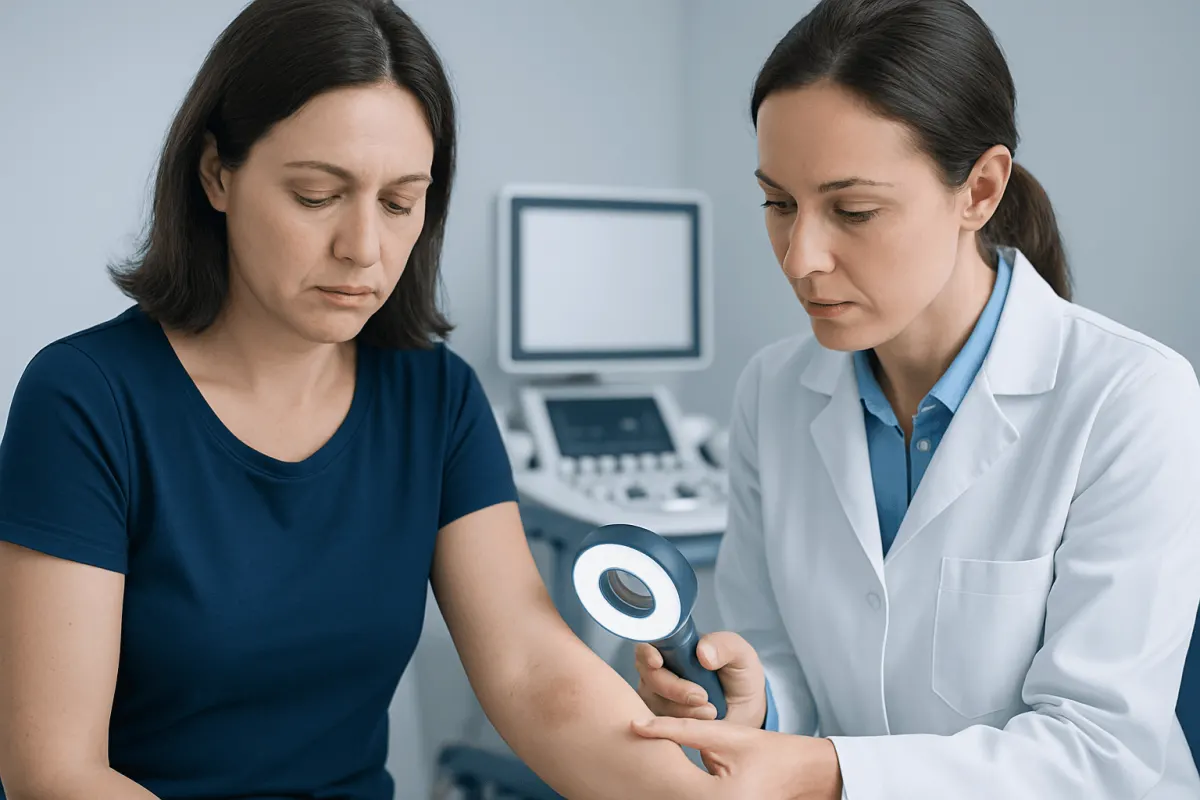
Treatment for ringworm in humans uses antifungal medicine to clear a common fungal skin infection. Most mild skin infections improve with a correctly used topical antifungal, while scalp, nail, extensive, or persistent infections may need prescription oral treatment.
Overview: Treatment for Ringworm in Humans
Treatment for ringworm in humans depends on where the infection is located and how extensive it is. Ringworm is caused by dermatophytes, a group of fungi that live on keratin in the outer skin, hair, and nails. Despite its name, it is not caused by a worm. Antifungal creams, lotions, powders, or sprays can treat many mild infections on the skin, while oral antifungal medicine is usually needed for infections of the scalp, beard area, or nails.
Ringworm may appear as an itchy, scaly, expanding rash, sometimes with a clearer center and raised border. The appearance varies by skin tone and body site, and not every fungal rash forms a visible ring. A healthcare professional can help distinguish ringworm from eczema, psoriasis, contact dermatitis, bacterial infection, and other conditions that can look similar.
Different names are used for ringworm depending on its location. These include tinea corporis on the body, tinea pedis on the feet, tinea cruris in the groin, tinea capitis on the scalp, and tinea unguium in the nails. Each may need a slightly different approach to treatment and prevention.
Recognizing Ringworm and Confirming the Diagnosis
Ringworm on the body often causes one or more round or oval patches that slowly grow outward. The rash may itch, flake, crack, or develop a more defined edge. Athlete’s foot can cause peeling, scaling, itching, and fissures between the toes or on the soles, while groin ringworm commonly causes an itchy rash in the upper inner thighs and groin folds.
Scalp ringworm is more common in children but can affect people of any age. It may cause scaling, itchiness, broken hairs, patches of hair loss, or tender swollen areas. Nail infection may lead to nails becoming thickened, brittle, discolored, or separated from the nail bed. These forms should be assessed by a clinician because they usually do not clear with skin creams alone.
A clinician may diagnose ringworm from the pattern and location of the rash. If the diagnosis is uncertain, they may gently collect skin scale, hair, or nail material for microscopy or laboratory testing. Testing can be particularly helpful when symptoms recur, do not respond to treatment, affect the scalp or nails, or occur in a person with a weakened immune system.
Treatment Options by Body Area

For limited ringworm on the body, feet, or groin, a topical antifungal is commonly the first treatment. Options may include medicines from the azole or allylamine groups. The product should be applied as directed to clean, dry skin and generally covers the visible rash plus a small area of surrounding skin. A pharmacist or clinician can advise on an appropriate option for the person’s age, health conditions, pregnancy status, and affected body site.
It is important to use treatment for the full recommended course, even if itching and redness improve quickly. Stopping too soon can allow the fungus to persist and symptoms to return. Steroid cream alone should not be used on a suspected fungal rash unless advised by a clinician, as it can change the rash’s appearance and allow the infection to spread.
Oral antifungal medicines may be recommended for scalp ringworm, beard-area infection, nail infection, widespread skin disease, or infection that has not improved with appropriate topical treatment. These medicines require clinical assessment because the choice and duration vary, and some people need review for potential side effects, other medicines, or underlying liver conditions. Care for fungal skin and nail conditions may also be discussed within fungal skin infections guidance.
If an infection is severe, recurrent, or difficult to diagnose, a dermatologist may help tailor treatment. Acıbadem Health Point’s multidisciplinary specialists and JCI-accredited hospitals support international patients who need assessment and treatment for skin conditions.
How long does it take to fully recover from ringworm?
Many uncomplicated cases of ringworm on the body, feet, or groin start to feel better within several days of starting an effective antifungal. Complete clearing commonly takes around 2 to 4 weeks, although the exact time depends on the body area, the type of fungus, the treatment used, and whether the skin remains exposed to moisture or reinfection.
Scalp ringworm often needs several weeks of prescription oral treatment. Nail infections can take much longer to look normal because the infected portion of the nail must grow out, which may take months. Even after the fungus has been treated successfully, temporary changes in skin color can remain while the skin heals; this does not always mean active infection is still present.
A rash that is spreading, remains unchanged after an appropriate treatment course, or returns soon after treatment should be reviewed. Possible reasons include an incorrect diagnosis, incomplete treatment, reinfection from a household contact or pet, or fungal resistance in some settings.
Is ringworm 100% contagious?
Ringworm is contagious, but it is not inevitable that every contact will develop an infection. The fungi can spread through direct skin-to-skin contact, through contact with infected animals, and through shared objects or surfaces such as towels, clothing, bedding, hairbrushes, sports equipment, locker-room floors, and shower areas.
The likelihood of spread depends on the amount and duration of exposure, the site of infection, skin integrity, moisture, and individual susceptibility. Children, people who participate in close-contact sports, people with frequent exposure to communal changing areas, and people with reduced immune defenses may have a higher chance of acquiring infection.
Once effective treatment begins, the chance of transmission generally decreases, but careful hygiene remains important. People should avoid sharing personal items, wash hands after touching the affected area, cover lesions when practical, and follow advice from a clinician, school, workplace, or sports organization about return to close-contact activities.
Do you ever fully get rid of ringworm?
Yes. Most people can fully clear ringworm with the right antifungal treatment and measures to prevent reinfection. The goal is to eliminate the active fungal infection and reduce exposure to fungal spores from the skin, belongings, close contacts, or animals.
Recurrence does not necessarily mean treatment failed permanently. Ringworm can return when medication was stopped early, when a household member has an untreated infection, when shoes or towels remain contaminated, or when an infected pet is a source of exposure. Athlete’s foot can also spread to the groin or other body areas if it is not treated at the same time.
For recurrent disease, a clinician may confirm the diagnosis with testing and ask about family members, close contacts, pets, sports participation, and prior treatment. Treating all identified sources and completing the recommended therapy offers the best chance of lasting clearance.
How to speed up ringworm recovery?
The safest way to speed recovery is to start an appropriate antifungal promptly and use it consistently for the full advised period. The affected skin should be gently washed and thoroughly dried, especially between toes, in the groin, and in other skin folds. Loose, breathable clothing and clean socks can help reduce dampness that encourages fungal growth.
People should change underwear and socks daily, avoid sharing towels or clothing, and wash items that touch the affected skin. Towels, bedding, clothing, and sports gear should be cleaned regularly according to their care instructions. Shoes should be allowed to dry fully between uses, and communal shower areas should be navigated with protective footwear.
Avoid scratching when possible because broken skin can become irritated or develop a secondary bacterial infection. Avoid using cosmetic products, home remedies, or steroid-only creams on the rash unless a qualified clinician recommends them. For scalp or nail involvement, seeking medical care promptly is particularly important because topical skin treatment alone is unlikely to be enough.
- Use medicine exactly as instructed and do not stop solely because symptoms have improved.
- Keep the skin dry and use separate towels for the affected area where possible.
- Check household members and pets if infections keep returning.
- Clean or replace items that may retain fungal material, such as old footwear or hair accessories, when appropriate.
When to seek medical care
Medical care is recommended for a rash on the scalp, beard area, face, nails, or around the eyes; for widespread or painful rashes; or for signs of possible bacterial infection such as increasing warmth, swelling, pus, or fever. Prompt assessment is also advisable for infants, people who are pregnant, people with diabetes, and people with weakened immune systems.
A person should arrange review if an over-the-counter antifungal has not improved a presumed skin infection after about two weeks of correct use, if the rash worsens, or if it frequently returns. A clinician can confirm whether ringworm is present and determine whether prescription treatment or testing is needed.
Parents and caregivers should seek assessment for children with scalp scaling, patchy hair loss, swollen lymph nodes, or tender scalp lesions. Early treatment can reduce spread and help protect the hair and scalp. A dermatologist may provide further evaluation when a rash does not follow the expected recovery pattern.
Frequently asked questions
01What is the best treatment for ringworm in humans?
The best treatment depends on where the infection is located. Topical antifungal medicine is often effective for limited ringworm on the body, feet, or groin, while scalp, beard, nail, widespread, or persistent infections often need prescription oral antifungal medicine. A clinician can confirm the diagnosis and recommend the most suitable treatment.
02Can ringworm go away without treatment?
Ringworm may sometimes persist or spread without treatment rather than resolving promptly. Because it can be contagious and can involve other body areas, using an appropriate antifungal is generally recommended. A healthcare professional should assess symptoms that are extensive, recurrent, or located on the scalp or nails.
03How long does it take for ringworm cream to work?
Itching and redness may begin to improve within a few days, but visible clearing often takes 2 to 4 weeks for uncomplicated skin ringworm. The cream should be used for the full duration advised on the product label or by a clinician. If there is no improvement after about two weeks of correct use, medical review is sensible.
04Can I use a steroid cream on ringworm?
A steroid cream used alone is not an appropriate treatment for ringworm. It may temporarily reduce redness or itching while allowing the fungal infection to continue or spread. A clinician may occasionally recommend a specific combination approach, but this should be medically supervised.
05Should everyone in the household be treated for ringworm?
Not everyone needs treatment automatically. However, household members should be checked for symptoms, and anyone with a suspicious rash, scalp scaling, athlete’s foot, or nail changes should seek advice. If infections recur, a clinician may recommend evaluating close contacts and pets as possible sources.
06Can pets give ringworm to people?
Yes. Cats, dogs, and other animals can carry dermatophyte fungi and transmit ringworm to people, sometimes even when an animal has mild or no obvious skin signs. A veterinarian can assess a pet with hair loss, scaly patches, or suspected fungal infection. Cleaning the home environment and treating both the person and affected animal can help prevent reinfection.
This article is for general information only and is not a substitute for professional medical advice. Please consult a qualified doctor about your individual situation.
Hair transplant in Turkey — costs, graft counts & a free assessment
JCI-accredited · board-certified surgeons · reply within 24h
Add us as a Preferred Source to see more of our trusted health content across Google Search, AI Overviews and Discover.