Rhinoplasty: What to Expect Before, During, and After Surgery

Key Takeaways
- Rhinoplasty can address appearance, nasal structure, breathing concerns, or a combination of these goals.
- A careful consultation helps align expectations, assess nasal anatomy, and plan the safest surgical approach.
- Most recovery involves swelling, congestion, and temporary activity limits rather than severe pain.
- Results develop gradually, with the nose continuing to refine over months as swelling settles.
- Good aftercare, follow-up visits, and patience are central to a smooth healing process.
Rhinoplasty is a surgical procedure that reshapes the nose for cosmetic refinement, better breathing, or both. Knowing how planning, surgery, and recovery typically unfold can make the journey feel more predictable and manageable.
Overview
Rhinoplasty is the medical term for surgery that changes the shape or function of the nose. Some people seek it to soften a hump, refine the tip, or improve facial balance, while others need it to correct breathing difficulties caused by structural issues inside the nose.
The operation is highly individualized. A nose that looks “natural” on one face may not suit another, so the surgical plan is usually built around facial proportions, skin thickness, nasal anatomy, and the person’s goals. That is why rhinoplasty starts long before the day of surgery, with a detailed consultation and a careful discussion of what can realistically be changed.
For international patients, rhinoplasty planning often includes a practical layer as well: arranging travel, allowing enough time for preoperative tests, and building a recovery schedule that fits follow-up care after returning home. A thoughtful plan makes the experience more comfortable and helps patients understand each stage clearly.
Symptoms and Reasons People Consider Rhinoplasty
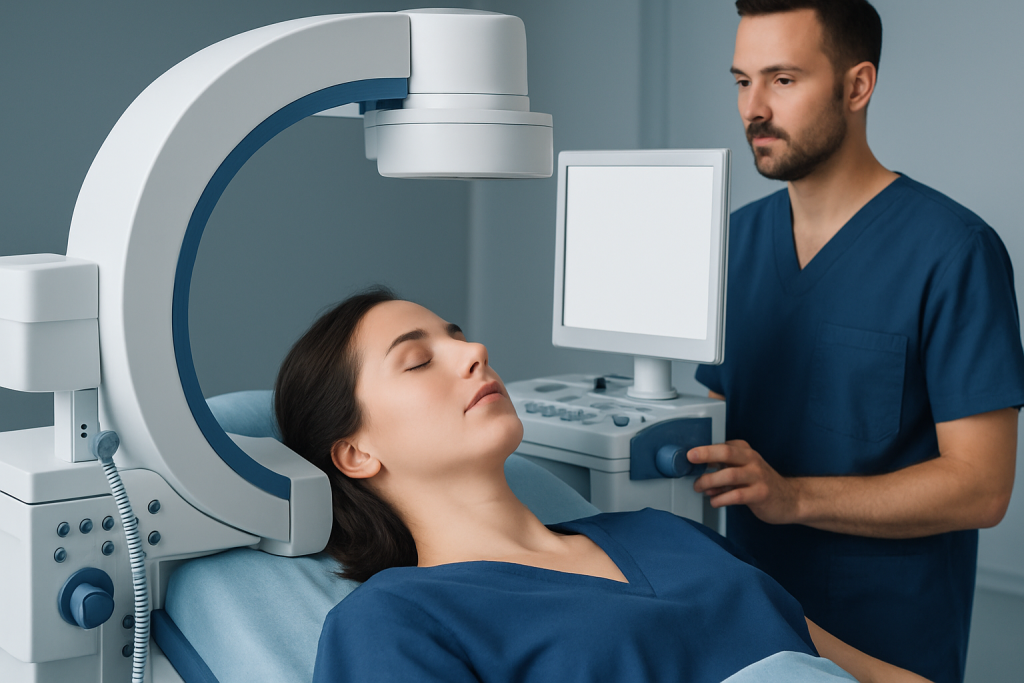
Rhinoplasty is not based on a single symptom. People usually consider it because they are bothered by the way the nose looks, the way it functions, or both. Some want the bridge refined, the nostrils narrowed, the tip lifted or balanced, or the overall profile made more harmonious with the rest of the face.
When breathing is the main concern, common reasons include a deviated septum, previous injury, collapsed nasal valves, or other structural changes that narrow the airflow passages. In these cases, surgery may be combined with functional correction so the nose is not only more balanced in appearance but also easier to breathe through.
It is also common for patients to feel a mix of practical and emotional motivations. A nose that has changed after trauma, or one that has long felt out of proportion, can affect confidence, photography, and daily comfort. A consultation should explore both the physical and personal reasons for surgery so expectations are grounded and specific.
Causes and Risk Factors
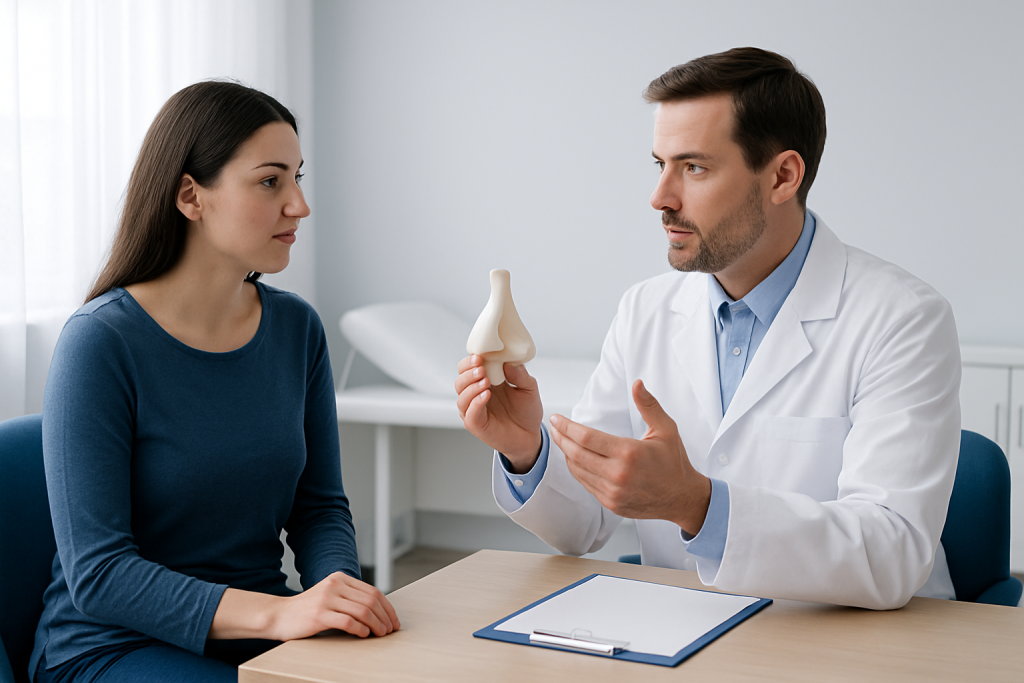
There is no single cause that leads someone to rhinoplasty; rather, the procedure responds to a range of concerns. Some people are born with nasal features they would like to refine, while others develop changes after trauma, sports injuries, fractures, or previous surgery. Age-related changes can also alter the nasal tip or support structures over time.
From a surgical point of view, certain factors influence planning and healing. These include skin thickness, the strength of the nasal cartilage, the degree of asymmetry, prior nasal operations, and the condition of the internal airway. People who smoke, have uncontrolled chronic conditions, or take medications that affect bleeding may need extra preparation and closer medical guidance.
It is important to note that the “risk factors” for rhinoplasty are not the same as the reasons someone wants the operation. A person may have no medical risk factors yet still be a strong candidate, while someone with complex breathing issues may need a more detailed evaluation before surgery is considered appropriate.
Diagnosis and Preoperative Evaluation
Rhinoplasty planning begins with a consultation that works a bit like a structural assessment. The surgeon reviews the patient’s concerns, medical history, previous injuries or surgeries, breathing symptoms, and any allergies or medications. The nose is examined from multiple angles, both outside and inside, to understand how shape and function are linked.
Depending on the case, the doctor may recommend photographs, nasal endoscopy, blood tests, or other preoperative checks. For some patients, especially those traveling from abroad, the consultation period may include virtual communication before arrival and an in-person review after landing, so the final plan is based on updated findings and realistic expectations.
A good evaluation also includes a conversation about limitations. The surgeon may explain which changes are possible, which are not advisable, and how healing could influence the final appearance. This discussion is especially valuable for patients considering Scar Revision Surgery: When Can It Improve Scar Appearance?" class="ahp-ilk">revision surgery, since previously operated noses often require more complex planning and may heal differently.
Treatment Options and Surgical Approach
Rhinoplasty may be performed using an open or closed approach. In an open rhinoplasty, the surgeon makes a small external incision between the nostrils to improve visibility and access. In a closed rhinoplasty, incisions are placed inside the nostrils, which may be suitable for selected cases. The best approach depends on the anatomy, the degree of correction needed, and whether both cosmetic and functional changes are planned.
During surgery, the surgeon may reshape cartilage, refine bone, straighten the septum, support weakened nasal valves, or make adjustments to the tip and bridge. In many cases, the goal is not to create a dramatically different nose but to achieve a result that looks balanced and works well with the patient’s facial structure.
Rhinoplasty is usually done under general anesthesia, although the exact anesthesia plan can vary by patient and procedure. The operation may take several hours, especially if it includes reconstructive elements or prior surgical scar tissue. After surgery, a splint may be placed on the nose, and internal supports or dressings may be used when needed to stabilize healing.
What to Expect Before and On the Day of Surgery
In the days before surgery, patients are usually given specific instructions about medications, fasting, stopping certain supplements, and arranging transportation home. It is wise to prepare the home environment in advance with soft foods, extra pillows, cold compresses if advised, and a quiet place to rest. International patients often benefit from building in a few extra days for preoperative review and post-procedure checks before flying.
On the day of surgery, the care team confirms the treatment plan, reviews consent, and checks vital information one more time. The process is typically calm and structured, with the patient moving from preoperative preparation to anesthesia, surgery, recovery monitoring, and discharge instructions. Most patients do not need to remember every detail that day; the team should provide clear written guidance later.
It helps to think of the preoperative stage as a partnership. The patient brings goals, concerns, and health information; the surgeon brings anatomical assessment and surgical expertise. When both sides communicate clearly, the operation is more likely to match expectations and recovery usually feels less confusing.
Recovery, Healing, and Results
The early recovery period often includes swelling, nasal stuffiness, mild bleeding or drainage, and a feeling of pressure rather than sharp pain. Bruising around the eyes may occur, especially in the first week. A splint is commonly worn for support, and activity is usually limited while the tissues begin to settle.
Most people notice that the nose looks different in stages rather than all at once. The bridge may appear improved fairly early, while the tip and finer contours can take longer to refine. Swelling often decreases gradually over weeks and months, and subtle changes may continue as the tissues soften and heal.
Aftercare usually includes sleeping with the head elevated, avoiding nose blowing unless the surgeon allows it, protecting the nose from pressure or accidental bumps, and attending scheduled follow-up visits. Patients traveling home after surgery should ask their surgeon how long to stay locally, when flying is considered safe, and how to share concerns if they arise after returning abroad.
Prevention, Self-care, and When to See a Doctor
There is no way to “prevent” the need for rhinoplasty once someone has already decided on surgery, but good self-care can support a smoother recovery. Following instructions carefully, avoiding smoking, staying hydrated, and protecting the nose from strain all help reduce unnecessary setbacks. It is also sensible to postpone strenuous exercise until the surgeon says it is safe.
Patients should contact their surgeon if they develop heavy bleeding, worsening pain, fever, increasing redness, unusual discharge, breathing difficulty, or any concern that feels out of step with normal healing. Minor swelling and congestion are common, but sudden changes deserve medical review. If a patient is recovering far from the surgical center, it is wise to know in advance which local doctor or urgent care service can evaluate problems promptly.
Rhinoplasty is usually a considered, elective procedure, so there is time to make decisions carefully. A second opinion can be helpful when goals are complex, breathing symptoms are significant, or previous surgery makes the anatomy less straightforward. Acibadem Health Point’s multidisciplinary specialists and JCI-accredited hospitals diagnose and treat rhinoplasty cases for international patients, with care plans designed to support both surgery and follow-up.
Frequently asked questions
What is the difference between cosmetic and functional rhinoplasty?
Cosmetic rhinoplasty focuses on changing the nose’s shape or proportions. Functional rhinoplasty aims to improve breathing by addressing structural problems such as a deviated septum or weakened nasal valves. Many patients need a combination of both.
How long does rhinoplasty recovery usually take?
The most noticeable swelling and bruising often improve during the first couple of weeks, but the nose continues to heal much longer than that. Fine contour changes can take months to settle, especially at the tip. Your surgeon can explain what timeline is typical for the planned procedure.
Will rhinoplasty be painful?
Most patients describe the early stage as congested, swollen, and uncomfortable rather than severely painful. Prescribed or recommended pain relief and careful aftercare usually help keep symptoms manageable. If pain suddenly worsens, the surgeon should be informed.
Can rhinoplasty be done after a broken nose or previous surgery?
Yes, many people have rhinoplasty after trauma or to revise a prior operation. These cases can be more complex because scar tissue and altered anatomy may affect surgical planning and healing. A detailed assessment is especially important in these situations.
When can normal activities be resumed?
Light activity is often restarted gradually as healing allows, but strenuous exercise, contact sports, and anything that risks a bump to the nose are usually delayed. The exact timing depends on the procedure and the surgeon’s instructions. Returning too quickly can interfere with healing.
How should an international patient prepare for rhinoplasty travel?
It helps to schedule enough time for consultation, surgery, early recovery, and follow-up before flying home. Patients should also plan for support on arrival, carry written postoperative instructions, and confirm how to reach the surgical team after discharge. Clear coordination reduces stress and helps recovery stay on track.
References
- American Society of Plastic Surgeons
- International Society of Aesthetic Plastic Surgery
- American Academy of Otolaryngology-Head and Neck Surgery
- Mayo Clinic
- NHS
This article is for general information only and is not a substitute for professional medical advice. Please consult a qualified doctor about your individual situation.
Explore treatments in Turkey — costs, top hospitals & a free quote
JCI-accredited · board-certified surgeons · reply within 24h
Add us as a Preferred Source to see more of our trusted health content across Google Search, AI Overviews and Discover.