Rhinoplasty Cost in Turkey 2025: Key Pricing Factors
Rhinoplasty cost Turkey 2025 cannot be responsibly reduced to one figure because pricing depends on the type of surgery, the surgeon and hospital, anesthesia, aftercare, and whether revision work is needed. Patients considering treatment abroad should compare written, itemized plans and prioritize qualified surgical care, safety standards, and realistic outcomes over advertised package prices.
Rhinoplasty Cost Turkey 2025: What Determines the Total Cost?
Rhinoplasty cost Turkey 2025 depends on much more than the country where surgery is performed. A responsible quotation should reflect the individual procedure, the expertise of the surgical team, the standards of the operating facility, anesthesia, preoperative assessment, postoperative care, and any practical arrangements needed for a patient travelling from abroad. For this reason, two patients may receive very different estimates even when both are seeking a “nose job.”
Patients may see broad price discussions online, including in searches for rhinoplasty cost Turkey Reddit. These conversations can be useful for identifying questions to ask, but they cannot confirm the quality, safety, or completeness of a particular offer. Personal experiences often differ in surgical goals, medical history, room type, follow-up duration, and whether the surgery was a first procedure or a revision.
Instead of comparing a headline price alone, patients should request a written plan that clearly explains what is and is not included. Important items may include consultation, imaging or tests where appropriate, surgeon and anesthesia fees, hospital and operating-room charges, medications, splints or dressings, follow-up appointments, and travel-related arrangements. It is also sensible to ask how unexpected medical needs would be managed and what follow-up is available after returning home.
- Primary cosmetic rhinoplasty is generally different from revision rhinoplasty.
- Functional surgery for breathing concerns may involve septal or turbinate treatment.
- Cartilage grafting, major asymmetry, prior injury, or previous surgery can add complexity.
- Hospital accreditation, anesthesia support, and postoperative monitoring are meaningful parts of value and safety.
How Rhinoplasty Works and Who May Be a Candidate
Rhinoplasty is surgery that reshapes the external nose. It may reduce or refine a nasal hump, alter the bridge or tip, improve balance between facial features, correct asymmetry, or address structural concerns that affect nasal airflow. When the nasal septum contributes to obstruction, a surgeon may recommend septoplasty at the same time; this combined approach is often called septorhinoplasty.
During rhinoplasty surgery, the surgeon works through incisions placed inside the nostrils or, in an open approach, through a small incision in the tissue between the nostrils. Bone, cartilage, and soft tissue may be adjusted conservatively to support both appearance and function. The most suitable technique depends on the patient’s anatomy, skin thickness, breathing symptoms, and desired changes.
Good candidates are generally adults whose nasal growth is complete, who are in stable general health, do not smoke or are willing to stop before and after surgery as advised, and have realistic expectations. A consultation should explore the patient’s goals, medical conditions, medications, allergies, previous nasal trauma or surgery, and history of breathing difficulties. Rhinoplasty is not a way to achieve perfection or to address pressure from another person.
For patients with persistent blockage, a complete nasal assessment is particularly important. Cosmetic changes should not compromise breathing, and treatment decisions should take account of the internal nasal structures as well as the outside appearance.
What Happens Before, During, and After the Procedure?

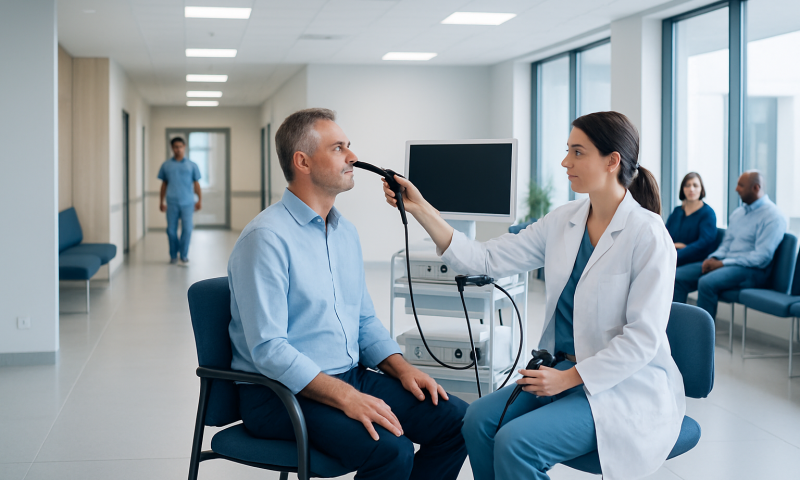
Planning usually begins with a detailed consultation and examination. The surgeon discusses what changes are anatomically feasible, reviews photographs or imaging when used, and explains the expected limitations. Preoperative tests may be arranged according to the patient’s health, age, medical history, and the requirements of the anesthesia team. Patients should disclose all medicines, supplements, smoking or nicotine use, and any tendency to bleed or scar unusually.
Rhinoplasty is commonly performed under general anesthesia. After the anesthesia takes effect, the surgeon makes the planned incisions, lifts the skin when needed, and reshapes the underlying bone and cartilage. Structural support may be preserved or rebuilt using cartilage from the septum or, in selected cases, another donor site. The skin is then repositioned, and the nose is stabilized with a splint or dressing.
The procedure duration varies with the complexity of the operation. Some patients return to their accommodation the same day, while others may need observation or an overnight stay based on the surgical plan and clinical needs. The operating team should provide clear written instructions about pain relief, wound care, sleeping position, activity restrictions, and emergency contact arrangements.
Revision rhinoplasty deserves separate discussion because previous surgery may have changed the available cartilage, scar tissue, and nasal support. It can be technically more complex and may require a longer planning process. A patient should understand why revision is proposed, what can reasonably be improved, and what uncertainties remain.
Recovery Timeline, Benefits, and Possible Risks
Most people experience swelling, bruising, nasal stuffiness, and mild to moderate discomfort during the early recovery period. Bruising around the eyes often improves within approximately two weeks, though this varies. The external splint is commonly removed after about one week according to the surgeon’s plan. Patients may often return to quiet daily activities after this early stage, but strenuous activity, contact sports, and anything that could injure the nose must be delayed.
Early results do not represent the final shape. Swelling reduces gradually over weeks and months, and the nasal tip may take longer to settle than the bridge. Subtle refinement can continue for up to a year or sometimes longer, particularly after more extensive surgery or in people with thicker skin. Regular follow-up helps the surgeon monitor healing and address questions safely.
Potential benefits include improved facial balance, greater confidence for some patients, and better nasal airflow when an obstructive structural problem is corrected. However, results are individual. Perfect symmetry is not biologically realistic, and photographs, social media images, or digitally modified examples should not be treated as guarantees.
As with any surgery, rhinoplasty has risks. These include bleeding, infection, anesthesia-related complications, prolonged swelling, numbness, scarring, asymmetry, changes in smell, Deviated Septum, Turbinates, or Both?" class="ahp-ilk">nasal obstruction, dissatisfaction with appearance, and the possible need for revision surgery. Choosing an experienced surgeon, following preparation and recovery instructions, and attending follow-up appointments can reduce avoidable risks but cannot remove all risk.
Is It Risky to Get a Nose Job in Turkey?
Getting a nose job in Turkey is not inherently safer or riskier solely because of the location. The main safety factors are the qualifications and experience of the surgeon, whether the procedure is performed in a properly licensed and equipped hospital or surgical facility, the quality of anesthesia and nursing care, infection-prevention standards, and the availability of appropriate follow-up.
International patients should verify the clinician’s credentials, ask who will perform each part of care, and confirm where the surgery will take place. They should also ask whether the hospital is accredited, how complications are handled, and how medical records and postoperative instructions will be shared with their doctor at home if required. An unreasonably rushed consultation, pressure to pay quickly, or vague answers about safety and aftercare are reasons to pause and seek another opinion.
Travel adds practical considerations. A patient may be away from their usual support system and may need to manage swelling, appointments, and recovery in an unfamiliar setting. It is wise to arrange adequate time near the surgical team, travel with a trusted companion when possible, purchase appropriate travel insurance, and avoid scheduling important commitments immediately after surgery.
Acıbadem Health Point’s multidisciplinary specialists and JCI-accredited hospitals diagnose and treat rhinoplasty candidates for international patients, with care plans designed around clinical assessment and follow-up needs.
How Much Does a Good Rhinoplasty Cost in Turkey?
There is no single reliable answer to how much a good rhinoplasty costs in Turkey. A high-quality procedure is not defined by a low or high advertised amount; it is defined by whether the plan is appropriate for the patient, delivered by a qualified team in a safe setting, and supported by transparent communication and aftercare. Exact costs should be provided after a consultation and clinical review.
When comparing rhinoplasty costs in Turkey, patients should ask for an itemized estimate rather than relying on a package label. The estimate should state whether it includes the surgeon, anesthesiologist, hospital, operating room, tests, medications, compression or splint materials, transfers, accommodation, interpreter support, and postoperative reviews. It should also distinguish medical care from optional travel services.
Patients should ask whether the quotation applies to primary or revision surgery and whether functional treatment is included. They should also understand the policy on extra nights in hospital, added procedures identified during assessment, complications, and later revision surgery. No ethical provider can promise that every possible future need will be covered by one initial price.
The best financial decision is informed rather than rushed. Comparing clinical credentials, facility standards, communication quality, the scope of follow-up, and total expected expenses can help a patient make a safer choice than comparing online figures alone.
Can You Fly After a Nose Job?
Patients can usually fly after a nose job only when their operating surgeon confirms that it is appropriate. The timing depends on the extent of surgery, the patient’s healing, the length of the flight, and whether there have been any concerns such as bleeding, infection, or significant swelling. For international patients, this discussion should take place before booking return travel.
Air travel does not normally change the shape of the nose, but cabin pressure, dry air, congestion, fatigue, and limited access to medical care can make early recovery less comfortable. Flying too soon may also make it difficult to attend important postoperative checks or obtain prompt assessment if a problem occurs. A surgeon may recommend remaining nearby until the initial review and splint removal have been completed.
During travel, patients should follow their own surgeon’s instructions. General measures may include keeping medications and written postoperative information in hand luggage, avoiding heavy lifting, drinking enough water, protecting the nose from bumps, and seeking medical advice promptly if concerning symptoms occur. Patients should not use Side Effects and Safety" class="ahp-ilk">decongestants, nasal sprays, or other medicines unless their surgical team has approved them.
Before leaving, it is helpful to obtain a brief medical summary and contact details for the surgical team. Patients should also identify a qualified clinician at home who could provide support if needed after they return.
What Country Has the Cheapest Nose Job? When to Seek Medical Care
No country can be named as the universally cheapest place for a nose job because pricing changes over time and depends on the procedure, facility, currency, surgeon, and what is included in care. More importantly, the lowest-cost destination may not offer the safest or most suitable option for an individual patient. Travel, accommodation, time away from work, insurance, and the cost of managing complications should all be considered alongside the surgical quote.
Patients should seek medical care urgently after rhinoplasty if they have heavy or persistent bleeding, worsening rather than improving pain or swelling, fever, pus-like drainage, breathing difficulty, chest pain, fainting, a severe headache, vision changes, or a concerning reaction to medication. These symptoms do not always mean a serious problem, but prompt assessment is important.
Non-urgent contact with the surgical team is appropriate for questions about dressings, expected swelling, activity restrictions, or medication side effects. Patients should avoid attempting to adjust a splint, remove packing, or treat a suspected infection independently. Clear communication with the surgical team is an essential part of safe recovery.
Anyone considering surgery should schedule a qualified medical consultation before committing to travel or payment. A careful assessment can clarify candidacy, likely benefits, limitations, risks, recovery requirements, and the full scope of care needed for an informed decision.
Frequently asked questions
01Is rhinoplasty painful?
Rhinoplasty is performed under anesthesia, so patients do not feel the operation itself. During recovery, discomfort, pressure, congestion, and tenderness are common, especially in the first days. The surgical team provides an individualized pain-management plan and instructions for safe medication use.
02How long should I stay in Turkey after rhinoplasty?
The appropriate stay depends on the operation and the surgeon’s follow-up schedule. International patients commonly need to remain long enough for early review and splint-related care, but the exact timing should be confirmed before travel. Leaving too early can make it harder to manage unexpected concerns.
03Will rhinoplasty improve breathing?
Rhinoplasty may improve breathing if it includes correction of structural problems such as a deviated septum or weak nasal valves. Cosmetic reshaping alone does not necessarily improve airflow and, in some circumstances, can affect it. A preoperative nasal examination is important when breathing is a concern.
04Can rhinoplasty be done again if I do not like the result?
Revision rhinoplasty may be possible, but it is usually more complex than a first operation. Surgeons often recommend waiting until healing and swelling have stabilized before deciding whether further surgery is appropriate. Revision surgery cannot guarantee a perfect result and requires a careful specialist assessment.
05What should I ask during a rhinoplasty consultation?
Patients should ask about the surgeon’s relevant training and experience, the proposed technique, expected benefits and limitations, risks, recovery, and follow-up schedule. They should also request an itemized cost plan and ask how complications or care after returning home would be handled. A good consultation allows time for questions without pressure.
06Can I wear glasses after rhinoplasty?
Glasses may place pressure on the healing nasal bridge, particularly during the early recovery period. The surgeon may recommend alternatives or a method to support glasses without resting them directly on the nose. Patients should follow the specific timeframe given by their own surgical team.
This article is for general information only and is not a substitute for professional medical advice. Please consult a qualified doctor about your individual situation.
Explore treatments in Turkey — costs, top hospitals & a free quote
JCI-accredited · board-certified surgeons · reply within 24h
Add us as a Preferred Source to see more of our trusted health content across Google Search, AI Overviews and Discover.