Reproductive System in Men: Structure and Function
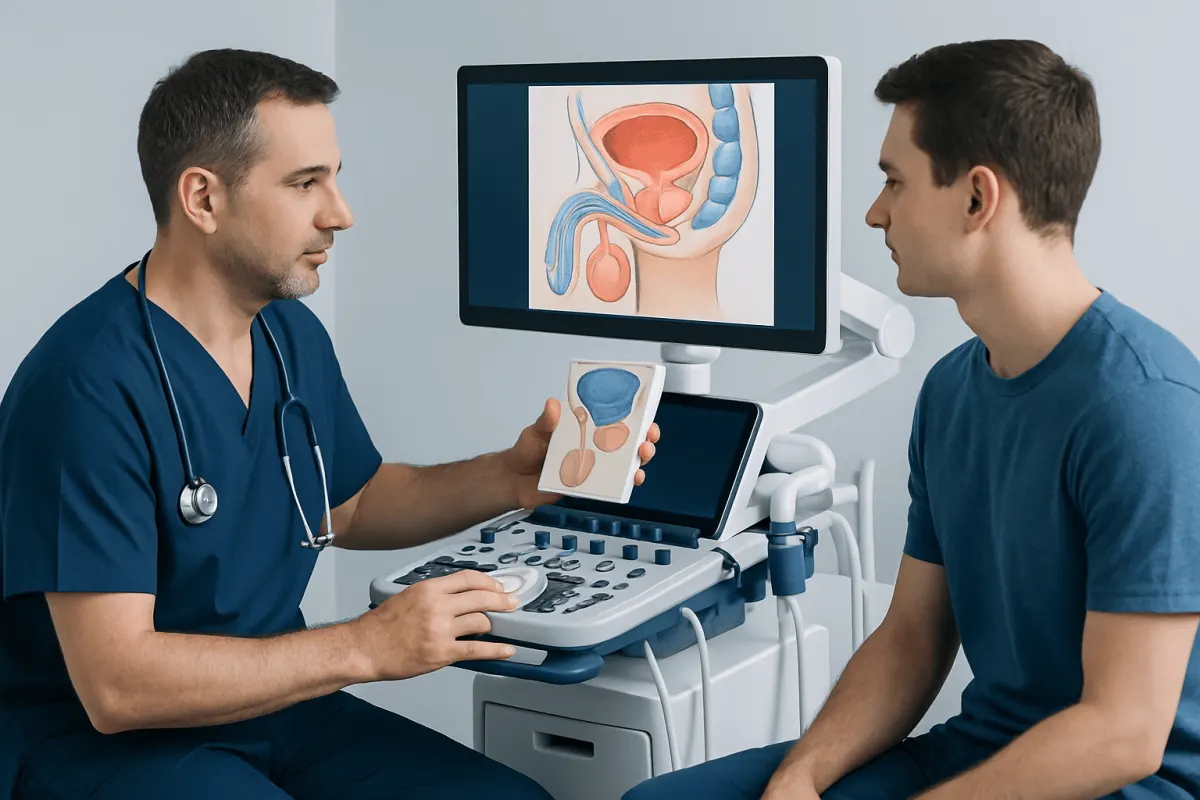
The reproductive system in men is a group of organs that produce sperm and testosterone, move semen during ejaculation, and support sexual function. Its internal and external structures work with the urinary, nervous and hormonal systems throughout puberty and adult life.
Overview of the reproductive system in men
The reproductive system in men makes sperm, produces male sex hormones and delivers semen during ejaculation. It includes external structures, such as the penis, scrotum and testes, as well as internal ducts and glands that store, move and add fluid to sperm. These parts operate together, under the influence of hormones and nerves.
Although the reproductive and urinary systems share some structures, they have different main roles. The urethra, for example, carries urine out of the body and also carries semen during ejaculation, but not at the same time. The bladder closes its outlet during ejaculation to help prevent semen from entering it.
Male reproductive development begins before birth and becomes much more active at puberty. Testosterone and other hormones support sperm production, sexual development, muscle and bone health, red blood cell production, mood and libido. Reproductive health can change with age, illness, medications, lifestyle and environmental factors.
Can you provide an overview of the male reproductive system?
The male reproductive system can be understood as a coordinated pathway. The testes make sperm and testosterone. Sperm then travel through small tubes called the epididymides, where they mature and are stored. During ejaculation, sperm move through the vas deferens and ejaculatory ducts into the urethra.
Along this route, accessory glands add fluid. The seminal vesicles contribute much of the fluid in semen, while the prostate adds fluid that supports sperm movement and survival. The bulbourethral glands produce a small amount of lubricating fluid. Semen is the mixture of sperm and fluids from these glands.
The penis contains erectile tissue that fills with blood during sexual arousal. The scrotum is a skin sac that holds the testes outside the body, helping maintain a temperature slightly lower than core body temperature, which is important for normal sperm development.
- Testes: produce sperm and testosterone.
- Epididymis: matures and stores sperm.
- Vas deferens: transports sperm during ejaculation.
- Seminal vesicles and prostate: add nourishing and protective fluids to semen.
- Urethra and penis: provide the pathway for semen to leave the body.
What does a male private area look like?
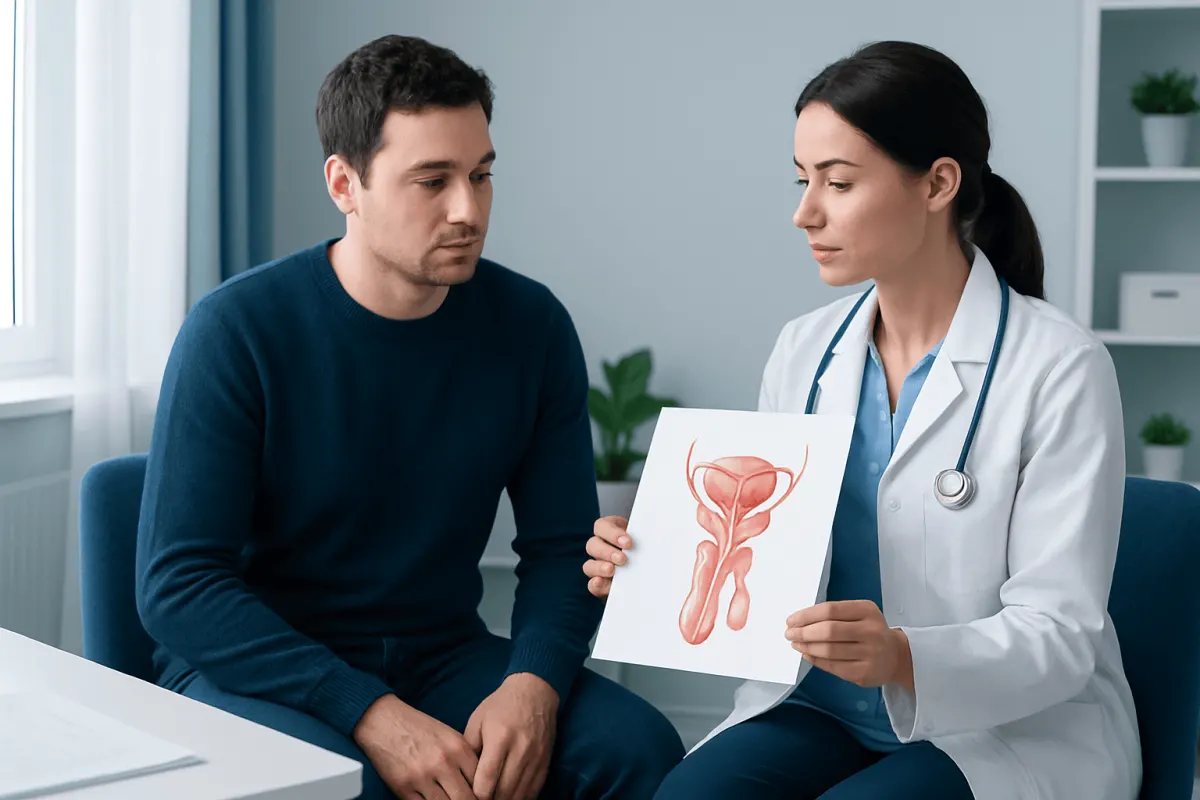
The external male genital area usually includes the penis, scrotum and the two testes inside the scrotum. The penis has a shaft and a tip called the glans. At the tip is the opening of the urethra, where urine and semen leave the body at different times. In uncircumcised people, the glans is covered partly or fully by a fold of skin called the foreskin.
The scrotum sits below the penis and is divided internally into two compartments, each holding one testis. It is normal for one testis, often the left, to hang slightly lower than the other. The skin of the scrotum may appear wrinkled and can tighten or relax in response to temperature.
Normal appearance varies by age, body size, skin tone and whether a person is circumcised. However, a new hard lump in a testis, ongoing enlargement, marked redness, a skin ulcer, a persistent rash, or sudden swelling should not be ignored. A healthcare professional can distinguish normal variation from a condition requiring treatment.
What are the 7 functions of the male reproductive system?
The reproductive system in men has several connected biological functions. Some occur continuously, such as hormone production, while others occur in response to sexual stimulation. These functions are not a measure of masculinity or overall wellbeing; people may have different experiences of sexual function and fertility.
- 1. Produce sperm: sperm cells are made in the testes.
- 2. Produce hormones: the testes produce testosterone and other hormones involved in reproductive development and general health.
- 3. Mature and store sperm: the epididymis helps sperm develop the ability to move and temporarily stores them.
- 4. Transport sperm: the vas deferens and ejaculatory ducts move sperm toward the urethra.
- 5. Make seminal fluid: the seminal vesicles, prostate and bulbourethral glands add fluids that form semen.
- 6. Support erection and ejaculation: blood flow, nerves and muscles allow erection and propel semen out through the urethra.
- 7. Enable reproduction: when sperm reaches and fertilizes an egg, pregnancy may begin.
Fertility depends on more than sperm production. Sperm number, movement and shape; the health of reproductive ducts; timing; sexual function; and the reproductive health of both partners can all affect the chance of pregnancy. Infertility is a shared medical concern and can affect any partner.
What are 5 facts about the male reproductive system?
Fact 1: Sperm production is ongoing after puberty, but it is sensitive to heat, illness, hormone changes and some medicines. A short-term illness with fever can temporarily affect sperm quality, and improvement may take several months because sperm development takes time.
Fact 2: Semen and sperm are not the same. Sperm are reproductive cells, while semen is the fluid released during ejaculation that contains sperm along with secretions from the seminal vesicles, prostate and other glands.
Fact 3: Testosterone affects more than sexual desire. It contributes to puberty-related changes, bone strength, muscle mass, red blood cell production and aspects of energy and mood. Symptoms alone cannot diagnose low testosterone; evaluation usually includes a clinician’s assessment and appropriate blood testing.
Fact 4: The prostate normally grows gradually with age. This may contribute to urinary symptoms in some people, although urinary symptoms have several possible causes. Learn more about benign prostatic hyperplasia and when symptoms should be checked.
Fact 5: Sexual function and fertility are related but different. A person may have erections and ejaculation yet have reduced fertility, while fertility may be normal despite some sexual concerns. Both can often be evaluated with confidential, individualized medical care.
Common concerns, evaluation and treatment
Common male reproductive health concerns include erectile difficulties, ejaculation changes, low sexual desire, scrotal pain or swelling, infections, infertility, prostate symptoms and testicular lumps. Some are temporary and linked to stress, fatigue or an acute illness. Others may reflect hormonal, vascular, neurological, structural or inflammatory conditions that deserve assessment.
A clinician may ask about symptoms, medical history, sexual history, fertility goals, medications and lifestyle factors. Depending on the concern, evaluation can include a physical examination, urine or blood tests, testing for sexually transmitted infections, hormone tests, semen analysis or ultrasound imaging. A testicular examination and ultrasound may help investigate a lump or persistent swelling.
Treatment depends on the cause. It may involve treating an infection, adjusting a medicine, managing diabetes or cardiovascular risk factors, hormone evaluation, counseling, surgery or fertility-focused care. Erectile dysfunction can be associated with health conditions affecting blood vessels or nerves, so it is useful to discuss it openly rather than self-treating. Erectile dysfunction treatment may include lifestyle measures, medicines or other options selected by a qualified clinician.
For people having difficulty conceiving, assessment commonly considers both partners. IVF treatment and other fertility approaches may be discussed when medically appropriate, based on the underlying cause and individual circumstances.
Supporting reproductive health and preventing problems
Not every reproductive condition can be prevented, but everyday health habits can support hormone balance, circulation and sperm health. A balanced eating pattern, regular physical activity, adequate sleep and maintaining a weight that is healthy for the individual can be beneficial. Limiting tobacco, avoiding anabolic steroids and recreational drugs, and moderating alcohol are also important.
Sexually transmitted infections can affect reproductive health and fertility. Condoms reduce the risk of many infections, though they do not eliminate every risk. Testing is especially important after a possible exposure, when symptoms occur, or before stopping barrier protection with a new partner. Vaccination, including HPV vaccination when appropriate, is another preventive step.
People trying to conceive may wish to avoid frequent high heat exposure to the testes, such as hot tubs or saunas, and should review medications and supplements with a clinician rather than stopping prescribed treatment independently. Testicular self-awareness is helpful: becoming familiar with the usual feel and appearance of the testes can make new changes easier to notice.
Acıbadem Health Point’s multidisciplinary specialists and JCI-accredited hospitals can assess male reproductive and urological concerns for international patients when specialist care is needed.
When to seek medical care
Medical advice is recommended for pain, swelling or a lump in the scrotum or testis; urinary symptoms that persist; blood in urine or semen; penile discharge, sores or a new rash; or concerns about erections, ejaculation, libido or fertility. It is also reasonable to seek care after possible exposure to a sexually transmitted infection, even when there are no symptoms.
Sudden, severe testicular or scrotal pain is an urgent concern and should be assessed immediately. It can occasionally indicate testicular torsion, in which the blood supply to a testis may be affected. Prompt assessment is important because early treatment can protect testicular function.
People who have had regular unprotected intercourse for about a year without pregnancy, or sooner when there are known fertility concerns or the female partner is older, may benefit from a fertility evaluation. A primary care clinician, urologist, reproductive specialist or sexual health clinician can guide the next steps confidentially and respectfully.
Frequently asked questions
01What organs are included in the reproductive system in men?
The main organs include the testes, epididymides, vas deferens, seminal vesicles, prostate, bulbourethral glands, urethra, penis and scrotum. Each has a role in making hormones or sperm, maturing and transporting sperm, producing semen, or supporting sexual function.
02Is the male reproductive system connected to the urinary system?
Yes. The urethra is shared by both systems and carries urine out of the body as well as semen during ejaculation. The two functions are coordinated so that urine and semen do not normally pass through the urethra at the same time.
03What is the difference between sperm and semen?
Sperm are microscopic reproductive cells produced in the testes. Semen is the fluid ejaculated from the penis; it contains sperm together with fluids from the seminal vesicles, prostate and other glands.
04Does a testicular lump always mean cancer?
No. Lumps or changes can have several causes, including cysts, inflammation, enlarged veins or fluid around the testis. However, a new lump, firmness, enlargement or persistent discomfort needs timely medical assessment to identify the cause.
05Can lifestyle affect male fertility?
Yes. Smoking, heavy alcohol use, anabolic steroid use, recreational drugs, obesity, certain medicines, illness and frequent heat exposure may affect sperm production or quality. Lifestyle changes can be helpful, but fertility concerns should still be evaluated by a qualified clinician.
06When should someone seek urgent help for testicular pain?
Sudden, severe pain in one testis or the scrotum needs urgent medical assessment, particularly if it comes with swelling, nausea or vomiting. Rapid evaluation is important because testicular torsion and some infections require prompt treatment.
This article is for general information only and is not a substitute for professional medical advice. Please consult a qualified doctor about your individual situation.
Explore treatments in Turkey — costs, top hospitals & a free quote
JCI-accredited · board-certified surgeons · reply within 24h
Add us as a Preferred Source to see more of our trusted health content across Google Search, AI Overviews and Discover.